
94%
OFF
OFF
Brick-and-Mortar Business Training
- Lifetime Access
- All Levels
- PDF Certificate
£296
£19
14-Day Money-Back Guarantee
Learn With Confidence








# Brick-and-Mortar Business Training
Turn your business idea into a stronger, more informed real-world business strategy with **Brick-and-Mortar Business Training**. This practical course is designed for aspiring entrepreneurs, small business owners and professionals who want to understand the essential considerations involved in establishing and operating a physical business.
Running a brick-and-mortar business involves much more than finding a suitable shop, office or premises and opening the doors. You need to understand your business concept, identify your target market, research competitors, consider registrations and permits, develop effective marketing strategies and create an environment that encourages customers to buy.
A physical location can provide powerful advantages. Customers can see products in person, interact with staff, experience the brand and develop stronger connections with a business. However, operating a physical location also introduces costs, responsibilities and practical challenges that need to be considered before committing resources.
**Brick-and-Mortar Business Training** gives you a structured introduction to the key areas that can influence the success of a physical business. The course is designed to help you think strategically, conduct useful research and make more informed decisions as you develop your business plans.
Whether you are considering opening your first retail store, launching a service-based premises, developing a local business or expanding an existing operation into a physical location, this course can provide valuable foundational knowledge.
## Why Brick-and-Mortar Businesses Still Matter
Digital businesses have transformed the commercial landscape, but physical businesses continue to play an important role in many industries.
Retail shops, restaurants, cafés, salons, fitness centres, professional offices, repair services, studios and many other businesses rely on physical locations to serve their customers.
A physical presence can create opportunities for face-to-face interaction and memorable customer experiences. It can also help businesses become part of their local communities.
At the same time, physical businesses need careful planning. Rent, utilities, staffing, insurance, stock, equipment, licences, local competition and customer demand can all influence performance.
The **Brick-and-Mortar Business Training** course helps learners understand these considerations before making important business decisions.
## Course Learning Outcomes
By completing **Brick-and-Mortar Business Training**, you will develop the knowledge to:
* Understand the fundamentals of operating a brick-and-mortar business.
* Evaluate different types of physical business concepts.
* Consider which business model may suit your goals and market.
* Identify and research target markets.
* Understand customer needs and purchasing behaviour.
* Analyse competitors and identify opportunities for differentiation.
* Recognise the importance of registrations, licences and permits.
* Understand basic marketing principles for physical businesses.
* Explore merchandising techniques that can support customer engagement.
* Develop a more structured approach to physical business planning.
* Identify important questions to consider before opening a premises.
* Make more informed decisions about your brick-and-mortar business idea.
## Chapter 1: Introduction
The first chapter introduces the concept of brick-and-mortar businesses and establishes the foundation for the course.
You will explore what it means to operate a physical business and consider the opportunities and challenges associated with having a real-world location.
A physical business requires careful planning because many decisions can involve significant financial and operational commitments. The location you choose, the size of your premises, the products or services you offer and the customers you target can all influence your business model.
This introductory chapter encourages you to think about your business idea from a practical perspective.
Instead of starting with the assumption that every business needs a physical location, you will consider why a brick-and-mortar model might make sense for a particular product, service or audience.
You will also begin considering the relationship between your business concept, customers, competition and operating environment.
By completing this chapter, you will have a clearer understanding of what a brick-and-mortar business involves and why strategic preparation is important.
## Chapter 2: What Kind of Business Do I Want?
Choosing the right business concept is one of the most important decisions an entrepreneur can make.
Chapter 2 focuses on identifying what kind of business you want to establish.
You will explore the importance of matching your business idea with your skills, interests, resources, target customers and market opportunities.
A successful business concept needs to solve a customer problem, fulfil a demand or provide a compelling reason for people to spend money.
You will consider different types of physical business models and think about the practical requirements associated with each.
For example, a retail shop may have different requirements from a professional service office, restaurant, beauty business or specialist workshop.
The objective is to encourage you to think beyond the basic question of “What business should I open?” and consider questions such as:
* What will I sell or provide?
* Who will buy it?
* Why will customers choose my business?
* What type of location will I need?
* What resources will the business require?
* What makes my idea different?
* Can the business model realistically support its costs?
This structured thinking can help you refine your concept before making major commitments.
## Chapter 3: Know Your Markets
Understanding your market is essential for any business, but it can be particularly important for a physical business because location and local demand are closely connected.
Chapter 3 explores market research and helps you understand how to identify and learn about your target customers.
Your target market may be influenced by factors such as location, demographics, purchasing behaviour, income, lifestyle, preferences and customer needs.
You will explore why businesses need to understand who their customers are and what those customers value.
Market research can help you identify potential opportunities and challenges before opening your doors.
For a brick-and-mortar business, questions about location can be particularly important.
Consider:
* Are enough potential customers nearby?
* What types of customers live or work in the area?
* When are customers most likely to visit?
* What businesses already serve the area?
* Is the location convenient for your target market?
* What products or services appear to be in demand?
* Are there seasonal considerations?
Learning to ask the right questions can help you conduct more meaningful market research.
The goal is not simply to gather large amounts of information. It is to collect relevant information that can support better business decisions.
## Chapter 4: Know Your Competition
Competition is a normal part of business.
Chapter 4 focuses on understanding competitors and using competitive research to improve your business strategy.
A competitor is not necessarily a reason to abandon a business idea. In many cases, competitors can provide useful information about customer expectations, pricing, product selection, service quality, marketing and market demand.
You will explore how to identify competitors and examine what they offer.
You can consider factors such as:
* Products and services.
* Pricing.
* Customer experience.
* Location.
* Branding.
* Marketing activity.
* Opening hours.
* Online presence.
* Strengths and weaknesses.
* Customer reviews and feedback.
This information can help you identify opportunities for differentiation.
Perhaps competitors focus heavily on price while your opportunity lies in service. Maybe they offer a broad selection while your business could specialise in a particular niche. Alternatively, there may be an underserved customer group that existing businesses are not addressing effectively.
The purpose of competitive research is to help you understand the market rather than simply copy other businesses.
By completing this chapter, you will have a stronger framework for analysing competitors and identifying ways your business can create distinctive value.
## Chapter 5: Registrations, Licenses and Permits
Operating a physical business involves legal and regulatory responsibilities.
Chapter 5 introduces the importance of registrations, licences and permits and highlights why entrepreneurs need to investigate the requirements that apply to their particular business and location.
Different industries and jurisdictions can have different requirements. A restaurant, childcare facility, retail shop, salon, construction-related business and professional office may all be subject to different regulations.
Requirements may also vary depending on local authorities and the nature of the premises.
You will learn why regulatory research should take place before opening a business rather than being treated as an afterthought.
This can include identifying relevant business registrations, permits, licences, health and safety requirements, premises regulations and other applicable obligations.
Because laws and requirements vary and can change, this course provides general educational guidance rather than jurisdiction-specific legal advice. Entrepreneurs should always confirm current requirements with the relevant government departments, licensing authorities or qualified professionals.
Understanding this area can help you avoid preventable problems and approach the launch of a physical business more responsibly.
## Chapter 6: Marketing and Merchandising
Once your business is ready to attract customers, effective marketing becomes essential.
Chapter 6 explores marketing and merchandising strategies relevant to brick-and-mortar businesses.
Marketing helps potential customers discover your business, while merchandising influences how products and services are presented once customers interact with your physical location.
For a physical business, the customer experience begins before someone enters the premises. Signage, local visibility, online listings, social media, advertising and word-of-mouth can all influence whether people decide to visit.
Inside the premises, factors such as layout, product placement, displays, signage and presentation can influence how customers navigate the space and interact with products.
You will explore how marketing and merchandising can work together to create a more compelling customer experience.
The module encourages you to think about your business from the customer’s perspective.
What does a customer see when approaching your business?
Is your brand immediately recognisable?
Is it clear what you offer?
Can customers easily find what they need?
Does the environment support the type of experience you want to provide?
These questions can help you identify opportunities to improve your physical presence.
## Develop a Stronger Business Concept
A successful brick-and-mortar business begins with a clear concept.
**Brick-and-Mortar Business Training** helps you work through important questions before you invest heavily in premises, equipment or inventory.
You will learn to consider the relationship between your idea, your customers and your market.
This can help you avoid making decisions based solely on personal preference and instead develop a business concept around genuine customer demand and commercial opportunity.
## Understand Your Customers
Customers are the foundation of every successful business.
Knowing who you are serving can influence everything from your location and product selection to pricing, branding and marketing.
The course encourages you to develop a customer-focused approach.
Rather than trying to appeal to everyone, you can begin identifying the specific groups most likely to value your products or services.
This can make your marketing more focused and help you create a customer experience that feels relevant.
## Make Better Competitive Decisions
Competitive research can give entrepreneurs valuable insight into their market.
By understanding what existing businesses do well and where customers may still have unmet needs, you can identify potential opportunities for differentiation.
The course helps you approach competitors as sources of market information rather than simply obstacles.
This can lead to more informed decisions about positioning, customer service, product selection and marketing.
## Prepare for Regulatory Responsibilities
Opening a physical business without understanding applicable regulatory requirements can create unnecessary risks.
The course highlights the importance of researching relevant registrations, licences and permits before launch.
This encourages a more responsible approach to business planning and can help you identify areas where professional or official guidance may be required.
## Attract Customers Through Effective Marketing
Having an excellent physical location is not enough if customers do not know your business exists.
Effective marketing can help you build awareness and encourage people to visit.
**Brick-and-Mortar Business Training** introduces marketing considerations that can help physical businesses think strategically about attracting local customers and building a recognisable presence.
Marketing opportunities can include local promotions, social media, online business profiles, community engagement, partnerships, events, signage and other appropriate channels.
The best approach will depend on your target market and business model.
## Create a Stronger In-Store Experience
Merchandising is another important part of physical business success.
How products are displayed and how customers move through a space can influence their experience.
Effective merchandising can make products easier to discover, communicate value and support purchasing decisions.
For service-based businesses, the equivalent may involve creating a professional and welcoming environment that reinforces the brand.
The course helps you understand the importance of treating your physical premises as an extension of your brand.
## Who Is This Course For?
**Brick-and-Mortar Business Training** is suitable for:
* Aspiring entrepreneurs.
* Small business owners.
* Retail entrepreneurs.
* Start-up founders.
* Local business operators.
* Professionals considering self-employment.
* Entrepreneurs moving from online to physical business.
* Existing business owners considering expansion.
* Marketing professionals working with local businesses.
* Anyone interested in physical business development.
The course is suitable for beginners and learners who want a structured overview of the key considerations involved in establishing a physical business.
## Build Confidence Before You Open Your Doors
Starting a physical business can be exciting, but it also involves significant decisions.
The more informed those decisions are, the better prepared you can be to manage challenges and identify opportunities.
**Brick-and-Mortar Business Training** gives you a framework for thinking through the fundamentals before committing to a particular location, concept or strategy.
You will learn to examine your business idea, market, competitors, regulatory requirements and marketing approach from a practical perspective.
## Turn Your Business Idea Into a More Informed Plan
A great business idea is only the beginning.
Turning that idea into a sustainable physical business requires research, planning and execution.
This course helps you build the knowledge needed to think through some of the most important early-stage considerations.
You can use the principles covered to refine your concept, understand your customers, analyse your competitors and prepare for the practical responsibilities of operating a physical business.
## Why Choose Brick-and-Mortar Business Training?
**Brick-and-Mortar Business Training** provides a structured learning journey covering six important areas:
* Introduction to physical business.
* Business concept development.
* Market research.
* Competitive analysis.
* Registrations, licences and permits.
* Marketing and merchandising.
The course takes a practical, outcome-focused approach designed to help you make more informed decisions about establishing or developing a brick-and-mortar business.
## Start Building Your Physical Business Strategy Today
A physical business can become a valuable part of a local community and a rewarding entrepreneurial venture. But success requires more than enthusiasm. It requires understanding your market, knowing your competition, selecting the right business concept, meeting applicable requirements and creating a compelling customer experience.
**Brick-and-Mortar Business Training** provides a practical foundation for navigating these essential considerations.
From deciding what kind of business you want to create to understanding your market and competitors, researching licences and permits, and developing marketing and merchandising strategies, the course helps you approach your business idea with greater structure and confidence.
Whether you are preparing to launch your first shop, office, studio, service location or other physical business, this course can help you take a more informed approach to planning.
**Enrol in Brick-and-Mortar Business Training today and develop the knowledge to research, plan and build a stronger strategy for your physical business venture.**
Course Modules
Course Content
Chapter 1_ Introduction
-
Chapter 1_ Introduction
Chapter 2_ What Kind of Business Do I Want
Chapter 3_ Know Your Markets
Chapter 4_ Know Your Competition
Chapter 5_ Registrations, Licenses and Permits
Chapter 6_ Marketing and Merchandising
What our students say
Excellent
4.9 average
158 Reviews

Earn an Accredited Certificate
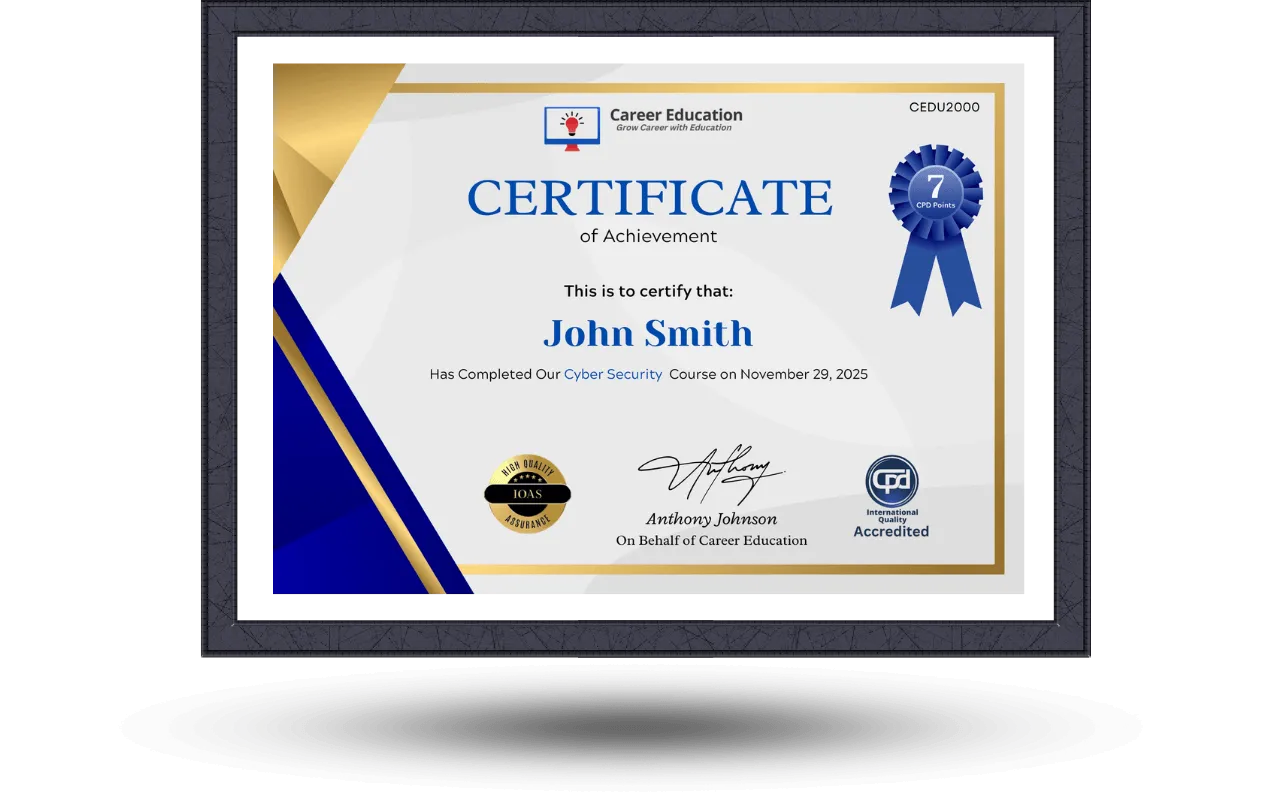
Upon completion of any course, all students are entitled to a CPD IQ Accredited e-certificate that will be issued by Career Education signifying the completion of your course.
After you complete the course and assignment, you will be eligible to order a free certificate accredited by CPD International Quality by completing the form below.
Hardcopy certificates and transcripts are also available for a small additional fee. More information is disclosed upon course completion.
Similar Courses




Frequently Asked Questions
The lifetime membership includes unlimited access to all courses, resources, and updates for a one-time fee.
You can purchase the membership directly from our website using a secure checkout process.
Yes, selected courses can be downloaded for offline access through our mobile app.
Yes, all future updates and new courses are included at no extra cost.
Yes, we offer a 30-day money-back guarantee if you are not satisfied with the membership.