Skip to content
94%
OFF

Autism and Applied Behavioural Analysis Techniques

  • Lifetime Access
  • All Levels
  • PDF Certificate
£19.00 £296.00
14-Day Money-Back Guarantee

Learn With Confidence

IOAS High Quality Assurance
AoHT Member
Disability Confident Committed
CPD Accredited Provider
CPD International Quality
14 Days Money Back Guarantee
Lifetime Access
Incensu Registered
SSL Secure

Overview

Develop Evidence-Informed Support Skills with the Autism and Applied Behavioural Analysis Techniques Course

Understanding autism and developing effective support strategies are essential for creating environments where autistic individuals can learn, communicate, develop independence, and achieve their personal goals. Applied Behavioural Analysis (ABA) is an approach that focuses on understanding behaviour, identifying individual needs, and using structured strategies to encourage positive learning and development.

The Autism and Applied Behavioural Analysis Techniques course provides learners with a comprehensive understanding of autism and the principles of ABA. This programme explores behaviour assessment, intervention strategies, communication development, life skills, data collection, ethical practice, and collaborative support approaches.

Designed for educators, healthcare professionals, support workers, caregivers, therapists, and anyone interested in autism support, this course provides practical knowledge to help learners understand behaviour in context and develop supportive approaches based on individual strengths and needs.

Throughout this course, learners will explore how Applied Behavioural Analysis techniques can be used responsibly and ethically to support communication, learning, independence, and wellbeing. The programme emphasises person-centred practice, recognising that every autistic individual has unique experiences, abilities, preferences, and goals.

Whether you work in education, healthcare, social care, or support an autistic individual in your personal life, the Autism and Applied Behavioural Analysis Techniques course provides valuable knowledge and practical skills to promote meaningful development and inclusion.


Why Study Autism and Applied Behavioural Analysis Techniques?

Autism can influence communication, learning, social interaction, sensory experiences, and behaviour. Understanding the reasons behind behaviours is an important part of providing effective support.

The Autism and Applied Behavioural Analysis Techniques course helps learners explore how behaviour can be understood through observation, assessment, and structured support strategies while focusing on respect, dignity, and individual needs.

Throughout this course, you will learn how to:

  • Understand autism and neurodevelopmental differences
  • Explore the foundations of Applied Behavioural Analysis
  • Assess behaviour effectively
  • Develop supportive intervention strategies
  • Encourage communication and social skills
  • Support academic and life skill development
  • Use data collection approaches
  • Work collaboratively with families and caregivers
  • Understand ethical and legal responsibilities
  • Explore advanced ABA applications

These skills are valuable for professionals and individuals supporting autistic people across different environments.


Why Choose This Course?

The Autism and Applied Behavioural Analysis Techniques course combines autism awareness with practical ABA principles to help learners develop a deeper understanding of behaviour and support strategies.

This course focuses on applying knowledge in meaningful ways by exploring how structured approaches can support learning, communication, independence, and personal development.

Rather than focusing only on changing behaviours, this programme highlights the importance of understanding why behaviours occur, recognising individual needs, and creating supportive environments.

Each module provides practical insights that can be applied in educational settings, care environments, workplaces, and everyday life.


Course Curriculum

Module 1: Introduction to Autism

Begin by developing a strong foundation in autism awareness and understanding.

Topics include:

  • What is autism?
  • Autism as a neurodevelopmental difference
  • Autism spectrum experiences
  • Characteristics of autism
  • Communication differences
  • Social interaction differences
  • Sensory experiences
  • Individual strengths and abilities
  • Understanding autism from a person-centred perspective

This module introduces the key concepts needed to understand autistic individuals and their unique experiences.


Module 2: Foundations of Applied Behaviour Analysis

Explore the core principles and concepts behind Applied Behavioural Analysis.

Topics include:

  • What is Applied Behaviour Analysis?
  • History and development of ABA
  • Principles of learning and behaviour
  • Understanding behaviour and its purpose
  • Reinforcement concepts
  • Behaviour change principles
  • ABA applications in autism support
  • Person-centred use of ABA techniques

This module provides learners with an understanding of how ABA approaches are structured and applied.


Module 3: Behaviour Assessment

Understanding behaviour begins with careful observation and assessment.

This module explores:

  • The purpose of behaviour assessment
  • Observing behaviour patterns
  • Identifying triggers and outcomes
  • Functional behaviour assessment
  • Understanding environmental influences
  • Identifying individual needs
  • Developing behaviour support plans
  • Using assessment information effectively

You will learn how assessment can help identify appropriate support strategies and improve understanding of behaviour.


Module 4: Behaviour Intervention Strategies

This module focuses on practical strategies used to support positive development.

Topics include:

  • Developing intervention plans
  • Positive reinforcement strategies
  • Skill-building approaches
  • Supporting behaviour change
  • Encouraging independence
  • Managing challenging situations
  • Creating structured learning opportunities
  • Individualising support strategies

Learners will explore how interventions can be adapted to suit different individuals and goals.


Module 5: Communication and Social Skills

Communication development is an important area of support for many autistic individuals.

Topics include:

  • Supporting communication skills
  • Verbal and non-verbal communication
  • Alternative communication approaches
  • Social interaction skills
  • Encouraging meaningful engagement
  • Supporting emotional expression
  • Developing confidence in communication
  • Promoting positive relationships

This module explores how ABA principles can support communication and social development.


Module 6: Academic and Life Skills Development

Supporting learning and independence is an important part of autism support.

Topics include:

  • Supporting educational development
  • Learning strategies
  • Classroom-based support
  • Developing daily living skills
  • Building independence
  • Teaching practical skills
  • Encouraging problem-solving
  • Supporting personal goals

You will explore how structured approaches can help individuals develop skills for everyday life.


Module 7: Data Collection and Analysis

Effective support requires monitoring progress and understanding outcomes.

Topics include:

  • Importance of data collection
  • Recording behaviour observations
  • Measuring progress
  • Analysing patterns
  • Reviewing intervention effectiveness
  • Using data to guide decisions
  • Maintaining accurate records
  • Making adjustments to support plans

This module introduces the importance of evidence-based decision-making in ABA practice.


Module 8: Family and Caregiver Involvement

Families and caregivers play an important role in supporting autistic individuals.

Topics include:

  • Working collaboratively with families
  • Supporting caregiver involvement
  • Sharing information effectively
  • Consistent support approaches
  • Understanding family perspectives
  • Building positive partnerships
  • Supporting caregivers
  • Creating coordinated support networks

This module highlights the importance of collaboration between professionals, families, and individuals.


Module 9: Ethical and Legal Considerations

Ethical practice is essential when supporting autistic individuals.

Topics include:

  • Professional responsibilities
  • Respect and dignity
  • Individual rights
  • Consent and choice
  • Confidentiality
  • Safeguarding responsibilities
  • UK legal considerations
  • Inclusive and respectful practice

This module helps learners understand the importance of responsible and ethical support.


Module 10: Advanced ABA Applications

The final module explores broader applications and future development within ABA.

Topics include:

  • Advanced ABA approaches
  • Supporting complex needs
  • Applying ABA across environments
  • Long-term skill development
  • Community-based applications
  • Ongoing assessment
  • Continuous improvement
  • Future developments in autism support

This module allows learners to build on their knowledge and understand wider applications of ABA techniques.


Skills You’ll Develop

By completing the Autism and Applied Behavioural Analysis Techniques course, you will develop valuable skills and knowledge, including:

  • Autism awareness
  • ABA principles
  • Behaviour observation
  • Behaviour assessment
  • Intervention planning
  • Communication support
  • Social skill development
  • Learning support strategies
  • Data collection techniques
  • Family collaboration
  • Ethical practice awareness
  • Person-centred support

These skills are valuable across education, healthcare, social care, and community support environments.


Who Should Enrol?

The Autism and Applied Behavioural Analysis Techniques course is suitable for:

  • Teachers and education professionals
  • Teaching assistants
  • Healthcare workers
  • Social care professionals
  • Support workers
  • Autism practitioners
  • Parents and caregivers
  • Childcare professionals
  • Therapists
  • Community support workers
  • Students
  • Anyone interested in autism and behavioural support

No previous ABA experience is required. The course is suitable for beginners as well as professionals looking to strengthen their understanding of autism support strategies.


Career and Professional Benefits

Understanding autism and ABA techniques can support professional development across many sectors.

The knowledge gained can benefit careers in:

  • Education
  • Special educational support
  • Healthcare
  • Social care
  • Autism services
  • Child development
  • Community support
  • Care coordination
  • Disability services
  • Support roles

Employers value professionals who understand inclusive practice, communication support, and evidence-informed approaches.


Practical Learning for Effective Support

The Autism and Applied Behavioural Analysis Techniques course focuses on practical knowledge that can be applied in real-world settings.

Throughout the programme, learners will understand how to:

  • Recognise individual needs
  • Understand behaviour patterns
  • Apply supportive strategies
  • Encourage communication
  • Promote independence
  • Support learning and development
  • Monitor progress
  • Work with families
  • Maintain ethical standards
  • Create inclusive environments

These practical skills help learners provide more effective and respectful support.


Why Autism and Applied Behavioural Analysis Techniques Matter

Effective autism support begins with understanding. Behaviour is often a form of communication, and recognising the reasons behind behaviours can help create more supportive responses.

The Autism and Applied Behavioural Analysis Techniques course highlights the importance of combining autism awareness with structured, ethical, and person-centred approaches. By understanding behaviour, communication, learning, and individual needs, learners can contribute to environments where autistic individuals are supported to reach their goals.

Greater awareness and practical knowledge help improve inclusion, strengthen relationships, and promote positive development.


Why Employers Value ABA and Autism Support Skills

Education providers, healthcare organisations, social care services, and community organisations increasingly require professionals who understand autism and inclusive support approaches.

Completing the Autism and Applied Behavioural Analysis Techniques course demonstrates your commitment to supporting autistic individuals through respectful, informed, and evidence-based practices.

These skills can enhance your professional confidence and help you contribute positively within support-focused roles.


Enrol Today and Build Your Autism Support Knowledge

Understanding autism and Applied Behavioural Analysis techniques can help you make a meaningful difference in the lives of autistic individuals. By developing knowledge of behaviour assessment, communication support, intervention strategies, and ethical practice, you can contribute to more inclusive and supportive environments.

Enrol in the Autism and Applied Behavioural Analysis Techniques course today and gain the knowledge, confidence, and practical skills needed to support learning, communication, independence, and wellbeing. Whether you are a professional, caregiver, educator, or someone interested in autism support, this course provides a strong foundation for developing effective and respectful approaches.


£296.00 £19.00

Save Over 94% - Offer Ends soon

BUY NOW

14-Day Money-Back Guarantee

Course Modules

Course Content

Module 1_ Introduction to Autism

  • Lesson 1_ Introduction to Autism

Module 2_ Foundations of Applied Behaviour Analysis

Module 3_ Behaviour Assessment

Module 4_ Behaviour Intervention Strategies

Module 5_ Communication and Social Skills

Module 6_ Academic and Life Skills Development

Module 7_ Data Collection and Analysis

Module 8_ Family and Caregiver Involvement

Module 9_ Ethical and Legal Considerations

Module 10_ Advanced ABA Applications

What our students say

Excellent
4.9 average
158 Reviews
Taufiq Israil
Verified Customer

This course completely transformed how I approach design. The section on design systems was worth the price alone. I landed a Junior Designer role three weeks after finishing!

Andrew Osborne
Verified Customer

The courses provided a wide variety of complete program materials and exam mockups. Fantastic!

Gregory Holmes
Verified Customer

The range of courses offered is extensive and the quality of training is top notch, second to pretty perfect!

Zach Parks
Verified Customer

The course I completed was engaging, insightful, informative! The instructor kept me motivated throughout.

Earn an Accredited Certificate

Earn an Accredited Certificate

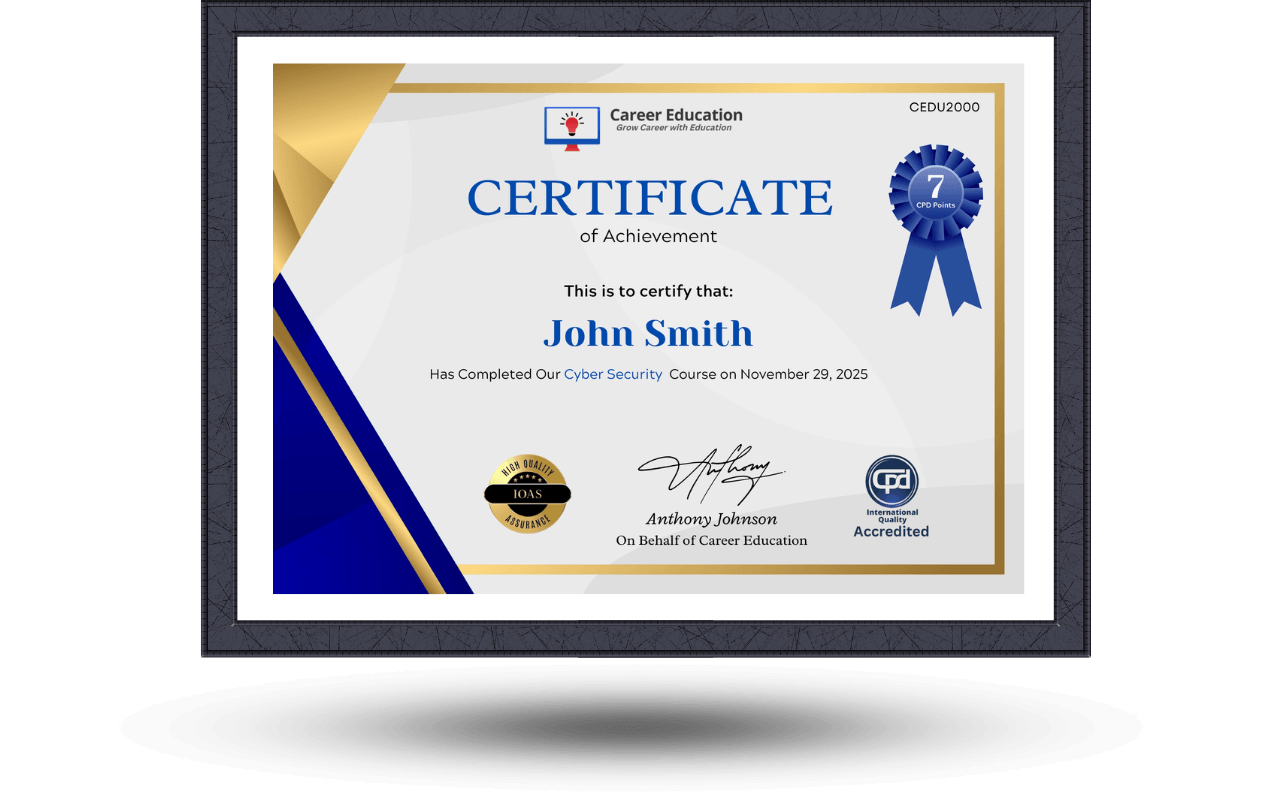
Upon completion of the course, an e-certificate will be downloadable from Khan Education signifying the completion of your course. But, the course is CPD Accredited and after you complete the assignment, you will be eligible to order a certificate accredited by CPD International Quality for £5.99 only. If you want a hardcopy certificate accredited by CPD IQ, you can get it for only £15.99.

Get your Certificate

Frequently Asked Questions

The lifetime membership includes unlimited access to all courses, resources, and updates for a one-time fee.

You can purchase the membership directly from our website using a secure checkout process.

Yes, selected courses can be downloaded for offline access through our mobile app.

Yes, all future updates and new courses are included at no extra cost.

Yes, we offer a 30-day money-back guarantee if you are not satisfied with the membership.