
OFF
A Beginner’s Guide to the Care Certificate (16 Standards)
- Lifetime Access
- All Levels
- PDF Certificate
Learn With Confidence









Overview
A Beginner’s Guide to the Care Certificate (16 Standards)
Build a Strong Foundation for a Successful Career in Health and Social Care
A Beginner’s Guide to the Care Certificate (16 Standards) is the ideal starting point for anyone looking to begin or develop a rewarding career in the health and social care sector. Whether you’re new to care work, preparing for your first role, or looking to strengthen your professional knowledge, this comprehensive course equips you with the essential skills, confidence, and understanding needed to meet the nationally recognised Care Certificate standards.
The Care Certificate is widely recognised across health and social care settings and provides the fundamental knowledge expected of individuals working in care environments. Completing this course will help you understand your responsibilities, improve the quality of care you provide, and prepare you to work safely, professionally, and compassionately with vulnerable individuals.
Designed specifically for beginners, A Beginner’s Guide to the Care Certificate (16 Standards) breaks down every standard into clear, easy-to-follow lessons. By the end of the course, you’ll have developed a thorough understanding of the principles that underpin excellent care and be better prepared to meet employer expectations in a wide range of care settings.
Whether your goal is to work in residential care homes, hospitals, community care, supported living services, or domiciliary care, this course provides the practical knowledge needed to build a successful and meaningful career.
Why Choose A Beginner’s Guide to the Care Certificate (16 Standards)?
The health and social care sector continues to grow rapidly, creating increasing demand for skilled and compassionate care professionals. Employers are seeking individuals who understand not only how to perform their duties but also why high-quality, person-centred care is so important.
A Beginner’s Guide to the Care Certificate (16 Standards) has been designed to help learners:
- Build confidence before entering the care profession
- Understand all 16 Care Certificate standards
- Develop professional workplace knowledge
- Improve communication with service users and colleagues
- Learn how to deliver safe, effective, and compassionate care
- Understand safeguarding responsibilities
- Support individuals with dignity and respect
- Improve employability within health and social care
Instead of feeling overwhelmed by complex regulations, you’ll progress through each module step-by-step, developing practical understanding that can be applied immediately in real-world care settings.
What You’ll Learn
Throughout A Beginner’s Guide to the Care Certificate (16 Standards), you’ll gain a comprehensive understanding of every essential area covered by the Care Certificate framework.
You’ll learn how to:
- Understand your professional responsibilities
- Develop effective workplace skills
- Deliver person-centred care
- Promote dignity, privacy, and respect
- Communicate effectively with individuals and colleagues
- Maintain health and safety standards
- Prevent infection
- Understand safeguarding procedures
- Support individuals with mental health needs
- Handle information securely
- Provide safe nutrition support
- Respond appropriately during emergencies
- Work ethically and professionally
Each lesson has been designed to provide practical knowledge that can support your everyday responsibilities within care settings.
Course Curriculum
Module 1 – Standard 1: Understand Your Role
Begin by learning the responsibilities of a care worker and how your role contributes to delivering safe, high-quality care. You’ll understand professional boundaries, accountability, employer expectations, and the importance of working within agreed ways of working.
Module 2 – Standard 2: Your Personal Development
Professional growth is an ongoing process. This module explains how to identify learning needs, create personal development plans, receive feedback constructively, and continuously improve your knowledge and performance throughout your career.
Module 3 – Standard 3: Duty of Care
Discover what duty of care means in everyday practice. You’ll explore how to make safe decisions, manage conflicts, report concerns appropriately, and balance individual rights with professional responsibilities.
Module 4 – Standard 4: Equality and Diversity
Providing inclusive care is fundamental to excellent practice. This module explains equality legislation, diversity, discrimination, inclusion, and how to respect each individual’s unique needs, beliefs, culture, and preferences.
Module 5 – Standard 5: Work in a Person-Centred Way
Learn how to place individuals at the centre of every care decision. You’ll understand how to involve people in planning their own care while promoting independence, choice, dignity, and wellbeing.
Module 6 – Standard 6: Communication
Good communication improves care outcomes and builds trust. This module explores verbal communication, non-verbal communication, active listening, record keeping, confidentiality, and adapting communication to individual needs.
Module 7 – Standard 7: Privacy and Dignity
Respecting privacy and dignity is essential in all care environments. Learn practical approaches to maintaining confidentiality, preserving independence, respecting personal boundaries, and delivering compassionate care.
Module 8 – Standard 8: Fluids and Nutrition
Understand the importance of healthy nutrition and hydration in maintaining wellbeing. Learn how to support individuals with dietary needs, identify risks associated with poor nutrition, and encourage healthy eating habits safely.
Module 9 – Standard 9: Awareness of Mental Health, Dementia and Learning Disability
Develop a greater understanding of mental health conditions, dementia, and learning disabilities. Learn how these conditions affect individuals and explore approaches that support independence, dignity, and quality of life.
Module 10 – Standard 10: Safeguarding Adults
Safeguarding is everyone’s responsibility. This module explains how to recognise abuse, understand different forms of harm, respond appropriately to concerns, and follow safeguarding procedures to protect vulnerable adults.
Module 11 – Standard 11: Safeguarding Children
Gain essential knowledge about safeguarding children and young people. Learn how to identify concerns, understand reporting procedures, and contribute to creating safe environments for children.
Module 12 – Standard 12: Basic Life Support
Emergency situations require confidence and quick action. This module introduces the principles of basic life support, emergency response procedures, and recognising situations where immediate assistance is required.
Module 13 – Standard 13: Health and Safety
Health and safety are central to effective care delivery. Learn about workplace hazards, risk assessments, fire safety, moving and handling awareness, incident reporting, and maintaining safe working environments.
Module 14 – Standard 14: Handling Information
Information must always be managed responsibly. This module explains confidentiality, secure record keeping, data protection principles, and the importance of handling sensitive information correctly.
Module 15 – Standard 15: Infection Prevention and Control
Preventing infection protects both care workers and those receiving care. Learn about infection transmission, effective hygiene practices, personal protective equipment (PPE), cleaning procedures, and reducing infection risks.
Module 16 – Standard 16: Awareness of Specific Care Needs
Complete your learning by exploring a range of specific care needs that professionals may encounter in different care environments. Gain greater awareness of providing safe, respectful, and responsive support tailored to individual circumstances.
Who Should Take This Course?
A Beginner’s Guide to the Care Certificate (16 Standards) is suitable for a wide range of learners, including:
- Individuals starting a career in health and social care
- New care assistants and support workers
- Healthcare assistants
- Residential care staff
- Domiciliary care workers
- Community support workers
- Volunteers working in care settings
- Students interested in healthcare careers
- Individuals returning to the care profession
- Anyone wishing to improve their understanding of quality care
No previous experience is required, making this an excellent introduction for complete beginners.
Why the Care Certificate Matters
The Care Certificate establishes a consistent standard for care workers entering the profession. Employers value candidates who understand these essential standards because they help ensure safe, compassionate, and effective care.
Completing A Beginner’s Guide to the Care Certificate (16 Standards) demonstrates your commitment to professional development and provides the foundational knowledge expected across many healthcare and social care organisations.
The skills you develop can support your progression into various roles within the sector while helping you provide higher-quality care to those who rely on your support.
Benefits of Enrolling
By completing A Beginner’s Guide to the Care Certificate (16 Standards), you can expect to:
- Gain confidence before starting work in care
- Understand all 16 Care Certificate standards
- Improve your professional knowledge
- Strengthen your communication skills
- Learn safeguarding responsibilities
- Understand person-centred care principles
- Develop safe working practices
- Build knowledge of health and safety requirements
- Improve awareness of infection prevention
- Enhance your career prospects within health and social care
These valuable skills can help you perform your role more effectively while contributing to safer, more compassionate care.
Start Your Care Career with Confidence
A career in health and social care offers the opportunity to make a meaningful difference in people’s lives every day. Building the right foundation is essential, and A Beginner’s Guide to the Care Certificate (16 Standards) provides the knowledge and understanding needed to begin that journey with confidence.
Whether you’re preparing for your first care role, enhancing your existing knowledge, or seeking to improve your professional skills, this comprehensive course equips you with practical learning aligned to the nationally recognised Care Certificate standards.
Enrol in A Beginner’s Guide to the Care Certificate (16 Standards) today and take the first step towards becoming a knowledgeable, confident, and compassionate care professional. Build essential skills, strengthen your career opportunities, and gain the confidence to deliver safe, person-centred care that truly makes a difference.
Course Modules
Course Content
Module 1_ Standard 1 – Understand Your Role
-
Lesson 1_ Standard 1 – Understand Your Role
Module 2_ Standard 2 – Your Personal Development
Module 3_ Standard 3 – Duty of Care
Module 4_ Standard 4 – Equality and Diversity
Module 5_ Standard 5 – Work in a Person-Centred Way
Module 6_ Standard 6 – Communication
Module 7_ Standard 7 – Privacy and Dignity
Module 8_ Standard 8 – Fluids and Nutrition
Module 9_ Standard 9 – Awareness of Mental Health, Dementia and Learning Disability
Module 10_ Standard 10 – Safeguarding Adults
Module 11_ Standard 11 – Safeguarding Children
Module 12_ Standard 12 – Basic Life Support
Module 13_ Standard 13 – Health and Safety
Module 14_ Standard 14 – Handling Information
Module 15_ Standard 15 – Infection Prevention and Control
Module 16_ Standard 16 – Awareness of Specific Care Needs
What our students say

Earn an Accredited Certificate
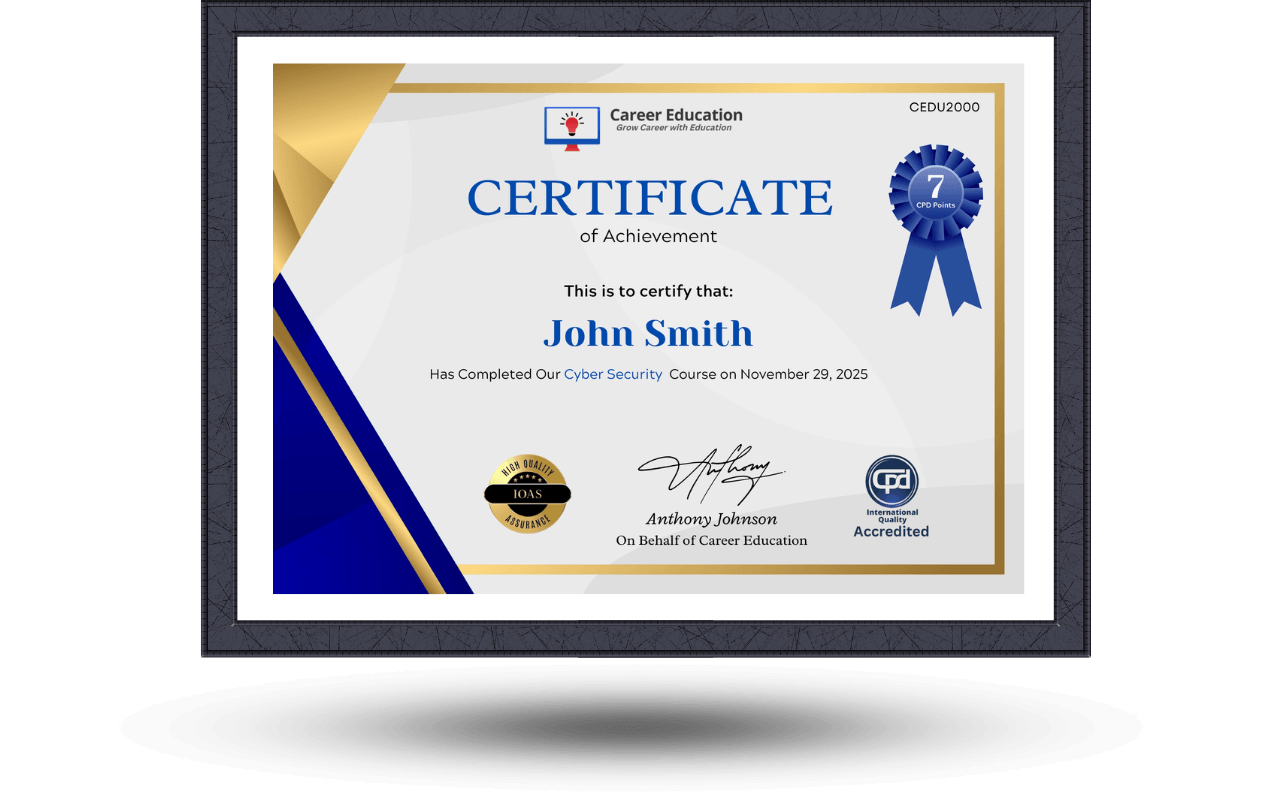
Upon completion of the course, an e-certificate will be downloadable from Khan Education signifying the completion of your course. But, the course is CPD Accredited and after you complete the assignment, you will be eligible to order a certificate accredited by CPD International Quality for £5.99 only. If you want a hardcopy certificate accredited by CPD IQ, you can get it for only £15.99.
Get your CertificateSimilar Courses


