


The benefits of exercise for health extend far beyond changing physical appearance. Regular movement can support the heart, lungs, muscles, bones, brain, sleep, mobility and emotional wellbeing. It can also make everyday activities easier, from climbing stairs and carrying shopping to concentrating at work and remaining independent later in life.
Exercise does not need to involve an expensive gym membership, competitive sport or intense daily workouts. Walking, cycling, gardening, dancing, swimming, active travel and suitably challenging household activities can all contribute to physical health.
The most effective routine is usually one that is realistic, varied and sustainable. A person who enjoys two brisk walks, a dance class and simple strength exercises may gain more long-term benefit than someone who follows an extreme programme for two weeks and then stops.
This guide explains how exercise affects the body, how much physical activity UK guidance recommends, how strength and aerobic training differ, and how movement works alongside healthy eating. It also considers how beginners can become more active safely and what to expect from a health and fitness course UK learners may choose.
What is the difference between exercise and physical activity?
Physical activity means bodily movement that uses energy. It includes organised sport and workouts but also everyday movement such as walking to the shops, cleaning, gardening, playing and using stairs.
Exercise is a planned form of physical activity carried out to improve or maintain an aspect of fitness. A brisk 30-minute walk taken specifically to increase stamina is exercise. Walking between rooms during an ordinary day is physical activity, even when it is not considered a workout.
Fitness describes the ability to perform activities effectively. It can include cardiovascular endurance, muscular strength, balance, flexibility and the ability to complete daily tasks without excessive fatigue.
These distinctions matter because health is not improved only through formal gym sessions. Someone can increase their total movement by changing daily routines, even before beginning a structured exercise programme.
The UK Chief Medical Officers’ guidance reflects this broad approach. Adults are encouraged to be physically active every day, reduce sedentary time and accumulate activity in ways that suit their circumstances. Even lower amounts of movement can provide benefits, particularly for people who are currently inactive.
How exercise affects the body
The human body adapts to the demands placed upon it. When muscles work against resistance, they respond by becoming better able to produce force. When the heart and lungs are challenged regularly, the body becomes more efficient at supplying oxygen during activity.
Exercise also affects metabolism, circulation, coordination and the nervous system. These adaptations build gradually and depend on the type, intensity, frequency and duration of activity.
Not every benefit is immediately visible. A person may improve blood-pressure control, sleep quality or confidence before noticing a major change in appearance or performance.
Exercise should therefore be judged by more than weight, speed or the amount someone can lift. Energy, mobility, daily functioning and consistency are equally valuable measures.
The main benefits of exercise for health
Exercise supports heart and circulatory health
Aerobic activities make the heart beat faster and increase the demand for oxygen. With regular practice, the cardiovascular system becomes better able to deliver blood around the body.
Moderate activity can include brisk walking, cycling, dancing or water aerobics. Vigorous activities include running, fast swimming and higher-effort sports.
Regular physical activity is associated with a reduced risk of coronary heart disease and stroke. The NHS also notes that exercising once or twice a week can provide some protection, although adults should aim to spread activity across the week where practical.
The benefit does not depend on becoming an athlete. For an inactive person, beginning with manageable walking and gradually increasing pace or duration can be meaningful.
It can help reduce the risk of type 2 diabetes
Muscles use glucose for energy during activity. Regular movement can help the body manage blood glucose more effectively and improve the way it responds to insulin.
Physical activity is therefore associated with a lower risk of developing type 2 diabetes. It can also form part of the management plan for people who already have the condition, although medication, food intake and exercise may need to be coordinated with clinical advice.
Someone taking insulin or medicine that can cause low blood glucose should not make major exercise changes without understanding how to manage that risk.
For the general population, combining aerobic movement with strength exercises provides a broader range of benefits than relying on one form alone.
It supports muscles, bones and joints
Strength training requires muscles to work against resistance. That resistance may come from body weight, free weights, machines, bands, carrying objects or movements such as climbing stairs.
Adults are advised to complete activities that strengthen the major muscle groups on at least two days each week. These include the legs, hips, back, abdomen, chest, shoulders and arms.
Strength supports posture, movement and the ability to complete everyday tasks. It becomes particularly important as people grow older because maintaining muscle can help preserve mobility and independence.
Weight-bearing activity can also support bone health. Examples include walking, dancing and some resistance exercises.
People with joint pain sometimes avoid all movement because they fear making the condition worse. The correct activity will depend on the cause and severity of the pain, but suitably chosen exercise can often support strength and function. Medical or physiotherapy advice may be necessary where symptoms are unexplained, severe or persistent.
Exercise can improve balance and daily independence
Balance depends on strength, vision, sensation, coordination and the nervous system. It can decline through inactivity, ageing, illness or injury.
Activities that challenge balance in a controlled way can improve stability. For older adults, strength, balance and flexibility activities are recommended on at least two days each week. They can reduce the likelihood of falls and make everyday movement more secure.
The principle also applies to younger adults. Strengthening the legs and practising coordinated movement can improve control during sport and daily activity.
Balance exercises should be matched to ability. Someone at significant risk of falling may need a stable support, supervised programme or assessment from a suitable healthcare professional.
It supports mental wellbeing
Movement affects both physical and mental health. The NHS associates regular physical activity with a lower risk of depression and reports benefits for mood, self-esteem, sleep quality and energy.
Exercise can provide structure, a break from worries and a sense of progress. Activities performed outdoors or with other people may also offer social contact and connection.
However, exercise should not be described as a guaranteed cure for depression, anxiety or another mental-health condition. Some people need counselling, medication, medical care or other forms of support.
The aim is not to tell someone who is struggling simply to “exercise more”. Instead, physical activity can form one supportive part of a wider approach to wellbeing.
It may improve sleep
Regular activity can support sleep quality and help some people feel more alert during the day. The timing and type of activity may affect individuals differently, so there is no single schedule that suits everyone.
A calm evening walk may help one person relax, while another may find that an intense late-night session makes it harder to settle.
Exercise does not compensate completely for insufficient sleep. Rest is part of recovery, and repeatedly training hard without adequate sleep can affect concentration, performance and motivation.
A balanced routine includes activity, recovery and a consistent sleep pattern rather than treating sleep as time that should be sacrificed for more training.
It supports brain health and concentration
Physical activity increases blood flow and places coordinated demands on the brain and body. The NHS identifies an association between regular activity and a lower risk of dementia, including Alzheimer’s disease.
Movement can also provide a short-term break from prolonged sitting and mentally demanding work. A walk between study or work periods may help a person return feeling more refreshed.
Exercise should not be advertised as a guaranteed method of preventing dementia. Age, genetics, health and several lifestyle factors contribute to risk. Regular physical activity is one positive factor within a broader healthy lifestyle.
Activities involving coordination, learning and social interaction may offer additional engagement. Dancing, team games and exercise classes, for example, challenge more than cardiovascular fitness alone.
It can support weight management without extreme methods
Physical activity increases energy expenditure and can help with maintaining a stable weight. It may also support strength and physical function during weight-management efforts.
Exercise and body weight do not have a simple one-to-one relationship. Appetite, diet, sleep, medication, health conditions, genetics and daily routines all influence weight.
The UK physical-activity guidance notes that more than 150 minutes of activity, together with dietary changes, may be required where weight loss is a specific goal. It also states that the amount needed cannot be predicted precisely for every person.
Exercise should not be used as punishment for eating or as justification for highly restrictive diets. Health can improve through better fitness, strength and blood-pressure control even when changes on the scale are small.
For teenagers and young adults who are still developing, weight-related goals should be handled particularly carefully and should not involve extreme food restriction or excessive exercise.
Exercise may support a longer, healthier life
Regular physical activity is associated with a lower risk of early death and several long-term health conditions.
The more useful goal, however, is not simply adding years. Exercise can help people preserve the capacity to move, work, socialise and perform ordinary tasks throughout those years.
This is sometimes called healthy ageing. Strength, balance and aerobic fitness can help older adults maintain independence and participate in activities they value.
Starting later in life can still be worthwhile. The guidance emphasises that it is never too late to begin and that some movement is better than none.
Types of exercise and the benefits they provide
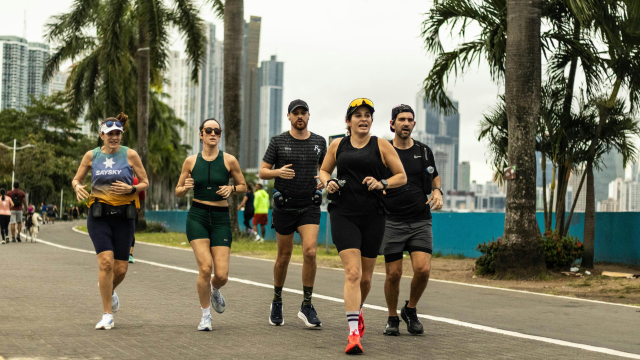
A balanced routine contains several forms of activity because no single type develops every aspect of fitness.
| Type of activity | Examples | Main benefits |
| Aerobic activity | Brisk walking, cycling, swimming, dancing | Supports heart, lungs, stamina and circulation |
| Strength training | Resistance bands, weights, body-weight movements | Supports muscles, bones, posture and daily function |
| Balance activity | Tai chi, supported single-leg work, controlled stepping | Supports stability, coordination and fall prevention |
| Flexibility work | Gentle stretching, mobility exercises, suitable yoga | Maintains or improves comfortable joint movement |
| Everyday movement | Walking journeys, gardening, active play, stairs | Reduces inactivity and adds to total physical activity |
Flexibility training can help maintain movement around joints, but it does not replace aerobic or strength activity. Similarly, strength training provides valuable benefits but should not be the only movement in an otherwise sedentary week.
Variety can also reduce boredom. A person might walk for cardiovascular activity, perform resistance exercises twice a week and attend a dance or mobility session for enjoyment and coordination.
How much exercise should adults do?
The current UK guidance for adults aged 19 to 64 recommends being active every day and completing at least:
- 150 minutes of moderate-intensity activity each week, or
- 75 minutes of vigorous activity, or
- A suitable mixture of moderate, vigorous and very vigorous activity.
Adults should also strengthen the major muscle groups on at least two days each week and reduce long periods of sitting.
Activity does not need to occur in 30-minute sessions. Short periods can be accumulated across the day and week.
A beginner might start with ten minutes of walking and gradually add time. The final target is useful, but moving from no activity to a smaller sustainable amount is already progress.
What counts as moderate intensity?
Moderate activity raises the heart rate and makes a person breathe faster and feel warmer.
The NHS uses the talk test: at moderate intensity, a person should generally be able to talk but not sing. Examples include brisk walking, cycling at a comfortable pace, dancing and water aerobics.
The same activity may feel different to two people. A gentle hill may be moderate for one person and vigorous for another, depending on fitness, mobility and health.
What counts as vigorous intensity?
Vigorous activity causes harder, faster breathing. A person usually cannot say more than a few words without pausing.
Running, fast swimming and high-effort cycling may be vigorous. Many moderate activities become vigorous when speed or effort increases.
Beginners do not need to begin with vigorous exercise. Moderate movement provides substantial benefits and may be easier to maintain.
Physical activity for different ages and circumstances
Children and young people
Children and young people aged 5 to 18 should aim for an average of at least 60 minutes of moderate-to-vigorous activity per day across the week.
The activity should be varied and help develop movement skills, muscles and bones. Long periods of inactivity should also be broken up.
For young people, activity should not be focused entirely on weight, appearance or intense training. Play, active travel, sport, dancing, cycling and enjoyable movement can all contribute.
Older adults
Adults aged 65 and over should aim to be active daily and work gradually towards 150 minutes of moderate aerobic activity each week.
Strength, balance and flexibility should be included at least twice a week. People already accustomed to vigorous exercise may use a mixture of moderate and vigorous activities.
The correct starting point depends on current function and health. Even light movement can benefit someone who is largely inactive.
Disabled adults
The updated government guidance for disabled adults states that physical activity can improve quality of life, mobility, balance, independence, fitness and social connection.
It recommends making activity a daily habit, including strength and balance work twice a week and aiming, where appropriate, for 150 minutes of moderate activity. The activity should be adapted to the person rather than expecting every individual to perform the same movement.
Disability does not mean exercise is unsuitable. It means that accessibility, equipment, communication and individual circumstances must be considered properly.
Pregnancy and after childbirth
Many pregnant women can remain active, but the suitable form and intensity depend on previous activity, pregnancy and clinical advice.
NHS adult guidance advises that activity choices during pregnancy and after birth should reflect previous fitness. After the postnatal check, intensity may be increased gradually where appropriate.
Anyone with pregnancy complications, pain, bleeding, dizziness or specific clinical concerns should seek advice from their maternity team.
Exercise and healthy eating
Healthy eating and physical activity support health through different mechanisms.
Exercise challenges and strengthens the body. Food supplies the energy and nutrients needed for normal function, activity and recovery.
The NHS recommends a varied diet built around the Eatwell Guide. This generally means eating plenty of fruit and vegetables, choosing higher-fibre starchy foods, including suitable protein sources and consuming dairy or alternatives. Unsaturated oils should be used in small amounts, while foods high in fat, salt and sugar should be eaten less often and in smaller quantities.
The balance does not need to be perfect at every meal. The overall pattern across a day or week is more important.
People do not usually need expensive powders, detox products or specialised “fitness foods” to begin exercising. A balanced diet and adequate fluids will meet the needs of many recreationally active people.
Competitive athletes, people undertaking very high training volumes and individuals with medical conditions may require specialist advice.
Exercise should not be used to earn food, and food should not be labelled morally as a reward or failure. A healthy relationship with activity and eating is more sustainable than cycles of restriction and overexercise.
How to begin exercising safely
A beginner should choose activity suited to their current fitness rather than copying an experienced athlete’s programme.
Start with a manageable amount and increase one element at a time. That might mean adding several minutes to a walk, introducing a second strength session or gradually increasing resistance.
A basic week could include walking on several days and two short full-body strength sessions. Rest or lighter days allow the body to adapt.
Comfortable clothing, suitable footwear and access to drinking water may improve the experience, but expensive equipment is not essential.
The NHS advises speaking to a GP before starting where someone has not exercised for a long time or has medical conditions or concerns. Activity and intensity should be appropriate for the individual.
Stop and seek appropriate help if exercise produces severe chest pain, fainting, severe breathing difficulty or another alarming symptom. Persistent pain should not simply be trained through.
Temporary muscle stiffness can occur after unfamiliar exercise. Sharp, severe or worsening pain is different and may indicate that the activity or technique needs review.
How to make physical activity sustainable
Consistency is easier when activity fits ordinary life.
Walking part of a journey, taking stairs where suitable and arranging active social plans can increase movement without requiring a separate workout every day.
Enjoyment also matters. Running is not compulsory. Swimming, dancing, gardening, cycling, exercise classes and team activities can all develop fitness.
Goals should be based on actions that can be controlled. “Walk for 20 minutes three times this week” is more useful than “become fit quickly”.
Tracking can help some people, but devices are optional. A simple calendar or written note can show progress without turning every movement into a competition.
Missed sessions should be treated as normal disruptions rather than complete failure. The useful response is to return to the routine when possible, not to compensate with an excessive workout.
What does a health and fitness course cover?

A health and fitness course UK provider offers may range from a short awareness course to a regulated occupational qualification.
A general beginner course may cover exercise principles, body systems, healthy lifestyles, goal setting and basic programme design. This can be useful for personal knowledge but may not qualify the learner to work professionally.
Courses intended for fitness employment should include anatomy and physiology, safe exercise technique, client screening, communication, programme planning and professional boundaries.
In England, the Personal Trainer apprenticeship is a Level 3 occupational route and typically involves 15 to 18 months of training. Its published entry information recommends previous active experience in the fitness sector and a Level 2 fitness-instructing qualification.
Before enrolling, check the exact qualification, awarding organisation, assessment and practical requirements. A provider attendance certificate is not necessarily the same as a regulated qualification.
A fitness instructor or personal trainer should also understand limits. Fitness training does not qualify someone to diagnose injury, provide physiotherapy, manage disease or create clinical nutrition plans unless they hold the relevant additional professional qualifications.
Common exercise myths
Exercise only counts when it is intense
Moderate and even light movement can be useful, especially when it replaces prolonged inactivity. Beginners do not need to feel exhausted for activity to count.
Cardio is the only exercise needed for health
Aerobic activity is important, but strength work supports muscles, bones and daily function. Balance and flexibility also have valuable roles.
Strength training is only for bodybuilders
Resistance training is relevant to adults of different ages and abilities. It can use body weight, bands, household objects or gym equipment.
Exercise cancels out an unhealthy diet
Exercise and nutrition provide different benefits. A workout does not erase the wider effects of a consistently unbalanced diet.
Pain always means the exercise is working
Severe or sharp pain is not a measure of an effective session. Training should challenge the body without ignoring warning signs.
Results should appear quickly
Health adaptations take time. Improved energy, confidence or mobility may appear before visible changes, and progress is rarely identical from week to week.
Frequently asked questions
What are the main benefits of exercise for health?
Exercise supports cardiovascular health, strength, bone health, balance, sleep, mood and daily functioning. It is also associated with reduced risks of several long-term conditions and early death.
Is walking enough exercise?
Brisk walking can contribute significantly to the recommended moderate-intensity activity. A complete routine should also include muscle-strengthening activities on at least two days each week.
How many minutes of exercise should adults complete?
UK guidance recommends at least 150 minutes of moderate activity or 75 minutes of vigorous activity per week, together with strength work twice weekly.
Do short exercise sessions count?
Yes. Activity can be accumulated in sessions of different lengths. A ten-minute brisk walk can contribute towards the weekly total.
Is exercise good for mental health?
Physical activity can support mood, self-esteem, sleep and energy and is associated with a lower risk of depression. It should complement rather than replace necessary professional mental-health treatment.
Should I exercise every day?
Adults are encouraged to include some physical activity every day. This does not mean every day must contain a demanding workout. Walking, mobility work and ordinary active tasks can count.
Can I exercise with a health condition?
Many people with health conditions can exercise and may benefit from doing so, but the activity may need adaptation. Seek advice from a GP, physiotherapist or another relevant professional where necessary.
Does exercise help with weight management?
It can increase energy use and support weight maintenance, strength and fitness. Weight is also influenced by diet, sleep, medication, health and other factors, so exercise should not be treated as the only solution.
Do I need fitness equipment?
No. Walking, stair climbing and body-weight movements require little or no equipment. Equipment can add variety but is not essential for beginning.
Is a fitness course enough to become a personal trainer?
Only when the course leads to an appropriate occupational qualification and includes suitable practical assessment. A short general-interest certificate does not establish professional competence.
Conclusion
The benefits of exercise for health include stronger muscles and bones, better cardiovascular fitness, improved balance, greater daily independence and support for sleep and mental wellbeing.
UK guidance encourages adults to be physically active every day, accumulate at least 150 minutes of moderate activity or 75 minutes of vigorous activity each week and complete strength work on two days. Long periods of sitting should also be broken up.
The routine does not need to be extreme. Walking, cycling, dancing, gardening, swimming and resistance exercises can all contribute. The best approach is one that reflects the person’s health, ability, interests and available time.
Exercise and health are also influenced by rest, social circumstances and healthy eating. Physical activity cannot replace a balanced diet or required medical treatment, but it can form a powerful part of a sustainable healthy lifestyle.
Beginners should start gradually, focus on consistency and seek professional guidance where medical conditions or concerning symptoms are present. Used sensibly, physical activity can support not only fitness training goals but the ability to live, work and move with greater confidence throughout life.