


Cyber security operations is the day-to-day work of monitoring digital systems, detecting threats, investigating suspicious activity and responding to security incidents. It brings together people, processes and technology to protect an organisation while its networks, devices, cloud services and applications are actively being used.
Preventive security controls remain essential, but no organisation can assume that every phishing message, stolen password, malicious file or software vulnerability will be stopped. Cyber security operations provides the continuous defensive capability needed when preventive measures fail, when attackers adapt or when an employee makes a mistake.
The function is often associated with a Security Operations Center, or SOC. However, cyber security operations is broader than a physical room or one team. It includes threat monitoring, alert triage, detection engineering, incident response, threat hunting, intelligence analysis and continuous improvement. These activities may be performed internally, by a managed provider or through a combination of both.
Effective security operations helps an organisation detect attacks earlier, contain them faster and learn from each incident. It also gives leaders a clearer understanding of operational cyber risk. This guide explains how cyber security operations works, who performs it, which tools support it and why it has become a central part of modern cyber defence.
What Does Cyber Security Operations Mean?
Cyber security operations, often shortened to SecOps, refers to the practical activities used to maintain and restore security while an organisation faces active cyber threats.
It is not limited to installing antivirus software or configuring a firewall. Those measures contribute to prevention, but security operations focuses on what happens after systems begin generating events, users sign in and attackers attempt to bypass the controls.
The team watches for suspicious behaviour, investigates warnings and coordinates action. It may disable a compromised account, isolate an infected laptop, block malicious infrastructure or search historical logs for signs that an attacker has been present for several weeks.
Cyber security operations also includes preparation. Analysts need suitable data, tested response plans, escalation contacts and authority to act. Without these foundations, a team may detect a serious threat but be unable to contain it quickly.
Why Cyber Security Operations Matters
Modern organisations depend on interconnected technology. Employees use cloud platforms, mobile devices, remote access, email, third-party applications and shared data. Every connection supports work, but it can also produce an opportunity for abuse.
Attackers do not need every security control to fail. They need one usable route, such as a convincing phishing email, an unpatched service or a reused password. Once inside, they may try to steal credentials, access sensitive information, move between systems or interrupt operations.
Security operations reduces the period during which that activity remains unnoticed. Early detection can mean the difference between one compromised account and a widespread ransomware incident.
It also creates accountability. Important alerts are reviewed by people who understand the organisation’s environment and know when to escalate. Without an operational function, warnings may remain inside separate tools while each technical team assumes someone else is handling them.
Cyber Security Operations vs Cyber Security
Cyber security is the wider discipline of protecting systems, services and information from digital threats. It includes governance, risk management, secure design, awareness, identity protection, vulnerability management and recovery planning.
Cyber security operations is the active, ongoing part of that wider discipline. It concentrates on monitoring, detecting, investigating, responding and learning.
A secure software-development programme may reduce vulnerabilities before an application is released. Security operations monitors the live application for exploitation attempts and investigates unusual activity. Identity controls may require multi-factor authentication, while security operations detects suspicious sign-ins and compromised sessions.
The relationship is similar to prevention and emergency response in other fields. Strong preventive measures reduce the number of incidents, but an organisation still needs the capability to recognise and manage the incidents that occur.
Cyber Security Operations and the SOC
A Security Operations Center is a centralised capability responsible for many SecOps activities. The SOC may be a physical facility, a distributed team or an outsourced service.
Its core responsibilities generally include collecting security data, monitoring threats, triaging alerts, investigating suspicious events and supporting incident response. Mature SOCs may also conduct threat hunting, detection engineering and intelligence analysis.
Not every organisation needs a large internal SOC operating continuously. A small business might use a managed detection and response provider, while a larger enterprise may combine an internal team with external overnight coverage.
The important issue is not the appearance of the SOC. It is whether the organisation can identify important threats and respond within a timeframe that matches the potential impact.
The Main Functions of Cyber Security Operations
Cyber security operations includes several connected activities. Each supports a different stage of detection and response.
Security Monitoring
Security monitoring is the continuous or scheduled review of events from systems, accounts and security tools.
A monitoring capability may collect information from endpoints, firewalls, identity platforms, email, cloud services, web applications and databases. Analysts and automated rules look for signs such as malware execution, unusual login behaviour, privilege changes and unexpected data transfers.
Monitoring should be designed around realistic threat scenarios. Collecting every available log can be expensive and may produce more noise than value. The organisation needs data that helps it detect, investigate or prove important forms of attack.
Alert Triage
Security products generate alerts when activity matches a rule or risk pattern. These alerts vary greatly in quality and importance.
Triage is the initial process of deciding whether an alert is likely to represent a real threat. The analyst reviews the affected user, device, location, time, surrounding activity and business importance.
A failed login by itself may be harmless. The same event becomes more serious when followed by a successful sign-in from a new country, a change to authentication settings and a large data download.
Good triage prioritises the alerts that could cause the greatest harm. It prevents analysts from spending equal time on every warning and helps serious events receive prompt attention.
Threat Detection
Threat detection is the identification of malicious or suspicious behaviour within the environment.
Some detections use known indicators, such as a malicious file hash, domain or IP address. Others focus on behaviour. An account may create unusual administrator privileges, or a process may attempt to change many files rapidly.
Behavioural detection is important because attackers can replace files and infrastructure quickly. Their underlying objectives and methods may remain more consistent.
Detection engineering is the practice of designing, testing and improving these rules. Effective detections should identify meaningful attacks while avoiding excessive false positives.
Investigation
Investigation begins when an alert requires deeper analysis.
Security analysts gather evidence from endpoints, identities, networks, email and cloud services. They build a timeline and ask what happened before, during and after the suspicious event.
The investigation may determine whether a file executed, whether a password was stolen, which systems were contacted and whether the attacker established persistence. Analysts also examine whether similar activity occurred elsewhere.
The outcome might be a false positive, a policy violation or a confirmed incident. Clear documentation is important because other responders may need to understand the evidence and decisions quickly.
Incident Response
Incident response is the organised handling of confirmed or suspected cyber incidents.
The immediate priority is often containment. The team may isolate devices, disable accounts, block malicious destinations or restrict a vulnerable service. It then works to remove the attacker’s access, correct the underlying weakness and restore trusted operations.
Incident response is not purely technical. Serious incidents may require legal, privacy, communications, human resources, insurance and senior-management involvement.
Security operations usually coordinates the technical evidence and actions. A prepared organisation has response plans, secure communication channels, decision-makers and external contacts in place before a crisis occurs.
Threat Hunting
Threat hunting is the proactive search for malicious activity that existing alerts may have missed.
A hunter begins with a hypothesis. For example, threat intelligence may indicate that attackers targeting the organisation’s sector are abusing a particular remote-access method. The hunter searches relevant logs for evidence of that behaviour.
Threat hunting can discover hidden incidents, but it also reveals monitoring gaps. A search may show that essential logs are missing or that a detection rule does not cover an important technique.
Hunting normally requires good data and experienced analysts. It should strengthen ordinary monitoring rather than compensate for an unreliable alerting system.
Threat Intelligence
Threat intelligence provides contextual knowledge about attackers, campaigns, malware, vulnerabilities and malicious infrastructure.
Security operations uses it to understand whether an alert is connected with a known threat and what the attacker may do next. Intelligence can also support detection engineering and threat hunting.
However, more intelligence is not automatically better. Large feeds of low-quality or expired indicators can create noise and unnecessary blocking. Useful intelligence should be timely, relevant and connected to an operational decision.
Vulnerability and Exposure Support
Vulnerability management and security operations are separate functions in many organisations, but they need to work closely together.
Security operations may observe active exploitation attempts, while vulnerability teams know which products and versions are present. Together, they can prioritise weaknesses based on severity, exposure, asset value and real attacker activity.
An urgent vulnerability alert is most useful when the organisation can determine whether it uses the affected product, whether the system is internet-facing and whether suspicious activity has already occurred.
How Cyber Security Operations Works
A typical SecOps workflow begins with data collection. Events from identities, devices, applications and networks are sent to monitoring tools.
Rules, analytics or security products identify activity that may be suspicious. The alert is enriched with contextual information such as asset importance, user role and threat intelligence.
An analyst reviews the alert and decides whether it requires investigation. If the evidence indicates a possible incident, the team develops a timeline, assesses scope and chooses appropriate containment measures.
After the threat is removed and systems are restored, the findings should improve future security. The organisation may update a detection, change an access policy, patch a vulnerable service or revise employee training.
This creates a continuous cycle: monitor, detect, investigate, respond, recover and improve.
Security Data and Log Sources
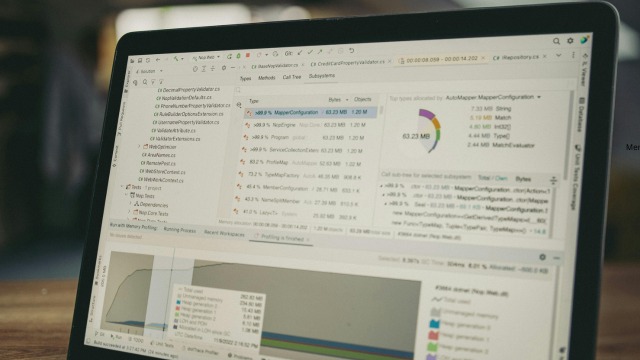
Cyber security operations depends on visibility. Analysts cannot investigate activity that was never recorded or made available.
Endpoint data may show running processes, files, software installations and device changes. Identity logs record sign-ins, failed authentication, account creation and privilege changes.
Network sources can show connections, firewall decisions, domain queries and data movement. Email platforms provide sender, attachment, link and mailbox information.
Cloud logs may record resource creation, administrator actions, storage access and configuration changes. Application logs can show user activity, transactions and errors.
The organisation should decide which sources matter by examining its architecture and threat model. Important logs need accurate timestamps, secure storage, suitable retention and access controls.
Logs themselves can contain sensitive information. Security teams must protect them against unauthorised access and unnecessary collection.
The Role of Security Analysts
Security analysts are central to cyber security operations. They interpret alerts, gather evidence and decide when action is necessary.
A SOC analyst may begin by reviewing an endpoint warning or suspicious login. The analyst checks surrounding activity, compares it with expected behaviour and determines whether the event should be closed or escalated.
More experienced analysts may conduct deeper investigations, create detection queries, lead incident response or hunt for advanced threats. Some teams use Tier 1, Tier 2 and Tier 3 structures, while others organise analysts around skills and services.
Technical ability is important, but analysts also need judgement and communication. Evidence is often incomplete, and the analyst must explain risk clearly to IT teams, managers and other stakeholders.
Curiosity is another valuable quality. A strong analyst does not stop at the first malicious file. They ask how it arrived, what it changed and whether the same attacker reached other systems.
Other Roles in Security Operations
An effective SecOps capability may include several specialist roles.
Detection engineers create and maintain rules for identifying suspicious behaviour. Threat hunters conduct proactive searches, while incident responders manage containment and recovery during confirmed attacks.
Threat intelligence analysts assess external information and connect it with the organisation’s risk. Security engineers maintain log pipelines, SIEM integrations, endpoint tools and automation.
A SOC manager coordinates people, performance and stakeholder relationships. The manager should ensure that analysts have manageable workloads, clear escalation paths and authority to perform their duties.
Smaller organisations may combine several responsibilities within one role or obtain specialist support from a managed provider.
Essential Cyber Security Operations Tools
Security operations usually depends on several integrated tools rather than one complete product.
SIEM
A Security Information and Event Management platform collects and analyses logs from multiple systems. It allows analysts to search events, create detections and correlate related activity.
A SIEM is not a SOC by itself. It provides technology, while the SOC provides people, processes, investigation and response.
EDR and XDR
Endpoint Detection and Response monitors activity on computers and servers. It helps analysts investigate processes, files and user actions and may allow remote device isolation.
Extended Detection and Response attempts to connect endpoint data with signals from identity, email, cloud and other sources. This can reduce fragmentation and present related activity as one incident.
SOAR
Security Orchestration, Automation and Response tools automate repeatable workflows. They may enrich an alert, create a case, gather evidence or perform an approved containment action.
Automation should be controlled carefully. Incorrect automatic responses can disable legitimate accounts or interrupt services.
Threat Intelligence Platforms
A threat intelligence platform collects and organises information about malicious infrastructure, campaigns and attacker behaviour. It can provide useful context during alert investigation and threat hunting.
Case Management and Communication
Security cases need clear ownership, evidence, status and decision records. Case-management systems help teams coordinate work and preserve an investigation history.
Secure communication tools are equally important, especially if ordinary email or collaboration systems may be compromised during an incident.
Cyber Security Operations vs IT Operations
IT operations focuses mainly on system availability, performance, support and maintenance. Cyber security operations focuses on malicious activity and security risk.
The teams often examine the same systems but from different perspectives. IT may see a slow server as a performance problem, while SecOps may ask whether the slowdown is connected with cryptomining malware or data theft.
Close collaboration is essential. Security teams may need IT administrators to isolate systems, apply patches or restore services. IT teams need security context before making changes during an active incident.
Organisations should define responsibilities in advance so that urgent actions are not delayed by uncertainty.
Cyber Security Operations vs Incident Response
Incident response is an important part of cyber security operations, but it is not the whole function.
SecOps monitors continuously, improves detections, hunts for threats and investigates suspicious activity. Incident response concentrates on events that require organised containment, eradication and recovery.
Some organisations maintain a separate Computer Security Incident Response Team. Others include response specialists within the SOC.
The structure matters less than clear coordination. Everyone should know when an alert becomes an incident, who leads the response and who can approve disruptive actions.
In-House, Outsourced and Hybrid SecOps
An in-house security operations team provides direct knowledge of internal systems, culture and business priorities. It also requires investment in staff, technology, shift coverage and training.
Outsourced monitoring can provide specialist capability and wider operating hours. Managed detection and response providers may investigate alerts and recommend or perform containment.
A hybrid model combines the two. The provider may perform continuous monitoring and initial triage, while the internal team handles business-sensitive investigation and response.
The best model depends on risk, resources and the complexity of the environment. Contracts should define data access, alert handling, escalation times and authority clearly.
Does Cyber Security Operations Need to Be 24/7?
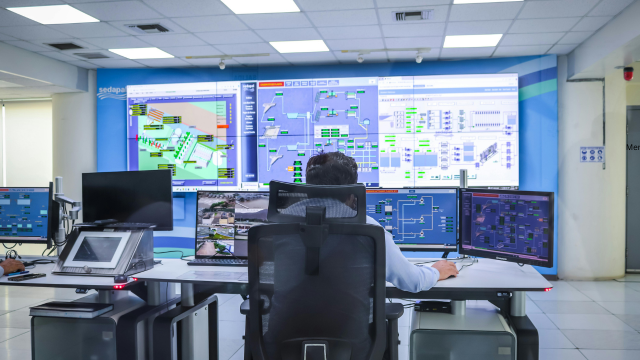
Not every organisation needs a large internal team working around the clock. However, attackers do not restrict themselves to business hours.
The required coverage depends on how quickly an incident could cause serious harm. Organisations delivering continuous digital services or operating critical systems may need immediate response at any time.
Smaller businesses may use an external provider for overnight monitoring and maintain an internal emergency contact. The key question is whether alerts will be reviewed and acted upon within an acceptable period.
A service described as 24/7 should be examined carefully. The organisation should know whether analysts merely notify customers or can conduct investigation and containment.
Benefits of Effective Security Operations
The most important benefit is faster detection and containment. Early response can prevent an attacker from reaching more systems or stealing more information.
Cyber security operations also improves visibility. It brings together events that would otherwise remain separated across identity, endpoint, cloud and network tools.
A mature function creates organisational learning. Incidents, hunts and false positives reveal which controls work and where gaps remain.
It also supports risk management by giving leaders evidence about real attack activity, recurring weaknesses and response capability.
Finally, it provides a coordinated response during stressful events. Teams work from prepared processes instead of inventing decisions while systems are already under attack.
Common Challenges in Cyber Security Operations
Alert fatigue is one of the most common problems. Too many low-quality alerts can overwhelm analysts and hide genuine attacks.
Poor data creates another challenge. Missing identity, endpoint or cloud logs can make it impossible to determine what occurred. Excessive data can also increase cost without improving investigations.
Skills shortages, shift work and repetitive tasks contribute to burnout. Organisations should design manageable workloads, provide development opportunities and automate suitable routine tasks.
Fragmented tools force analysts to move between several consoles and repeat the same research. Integration and a clear workflow can reduce this friction.
A further problem is insufficient response authority. Detecting an attacker has limited value when the team cannot disable an account or isolate a device quickly.
Measuring Cyber Security Operations
Performance should be measured by security outcomes rather than the number of alerts closed.
Common measures include the time taken to detect, acknowledge, investigate, contain and recover from an incident. These can reveal delays, but speed should not be rewarded at the expense of careful analysis.
Other useful measures include detection coverage for important attack scenarios, recurring false positives and the proportion of incidents detected internally.
Teams should also measure improvement. Did an incident lead to a better control or detection? Has the same weakness caused repeated events? Are high-risk systems producing the logs needed for investigation?
Metrics should help the organisation reduce risk, not encourage analysts to close cases prematurely.
Building an Effective Cyber Security Operations Capability
The process should begin with business services, critical assets and realistic threats. Technology selection comes later.
The organisation should define which systems need monitoring, which incidents require immediate action and how quickly teams must respond. A target operating model can then describe staffing, working hours, services, escalation and authority.
Log sources should be selected according to detection and investigation needs. The team should create a manageable set of high-value use cases and test them through exercises.
Incident plans need named contacts, secure communications and decision-making arrangements. Analysts should practise through simulations rather than waiting for a real crisis.
The capability can then expand gradually. Attempting to collect every log and automate every response at once commonly creates noise, cost and operational confusion.
Cyber Security Operations for Small Businesses
A small business may not need a dedicated SOC, but it still needs a way to detect and respond to incidents.
Managed security services can provide monitoring and specialist analysis. The business should understand what is included, how quickly alerts are reviewed and which actions the provider can take.
Priority should be given to high-value areas such as email, identity, administrator accounts, endpoints, backups and internet-facing services.
The business also needs internal contacts who can make decisions. An external provider cannot determine every operational consequence of isolating a server or suspending an employee account.
A focused, well-managed capability is more valuable than an expensive platform that no one has the time or expertise to operate.
Automation and AI in Security Operations
Automation can gather evidence, enrich indicators, create cases and perform approved repetitive steps. This reduces manual work and allows analysts to focus on investigation.
Artificial intelligence may assist with summarising incidents, suggesting queries and identifying relationships across large datasets. It can help analysts navigate complex environments more quickly.
However, automated conclusions can be wrong, and high-impact actions require governance. A mistaken response may disable a legitimate account or interrupt an essential service.
Analysts should be able to review the evidence and reasoning behind recommendations. Automation should be traceable, reversible and appropriate to the confidence of the detection.
The purpose is not to remove human judgement. It is to use technology where it improves speed and consistency without weakening accountability.
Frequently Asked Questions
What is cyber security operations?
Cyber security operations is the ongoing work of monitoring systems, detecting threats, investigating suspicious activity and responding to cyber incidents.
Is cyber security operations the same as a SOC?
Not exactly. A SOC is a central team or service that performs many security operations activities. SecOps is the broader discipline and can exist without a physical SOC.
What does a security analyst do?
A security analyst reviews alerts, gathers evidence, investigates possible threats, assesses severity and supports incident response.
What is threat monitoring?
Threat monitoring is the collection and analysis of security events for signs of malware, account compromise, unauthorised access and other cyber threats.
What is threat detection?
Threat detection is the identification of malicious or suspicious behaviour through security rules, indicators, analytics and human investigation.
What tools are used in cyber security operations?
Common tools include SIEM, EDR, XDR, SOAR, threat intelligence platforms, vulnerability scanners and case-management systems.
What is the difference between SecOps and incident response?
SecOps includes monitoring, detection, investigation, hunting and continuous improvement. Incident response focuses on containing and recovering from specific cyber incidents.
Does every organisation need a 24/7 SOC?
No. Coverage should match business risk. Some organisations use a managed provider or hybrid model to obtain suitable monitoring outside working hours.
Can cyber security operations prevent every attack?
No. Its purpose is to detect and limit attacks that bypass preventive controls while helping the organisation improve future protection.
Why is cyber security operations important?
It reduces the time attackers remain undetected, limits incident damage and gives the organisation a coordinated way to respond and recover.
Conclusion
Cyber security operations is the active defensive capability that protects an organisation while its systems are running and attackers are attempting to compromise them.
It combines threat monitoring, alert triage, detection, investigation, threat hunting and incident response. A SOC may coordinate these activities, but effective SecOps depends on more than a room or technology platform.
Skilled security analysts need relevant data, reliable detections, tested processes and authority to act. SIEM, EDR, XDR and automation tools support the work, but they cannot replace organisational knowledge and human judgement.
Cyber security operations matters because preventive controls are never perfect. When a phishing message succeeds, a password is stolen or a vulnerability is exploited, the organisation must recognise the activity quickly and contain it.
A mature SecOps function also creates long-term improvement. Every alert, incident and threat hunt can reveal a control gap and strengthen future cyber defence.
Whether delivered internally, externally or through a hybrid model, the goal remains the same: detect meaningful threats earlier, respond with confidence and reduce the operational impact of cyber attacks.