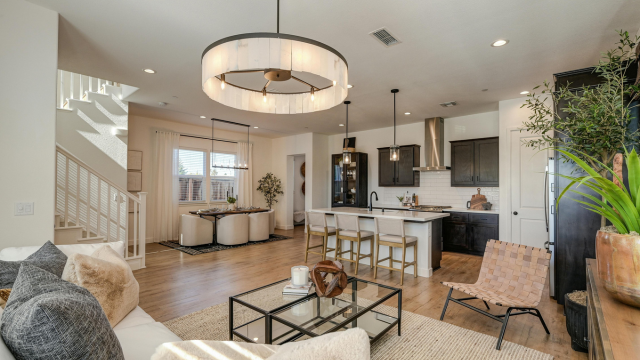

Interior design is often mistaken for choosing colours, furniture and decorative accessories. Those things matter, but professional interior design goes much further. Designers need to understand how people use space, how layouts affect movement, how materials perform, what a client can afford and whether a proposed interior can actually be delivered safely.
For anyone asking How to Become an Interior Designer, the profession combines creativity with technical knowledge, communication and project management.
There is also no single compulsory UK route. Some designers complete degrees or HNDs. Others begin in assistant roles, study through college or develop through practical experience. England now has an approved Level 6 Interior Designer apprenticeship standard, although starts are currently paused while the assessment infrastructure is put in place.
The strongest preparation normally combines learning the interior design principles, developing practical software and presentation abilities, building a portfolio and gaining experience of real projects.
Whether your interest begins with home interior design or develops into commercial, hospitality or workplace projects, the aim is the same: create spaces that are attractive, functional and appropriate for the people using them.
What Does an Interior Designer Do?
An interior designer plans and develops internal spaces, rooms and environments.
This can include homes, offices, restaurants, hotels, shops, healthcare settings and other buildings.
The job begins with understanding what the space needs to achieve. A family redesigning a home may need more storage and better use of natural light. A restaurant needs enough seating to remain commercially viable without creating uncomfortable circulation. An office may need quiet areas, collaborative zones, accessible facilities and a layout that supports the organisation’s way of working.
The designer turns these needs and requirements into a coherent, practical proposal.
According to current National Careers Service guidance, professional tasks can include preparing 2D and 3D designs, advising clients on materials and furniture, developing cost estimates, finding suppliers, preparing instructions for contractors and sometimes managing projects through to completion.
So interior design sits between creativity, planning and practical delivery.
Interior Design vs Interior Decorating
These terms are often used interchangeably, but they are not exactly the same.
Interior decorating tends to concentrate more heavily on the visual appearance and decorative treatment of an existing space. This can include:
- colour schemes;
- furniture;
- curtains;
- decorative lighting;
- artwork; and
- accessories.
Interior design can include all of these areas, but it generally considers the space more fundamentally. An interior designer may analyse circulation, zoning, lighting plans, built-in joinery, materials, ergonomics and the relationship between the proposed interior and the building.
This does not mean every interior designer carries out structural design. Structural changes and regulated architectural work may require suitably qualified professionals.
A good designer recognises the boundary between their own competence and work that needs an architect, structural engineer, building-control professional or other specialist.
Interior Designer vs Interior Architect
Another distinction appears between interior design and interior architecture.
Interior architecture generally places greater emphasis on the relationship between the interior and the physical building fabric. It can involve spatial alteration, architectural detailing and technical coordination.
Interior designers may also work on major spatial changes, particularly at experienced professional level, so the boundary is not absolute.
The important legal distinction in the UK is that architect is a protected professional title, while the general title interior designer is not.
Anyone can potentially describe themselves as an interior designer skills. This makes portfolios, education, experience and professional recognition particularly useful indicators when clients and employers assess capability.
How to Become an Interior Designer UK
People searching how to become an interior designer UK will find several possible entry routes.
There is no universal degree requirement for using the general job title. However, employers offering professional design roles may strongly prefer applicants who can demonstrate relevant education, software skills and a strong portfolio.
University Route
The National Careers Service lists subjects such as:
- interior design;
- interior architecture;
- spatial design; and
- art and design.
A foundation degree or HND may normally ask for one or two A levels or equivalent. A degree commonly requires two or three A levels or equivalent, although individual institutions set their own admission requirements.
Creative programmes may also request a portfolio.
A strong degree should provide more than attractive presentation work. Look for spatial planning, technical drawing, materials, design research, construction awareness, professional practice and opportunities for live or industry projects.
College Route
College study can provide another entry point.
Interior-design, art-and-design and relevant craft programmes may help learners build creative skills before applying for assistant work or progressing to higher education.
This route can suit someone who wants structured creative development before committing to a degree.
Work-Based Route
Some people begin as interior-design assistants.
Working inside a studio provides exposure to real specifications, client meetings, drawings, sourcing and project administration.
With further learning and experience, an assistant can take on increasingly complex design responsibilities.
This route can be particularly valuable because professional design involves practical limitations and constraints that are difficult to reproduce completely in classroom projects.
The New Interior Designer Apprenticeship in England
An important change occurred in 2026.
Skills England approved a Level 6 Interior Designer apprenticeship in May. It describes an interior designer as someone who plans internal layouts across residential, commercial and public buildings to create functional and aesthetically appropriate spaces.
The typical programme duration is 36 months.
This creates a degree-equivalent occupational pathway combining workplace development with structured assessment.
However, learners need to check the current status carefully. As of September 2026, starts are paused while a suitable assessment organisation is put in place.
So the apprenticeship exists as an approved standard, but that does not mean vacancies are currently available everywhere. It is a useful route to watch rather than one to assume can be started immediately.
Essential Interior Design Principles
Before learning complicated software, understand the interior designer skills principles that make spaces work.
Software helps you present and communicate design decisions. It does not make those decisions good.
Balance
Balance concerns the visual distribution of objects, forms and colour.
A room can feel uncomfortable when everything visually heavy is concentrated on one side.
Balance does not always mean perfect symmetry. Asymmetrical arrangements can feel equally stable when visual weight is handled deliberately.
Scale and Proportion
Furniture and architectural elements need to relate appropriately to one another and to the room.
A huge sofa may look attractive in isolation but overwhelm a small living room. Likewise, tiny furniture scattered across a very large room can make the space feel unresolved.
Professional designers learn to judge dimensions before choosing individual products.
Rhythm
Rhythm creates visual movement through repetition and variation.
Colours, shapes, materials or lines can recur across a space without every element becoming identical.
This helps an interior designer skills feel connected and coordinated.
Emphasis
Many successful interiors have a focal point.
That could be a fireplace, artwork, feature wall, lighting installation or architectural view.
The surrounding design can support that focus rather than competing equally for attention.
Harmony
Harmony is the sense that different elements belong together.
It does not require everything to match. Contrast can create interest.
The challenge is making materials, colours, shapes and furniture feel intentional rather than accidental.
Space Planning: The Foundation of Good Interior Design
A beautifully decorated room can still fail if people cannot use it properly.
Space planning deals with how activities fit into the available area.
Imagine designing a dining room. It is not enough to fit the table into the floor plan. People need room to move chairs. Servers may need circulation space. Doors need to open. Other furniture should remain accessible.
In home interior designer skills, similar questions arise around kitchens, bedrooms and living areas.
Where does somebody walk after entering the room? Can cupboards open fully? Is storage positioned where it is actually useful? Can people move naturally between connected areas?
Good designers solve these practical questions before concentrating on decorative detail.
Colour Theory
Colour affects the mood and visual character of a space.
Warm colours can create different impressions from cooler palettes. Light colours may alter the perception of space, while darker tones can create drama or intimacy when used deliberately.
But there are few universal rules.
The same colour behaves differently according to lighting, surrounding materials and scale.
A small paint sample may appear very different once applied across an entire wall. Professional designers therefore test rather than simply rely on screen representations.
Colour also needs to be considered alongside accessibility and contrast. In commercial environments especially, visual communication and navigation may depend partly on people being able to distinguish important elements clearly.
Lighting Design
Lighting can transform the same interior designer skills more dramatically than a change of furniture.
Designers generally think in layers.
Ambient lighting provides overall illumination. Task lighting supports activities such as reading, cooking or working. Accent lighting draws attention towards features or creates atmosphere.
Natural light matters too.
The orientation of windows, time of day and surrounding buildings can all change how colours and materials appear.
Lighting also has technical and electrical implications. An interior designer skills designer may develop the design intent while appropriately qualified electrical professionals carry out or certify electrical work where required.
Good professional practice involves collaboration rather than pretending one designer can perform every construction discipline.
Materials and Finishes
A material should be selected for more than appearance.
Designers consider:
- durability;
- maintenance;
- cost;
- texture;
- fire performance where relevant;
- sustainability;
- moisture resistance; and
- suitability for the intended use.
A beautiful fabric that wears rapidly may be a poor choice for a busy hotel.
A slippery floor finish may be inappropriate in certain environments.
A material that works in a bedroom may perform badly in a humid bathroom.
This is where an interior design career becomes more technical than many beginners expect.
Experienced designers build significant knowledge of products, finishes and their behaviour.
Home Interior Design
Home interior designer skills is a common entry point because residential spaces are familiar.
It can also be deceptively complex.
A home combines practical requirements with strong emotional preferences. Clients may have very different tastes, habits and budgets.
A designer needs to understand how the household actually lives.
Does the family eat together? Do people work from home? Are there children? Is accessibility likely to become important? How much storage is required?
The design should respond to those realities.
A fashionable image from social media may be useful inspiration, but copying it without considering the household rarely produces the best result.
Residential designers also need to manage client expectations carefully because clients are spending their own money on highly personal spaces.
Commercial Interior Design
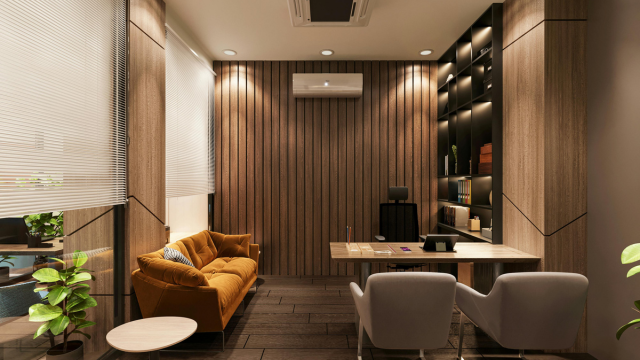
Commercial projects introduce different priorities.
A shop wants customers to understand the space and move through it efficiently.
A restaurant needs operational flow between front-of-house and service functions.
An office needs to support employees and organisational objectives.
Hotels need consistency while creating distinct guest experiences.
Commercial projects may also involve more extensive coordination with architects, engineers, contractors, project managers, fire-safety professionals and client teams.
Technical knowledge therefore becomes increasingly important as projects become larger and more complex.
Building Regulations and Interior Design
Professional interior designers need awareness of the regulatory context surrounding buildings.
That does not mean they personally take responsibility for every legal requirement. It means they need to recognise when design decisions interact with regulated issues.
In England, Building Regulations cover matters including fire safety, ventilation, energy performance and access to and use of buildings.
Current Approved Documents provide guidance supporting those requirements.
Scotland, Wales and Northern Ireland have different building regulatory systems.
For designers, practical questions may include whether a proposed layout affects escape routes, whether materials are suitable in a particular context or whether accessibility requirements influence circulation and facilities.
A short design course cannot make somebody professionally competent to resolve every building-regulation issue.
Knowing when specialist input is needed is itself an important interior designer skill.
Interior Designer Skills Employers Value
Professional interior designer skills are much broader than artistic taste.
Creativity
Designers need to generate ideas rather than copy fashionable rooms.
Creativity means finding a solution appropriate to the client, building and budget.
Drawing and visual communication
Designers communicate through plans, sketches, mood boards, elevations and rendered images.
The client needs to understand an idea before agreeing to spend money building it.
Software skills
Modern studios may use a mixture of CAD, 3D modelling, rendering and presentation software.
Specific applications vary between employers.
The most useful skill is understanding digital design workflows rather than collecting superficial knowledge of many programs.
Technical understanding
Knowledge of construction and building systems helps designers create proposals that can actually be built.
The National Careers Service specifically includes building and home interior design construction knowledge among the skills associated with the profession.
Client communication
The designer has to listen.
A client asking for “something luxurious” has not provided a complete design brief.
The professional needs to understand what the client means, what problem they are trying to solve and what budget is available.
Project management
Design projects involve deadlines, suppliers, contractors and changing information.
Keeping decisions documented and monitoring progress are part of professional design.
Developing a Portfolio
A portfolio is one of the most important tools when learning how to start a career in interior designer skills.
It shows what you can actually do.
A strong beginner portfolio does not need twenty projects.
A few developed projects can demonstrate more ability than dozens of mood boards.
For each project, show enough process to explain your reasoning.
Include the brief, early concepts, space-planning decisions, home interior design materials and final visualisation.
If you redesigned a small flat, explain why the original layout created a problem and how the proposed arrangement responds to it.
Employers are often interested in thinking as well as appearance.
A polished final image is useful.
A portfolio showing how you arrived there is stronger.
Using Interior Design Software
Beginners sometimes postpone design practice because they believe they need to master every industry program first.
That is unnecessary.
Learn one drawing or modelling workflow well enough to communicate your ideas.
Then expand according to employer requirements.
You may encounter software used for:
- CAD drawings;
- 3D modelling;
- rendering;
- image editing;
- specification;
- presentations; and
- project management.
Hand sketching is still useful.
A quick sketch during a client conversation can communicate an idea much faster than building a perfect computer model.
Strong designers choose the tool that suits the stage of the project.
How to Gain Experience
Education provides knowledge.
Experience shows what happens when the supplier cannot deliver the specified material, the client changes their mind or the contractor discovers something unexpected behind a wall.
Look for opportunities in:
- interior-design studios;
- architecture practices;
- furniture businesses;
- kitchen and bathroom design;
- property companies;
- design showrooms; or
- relevant work placements.
Even adjacent roles can build useful commercial awareness.
Working in home interior design furniture retail, for example, can develop knowledge of materials, dimensions and customer requirements.
Be careful about unpaid speculative work.
A portfolio project can be self-initiated without presenting free professional design work to commercial clients.
Learning the Fundamentals Through a Short Course
Someone considering design may reasonably want to explore the subject before committing to years of formal study.
Career Education’s Interior Design Fundamentals provides one such introductory route.
The course contains eight modules and introduces areas such as space, functionality, colour, visual elements, furniture, décor and the overall design process.
It is particularly positioned for beginners, homeowners, DIY learners and people considering further interior-design study.
That makes it potentially useful for discovering whether the subject genuinely interests you.
The provider also states something important: completing the course does not guarantee employment or professional accreditation.
That is the correct way to understand an introductory programme.
It can help establish vocabulary and home interior design principles, but an aspiring professional will still need to develop deeper technical knowledge, a portfolio and practical experience.
Professional Development and BIID
The British Institute of interior designer skills is the UK’s professional institute dedicated specifically to interior designers.
Joining is voluntary rather than a legal requirement for using the general title.
BIID nevertheless provides structured professional-development routes.
An early-career graduate with an appropriate Level 5–7 qualification may be eligible for Associate membership, depending on experience and the exact educational criteria.
Experienced practitioners can work towards BIID Registered Interior Designer® status.
Current requirements include six years of combined education and experience, or six years of relevant professional experience, together with a professional review and home interior design appropriate professional insurance.
This is substantially different from simply receiving a course completion certificate.
It reflects accumulated professional practice.
Freelance Interior Design
Many designers eventually consider self-employment.
Freelancing offers creative freedom, but it also turns the designer into a business owner.
You need to think about:
- contracts;
- professional insurance;
- fees;
- taxation;
- client expectations;
- intellectual property;
- supplier relationships; and
- cash flow.
A talented designer can still struggle commercially if projects are badly scoped.
Agree what services are included before work begins.
Does the fee cover concept design only?
Detailed drawings?
Sourcing?
Contractor coordination?
Site visits?
Project management?
Clear written terms reduce disputes later.
Professional indemnity and public liability insurance may also be relevant depending on the business and services provided.
Interior Design Career Options
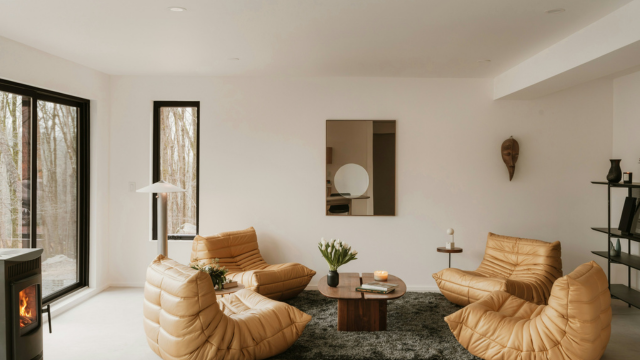
An interior design career can develop in several directions.
Residential interior designer
Residential home interior design work with private homes, apartments and residential developments.
Commercial interior designer
Commercial designers can work on offices, retail, restaurants, hotels or mixed-use developments.
Hospitality designer
Hospitality specialists design hotels, restaurants, bars and leisure environments.
Workplace designer
Workplace designers consider how offices support collaboration, concentration, employee wellbeing and organisational culture.
Retail designer
Retail designers create spaces that support brand identity and customer behaviour.
Lighting or furniture specialism
Experience home interior design can also lead towards specialist areas such as lighting, furniture, exhibitions, visual merchandising or ergonomics.
The National Careers Service identifies several of these as possible areas of progression.
Salary and Career Prospects
Current National Careers Service guidance gives an indicative range of approximately £23,000 to £45,000 for interior designers.
Treat this as a broad benchmark rather than a guaranteed salary.
A junior home interior design in a small regional studio may earn differently from a senior commercial designer in London.
Freelancers can experience even greater variation.
Income depends on the number and value of projects, overheads, reputation and how consistently work is secured.
Career success therefore cannot be promised simply by completing training.
Portfolio quality, experience, technical knowledge, professional relationships and local demand all matter.
Sustainability in Interior Design
interior designer skills increasingly needs to consider environmental impact.
Materials carry embodied carbon and other environmental costs.
Furniture can be reused rather than replaced.
Durable design can reduce waste.
Designers may also need to consider energy efficiency, ventilation and the interaction between interior designer skills proposals and wider building-performance goals.
Sustainability should not become superficial marketing.
Calling a product “natural” does not automatically make it environmentally preferable.
Professionals need to home interior design consider sourcing, durability, transport, maintenance and end-of-life implications.
The ability to ask better questions about products is becoming an increasingly useful professional skill.
AI and the Future of Interior Design
AI is beginning to influence concept generation, visualisation and administrative work.
A designer can already produce rapid image variations from written prompts.
That can make early exploration faster.
But generated imagery can also be misleading.
AI may produce spaces that cannot be built, furniture at impossible scales or details that do not comply with technical requirements.
A convincing image is not the same as a resolved design.
Professional designers remain responsible for dimensions, materials, specifications and decisions affecting the real project.
AI is home interior design therefore more useful as an exploratory tool than as a replacement for spatial judgement.
As routine visualisation becomes easier, the value of strong design reasoning may actually increase.
A Practical Roadmap: How to Start a Career in Interior Design
For someone asking how to start a career in interior designer skills, a sensible sequence is:
First, learn basic design principles and start analysing interiors critically.
Next, practise space planning, drawing and presentation.
Then learn relevant software well enough to communicate your designs professionally.
Build several portfolio projects instead of endlessly collecting tutorials.
After that, look for formal education, home interior design work experience, assistant roles or apprenticeship opportunities appropriate to your circumstances.
Continue learning construction, materials and regulatory awareness as projects become more complex.
Finally, develop a specialism only after you have enough experience to know what type of work you enjoy.
You do not need to decide on day one whether you will eventually design luxury hotels or healthcare environments.
Build the foundation first.
Common Mistakes Beginners Make
The first mistake is focusing entirely on aesthetics.
A beautiful room that does not function properly is not successful interior design.
Another is copying trends too closely.
Professional designers should understand why an idea works rather than simply reproduce what is currently popular online.
Beginners also sometimes underestimate dimensions.
Furniture photographs rarely communicate true scale.
Always plan with measurements.
A further mistake is ignoring budget.
A concept that costs three times the client’s budget is not a viable solution.
Finally, do not claim competence you do not yet have.
Professional design involves people’s homes, businesses and money.
Know when you need guidance from more experienced designers, architects, engineers, contractors or building professionals.
FAQ
How do I become an interior designer in the UK?
There is no single compulsory route. You can study interior design, interior designer skills architecture, spatial design or related subjects at college or university, begin in an assistant role or explore work-based pathways. England also has a newly approved Level 6 Interior Designer home interior design apprenticeship, although starts are currently paused.
Do you need a degree to become an interior designer?
Not legally for use of the general title interior designer. However, many professional employers prefer relevant higher education, and structured education can provide valuable technical and portfolio development. BIID professional membership routes also take qualifications and experience into account.
What skills does an interior designer need?
Important interior designer skills include creativity, space planning, technical drawing, software competence, attention to detail, knowledge of materials and construction, communication, budgeting and project management.
What are the main interior design principles?
Important interior design principles include balance, proportion, scale, rhythm, emphasis, harmony, colour and functional use of space. These principles help designers create interiors that feel coherent rather than simply decorated.
Is home interior design different from commercial interior design?
Yes. Home interior design usually focuses on private residential needs and personal preferences. Commercial projects often involve larger stakeholder groups, more formal specifications, commercial objectives and greater coordination with construction and regulatory professionals.
Is interior designer a protected title in the UK?
No. The general title interior designer skills is not legally protected in the way that architect is. BIID offers the separate BIID Registered Interior Designer® professional title to designers who meet its education, home interior design experience, review and insurance requirements.
How do I build an interior-design portfolio with no experience?
Create self-directed projects using realistic briefs. Measure an existing space, identify a genuine problem, develop layouts, select materials and present the finished proposal. Show your process as well as final images and clearly label speculative projects rather than implying they were paid commissions.
Is an online interior-design course enough to get a job?
Usually not by itself. An introductory course can build foundational knowledge and show interest, but employers may also expect a portfolio, technical skills, practical experience or formal education. The linked Career Education course itself states that completion does not guarantee employment or professional accreditation.
What career options are available in interior design?
An interior design career can lead into residential, commercial, hospitality, retail or workplace design. Experienced designers may also move towards furniture, lighting, exhibition design, visual merchandising, project management or running their own practice.
Is interior design a good career in the UK?
It can suit people who enjoy combining creativity with practical problem-solving and client work. However, competition can be significant, and earnings vary by experience, location and specialism. Strong portfolios, technical knowledge and professional experience can improve career prospects but do not guarantee particular outcomes.

Conclusion
Understanding How to Become an Interior Designer begins with recognising that the profession is far more substantial than choosing attractive furniture and colours.
Professional designers work with space, function, materials, lighting, clients, budgets and contractors. They need strong interior designer skills alongside creativity, and they increasingly need awareness of construction, sustainability and the regulatory context surrounding buildings.
For anyone researching how to become an interior designer UK, there are several routes. University and college remain established options. Assistant roles can provide home interior design valuable workplace experience, while England’s new Level 6 apprenticeship creates a promising future work-based pathway once starts become available.
Beginners can also explore the subject before making a major educational commitment. Career Education’s linked Interior Design Fundamentals programme provides an accessible introduction to space, colour, furniture, functionality and core interior design principles. Its most appropriate role is foundation learning rather than professional accreditation.
From there, the priorities should be practical.
Create projects. Learn to measure spaces. Develop plans. Build a thoughtful portfolio. Understand materials. Learn design software without becoming dependent on it. Seek feedback and gradually gain experience with real constraints.
Whether you eventually specialise in home interior design, hospitality, retail or commercial spaces, a sustainable interior design career rests on the same foundation: understand the people using the space, solve the practical problem and make every visual decision serve a purpose.