

Gas Engineering for Beginners is not simply an introduction to boilers, pipework and heating systems. It is an introduction to a safety-critical profession in which competence, legal compliance and careful working practices can have direct consequences for people’s lives.
Gas engineers install, inspect, maintain and repair equipment that may involve combustible fuel, combustion products, ventilation and pressurised systems. Poor work can contribute to gas leaks, fire, explosion or carbon monoxide exposure. That is why the UK does not treat practical gas work as something a person can undertake professionally after watching a few videos or completing a short theory course.
Anyone interested in the field needs to understand both sides of the profession: how Gas Engineering Systems work and the legal route required before carrying out regulated gas work.
This guide explains the basic principles of gas engineering, Gas Safety Management, essential Gas Safety Procedures, recognised training routes and how to become a gas engineer in UK workplaces safely and legally.
What Is Gas Engineering?
Gas Engineering for Beginners covers the installation, commissioning, servicing, maintenance and repair of gas systems and appliances.
Depending on the engineer’s qualifications and work categories, this can involve domestic or commercial systems using natural gas or liquefied petroleum gas.
Typical equipment may include:
- boilers;
- cookers and hobs;
- water heaters;
- heating systems;
- gas pipework;
- flues;
- commercial heating or catering equipment.
A gas engineer does more than repair faulty appliances.
They need to understand combustion, pressure, ventilation, flue performance, installation standards, safety devices and how different components interact.
An apparently small fault in one part of the system may affect another.
For example, a gas appliance needs an appropriate supply of air for combustion and a suitable route for combustion products to leave safely. That means the appliance itself cannot always be considered separately from ventilation and flue arrangements.
This whole-system perspective is central to competent Gas Engineering for Beginners.
Why Gas Safety Matters
Gas is useful because it contains energy that can be released through combustion.
The same characteristic creates risk when systems are incorrectly installed, damaged or maintained poorly.
Three hazards deserve particular attention.
Gas leaks
Escaping gas can create a fire or explosion risk.
This is why installation integrity, appropriate connections and competent testing matter enormously.
Gas work should never be treated as a suitable DIY learning exercise simply because a fault appears straightforward.
Carbon monoxide
Carbon monoxide, usually shortened to CO, is produced when carbon-based fuel does not burn completely.
It is especially dangerous because it cannot be detected reliably by human senses. It is colourless and odourless.
Exposure can cause symptoms such as headache, dizziness, nausea and weakness and, at higher levels, can result in collapse or death.
Safe combustion, ventilation and flue performance are therefore essential parts of Gas Engineering Systems rather than optional technical refinements.
Fire and heat
Gas appliances generate heat by design.
Incorrect installation, damaged equipment, unsuitable surroundings or abnormal operation can therefore create fire hazards.
Gas safety is consequently about controlling several connected risks rather than merely preventing leaks.
Understanding Gas Engineering Systems
Gas Engineering Systems can be understood as a chain.
Fuel arrives through a supply system, travels through suitable pipework and reaches an appliance where controlled combustion produces useful heat. Air must be available for combustion, and combustion products need to be removed appropriately.
Controls and safety devices regulate operation.
A qualified engineer may therefore consider several connected elements:
Supply → pipework → appliance → combustion → ventilation → flue → controls
If one part is unsuitable, the entire installation may become unsafe.
This is why good Gas Engineering Systems involves systematic assessment rather than concentrating only on whichever component appears faulty.
Gas Supply and Pipework
Gas pipework carries fuel to appliances.
Its design and installation need to account for appropriate materials, sizing, routing, support and safe connections under the relevant standards and regulations.
For beginners, the important point is conceptual rather than procedural.
Gas pipework is not ordinary household plumbing.
The consequences of leakage are potentially much more serious, and practical installation, alteration or testing must therefore be undertaken only by appropriately competent and registered people where the work falls within regulated gas work.
Combustion
Combustion occurs when fuel reacts with oxygen and releases energy.
Under appropriate conditions, a gas appliance burns fuel in a controlled way.
Gas engineers need to understand the relationship between fuel, air and combustion because poor combustion can affect efficiency and safety.
Insufficient air, appliance faults, flue problems or other defects can contribute to incomplete combustion and potentially dangerous combustion products.
A beginner does not need to perform combustion analysis merely because they understand the theory.
Technical measurements and interpretation form part of competent practical gas work and require the appropriate equipment, training and assessment.
Ventilation
Ventilation supports the safe operation of many gas appliances.
Some installations require a particular supply of combustion air, while room and appliance design can also affect how safely combustion products are managed.
One of the most dangerous beginner assumptions is that blocking a vent is harmless because it causes draughts.
Where ventilation forms part of the safe installation, altering or obstructing it can affect appliance operation.
If there is doubt about an existing installation, it should be assessed by an appropriately qualified Gas Safe registered engineer rather than modified by trial and error.
Flues and Chimneys
Flues help remove combustion products from gas appliances. They can use different designs depending on the appliance and installation. Their condition, route and termination can therefore affect gas safety and ventilation requirements. A boiler that appears to operate normally may still require professional assessment of its wider flue arrangement. Gas engineers are trained to consider these factors systematically rather than deciding safety simply by whether an appliance lights when switched on.
Controls and Safety Devices
Modern gas appliances may contain several controls designed to regulate operation and respond to abnormal conditions. Depending on the appliance, these can relate to flame supervision, temperature, pressure or other operating conditions. The presence of safety devices does not remove the need for correct installation, inspection and maintenance. A system is safest when design, installation, combustion, ventilation, flues and controls all operate as intended.
Gas Safety Management: A System Rather Than a Single Check

Gas Safety Management means creating a reliable system for controlling gas-related risks. For a homeowner, this may involve using registered engineers and arranging appropriate maintenance. For a landlord, employer or facilities team, the responsibilities can be much broader.
Effective management usually requires several connected elements. First, organisations should know what gas installations and appliances they are responsible for. Second, work should be allocated only to people legally and technically competent to undertake it. Third, required inspections, checks and maintenance should be scheduled rather than left until something breaks. Fourth, records need to be kept appropriately. Finally, organisations need a clear response when an unsafe condition or suspected gas emergency arises. Safety therefore depends on effective risk management as much as engineering.
Gas Safe Register: The Essential UK Requirement
One of the most important facts for anyone researching Gas Engineering for Beginners is that regulated gas work is not open to anyone who simply considers themselves capable. Gas Safe Register is the official register of gas businesses and engineers. Businesses undertaking relevant domestic or commercial gas work must be registered. Engineers carrying out work for registered businesses must also hold recognised evidence of competence and be listed appropriately.
Registration is linked to competence categories
Being “Gas Safe registered” does not necessarily mean an engineer can carry out every conceivable type of gas work. Gas Safe Register records work categories based on the individual’s current competence. An engineer may be qualified for domestic boilers, for example, without automatically being qualified for every commercial or LPG installation.
Consumers and employers should therefore check not only that an engineer is registered but that they are competent and qualified for the particular type of work required. The engineer’s Gas Safe ID card contains relevant registration and work-category information.
Is Gas Safe Registration the Same as a Qualification?
No. This distinction is important.
A recognised gas qualification or competence assessment provides evidence that the engineer has demonstrated specified knowledge and practical ability. Gas Safe registration is the legal registration framework through which competent engineers and businesses are authorised to carry out the relevant gas work.
A training certificate therefore does not automatically equal Gas Safe registration. Similarly, passing one assessment does not necessarily authorise a person to undertake every appliance or gas category. Competence, certification, scope and registration all matter.
How to Become a Gas Engineer in UK
For anyone asking how to become a gas engineer in UK, the safest answer is to follow an industry-recognised training route that includes substantial practical experience and assessment. There are several routes into the profession.
Route 1: Gas Engineering Apprenticeship
An apprenticeship is one of the clearest options because it combines formal training with real workplace experience. England’s Gas Engineering Systems Operative apprenticeship develops knowledge and practical competence while the learner is employed.
Apprentices learn areas such as safe working, installation, servicing, fault diagnosis, communication and regulatory requirements within the scope of the programme. An apprenticeship is particularly valuable because Gas Engineering Systems skills cannot be mastered properly through classroom theory alone. Trainees need repeated supervised practical experience before being expected to work independently.
Route 2: College and Trainee Employment
The National Careers Service also identifies relevant college study as a possible route into a trainee gas-engineering position. Examples can include plumbing and heating or building-services programmes.
However, completing a general plumbing qualification does not automatically make somebody a fully qualified gas engineer. Further recognised gas qualifications, practical training and competence assessment are normally required before an individual can progress towards appropriate Gas Safe registration.
Route 3: Experienced Worker Assessment
People who already have substantial relevant experience may have routes involving assessment of existing skills and competence. This is not intended as a shortcut for complete beginners.
Competence schemes require candidates to demonstrate the necessary knowledge, understanding and practical experience before recognition can be granted. Existing technical skills and industry experience therefore remain important.
What Is ACS?
The Accredited Certification Scheme, commonly called ACS, is closely associated with gas competence assessment. It is used to assess gas engineers against recognised industry requirements and work categories.
ACS should not be misunderstood as a beginner’s online training course. Candidates need an appropriate route into assessment and evidence of relevant training and experience. Gas competence certifications also have to remain current. GOV.UK guidance notes that qualifications older than five years generally need to be renewed before Gas Safe registration.
Gas Engineer Training UK: What Should Proper Training Include?
Professional Gas Engineer Training UK needs to develop more than theoretical knowledge. A competent training pathway should address areas such as:
- gas-safety legislation;
- combustion principles;
- pipework;
- appliances;
- ventilation;
- flues;
- pressure and controls;
- fault diagnosis;
- practical installation and maintenance;
- testing;
- documentation;
- emergency procedures.
Crucially, practical competence needs practical assessment. Being able to answer a multiple-choice question about an appliance is not evidence that somebody can safely diagnose, install or commission that appliance in a customer’s home. This principle is particularly important when comparing online courses with recognised vocational and technical gas training.
Can an Online Gas Engineering Course Qualify You?
An online course can help beginners understand terminology and general principles. It can be useful before committing to more substantial vocational training.
For example, the supplied Gas Engineering Training course introduces topics including combustion, pipes and flues, ventilation, gas leaks, pressure control, safety devices and appliance maintenance. The provider itself appropriately states that the course is educational and foundational and that completion does not authorise someone to carry out regulated gas work.
That distinction should be taken seriously. If your objective is to work professionally as a gas engineer, introductory online learning should be followed by appropriate recognised training, practical experience and a competence-assessment pathway leading towards Gas Safe registration. No online theory certificate should be used as justification for attempting regulated gas work independently.
Essential Gas Safety Procedures
Professional Gas Safety Procedures depend on the installation and type of work, so detailed technical procedures should be learned through recognised practical training rather than generic online instructions. However, the principles behind safe procedures are useful for beginners to understand.
Verify competence before work begins
The person carrying out regulated gas work must have the appropriate legal registration and competence for that category of work. Registration and work qualifications should be checked rather than assumed.
Follow current standards and manufacturer information
Gas engineers work within legislation, recognised technical standards and appliance-specific instructions. A method that was used years ago should not automatically be assumed to remain acceptable. Professional competence includes staying current with gas safety standards and manufacturer guidance.
Assess the whole installation
A fault should not be considered in isolation where another part of the system may influence Gas Safety Management.Ventilation, flue performance, pipework and appliance condition can interact and affect overall installation safety.
Record important work
Gas Engineering Systems requires reliable documentation. Records help demonstrate what was checked, what was found and what action was taken. For landlords, particular statutory Gas Safety Management records must also be retained and provided to tenants.
Do not leave unsafe equipment in service
Where equipment is considered unsafe, appropriate industry procedures must be followed. Consumers should not reconnect or continue operating equipment that a competent engineer has identified as unsafe.
What Should You Do If You Smell Gas?
A suspected gas leak is an emergency rather than a DIY diagnostic exercise. Current HSE advice is to:
- Call the National Gas Emergency Service on 0800 111 999.
- Open doors and windows.
- Turn off the gas supply at the meter control valve if you know where it is and can do so safely.
An appliance suspected of being unsafe should be switched off and should not be used again until checked by a Gas Safe registered engineer. Do not attempt to locate a leak by dismantling appliances or pipework yourself. The priority is making the situation safe and getting competent assistance.
Carbon Monoxide Safety
CO deserves separate attention because, unlike the odorant added to supplied gas, carbon monoxide itself has no smell. Possible symptoms of exposure can include headache, dizziness, nausea, tiredness and confusion.
If symptoms appear to be associated with a particular building or appliance, people should leave the affected environment and seek appropriate emergency or medical assistance. A carbon monoxide alarm provides an additional layer of protection but does not replace proper installation, inspection and maintenance.
In England, current rules require relevant private and social landlords to provide a CO alarm in any room used as living accommodation that contains a fixed combustion appliance, except a gas cooker. Rules can differ across Scotland, Wales and Northern Ireland, so landlords should check the requirements for the relevant property jurisdiction.
Gas Safety Responsibilities for Landlords
Landlords have specific responsibilities where the gas-Gas Safety Management legislation applies. In Great Britain, landlords generally need to ensure that gas appliances, fittings and flues they provide are maintained safely and that required safety checks are performed.
Relevant appliances and flues generally need a gas safety check every 12 months. The work must be undertaken by an appropriately Gas Safe registered engineer. Existing tenants should normally receive the Gas Safety Management check record within 28 days of completion, while new tenants must receive the current record before moving in. Landlords are also required to retain prescribed records.
Safety check vs servicing
These terms should not automatically be treated as interchangeable. A statutory safety check addresses specifiedGas Safety Management y matters. Servicing involves maintenance according to manufacturer recommendations or other appropriate guidance.
HSE specifically warns landlords not to assume that one automatically fulfils every aspect of the other. A competent engineer can advise what gas appliance maintenance is required for the particular installation.
Gas Safety in Workplaces
Commercial and industrial gas systems can be substantially more complex than domestic installations. Businesses may operate commercial kitchens, boilers, process-heating equipment or other specialised systems.
The principles remain familiar: competent engineers, suitable installation, maintenance, gas risk assessment and reliable records. However, an engineer qualified for domestic boilers is not automatically competent to work on every commercial installation. Employers and facilities managers need to verify that the engineer’s Gas Safe work categories match the equipment involved.
Skills Needed to Become a Gas Engineer
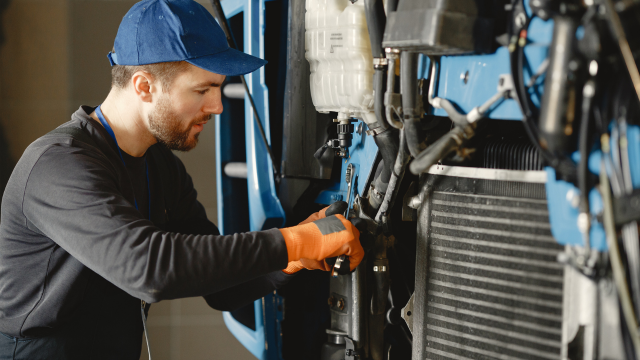
Gas Engineering Systems requires more than manual ability. A successful engineer needs a combination of technical, practical and communication skills.
Technical problem-solving
Faults are not always obvious. Engineers need to gather evidence systematically and distinguish symptoms from underlying causes.
Attention to detail
A missed defect or incorrect reading can have serious consequences. Careful working and accurate documentation are therefore essential.
Practical ability
Gas engineers work with tools, components and installations in real buildings. Practical dexterity needs to develop alongside technical theory.
Numeracy
Measurements, pressures, dimensions and technical calculations form part of engineering work. Basic technical numeracy supports accurate testing and installation.
Communication
Engineers often need to explain Gas Safety Management concerns to customers who do not understand technical terminology. A competent engineer should be able to explain why an appliance cannot safely remain in use without turning the conversation into unnecessary jargon.
Professional judgement
Perhaps the most important skill is knowing when something falls outside your competence. A professional engineer does not improvise simply because a customer wants a quick solution. Recognising professional limits and safe working practices is a core part of gas engineering.
Gas Engineering Career in UK
A Gas Engineering Career in UK can develop in several directions.
Newly qualified engineers may work for heating companies, utilities, maintenance contractors, housing providers or facilities-management businesses.
With experience, opportunities can develop into:
- senior engineer roles;
- commercial gas work;
- supervisory positions;
- service management;
- technical training;
- specialist heating work;
- self-employment.
Some experienced gas engineers also develop skills in low-carbon heating technologies such as heat pumps.
This can be particularly valuable as UK heating systems gradually diversify.
Gas Engineering Systems knowledge remains useful because existing housing and commercial building stock will continue to contain substantial gas infrastructure even as alternative heating technologies expand.
Gas Engineer Salary in the UK
The National Careers Service currently gives an indicative range of approximately £25,000 a year for a starter gas service technician to £45,000 for an experienced worker.
Actual earnings vary.
Factors can include:
- region;
- experience;
- domestic or commercial specialism;
- overtime;
- emergency-callout arrangements;
- employment versus self-employment.
Self-employed engineers may invoice significantly more than an employed salary figure suggests, but they also carry costs for vehicles, tools, insurance, registration, administration, unpaid leave and periods without billable work.
Turnover should therefore not be confused with personal earnings.
Working Conditions
Gas service technicians typically work around 40 to 45 hours a week according to current National Careers Service guidance.
Some positions involve evenings, weekends or emergency-callout rotas.
Work may take place in customers’ homes, commercial buildings, plant rooms and confined spaces.
The profession therefore involves practical physical work as well as customer interaction.
Engineers also need to keep records and remain current with technical and regulatory requirements.
It is not solely a tools-based occupation.
Common Gas Safety Mistakes Beginners Should Avoid
The most serious mistake is attempting practical gas work before becoming appropriately qualified and registered.
Knowing the theory does not establish competence.
Another mistake is assuming Gas Safe registration covers every appliance and fuel category. The engineer’s registered work categories need to match the task.
Beginners should also avoid treating carbon monoxide alarms as substitutes for maintenance. An alarm is an important protective measure, not permission to operate a questionable appliance.
Another dangerous assumption is that an appliance must be safe because it appears to work.
Combustion or flue problems are not always obvious to the customer.
Finally, never ignore an appliance that has been identified as unsafe. Convenience is not a reason to reconnect or continue using it.
Frequently Asked Questions
What is gas engineering?
Gas Engineering Systems involves the installation, maintenance, servicing and repair of gas systems and appliances. Engineers may work with boilers, heating systems, cookers, pipework, flues and commercial equipment depending on their qualifications and Gas Safe registration categories.
How do I become a gas engineer in the UK?
A common route is through a Gas Engineering Systems Operative apprenticeship or suitable vocational training combined with supervised practical experience. You then need recognised competence evidence for the relevant work and appropriate Gas Safe registration before undertaking regulated gas work independently.
Do all gas engineers have to be Gas Safe registered?
Businesses carrying out relevant gas work must be registered with Gas Safe Register, and engineers undertaking the work need to be appropriately listed and competent for the categories involved. Registration requirements apply across the UK.
What is ACS gas training?
ACS is the Accredited Certification Scheme used for assessing gas competence in recognised work categories. It should not be confused with a beginner theory course or with Gas Safe registration itself.
How long do gas qualifications last?
GOV.UK states that competence evidence more than five years old needs to be renewed before registration. Engineers must maintain current competence for the work categories in which they operate.
Can I become a gas engineer through an online course?
An online course can provide introductory knowledge but cannot by itself establish the practical competence or legal registration required to undertake regulated gas work. Recognised practical training, assessment and Gas Safe registration are necessary for professional work.
What should I do if I smell gas?
Current HSE guidance is to call the National Gas Emergency Service on 0800 111 999, open doors and windows and shut off the supply at the meter if you know how to do so safely. Do not use a suspected unsafe appliance until it has been checked by a Gas Safe registered engineer.
What is Gas Safety Management?
Gas Safety Management means systematically controlling gas risks through competent people, planned maintenance, required Gas Safety Management checks, appropriate records, safe operating arrangements and effective emergency procedures.
Do landlords need a gas safety check every year?
Where the relevant landlord duties apply, gas appliances and flues provided for tenants generally require a Gas Safety Management check every 12 months by an appropriately registered engineer. Current records must also be provided to tenants within the required timescales.
Is gas engineering still a useful career as heat pumps become more common?
Gas Engineering Systems remains relevant because millions of existing buildings use gas systems, while engineers can also develop additional skills in alternative heating technologies. The National Careers Service specifically identifies heat-pump engineering as one potential progression route for experienced gas technicians.

Conclusion
Gas Engineering for Beginners should begin with one principle above all others: knowledge about gas systems is valuable, but practical gas competence has to be formally developed and demonstrated.
Understanding Gas Engineering Systems means recognising how supply, pipework, appliances, combustion, ventilation, flues and controls interact. Understanding Gas Safety Management means making sure those systems are installed, maintained and checked by people who are competent and legally authorised to do the work.
For anyone researching how to become a gas engineer in UK, apprenticeships and recognised vocational routes provide practical pathways towards competence. Appropriate assessment and Gas Safe registration then establish the legal framework within which regulated work can be carried out.
Introductory Gas Engineer Training UK courses can help someone become familiar with terminology and Gas Safety Management principles, but they should never be confused with professional competence or permission to work on gas installations.
A strong Gas Engineering Career in UK is therefore built on three things: technical knowledge, supervised practical experience and disciplined Gas Safety Management judgement. In a profession where small errors can have serious consequences, those requirements are not barriers to entry. They are fundamental parts of doing the job properly.