
94%
OFF
OFF
Workplace Housekeeping and Safety Practices
- Lifetime Access
- All Levels
- PDF Certificate
£296
£19
14-Day Money-Back Guarantee
Learn With Confidence





Workplace Housekeeping and Safety Practices
A clean, organised, and safe workplace is essential for protecting employees, improving productivity, supporting efficient operations, and creating a positive working environment. Poor housekeeping can contribute to slips, trips, falls, fire hazards, blocked access routes, equipment damage, contamination, and other preventable workplace incidents. The Workplace Housekeeping and Safety Practices course is designed to help learners develop practical knowledge and awareness of effective housekeeping, hazard prevention, workspace organisation, cleaning procedures, equipment care, personal hygiene, and sustainable workplace practices.
Rather than focusing only on cleaning, this course takes a broader approach to workplace safety and environmental responsibility. Learners will explore how everyday housekeeping decisions can influence workplace efficiency, employee wellbeing, risk levels, and the overall condition of facilities and equipment.
Whether you are entering the workplace, taking on housekeeping responsibilities, supervising workplace operations, or looking to strengthen your general health and safety awareness, this course can provide a useful foundation for developing safer and more organised working practices.
Why Workplace Housekeeping and Safety Practices Matter
Workplace housekeeping is an important part of maintaining a safe and productive environment. Cluttered floors, poorly stored materials, leaking equipment, accumulated waste, dirty surfaces, and obstructed walkways can create unnecessary risks. Effective housekeeping helps identify and address these issues before they become more serious problems.
Good housekeeping can also improve workflow. When tools, materials, documents, and equipment are stored systematically, employees can find what they need more easily and spend less time dealing with unnecessary obstacles. Clean and well-maintained facilities can also contribute to a more professional working environment.
The Workplace Housekeeping and Safety Practices course helps learners understand the connection between cleanliness, organisation, hazard awareness, equipment maintenance, personal hygiene, and sustainability.
What You Will Learn
Throughout the course, learners will develop knowledge of key workplace housekeeping principles and learn how to apply them to everyday working environments. The curriculum covers seven important areas, beginning with the foundations of housekeeping and progressing toward risk management, cleaning, maintenance, hygiene, and environmentally responsible practices.
Module 1: Introduction to Housekeeping Principles
The course begins by introducing the fundamental principles of workplace housekeeping. Learners will explore why housekeeping is an important part of workplace safety and how consistent housekeeping routines can help create a more efficient and organised environment.
You will develop an understanding of:
-
The purpose and importance of workplace housekeeping
-
The relationship between housekeeping and workplace safety
-
Common housekeeping problems and their potential consequences
-
The importance of maintaining clean and organised work areas
-
Good housekeeping routines and responsibilities
-
How effective housekeeping can support workplace productivity
By completing this module, learners will have a stronger understanding of why housekeeping should be treated as an ongoing workplace responsibility rather than an occasional cleaning task.
Module 2: Hazard Identification and Risk Assessment
Recognising hazards is an essential part of maintaining a safe workplace. This module introduces learners to the principles of identifying potential hazards and considering the risks associated with them.
Learners will explore common workplace hazards that may arise from poor housekeeping, including obstructed walkways, spills, unsuitable storage, waste accumulation, damaged facilities, and improperly maintained areas.
You will learn how to:
-
Identify potential workplace hazards
-
Recognise housekeeping-related risks
-
Understand the basic principles of risk assessment
-
Consider who may be affected by workplace hazards
-
Support appropriate control measures
-
Encourage proactive hazard reporting
The goal is to help learners become more observant and proactive. Instead of simply reacting after an incident occurs, effective housekeeping practices can help identify potential problems early and contribute to preventative safety measures.
Module 3: Organizing Workspaces Effectively
An organised workspace can make everyday tasks easier, safer, and more efficient. This module focuses on practical principles for arranging work areas, storing materials appropriately, maintaining clear access routes, and reducing unnecessary clutter.
Learners will explore how effective organisation can support:
-
Safer movement around workspaces
-
Easier access to tools and materials
-
Better workflow
-
Reduced clutter
-
Improved use of available space
-
More consistent housekeeping standards
You will gain a clearer understanding of how workspace organisation can contribute to both safety and productivity. The module encourages learners to consider how items are positioned, stored, labelled, and maintained so that work areas remain functional and accessible.
Module 4: Cleaning Techniques and Practices
Cleaning is a central component of effective workplace housekeeping, but different surfaces, environments, and types of contamination may require different approaches. This module introduces learners to good cleaning practices and the importance of following appropriate workplace procedures.
You will explore:
-
Basic cleaning principles
-
Different workplace cleaning requirements
-
Appropriate cleaning routines
-
Safe handling of cleaning materials
-
The importance of following product and workplace instructions
-
Waste collection and disposal practices
-
Maintaining consistently clean work areas
The objective is to help learners understand that effective cleaning involves more than making a workplace look tidy. Proper procedures can contribute to hygiene, safety, equipment protection, and the overall condition of workplace facilities.
Module 5: Maintenance of Equipment and Facilities
Well-maintained equipment and facilities are important for workplace safety and operational efficiency. This module focuses on the role housekeeping plays in identifying maintenance concerns and helping preserve workplace assets.
Learners will develop awareness of:
-
Routine equipment and facility checks
-
Signs of damage or deterioration
-
The importance of reporting maintenance issues
-
Keeping equipment and surrounding areas clean
-
Appropriate storage and care of workplace equipment
-
The connection between maintenance and workplace safety
By completing this module, learners will understand how housekeeping and maintenance complement each other. A clean environment can make problems easier to notice, while timely reporting and appropriate maintenance can help prevent minor issues from becoming more significant workplace concerns.
Module 6: Personal Hygiene and Work Environment
Personal hygiene can have an important role in maintaining a healthy and professional workplace, particularly in environments where employees work closely with others, handle materials, or have responsibilities involving cleanliness and sanitation.
This module explores the relationship between personal hygiene and the wider work environment. Learners will consider how appropriate hygiene routines, clean working practices, and responsible workplace behaviour can support a healthier environment.
You will learn about:
-
The importance of personal hygiene at work
-
Maintaining clean personal and shared work areas
-
Good hygiene habits
-
Preventing unnecessary contamination
-
Workplace cleanliness responsibilities
-
Supporting a professional working environment
The module helps learners recognise that workplace hygiene is a shared responsibility. Individual habits can contribute to the cleanliness and wellbeing of the wider working environment.
Module 7: Green Practices and Sustainability
Modern workplaces increasingly recognise the importance of reducing waste, using resources responsibly, and considering environmental impacts. The final module introduces learners to sustainable housekeeping practices.
You will explore ways workplaces can encourage more environmentally responsible approaches to cleaning and housekeeping, including:
-
Reducing unnecessary waste
-
Using resources efficiently
-
Supporting appropriate recycling practices
-
Avoiding unnecessary consumption
-
Considering environmentally responsible cleaning approaches
-
Encouraging sustainable workplace habits
This module helps learners understand that effective housekeeping can support environmental objectives as well as workplace safety. Small improvements in everyday practices can contribute to more responsible resource use and a more sustainable workplace culture.
Outcome-Focused Learning
The Workplace Housekeeping and Safety Practices course is designed around practical outcomes. By the end of the course, learners should be better prepared to recognise the importance of effective housekeeping and apply core principles to workplace situations.
You can expect to develop the ability to:
-
Explain the importance of workplace housekeeping
-
Recognise common housekeeping-related hazards
-
Understand basic risk assessment principles
-
Identify opportunities to improve workplace organisation
-
Apply appropriate cleaning principles
-
Understand the importance of equipment and facility maintenance
-
Promote good personal hygiene practices
-
Support cleaner and more organised work environments
-
Recognise opportunities for sustainable housekeeping
-
Contribute to a stronger workplace safety culture
These skills can be useful across a wide range of professional environments where cleanliness, organisation, safety, and responsible working practices are important.
Who Can Benefit from This Course?
The Workplace Housekeeping and Safety Practices course can be valuable for a broad range of learners. It may be particularly useful for:
-
Employees who want to strengthen their workplace safety awareness
-
Individuals beginning a new role
-
Housekeeping and cleaning personnel
-
Facilities and workplace support staff
-
Supervisors and team leaders
-
Managers with responsibility for workplace standards
-
Individuals interested in occupational safety awareness
-
Learners seeking practical professional development
-
Anyone who wants to understand better workplace housekeeping practices
The course can also provide useful foundational knowledge for people working in offices, commercial premises, hospitality environments, educational settings, healthcare-related workplaces, warehouses, manufacturing environments, and other professional settings where effective housekeeping is important.
Build a Safer and More Organised Workplace
Workplace safety is not always about responding to major hazards. Often, it begins with everyday actions: keeping walkways clear, storing materials properly, cleaning work areas, reporting damaged equipment, maintaining good hygiene, and dealing with waste responsibly.
The Workplace Housekeeping and Safety Practices course gives learners the opportunity to understand these everyday practices and their wider impact. By developing stronger awareness of housekeeping principles, hazard identification, cleaning, maintenance, hygiene, and sustainability, learners can contribute more effectively to a workplace that is cleaner, more organised, and more safety-conscious.
Good housekeeping can support smoother workflows, help reduce preventable hazards, protect workplace resources, and encourage a culture where everyone takes responsibility for maintaining appropriate standards.
Develop Practical Knowledge for Everyday Workplace Safety
Completing the Workplace Housekeeping and Safety Practices course can help learners approach workplace cleanliness and organisation with greater confidence and awareness. Instead of viewing housekeeping as a simple routine, you will gain a broader perspective on how cleaning, organisation, maintenance, hygiene, hazard awareness, and sustainability work together.
With seven focused modules covering the essential areas of workplace housekeeping, the course provides a structured learning experience for anyone looking to strengthen their professional knowledge and contribute positively to workplace standards.
If you want to build practical awareness of safer housekeeping, better workspace organisation, effective cleaning, responsible equipment care, personal hygiene, and sustainable workplace practices, the Workplace Housekeeping and Safety Practices course offers a valuable starting point for your professional development.
Enrol today and develop the knowledge needed to support a cleaner, safer, better-organised, and more environmentally responsible workplace.
Course Modules
Course Content
Module 1_ Introduction to Housekeeping Principles
-
Lesson 1_ Introduction to Housekeeping Principles
Module 2_ Hazard Identification and Risk Assessment
Module 3_ Organizing Workspaces Effectively
Module 4_ Cleaning Techniques and Practices
Module 5_ Maintenance of Equipment and Facilities
Module 6_ Personal Hygiene and Work Environment
Module 7_ Green Practices and Sustainability
What our students say
Excellent
4.9 average
158 Reviews

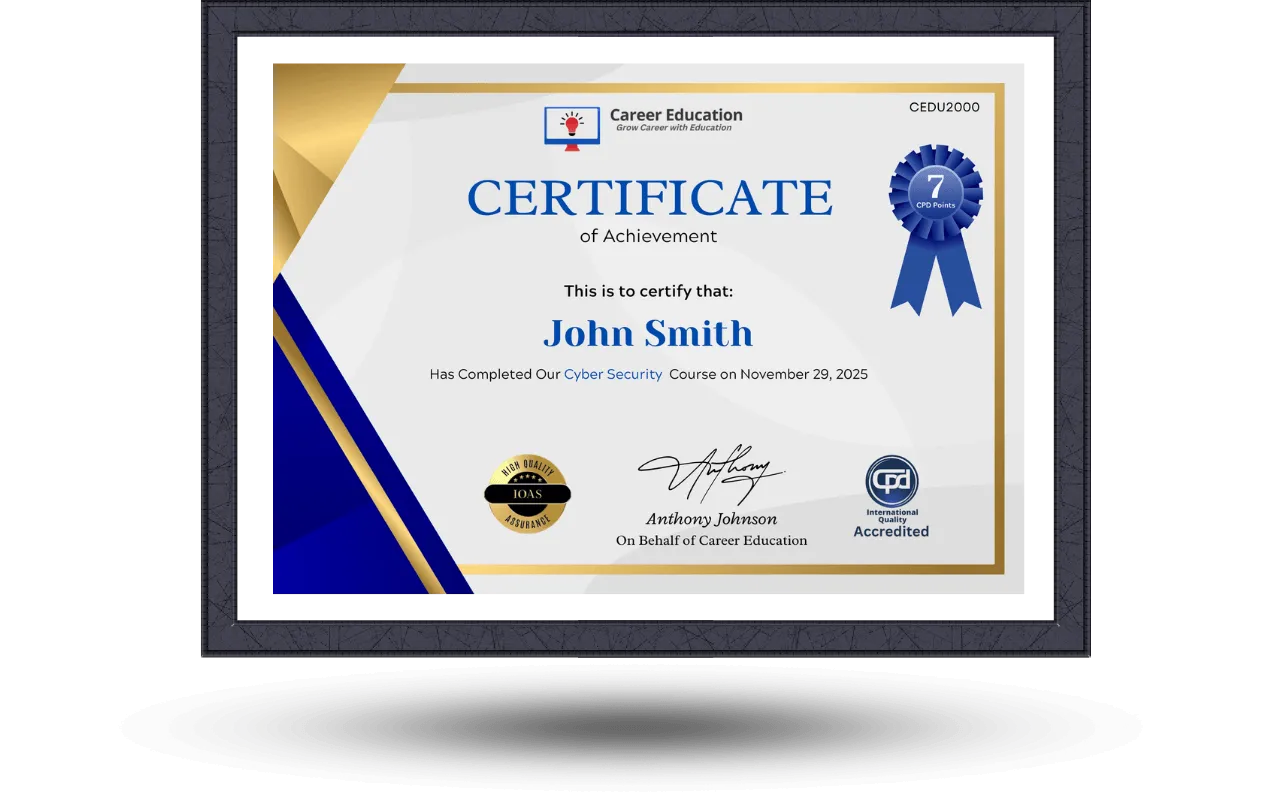
Earn an Accredited Certificate
Upon completion of any course, all students are entitled to a CPD IQ Accredited e-certificate that will be issued by Career Education signifying the completion of your course.
After you complete the course and assignment, you will be eligible to order a free certificate accredited by CPD International Quality by completing the form below.
Hardcopy certificates and transcripts are also available for a small additional fee. More information is disclosed upon course completion.
Similar Courses




Frequently Asked Questions
The lifetime membership includes unlimited access to all courses, resources, and updates for a one-time fee.
You can purchase the membership directly from our website using a secure checkout process.
Yes, selected courses can be downloaded for offline access through our mobile app.
Yes, all future updates and new courses are included at no extra cost.
Yes, we offer a 30-day money-back guarantee if you are not satisfied with the membership.