
94%
OFF
OFF
Workplace Diversity and Inclusion Essentials
- Lifetime Access
- All Levels
- PDF Certificate
£296
£19
14-Day Money-Back Guarantee
Learn With Confidence








# Workplace Diversity and Inclusion Essentials
In today’s evolving professional environment, organisations need more than talented employees—they need workplaces where people with different backgrounds, experiences, perspectives, and abilities can contribute, collaborate, and grow. **Workplace Diversity and Inclusion Essentials** provides a practical foundation for understanding diversity, developing inclusive workplace practices, recognising unconscious bias, supporting fair recruitment, strengthening inclusive leadership, and managing workplace differences constructively.
A diverse workforce can bring valuable perspectives, new ideas, stronger problem-solving approaches, and broader understanding of customers and communities. However, diversity alone does not automatically create an inclusive workplace. Employees also need to feel respected, heard, valued, and able to participate meaningfully. This course explores how individuals and organisations can contribute to a workplace culture where differences are recognised as a source of strength rather than a barrier to collaboration.
Whether you are an employee, team leader, manager, HR professional, business owner, or aspiring leader, **Workplace Diversity and Inclusion Essentials** can help you develop practical knowledge for creating more respectful, collaborative, and inclusive working environments.
## Why Study Workplace Diversity and Inclusion Essentials?
Workplaces bring together people with different backgrounds, identities, experiences, communication styles, skills, perspectives, and ways of thinking. These differences can create opportunities for innovation and learning, but they can also create misunderstandings, assumptions, exclusion, or conflict when they are not managed thoughtfully.
**Workplace Diversity and Inclusion Essentials** helps learners understand the principles behind an inclusive workplace and recognise the role that individuals at every level can play in supporting positive workplace relationships.
Throughout the course, you will explore practical topics including:
* The fundamental concepts of diversity and inclusion.
* Different dimensions of workplace diversity.
* Unconscious bias and stereotypes.
* Inclusive workplace culture.
* Fair and inclusive recruitment practices.
* Inclusive leadership approaches.
* Managing diversity-related conflict.
* Respectful communication and collaboration.
* Creating opportunities for employee participation.
* Supporting a positive workplace environment.
The goal is not simply to understand terminology. The course is designed to help you apply diversity and inclusion principles to everyday workplace situations.
—
## Module 1 – Introduction to Diversity and Inclusion
The course begins by establishing a clear understanding of diversity and inclusion and why both concepts matter in modern workplaces.
### Lesson 1 – Introduction to Diversity and Inclusion
In this introductory lesson, you will explore the meaning of diversity and inclusion and examine how they influence workplace relationships, employee experiences, organisational culture, and business performance.
You will learn why having a diverse workforce is only one part of creating an inclusive environment. Inclusion involves creating conditions where employees can participate, communicate their ideas, feel respected, and contribute to shared goals.
The lesson also introduces the potential benefits of inclusive workplaces, including improved collaboration, broader perspectives, stronger employee engagement, and more effective problem-solving.
By completing this module, you will have a solid foundation for understanding the importance of diversity and inclusion across different workplace environments.
—
## Module 2 – Understanding Different Dimensions of Diversity
Diversity extends beyond the characteristics that may be immediately visible. People bring a wide range of experiences, perspectives, skills, backgrounds, and personal characteristics to their working environments.
This module explores the different dimensions of diversity and encourages learners to recognise the variety of experiences that can exist within a team or organisation.
You will develop awareness of areas such as:
* Differences in background and life experience.
* Age and generational perspectives.
* Gender and individual experiences.
* Cultural and social backgrounds.
* Disability and accessibility considerations.
* Different educational and professional experiences.
* Communication styles and perspectives.
* Individual skills, strengths, and approaches to work.
Understanding these dimensions can help you avoid making assumptions about colleagues and encourage more thoughtful workplace interactions.
The module also highlights the importance of recognising people as individuals rather than reducing them to a single characteristic or group identity.
By the end of this module, you should have a broader understanding of the many ways people can differ and how these differences can contribute to workplace learning, creativity, and collaboration.
—
## Module 3 – Unconscious Bias and Stereotypes
People can develop assumptions about others without always being aware of them. These unconscious biases can influence perceptions, decisions, communication, and workplace relationships.
This module introduces learners to unconscious bias and stereotypes and examines how they can affect professional environments.
You will explore how assumptions can influence areas such as:
* Recruitment and selection.
* Workplace communication.
* Performance perceptions.
* Team interactions.
* Opportunities for development.
* Leadership decisions.
* Everyday workplace relationships.
The course encourages learners to recognise that becoming aware of potential bias is an important first step towards making more thoughtful and objective decisions.
You will also examine the difference between assumptions and evidence-based judgement. By developing greater awareness of personal thought patterns and workplace behaviours, you can become better prepared to question assumptions and consider different perspectives.
The outcome is a more reflective approach to workplace decision-making and communication.
—
## Module 4 – Creating an Inclusive Workplace Culture
An inclusive culture is built through everyday behaviours, workplace practices, leadership expectations, and communication.
This module focuses on how organisations and employees can contribute to an environment where people feel respected and able to participate.
You will explore practical approaches to creating an inclusive workplace, including:
* Encouraging respectful communication.
* Listening to different perspectives.
* Promoting collaboration.
* Creating opportunities for employee participation.
* Recognising different contributions.
* Supporting respectful workplace relationships.
* Addressing exclusionary behaviours.
* Encouraging openness and constructive feedback.
You will also consider how workplace culture is influenced by everyday actions. Small behaviours—such as who gets invited to discussions, whose ideas are acknowledged, or how disagreements are handled—can influence whether employees feel included.
By completing this module, learners can develop practical ideas for supporting a more welcoming and collaborative workplace culture.
—
## Module 5 – Recruitment and Hiring Practices
Recruitment and hiring decisions can have a significant influence on workplace diversity. This module examines how organisations can approach recruitment and selection with greater awareness of fairness, consistency, and inclusion.
You will explore ways to recognise potential barriers that may affect candidates and consider how recruitment practices can be designed to support broader participation.
Topics include:
* Inclusive recruitment principles.
* Job descriptions and candidate requirements.
* Consistent selection processes.
* Structured evaluation.
* Recognising potential bias in hiring decisions.
* Fair candidate assessment.
* Creating accessible recruitment processes.
* Supporting diverse talent pipelines.
The module helps learners understand why objective and consistent recruitment practices matter. Rather than relying heavily on assumptions or personal preferences, organisations can use clearly defined criteria and structured processes to make more informed decisions.
This knowledge can be particularly valuable for managers, HR professionals, recruiters, supervisors, and business owners involved in hiring.
—
## Module 6 – Developing Inclusive Leadership
Leaders have a significant influence on workplace culture. Their behaviour can affect how employees communicate, collaborate, participate, and respond to differences.
This module explores the principles of inclusive leadership and the behaviours that can help leaders create stronger and more respectful teams.
You will learn about the importance of:
* Listening actively to employees.
* Encouraging different viewpoints.
* Creating psychological space for participation.
* Treating team members fairly.
* Recognising individual contributions.
* Communicating expectations clearly.
* Addressing inappropriate behaviours.
* Supporting collaboration.
* Making decisions thoughtfully.
* Leading by example.
Inclusive leadership does not mean treating every situation identically. It involves understanding different needs and circumstances while maintaining fair, consistent, and respectful workplace standards.
The module encourages leaders to become more aware of how their decisions and communication styles influence team experiences.
By the end of this section, you will have practical knowledge that can help you contribute to a more inclusive leadership approach.
—
## Module 7 – Managing Diversity and Conflict
Differences in perspectives, communication styles, expectations, and experiences can sometimes lead to workplace disagreements. Effective diversity management does not mean avoiding all conflict; instead, it involves developing constructive ways to understand and address disagreements.
This final module focuses on managing diversity-related challenges and workplace conflict professionally.
You will explore how to:
* Recognise potential sources of workplace conflict.
* Listen to different perspectives.
* Encourage respectful dialogue.
* Separate assumptions from facts.
* Address disagreements constructively.
* Maintain professional communication.
* Identify behaviours that may contribute to exclusion.
* Support collaborative problem-solving.
* Encourage respectful resolution.
The module emphasises the importance of addressing problems appropriately rather than allowing misunderstandings to escalate.
By developing these skills, learners can become better equipped to contribute to constructive workplace relationships and help create environments where differences can be discussed respectfully.
—
# What Will You Gain from Workplace Diversity and Inclusion Essentials?
Completing **Workplace Diversity and Inclusion Essentials** can help you develop practical knowledge that can be applied across a wide range of professional environments.
By the end of the course, you should be able to:
* Explain the fundamental concepts of diversity and inclusion.
* Recognise different dimensions of workplace diversity.
* Understand how unconscious bias and stereotypes can influence behaviour.
* Identify ways to support a more inclusive workplace culture.
* Understand the importance of fair and consistent recruitment practices.
* Apply principles of inclusive leadership.
* Communicate more effectively with people from different backgrounds.
* Recognise potential sources of diversity-related conflict.
* Support constructive approaches to workplace disagreements.
* Contribute to respectful and collaborative workplace relationships.
These outcomes can help you approach workplace interactions with greater awareness and confidence.
—
# Who Is This Course For?
**Workplace Diversity and Inclusion Essentials** is suitable for anyone who wants to understand and support diversity and inclusion in a professional environment.
It can be particularly useful for:
* Employees at all career levels.
* Team leaders and supervisors.
* Managers and department heads.
* HR professionals.
* Recruitment and hiring professionals.
* Business owners and entrepreneurs.
* Aspiring leaders.
* Workplace trainers and development professionals.
* Professionals responsible for team management.
* Individuals seeking to strengthen their workplace communication skills.
No advanced knowledge is required. The course provides a structured introduction that makes the subject accessible to learners from different professional backgrounds.
—
# Develop a More Inclusive Approach to Work
Creating an inclusive workplace is an ongoing process. It requires awareness, communication, leadership, fair practices, and a willingness to understand different perspectives.
**Workplace Diversity and Inclusion Essentials** gives you the knowledge to recognise how diversity influences workplace experiences and how inclusion can be supported through everyday actions and organisational practices.
You will move from understanding the basic principles of diversity and inclusion to exploring unconscious bias, workplace culture, recruitment, leadership, and conflict management. This progression allows you to build your knowledge systematically and connect individual behaviours with broader workplace outcomes.
Whether you want to become a more effective team member, improve your leadership approach, contribute to fairer recruitment, or strengthen your understanding of inclusive workplace practices, this course provides a practical starting point.
## Build Stronger Workplace Relationships
A successful workplace depends on people being able to communicate, collaborate, and work towards shared objectives. Understanding differences can help reduce assumptions, encourage better communication, and create opportunities for people to contribute their perspectives.
Through **Workplace Diversity and Inclusion Essentials**, you can develop a more thoughtful approach to workplace interactions and gain practical knowledge for supporting an environment based on respect, fairness, participation, and collaboration.
The course also encourages a proactive mindset. Rather than waiting for workplace issues to become serious, learners can develop greater awareness of potential barriers and consider constructive ways to address them.
## Take the Next Step Towards Inclusive Workplace Practices
Diversity and inclusion are increasingly important aspects of effective workplace culture. Organisations that understand and manage differences thoughtfully can create stronger opportunities for collaboration, employee participation, innovation, and professional development.
**Workplace Diversity and Inclusion Essentials** provides the foundational knowledge needed to understand these principles and apply them to real workplace situations.
From recognising different dimensions of diversity and understanding unconscious bias to supporting inclusive recruitment, leadership, culture, and conflict management, the course covers the essential areas you need to build your knowledge and confidence.
**Enrol in Workplace Diversity and Inclusion Essentials today and develop the knowledge and practical awareness needed to contribute to a more respectful, inclusive, collaborative, and productive workplace.**
Course Modules
Course Content
Module 1_ Introduction to Diversity and Inclusion
-
Lesson 1_ Introduction to Diversity and Inclusion
Module 2_ Understanding Different Dimensions of Diversity
Module 3_ Unconscious Bias and Stereotypes
Module 4_ Creating an Inclusive Workplace Culture
Module 5_ Recruitment and Hiring Practices
Module 6_ Developing Inclusive Leadership
Module 7_ Managing Diversity and Conflict
What our students say
Excellent
4.9 average
158 Reviews

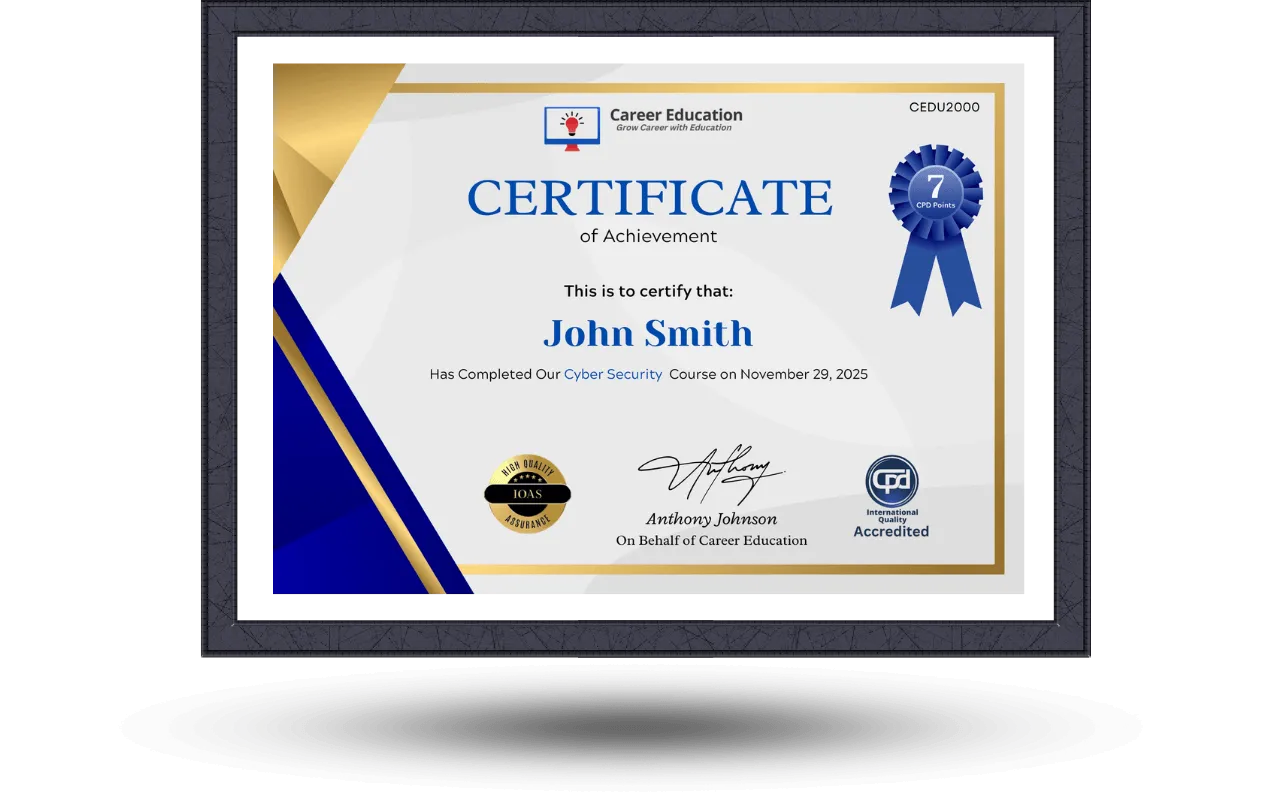
Earn an Accredited Certificate
Upon completion of any course, all students are entitled to a CPD IQ Accredited e-certificate that will be issued by Career Education signifying the completion of your course.
After you complete the course and assignment, you will be eligible to order a free certificate accredited by CPD International Quality by completing the form below.
Hardcopy certificates and transcripts are also available for a small additional fee. More information is disclosed upon course completion.
Similar Courses




Frequently Asked Questions
The lifetime membership includes unlimited access to all courses, resources, and updates for a one-time fee.
You can purchase the membership directly from our website using a secure checkout process.
Yes, selected courses can be downloaded for offline access through our mobile app.
Yes, all future updates and new courses are included at no extra cost.
Yes, we offer a 30-day money-back guarantee if you are not satisfied with the membership.