
94%
OFF
OFF
Wheel Chocks and Dockboard Safety
- Lifetime Access
- All Levels
- PDF Certificate
£296
£19
14-Day Money-Back Guarantee
Learn With Confidence









Wheel Chocks and Dockboard Safety
Workplace safety depends on more than knowing a few basic rules. In environments where vehicles, loading areas, outdoor conditions, changing weather, and emergency situations can create hazards, employees need practical knowledge that helps them recognize risks and make safer decisions.
The Wheel Chocks and Dockboard Safety course provides a structured introduction to essential safety practices, with a strong focus on recognizing hazards, preparing for challenging conditions, traveling safely, protecting yourself during outdoor activities, and responding effectively to emergencies. The course is designed to help learners build practical safety awareness that can be applied in workplaces and everyday situations.
Although wheel chocks and dockboards are important components of loading and unloading safety, effective hazard awareness goes beyond a single task. Safe working practices require people to understand their surroundings, identify changing risks, use appropriate protective measures, and respond responsibly when conditions become hazardous.
This course takes a broad approach to safety education by covering winter hazards, appropriate clothing, safe travel, recreational safety, home safety, emergency preparedness, and outdoor activities.
Why Take the Wheel Chocks and Dockboard Safety Course?
Loading docks and vehicle areas can present significant risks when appropriate safety procedures are not followed. Wheel chocks, dockboards, and other safety equipment are designed to help control hazards, but equipment alone cannot replace good judgment and proper preparation.
The Wheel Chocks and Dockboard Safety course helps learners develop a stronger safety mindset. By exploring different types of hazards and practical prevention strategies, participants can become better prepared to recognize unsafe situations before they lead to accidents.
The course is also valuable for anyone who works or spends time in environments affected by winter weather. Snow, ice, low temperatures, reduced visibility, and changing outdoor conditions can introduce additional hazards that require careful planning.
By completing the course, learners can strengthen their understanding of:
-
Common winter and environmental hazards
-
Appropriate preparation for cold-weather conditions
-
Safer travel practices
-
Personal protection during outdoor activities
-
Home safety during winter
-
Emergency preparedness
-
Outdoor recreation safety
-
General hazard awareness and prevention
What Will You Learn?
The Wheel Chocks and Dockboard Safety course is organized into seven practical modules. Each module addresses an important area of safety awareness and helps learners develop knowledge that can support safer decision-making.
Module 1: Introduction to Winter Hazards
Winter conditions can change the safety of familiar environments. Ice, snow, cold temperatures, reduced visibility, and slippery surfaces can increase the possibility of accidents.
In this module, learners are introduced to common winter hazards and the importance of identifying risks before beginning work or travel. You will explore how weather conditions can affect surfaces, movement, visibility, transportation, and outdoor activities.
The module encourages proactive thinking. Rather than waiting for an incident to happen, learners can develop the habit of assessing conditions and taking reasonable precautions.
This knowledge can also support a broader understanding of workplace safety, particularly in areas where vehicles, loading zones, walkways, and outdoor workspaces may be affected by changing weather.
Module 2: Dressing for Winter
Appropriate clothing can play an important role in staying comfortable and protected in cold conditions. Poor preparation for low temperatures can make outdoor activities more difficult and may affect concentration and physical performance.
This module explores practical considerations when dressing for winter. Learners will understand why suitable clothing, footwear, and protective accessories matter when spending time outdoors in cold or changing conditions.
The goal is not simply to wear more clothing, but to understand how thoughtful preparation can support safer participation in winter activities.
The lessons can help learners make better choices when preparing for work, travel, recreation, or other outdoor activities during colder weather.
Module 3: Safe Travel in Winter Conditions
Winter travel can present challenges for pedestrians, drivers, passengers, and workers. Snow and ice can affect visibility, traction, stopping distances, and general movement.
This module focuses on developing safer travel habits in winter conditions. Learners will explore the importance of planning ahead, recognizing changing conditions, and adjusting behavior appropriately.
The principles covered can also complement workplace safety practices involving vehicles and loading areas. For example, when winter weather affects a facility’s parking area, access route, loading zone, or dock area, recognizing environmental hazards becomes an important part of maintaining safety.
By completing this module, learners can develop a more cautious and informed approach to winter travel.
Module 4: Winter Sports Safety
Winter recreation can be enjoyable, but outdoor activities can also introduce hazards when participants are not adequately prepared.
This module introduces safety considerations associated with winter sports and recreational activities. Learners will explore the importance of understanding the environment, preparing appropriately, following established safety rules, and recognizing personal and environmental limitations.
The emphasis is on prevention and responsible participation. Understanding potential hazards before starting an activity can help individuals make better decisions and reduce unnecessary risks.
The lessons also reinforce the broader safety principle that preparation is an essential part of accident prevention.
Module 5: Home Safety in Winter
Winter safety does not stop when the working day ends. Homes can also contain hazards that become more significant during colder weather.
This module examines important aspects of home safety during winter. Learners will consider how cold weather, slippery areas, heating equipment, power disruptions, and other seasonal conditions can affect household safety.
The module encourages learners to identify potential hazards in advance and take reasonable steps to prepare their homes for winter conditions.
This proactive approach can contribute to a stronger overall safety culture. Whether at work, at home, or outdoors, identifying hazards early is one of the most useful habits a safety-conscious individual can develop.
Module 6: Emergency Preparedness
Even with careful planning, emergencies can happen. Being prepared can make it easier to respond calmly and appropriately when circumstances change unexpectedly.
The emergency preparedness module introduces learners to the importance of planning for emergencies and understanding what actions may be necessary when normal conditions are disrupted.
You will explore the value of preparation, awareness, communication, and having appropriate emergency plans. These concepts can be useful in workplaces, homes, during travel, and while participating in outdoor activities.
Emergency preparedness is especially important during severe weather because changing conditions can affect transportation, communication, access to services, and normal daily routines.
By developing preparedness habits, learners can become more confident in recognizing the need to respond and follow established emergency procedures.
Module 7: Outdoor Recreation Safety
Outdoor recreation provides opportunities to exercise, explore, and enjoy different environments. However, outdoor settings can also involve changing weather, uneven surfaces, remote locations, and other hazards.
This module focuses on responsible outdoor recreation and the importance of preparing before participating in activities.
Learners will develop greater awareness of environmental conditions and the need to consider safety before and during outdoor activities. The module reinforces the importance of planning, appropriate equipment, situational awareness, and responsible decision-making.
These principles can transfer to many situations beyond recreation, helping learners build a more comprehensive approach to personal and environmental safety.
Practical Outcomes of the Course
The purpose of the Wheel Chocks and Dockboard Safety course is to help learners move beyond simply recognizing safety terminology and develop practical awareness that can influence everyday decisions.
After completing the course, learners should be better prepared to:
-
Recognize common winter-related hazards.
-
Identify environmental conditions that may increase risk.
-
Prepare appropriately for cold-weather activities.
-
Make safer decisions when traveling in winter conditions.
-
Understand important considerations for winter recreation.
-
Improve awareness of potential winter hazards around the home.
-
Understand the importance of emergency preparation.
-
Apply responsible safety practices during outdoor recreation.
-
Develop a proactive approach to hazard identification.
-
Recognize why preparation is an essential part of safety.
-
Apply general safety principles across different environments.
Who Can Benefit From This Course?
The Wheel Chocks and Dockboard Safety course can be useful for learners who want to strengthen their general safety awareness and develop a better understanding of hazards associated with winter conditions and outdoor environments.
It may be particularly relevant to:
-
Employees working in environments affected by seasonal weather
-
Individuals involved in workplace safety training
-
Workers who regularly travel or work outdoors
-
People responsible for preparing workplaces or homes for winter
-
Individuals interested in emergency preparedness
-
Outdoor recreation participants
-
Learners seeking practical safety knowledge
-
Anyone who wants to improve their awareness of environmental hazards
The course can also serve as useful supplementary learning for individuals who already encounter workplace vehicle, loading-area, or dock-related safety responsibilities and want to broaden their understanding of hazard prevention.
Build a Stronger Safety Mindset
Safety is not simply about reacting after something goes wrong. Effective safety practices begin with preparation, awareness, and responsible decision-making.
The Wheel Chocks and Dockboard Safety course provides learners with an opportunity to explore these principles across multiple environments. From identifying winter hazards to preparing for emergencies and participating safely in outdoor activities, the course encourages learners to think ahead and recognize risks before they become problems.
Understanding safety principles can help individuals approach everyday situations with greater awareness. Weather can change. Surfaces can become hazardous. Travel conditions can deteriorate. Emergencies can occur without warning. Being prepared for these possibilities can make a meaningful difference.
For workplaces involving vehicles, loading areas, wheel chocks, or dockboards, safety awareness is particularly important. Equipment should always be used according to workplace procedures, manufacturer guidance, and applicable safety requirements. At the same time, workers benefit from understanding the wider environmental conditions that can influence safety.
Take the Next Step Toward Better Safety Awareness
Investing in safety education is an investment in knowledge, preparation, and responsible decision-making. The Wheel Chocks and Dockboard Safety course brings together seven focused modules covering winter hazards, appropriate preparation, safer travel, recreational safety, home safety, emergency preparedness, and outdoor activities.
Whether your goal is to strengthen workplace awareness, prepare for winter conditions, improve your understanding of emergency planning, or develop safer habits for outdoor activities, this course offers a practical foundation.
Start building stronger safety awareness today. Enroll in the Wheel Chocks and Dockboard Safety course and develop knowledge that can help you recognize hazards, prepare more effectively, and make safer decisions across a variety of environments.
Course Modules
Course Content
Module 1_ Introduction to Wheel Chocks & Dockboards.
-
Lesson 1_ Introduction to Wheel Chocks & Dockboards.
Module 2_ Types of Wheel Chocks.
Module 3_ Selection and Sizing of Wheel Chocks.
Module 4_ Proper Placement and Installation of Wheel Chocks.
Module 5_ Maintenance and Inspection of Wheel Chocks.
Module 6_ Introduction to Dockboards (also known as Dock Plates).
Module 7_ Material Composition of Dockboards.
What our students say
Excellent
4.9 average
158 Reviews

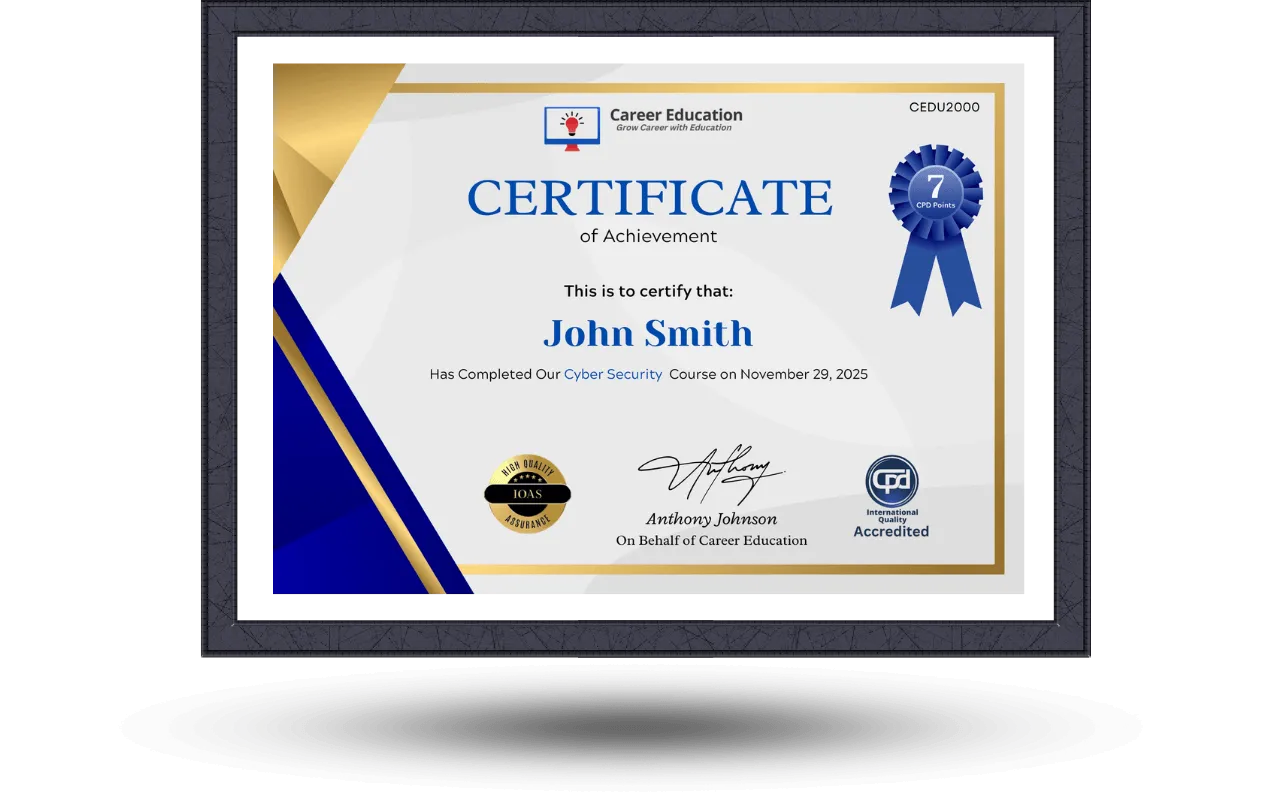
Earn an Accredited Certificate
Upon completion of any course, all students are entitled to a CPD IQ Accredited e-certificate that will be issued by Career Education signifying the completion of your course.
After you complete the course and assignment, you will be eligible to order a free certificate accredited by CPD International Quality by completing the form below.
Hardcopy certificates and transcripts are also available for a small additional fee. More information is disclosed upon course completion.
Similar Courses


Frequently Asked Questions
The lifetime membership includes unlimited access to all courses, resources, and updates for a one-time fee.
You can purchase the membership directly from our website using a secure checkout process.
Yes, selected courses can be downloaded for offline access through our mobile app.
Yes, all future updates and new courses are included at no extra cost.
Yes, we offer a 30-day money-back guarantee if you are not satisfied with the membership.