Skip to content
94%
OFF

WELL Building Standard Certification and Principles

  • Lifetime Access
  • All Levels
  • PDF Certificate
£19.00 £296.00
14-Day Money-Back Guarantee

Learn With Confidence

IOAS High Quality Assurance
AoHT Member
Disability Confident Committed
CPD Accredited Provider
CPD International Quality
14 Days Money Back Guarantee
Lifetime Access
Incensu Registered
SSL Secure

Overview

Learn How to Create Health-Focused Buildings That Improve Human Wellbeing, Comfort, and Performance

Buildings are more than physical structures; they are environments where people live, work, learn, and spend a significant amount of their time. As awareness grows around the connection between built environments and human health, organisations and professionals are increasingly focusing on designing spaces that support wellbeing, productivity, and quality of life.

The WELL Building Standard Certification and Principles course provides learners with a comprehensive understanding of the principles behind healthy building design and the WELL Building Standard framework. This course explores how buildings can be designed and managed to support physical health, mental wellbeing, comfort, and community connection.

Through this programme, learners will discover the key concepts behind WELL certification, including air quality, water, nourishment, lighting, movement, thermal comfort, sound, materials, mindfulness, and community wellbeing. The course provides valuable knowledge for professionals working in architecture, construction, property management, sustainability, workplace design, facilities management, and anyone interested in healthier built environments.

Whether you are looking to enhance your professional knowledge, understand sustainable building practices, or contribute to healthier spaces, the WELL Building Standard Certification and Principles course provides the essential foundation to understand how buildings can positively influence human wellbeing.


Why Study the WELL Building Standard Certification and Principles Course?

Traditional building standards have often focused primarily on structural performance, energy efficiency, and environmental impact. However, modern approaches increasingly recognise that buildings must also support the health and wellbeing of the people who use them.

The WELL Building Standard Certification and Principles course introduces learners to a human-centred approach to building design and operation.

By completing this course, you will learn how to:

  • Understand the purpose and principles of the WELL Building Standard
  • Explore how indoor environments affect human health
  • Identify strategies for improving air and water quality
  • Understand the role of lighting and movement in wellbeing
  • Recognise the importance of comfort and healthy materials
  • Explore approaches that support mental health and community connection
  • Apply WELL principles in different building environments

This knowledge can help professionals contribute to healthier workplaces, homes, and public spaces.


Why Choose This Course?

The WELL Building Standard Certification and Principles course offers a practical introduction to one of the leading frameworks focused on improving human wellbeing through building design.

This course focuses on:

  • Health-centred design principles
  • Indoor environmental quality
  • Human comfort and performance
  • Workplace wellbeing
  • Sustainable building practices
  • Creating supportive environments

Learners will gain insight into how different aspects of a building environment influence physical and mental wellbeing.

The course is suitable for both beginners and professionals who want to understand the relationship between buildings and human health.


Understanding the WELL Building Standard

The WELL Building Standard is a framework designed to help create environments that support human health and wellbeing. It focuses on measurable strategies that address important aspects of the indoor environment.

The principles of WELL recognise that factors such as clean air, safe water, natural light, movement opportunities, and social connection can influence how people feel and perform within a space.

The WELL Building Standard Certification and Principles course introduces learners to these concepts and explains how they can be applied in real-world environments.

By understanding WELL principles, learners can better appreciate how thoughtful design decisions can create healthier and more productive spaces.


Course Curriculum

Module 1: Introduction to the WELL Building Standard

The first module introduces the purpose, history, and structure of the WELL Building Standard.

Topics include:

  • Overview of WELL principles
  • The relationship between buildings and wellbeing
  • Health-focused building design
  • WELL certification concepts
  • Benefits of healthy buildings
  • The importance of occupant wellbeing

Learners will explore why wellbeing has become a central focus in modern building practices.

This module provides the foundation needed to understand how WELL strategies support healthier environments and improve experiences for building occupants.


Module 2: Air Quality

Indoor air quality plays a significant role in occupant health, comfort, and productivity.

This module explores:

  • Importance of indoor air quality
  • Sources of indoor air pollution
  • Ventilation strategies
  • Air filtration approaches
  • Monitoring air conditions
  • Improving indoor environments

Learners will understand how building design and management practices can influence air quality.

This knowledge helps professionals recognise the importance of creating spaces where occupants can breathe cleaner and healthier air.


Module 3: Water Quality

Access to clean and safe water is an essential element of healthy buildings.

This module covers:

  • Importance of water quality
  • Water contamination risks
  • Water treatment approaches
  • Monitoring water safety
  • Supporting healthy hydration
  • WELL water principles

Learners will explore how buildings can support safe water access and encourage healthier habits among occupants.

Understanding water quality requirements helps professionals contribute to safer and more supportive environments.


Module 4: Nourishment

The built environment can influence choices related to nutrition and healthy lifestyles.

This module explores:

  • The connection between buildings and nutrition
  • Supporting healthier food choices
  • Access to nutritious options
  • Food awareness strategies
  • Encouraging wellbeing through nourishment

Learners will understand how workplace and community environments can promote healthier eating behaviours.

This module highlights the importance of considering wellbeing beyond physical building features.


Module 5: Light

Lighting has a significant impact on comfort, productivity, sleep patterns, and overall wellbeing.

This module covers:

  • The role of natural and artificial lighting
  • Circadian rhythms and light exposure
  • Lighting design principles
  • Reducing visual discomfort
  • Supporting productivity and wellbeing

Learners will explore how effective lighting strategies can create healthier and more comfortable spaces.

Understanding the relationship between light and human health is essential for modern building design.


Module 6: Movement

Modern lifestyles often involve long periods of sitting, making movement-focused design increasingly important.

This module explores:

  • The importance of physical activity
  • Designing spaces that encourage movement
  • Active workplace strategies
  • Supporting healthier routines
  • Movement opportunities in buildings

Learners will discover how building environments can encourage healthier behaviours and support physical wellbeing.

This module demonstrates how design can influence daily habits and lifestyle choices.


Module 7: Thermal Comfort

Comfortable temperatures are essential for creating productive and supportive environments.

This module covers:

  • Understanding thermal comfort
  • Temperature control strategies
  • Individual comfort preferences
  • Managing indoor climate
  • Improving occupant satisfaction

Learners will explore how temperature, humidity, and ventilation influence comfort within buildings.

This knowledge helps professionals create environments where people can work and live more comfortably.


Module 8: Sound

Noise levels can affect concentration, communication, relaxation, and wellbeing.

This module explores:

  • The impact of sound on health
  • Noise management strategies
  • Acoustic design principles
  • Creating quieter environments
  • Supporting concentration and comfort

Learners will understand how sound management contributes to healthier indoor spaces.

This module highlights the importance of considering acoustic wellbeing in building design.


Module 9: Materials

The materials used in buildings can influence indoor environmental quality and occupant health.

This module covers:

  • Healthy material selection
  • Chemical exposure considerations
  • Sustainable material choices
  • Reducing harmful substances
  • Supporting healthier interiors

Learners will explore how material choices contribute to safer and more comfortable environments.

Understanding material impacts allows professionals to make more informed decisions during design and construction.


Module 10: Mind and Community

The final module explores the connection between buildings, mental wellbeing, and social connection.

Topics include:

  • Supporting mental wellbeing through design
  • Creating inclusive spaces
  • Encouraging community connection
  • Promoting mindfulness
  • Supporting social interaction
  • Building healthier communities

Learners will understand how buildings can support emotional wellbeing and stronger connections between people.

This module completes the course by exploring the human side of building design and the importance of creating spaces where people can thrive.


Skills You Will Develop

By completing the WELL Building Standard Certification and Principles course, you will develop valuable skills including:

  • Understanding WELL certification concepts
  • Applying health-focused building principles
  • Recognising indoor environmental factors
  • Evaluating wellbeing-focused strategies
  • Understanding occupant-centred design
  • Supporting healthier workplace environments
  • Identifying opportunities for improving building performance

These skills can support professionals involved in property, sustainability, construction, workplace design, and facilities management.


Who Should Enrol?

The WELL Building Standard Certification and Principles course is suitable for:

  • Architects and designers
  • Construction professionals
  • Property managers
  • Facilities managers
  • Sustainability professionals
  • Workplace specialists
  • Health and wellbeing professionals
  • Students interested in building design
  • Anyone interested in healthier environments

No advanced technical knowledge is required. This course provides an accessible introduction to WELL concepts and healthy building principles.


Career and Professional Benefits

As organisations increasingly prioritise employee wellbeing and healthier environments, knowledge of wellbeing-focused building practices has become increasingly valuable.

Completing the WELL Building Standard Certification and Principles course can help learners:

  • Improve professional knowledge
  • Support healthier building projects
  • Understand modern workplace trends
  • Enhance sustainability awareness
  • Contribute to wellbeing-focused initiatives

Professionals with knowledge of health-centred design principles can play an important role in shaping the future of buildings and communities.


Practical Learning for Healthier Buildings

This course focuses on practical knowledge that can be applied across different environments.

Learners will explore how to:

  • Identify wellbeing challenges in buildings
  • Understand occupant needs
  • Apply WELL-inspired strategies
  • Improve indoor experiences
  • Support healthier lifestyles through design

By understanding these principles, learners can contribute to creating spaces that support both people and organisations.


Why WELL Building Principles Matter

People spend a significant amount of time inside buildings, making the quality of indoor environments extremely important. Healthy buildings can influence comfort, productivity, satisfaction, and overall wellbeing.

The WELL Building Standard Certification and Principles course provides learners with the knowledge needed to understand how buildings can become more supportive, healthier, and human-focused.

By exploring air, water, nourishment, light, movement, comfort, sound, materials, mind, and community, learners gain a complete understanding of the factors that contribute to wellbeing-centred design.


Enrol Today and Build Knowledge of Healthier Environments

The future of building design is focused not only on how structures perform but also on how they support the people who use them.

Enrol in the WELL Building Standard Certification and Principles course today and gain valuable knowledge about creating healthier, more comfortable, and wellbeing-focused spaces.

Whether you work in construction, design, property, sustainability, or simply want to understand the future of healthy buildings, this course provides the essential foundation to explore the principles behind better environments.


£296.00 £19.00

Save Over 94% - Offer Ends soon

BUY NOW

14-Day Money-Back Guarantee

Course Modules

Course Content

Module 1_ Introduction to the WELL Building Standard

  • Lesson 1_ Introduction to the WELL Building Standard

Module 2_ Air Quality

Module 3_ Water Quality

Module 4_ Nourishment

Module 5_ Light

Module 6_ Movement

Module 7_ Thermal Comfort

Module 8_ Sound

Module 9_ Materials

Module 10_ Mind and Community

What our students say

Excellent
4.9 average
158 Reviews

Taufiq Israil
Verified Customer

This course completely transformed how I approach design. The section on design systems was worth the price alone. I landed a Junior Designer role three weeks after finishing!

Andrew Osborne
Verified Customer

The courses provided a wide variety of complete program materials and exam mockups. Fantastic!

Gregory Holmes
Verified Customer

The range of courses offered is extensive and the quality of training is top notch, second to pretty perfect!

Zach Parks
Verified Customer

The course I completed was engaging, insightful, informative! The instructor kept me motivated throughout.

Earn an Accredited Certificate

Earn an Accredited Certificate

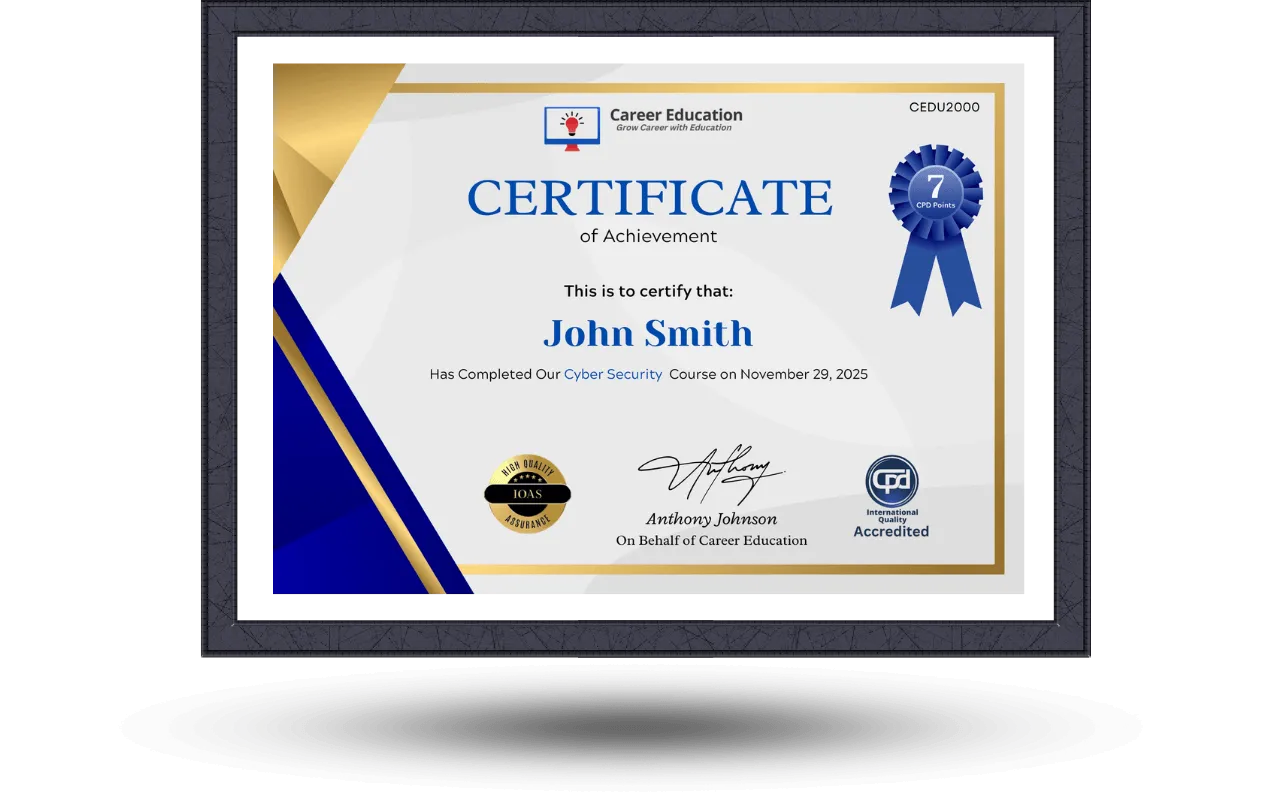
Upon completion of the course, an e-certificate will be downloadable from Khan Education signifying the completion of your course. But, the course is CPD Accredited and after you complete the assignment, you will be eligible to order a certificate accredited by CPD International Quality for £5.99 only. If you want a hardcopy certificate accredited by CPD IQ, you can get it for only £15.99.

Get your Certificate

Frequently Asked Questions

The lifetime membership includes unlimited access to all courses, resources, and updates for a one-time fee.

You can purchase the membership directly from our website using a secure checkout process.

Yes, selected courses can be downloaded for offline access through our mobile app.

Yes, all future updates and new courses are included at no extra cost.

Yes, we offer a 30-day money-back guarantee if you are not satisfied with the membership.