
94%
OFF
OFF
Voice Acting Training
- Lifetime Access
- All Levels
- PDF Certificate
£296
£19
14-Day Money-Back Guarantee
Learn With Confidence









# Voice Acting Training
Turn your voice into a versatile creative and professional tool with **Voice Acting Training**. This comprehensive course is designed for aspiring voice actors, performers, content creators, presenters, narrators and anyone who wants to develop the skills needed to deliver engaging, confident and expressive vocal performances.
Voice acting is much more than simply reading words aloud. A successful voice actor needs to communicate emotion, personality, intention and meaning without relying on facial expressions or body language. Whether you are recording an advertisement, audiobook, animation, video game, e-learning course, corporate video or other form of audio content, your voice needs to connect with the listener.
That requires technique, acting ability, script interpretation, microphone awareness and professional communication.
**Voice Acting Training** provides a structured introduction to these essential areas. Across seven modules, you will explore the foundations of voice and speech, character development, microphone technique, home studio setup, script reading, delivery styles, client relationships, taking direction and building a voice acting career in the UK.
The course is designed with practical outcomes in mind, helping you understand not only what voice acting involves but also how to approach it as a developing professional skill.
## Why Learn Voice Acting?
Voice-based content is used across a wide range of industries. Businesses, production companies, publishers, broadcasters, educators, advertisers and digital creators all rely on effective spoken communication.
A strong voice performance can make information more engaging, bring a fictional character to life, communicate a brand message or create an emotional connection with an audience.
For aspiring performers, voice acting can also offer opportunities to work across different formats without necessarily appearing on camera.
However, having a naturally pleasant voice is not enough.
Voice acting involves learning how to control your voice, interpret scripts, create believable characters, respond to direction and deliver consistent performances.
**Voice Acting Training** gives you a foundation for developing these abilities.
## Course Learning Outcomes
By completing **Voice Acting Training**, you will develop the knowledge to:
* Understand the fundamentals of voice acting.
* Explore the role of voice, speech and vocal expression.
* Develop greater awareness of vocal technique.
* Apply acting principles to voice performances.
* Explore character development and character voice creation.
* Improve script reading and interpretation.
* Understand different voice delivery styles.
* Develop microphone technique and recording awareness.
* Explore the essentials of a home voice recording setup.
* Understand how to work professionally with clients.
* Respond constructively to direction and feedback.
* Explore opportunities within the UK voice acting industry.
* Understand important considerations when developing a voice acting career.
* Build greater confidence in approaching voice-based performance work.
—
## Module 1: Introduction to Voice Acting
The first module introduces the world of voice acting and establishes the foundations for the rest of the course.
You will explore what voice acting involves and how it differs from ordinary speaking.
In everyday conversation, people naturally use facial expressions, gestures and body language to communicate meaning. Voice actors often need to communicate the same emotional information using the voice alone.
This makes vocal performance a specialised skill.
You will consider the different types of work voice actors may encounter, including narration, commercials, animation, video games, corporate content, educational materials and other audio productions.
The module also introduces the importance of preparation and performance.
A successful voice actor needs to understand the purpose of a recording, identify the intended audience and consider the appropriate tone and style.
By completing this module, you will have a clearer understanding of the voice acting profession and the skills required to develop as a performer.
—
## Module 2: Voice and Speech Foundations
Your voice is your primary instrument as a voice actor.
Module 2 focuses on the foundations of voice and speech and explores how vocal technique can influence performance.
You will develop greater awareness of elements such as clarity, articulation, pronunciation, pace, volume, pitch, tone and vocal expression.
These elements can dramatically change the way a script is perceived.
For example, a sentence delivered quickly and energetically can create a completely different impression from the same words delivered slowly and thoughtfully.
Good voice acting therefore requires conscious control of vocal choices.
The module encourages you to become more aware of how your voice works and how different techniques can influence communication.
You will also explore the importance of clear speech.
Articulation and appropriate pacing can help listeners understand the message while maintaining a natural and engaging delivery.
Developing these foundations can give you greater control over your performances and provide a strong base for more advanced voice acting work.
—
## Module 3: Character Development and Acting Skills
Voice acting is acting.
Module 3 explores character development and the acting skills needed to create believable vocal performances.
A character’s voice should reflect their personality, circumstances, emotions and intentions.
Simply changing the pitch of your voice does not necessarily create a convincing character.
You need to understand who the character is and why they are speaking.
You will explore how acting techniques can help you make more informed performance choices.
This includes thinking about character motivation, emotional state, relationships and circumstances.
You will also consider how vocal characteristics can contribute to a character’s identity.
Different combinations of pitch, pace, tone, rhythm and energy can help distinguish one character from another.
The module encourages you to make deliberate creative choices rather than relying on exaggerated voices.
This can be particularly useful for animation, games, audio drama and other character-driven work.
By completing this module, you will have a stronger understanding of how acting and voice technique work together.
—
## Module 4: Microphone Technique and Home Studio Setup
A good performance can be undermined by poor recording technique.
Module 4 introduces microphone technique and home studio setup, helping you understand the practical side of producing voice recordings.
You will explore important considerations when working with a microphone, including positioning, consistency, recording environment and vocal delivery.
Microphone technique involves more than simply speaking into the microphone.
Distance, positioning and movement can influence the recorded sound. Maintaining consistency can help produce cleaner and more professional recordings.
The module also introduces home studio considerations.
A professional recording environment does not necessarily require an elaborate setup, but the recording space should be suitable for capturing clear audio.
You will explore considerations such as room conditions, equipment, background noise and the importance of creating a controlled recording environment.
Understanding these fundamentals can help you make more informed decisions when setting up your own recording space.
The goal is to give you a practical foundation for approaching voice recording with greater confidence.
—
## Module 5: Script Reading and Delivery Styles
A voice actor’s ability to interpret and deliver a script is central to successful performance.
Module 5 focuses on script reading and explores different delivery styles.
Reading a script effectively involves more than pronouncing every word correctly. You need to understand what the script is trying to communicate and identify the appropriate emotional and vocal approach.
You will explore how factors such as audience, purpose, context and genre can influence delivery.
A commercial may require an energetic and persuasive approach. An educational narration may need clarity and authority. An audiobook may require more varied characterisation and storytelling.
The same voice actor may therefore need to adapt their delivery depending on the project.
You will develop awareness of pacing, emphasis, pauses, tone and emotional expression.
The module encourages learners to consider how vocal choices can support the meaning of the written words.
This can help you deliver scripts in a way that feels natural, engaging and appropriate for the intended audience.
—
## Module 6: Working With Clients and Taking Direction
Professional voice acting involves more than performance.
Module 6 focuses on working with clients and responding to direction.
Voice actors may receive feedback about pacing, tone, pronunciation, emphasis, energy or interpretation.
Being able to respond positively to direction is an important professional skill.
You will explore the importance of listening carefully to client requirements and understanding the purpose of a project.
Professional communication can help prevent misunderstandings and create stronger working relationships.
You will also consider the importance of flexibility.
A client may request changes to a performance, and a professional voice actor needs to be able to make adjustments while maintaining quality and consistency.
The module encourages a professional attitude towards feedback and collaboration.
Rather than viewing direction as criticism, you can treat it as information that helps you deliver the desired result.
These skills can be valuable when working with producers, directors, businesses, agencies and individual clients.
—
## Module 7: Building a Voice Acting Career in the UK
The final module focuses on developing a voice acting career in the UK.
You will explore important considerations for approaching voice acting as a professional activity and building a sustainable career.
A voice acting career can involve multiple types of work, and opportunities may vary according to your skills, experience, voice profile and professional network.
You will consider the importance of developing your skills and presenting yourself professionally.
A voice actor may need suitable demonstration recordings, professional communication skills and an understanding of how to approach potential opportunities.
You will also explore the importance of continued development.
The voice acting industry can be competitive, so ongoing practice and improvement are valuable.
Developing a professional mindset can help you approach auditions, client work and networking opportunities more effectively.
The module provides a foundation for thinking about voice acting not simply as a creative interest but as a potential professional pathway.
—
# Develop Your Voice as a Professional Instrument
Your voice is an instrument that can be developed.
Through regular practice and greater awareness, you can improve your ability to control vocal characteristics and adapt your performance to different situations.
**Voice Acting Training** helps you understand the relationship between voice technique, acting and communication.
Rather than relying solely on your natural speaking voice, you can begin making deliberate choices about how you deliver different types of content.
## Improve Vocal Clarity and Expression
Clear communication is essential in voice acting.
Listeners need to understand the words while remaining engaged with the performance.
The course explores foundations such as articulation, pace, tone and vocal expression, helping you develop greater awareness of the elements that influence your delivery.
## Bring Characters to Life
Character work requires imagination and acting ability.
The course introduces character development principles that can help you think beyond simply creating a different-sounding voice.
You will learn to consider character motivation, personality and emotional circumstances when approaching a performance.
## Become More Comfortable Behind the Microphone
Microphone awareness is an important part of voice recording.
Understanding positioning, recording conditions and home studio considerations can help you approach recording sessions with greater confidence.
The course provides a foundation for developing good recording habits.
## Adapt to Different Delivery Styles
Voice actors may work across very different projects.
You may need to sound informative for an educational recording, enthusiastic for advertising, authoritative for corporate narration or emotionally expressive for a fictional performance.
Learning to adapt your delivery can make your skill set more versatile.
## Develop Script Interpretation Skills
A script contains more than words.
Punctuation, context, intended audience and meaning can all influence how a line should be delivered.
The course encourages you to interpret scripts rather than simply read them aloud.
This can help you create performances that feel more natural and purposeful.
## Learn to Take Direction
Professional voice acting is collaborative.
You may have your own interpretation of a script, but a director or client may have a different vision.
Learning to listen to feedback, make adjustments and deliver revised performances is an important part of professional development.
## Explore Career Opportunities in the UK
The course includes dedicated content on building a voice acting career in the UK.
This provides learners with an opportunity to think about how they can develop their skills, approach professional opportunities and establish themselves within the industry.
Career development takes time, and success cannot be guaranteed. However, developing the right skills and professional habits can provide a stronger foundation for pursuing opportunities.
# Who Is This Course For?
**Voice Acting Training** is suitable for:
* Aspiring voice actors.
* Actors and performers.
* Narrators.
* Audiobook enthusiasts.
* Content creators.
* YouTubers and podcasters.
* Presenters.
* E-learning professionals.
* Advertising and media enthusiasts.
* Animation enthusiasts.
* Individuals interested in character performance.
* Freelancers exploring voice-based services.
* Anyone interested in developing their vocal performance skills.
The course is suitable for beginners and does not require extensive previous voice acting experience.
## Build Skills That Extend Beyond Voice Acting
The skills explored in **Voice Acting Training** can also support other areas of communication.
Improved vocal control can benefit presenters and content creators. Script interpretation can support public speaking. Microphone awareness can help podcasters and online educators. Acting skills can strengthen storytelling and communication.
This makes the course relevant even if professional voice acting is not your immediate career goal.
## Develop a Professional Mindset
A successful voice actor needs both creative and professional skills.
You need to perform well, but you also need to communicate clearly, meet requirements, accept feedback and approach opportunities professionally.
**Voice Acting Training** introduces these different aspects so that learners can develop a broader understanding of what working in voice acting involves.
## Why Choose Voice Acting Training?
**Voice Acting Training** provides a structured seven-module learning journey covering:
1. Introduction to Voice Acting.
2. Voice and Speech Foundations.
3. Character Development and Acting Skills.
4. Microphone Technique and Home Studio Setup.
5. Script Reading and Delivery Styles.
6. Working with Clients and Taking Direction.
7. Building a Voice Acting Career in the UK.
This curriculum takes you from the fundamentals of voice acting through technical recording considerations, performance skills, professional collaboration and career development.
Rather than focusing only on vocal technique, the course explores the wider skills needed to approach voice acting professionally.
## Start Developing Your Voice Acting Skills Today
Voice acting offers an exciting opportunity to combine performance, storytelling and communication.
Whether you dream of narrating audiobooks, performing characters, recording commercials, creating educational content or exploring other voice-based opportunities, developing the right foundations can help you approach the craft with greater confidence.
**Voice Acting Training** gives you a structured introduction to vocal technique, speech, character development, microphone skills, script interpretation, professional collaboration and career development in the UK.
You will gain a broader understanding of how professional voice performances are created and the different skills involved in turning written words into engaging spoken content.
Most importantly, you will begin developing the mindset needed to treat your voice as a professional performance instrument.
**Enrol in Voice Acting Training today and start developing the vocal, acting, recording and professional skills you need to take your first steps towards confident and compelling voice performance.**
Course Modules
Course Content
Module 1_ Introduction to Voice Acting
-
Lesson 1_ Introduction to Voice Acting
Module 2_ Voice and Speech Foundations
Module 3_ Character Development and Acting Skills
Module 4_ Microphone Technique and Home Studio Setup
Module 5_ Script Reading and Delivery Styles
Module 6_ Working with Clients and Taking Direction
Module 7_ Building a Voice Acting Career in the UK
What our students say
Excellent
4.9 average
158 Reviews

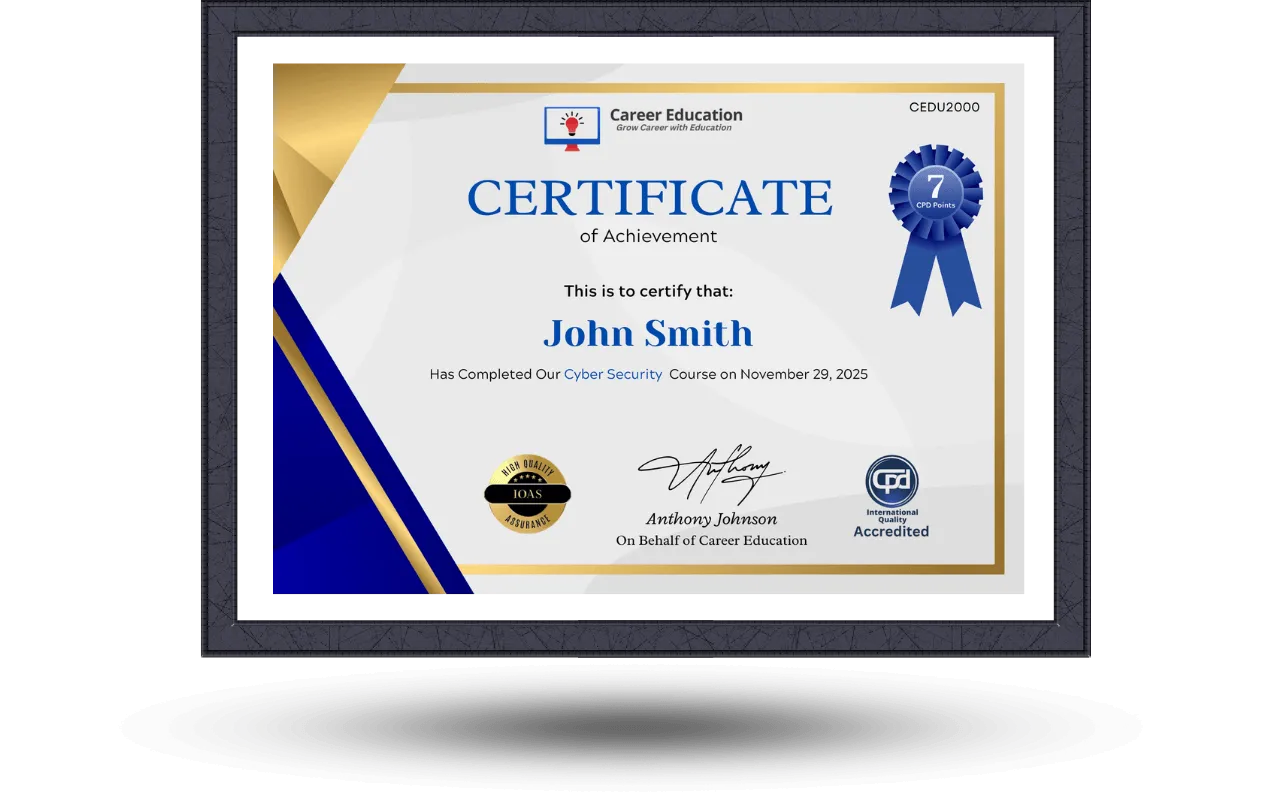
Earn an Accredited Certificate
Upon completion of any course, all students are entitled to a CPD IQ Accredited e-certificate that will be issued by Career Education signifying the completion of your course.
After you complete the course and assignment, you will be eligible to order a free certificate accredited by CPD International Quality by completing the form below.
Hardcopy certificates and transcripts are also available for a small additional fee. More information is disclosed upon course completion.
Similar Courses




Frequently Asked Questions
The lifetime membership includes unlimited access to all courses, resources, and updates for a one-time fee.
You can purchase the membership directly from our website using a secure checkout process.
Yes, selected courses can be downloaded for offline access through our mobile app.
Yes, all future updates and new courses are included at no extra cost.
Yes, we offer a 30-day money-back guarantee if you are not satisfied with the membership.