
94%
OFF
OFF
Traffic Management Training
- Lifetime Access
- All Levels
- PDF Certificate
£296
£19
14-Day Money-Back Guarantee
Learn With Confidence





Traffic Management Training
Develop practical knowledge of traffic engineering and management, traffic control, capacity analysis, intersection operations, active travel facilities and parking management with Traffic Management Training.
As populations grow and urban areas become increasingly busy, effective traffic management has become an essential part of modern transportation planning. Roads must accommodate cars, buses, cyclists, pedestrians, commercial vehicles and other users while maintaining appropriate levels of safety, accessibility and efficiency. Managing these competing demands requires an understanding of how traffic behaves, how road infrastructure operates and how different management strategies influence movement.
Traffic Management Training provides a comprehensive introduction to the core principles used to understand and manage traffic systems. The course takes you from the fundamentals of traffic engineering through to traffic control devices, signals, traffic operations, capacity analysis, intersection design, pedestrian and bicycle facilities, and parking management.
Whether you are an aspiring transport professional, engineering student, infrastructure specialist, planning professional or someone seeking to broaden your understanding of transportation systems, this course provides a structured way to build valuable traffic management knowledge.
Why Traffic Management Matters
Traffic management is not simply about reducing congestion. Effective management considers the entire transportation environment and the needs of different road users.
A well-managed road network can help:
-
Improve traffic flow
-
Reduce unnecessary delays
-
Support road-user safety
-
Make better use of available road capacity
-
Improve intersection performance
-
Support walking and cycling
-
Manage parking demand
-
Improve accessibility
-
Support efficient transportation planning
-
Respond to changing travel patterns
Understanding these principles can help professionals approach traffic-related challenges more systematically.
The Traffic Management Training course explores the main components that contribute to effective traffic management and provides learners with a broad foundation for understanding how transportation facilities operate.
What You Will Learn
By completing this Traffic Management Training course, you will develop a structured understanding of traffic engineering and management.
You will learn how traffic systems can be analysed and managed, how traffic control devices communicate with road users, and how traffic signals help regulate movements.
You will also explore traffic operations and capacity analysis, giving you an understanding of the relationship between traffic demand and available road capacity.
Further modules examine intersection design and control, pedestrian and bicycle facilities, and parking management. These subjects are particularly relevant to modern transportation systems, where vehicle movement must be balanced with safety, accessibility and the needs of active travellers.
The overall goal is to help you build knowledge that can be applied to traffic-related planning, engineering, operational and management environments.
Course Curriculum
Module 1 – Introduction to Traffic Engineering and Management
The first module introduces the fundamental principles of traffic engineering and management.
You will begin by developing an understanding of what traffic engineering involves and why traffic management is important within transportation systems.
Lesson 1 – Introduction to Traffic Engineering and Management
This introductory lesson establishes the foundation for the rest of the course. You will explore the purpose of traffic engineering, the objectives of traffic management and the factors that influence road and traffic operations.
You will consider how traffic engineering and management contribute to the movement of people and goods and how effective management can help address transportation challenges.
Key areas include:
-
Introduction to traffic engineering
-
Fundamentals of traffic management
-
The purpose of traffic management
-
Transportation system operations
-
Traffic flow and movement
-
Road-user behaviour
-
Traffic management challenges
-
Traffic safety and efficiency
-
The relationship between infrastructure and traffic
-
Principles of effective traffic management
Outcome
After completing this module, you will have a strong foundation in traffic engineering and management.
You will understand the purpose of traffic management and be able to recognise some of the key factors that influence the performance, safety and efficiency of transportation systems.
Module 2 – Traffic Control Devices and Signals
Traffic control devices are fundamental to the safe and organised operation of roads.
Signs, road markings, signals and other control measures provide information, establish priorities and help guide road users through different traffic environments.
In this module, you will explore the role of traffic control devices and signals in managing traffic movement.
You will learn about:
-
Traffic control devices
-
Road signs
-
Road markings
-
Traffic signals
-
Signal-controlled traffic movements
-
Traffic signal operations
-
Communicating information to road users
-
Establishing traffic priorities
-
Supporting safe traffic movement
-
Improving traffic organisation
You will develop an understanding of why traffic control systems need to be clear, appropriate and consistent.
Traffic control devices influence driver, pedestrian and cyclist behaviour. When correctly planned and managed, they can help road users understand what is expected of them and navigate transportation facilities more safely.
Outcome
On completion of this module, you will understand the main types and purposes of traffic control devices and signals.
You will be able to recognise how traffic control systems contribute to organised traffic movement and appreciate their importance within wider traffic management strategies.
Module 3 – Traffic Operations and Capacity Analysis
Effective traffic management requires an understanding of how transportation facilities perform under different levels of demand.
This module focuses on traffic operations and capacity analysis. You will explore how traffic flow can be assessed and how road capacity relates to traffic demand and operational performance.
Topics include:
-
Traffic operations
-
Traffic flow
-
Traffic demand
-
Roadway capacity
-
Traffic density
-
Congestion
-
Travel delays
-
Operational performance
-
Capacity constraints
-
Factors affecting traffic flow
-
Principles of capacity analysis
Traffic conditions can change significantly depending on the time of day, location, travel patterns, development and special events. Understanding these changes is important when evaluating road performance.
Capacity analysis provides a framework for considering how much traffic a transportation facility can accommodate under particular conditions and what may happen when demand approaches or exceeds available capacity.
Outcome
By completing this module, you will develop an understanding of the basic principles of traffic operations and capacity.
You will be better equipped to recognise the relationship between traffic demand and road performance and understand why capacity analysis is important when evaluating congestion and transportation operations.
Module 4 – Intersection Design and Control
Intersections bring together different traffic movements and therefore require careful design and control.
Poorly managed intersections can result in unnecessary delays, traffic conflicts and safety concerns. Effective intersection planning can help improve traffic movement while accommodating different road users.
This module examines the fundamental principles of intersection design and control.
You will explore:
-
The purpose of intersections
-
Intersection design principles
-
Traffic movements at intersections
-
Intersection control
-
Signalised intersections
-
Unsignalised intersections
-
Turning movements
-
Traffic conflicts
-
Intersection efficiency
-
Traffic safety considerations
-
Managing competing movements
You will develop an appreciation of how geometry, traffic demand, control methods and road-user requirements can influence intersection performance.
Outcome
After completing this module, you will understand the key principles behind intersection design and control.
You will be able to recognise common intersection challenges and understand how appropriate control and design strategies can support safer and more efficient movement.
Module 5 – Pedestrian and Bicycle Facilities
Modern traffic management must consider more than motor vehicles.
Pedestrians and cyclists are important road users, and transportation systems need to provide appropriate facilities to support safe and accessible movement.
This module focuses on pedestrian and bicycle facilities and their role in modern traffic management.
You will explore:
-
Pedestrian facilities
-
Bicycle facilities
-
Walking infrastructure
-
Cycling infrastructure
-
Pedestrian safety
-
Bicycle safety
-
Vulnerable road users
-
Accessibility
-
Road-user interaction
-
Active travel
-
Integrating pedestrian and bicycle facilities into transportation networks
You will consider how facilities for pedestrians and cyclists can be incorporated into wider traffic management strategies.
Well-planned active travel infrastructure can help improve connectivity, accessibility and road-user safety while supporting more balanced transportation systems.
Outcome
By completing this module, you will understand the importance of pedestrian and bicycle facilities within traffic management.
You will be able to identify the role these facilities play in supporting safer and more accessible transportation environments and understand why active travel should be considered as part of wider traffic planning.
Module 6 – Parking Management
Parking is closely connected to traffic movement, land use and transportation planning.
The availability, location and management of parking can influence traffic circulation and road-space utilisation. Effective parking management can therefore form an important part of a wider traffic management strategy.
This final module explores the principles of parking management.
You will learn about:
-
Parking management principles
-
Parking demand
-
Parking supply
-
On-street parking
-
Off-street parking
-
Parking capacity
-
Parking utilisation
-
Parking restrictions
-
Managing limited parking resources
-
The relationship between parking and traffic
-
Improving parking efficiency
Different locations can have very different parking requirements. Residential areas, commercial centres, workplaces, public facilities and transport hubs may all experience different patterns of parking demand.
Understanding these differences is important when considering appropriate parking management approaches.
Outcome
On completion of this module, you will understand the fundamental principles of parking management and its relationship with traffic operations.
You will be able to recognise common parking challenges and understand how parking strategies can contribute to better use of available transportation space.
Practical Skills You Can Develop
The Traffic Management Training course is designed around practical knowledge that can support professional development in transportation, engineering and infrastructure-related fields.
By completing the course, you can strengthen your ability to:
Understand Traffic Engineering
Develop a clear foundation in traffic engineering principles and understand how they contribute to the planning and operation of transportation systems.
Recognise Traffic Management Challenges
Identify common transportation challenges involving congestion, road capacity, intersections, parking and different types of road users.
Understand Traffic Control
Develop knowledge of traffic signs, road markings and signals and understand how these tools influence traffic movement.
Explore Traffic Capacity
Understand the relationship between traffic demand and transportation facility capacity and appreciate the importance of capacity analysis.
Understand Intersection Management
Develop awareness of the factors involved in intersection design and control and understand their impact on traffic operations.
Consider Pedestrian and Bicycle Needs
Recognise the importance of walking and cycling facilities and understand their role in creating more accessible transportation systems.
Understand Parking Management
Develop knowledge of parking demand, supply and utilisation and how parking can influence traffic conditions.
Think About Transportation as a System
Connect different areas of traffic management to develop a broader understanding of how roads, intersections, parking and active travel facilities interact.
Who Is This Course For?
Traffic Management Training can be suitable for learners at different stages of their professional or educational journey.
The course may benefit:
-
Aspiring traffic management professionals
-
Traffic engineering students
-
Civil engineering students
-
Transport engineering learners
-
Transportation planning professionals
-
Urban planning professionals
-
Infrastructure professionals
-
Road operations personnel
-
Construction professionals
-
Project managers
-
Transport and infrastructure staff
-
Local authority professionals
-
Road safety professionals
-
Professionals seeking additional transport knowledge
-
Anyone interested in traffic engineering and management
It can be particularly useful for individuals who want to build a broad understanding of traffic management before progressing into more specialised areas.
Build Career-Relevant Transportation Knowledge
Transportation is an essential part of economic and social activity. Businesses depend on reliable movement of goods, communities depend on accessible roads and public spaces, and individuals need safe and efficient ways to travel.
Traffic management contributes to all of these objectives.
Developing knowledge in this field can complement existing experience in engineering, planning, infrastructure, construction and transportation.
The Traffic Management Training course can help you build an understanding of the concepts that underpin traffic operations and provide a useful foundation for further learning.
Understand the Bigger Picture
One of the strengths of this course is its broad coverage.
Traffic control devices cannot be considered separately from traffic flow. Intersection performance is influenced by traffic demand and control methods. Parking can influence circulation. Pedestrian and bicycle facilities interact with vehicle movements.
Effective traffic management therefore requires an understanding of how different components work together.
Through Traffic Management Training, you can develop this wider perspective.
Instead of looking at individual traffic problems in isolation, you can begin to understand how different transportation elements contribute to overall network performance.
Support Safer and More Efficient Road Use
Safety is a fundamental consideration in traffic management.
Roads must accommodate different users with different needs and behaviours. Appropriate traffic control, intersection design, pedestrian facilities, bicycle infrastructure and parking strategies can all contribute to a better-managed transportation environment.
This course helps you understand these areas and their relationship to wider traffic management objectives.
You will develop knowledge that can help you engage more confidently with traffic-related discussions, planning activities and operational considerations.
Enhance Your Professional Development
Whether you are already working in transportation or are considering entering the field, developing knowledge of traffic management can strengthen your professional profile.
The course covers several areas that connect with real-world responsibilities, including:
-
Traffic operations
-
Traffic control
-
Transportation planning
-
Road infrastructure
-
Intersection management
-
Capacity analysis
-
Active travel
-
Parking management
-
Traffic engineering
-
Road safety
The knowledge gained can complement other technical and professional skills and provide a foundation for continued development.
Learn Through a Logical Course Structure
The curriculum has been organised to take you from fundamental concepts to specific traffic management applications.
You begin with an introduction to traffic engineering and management. You then develop your understanding of traffic control devices and signals before progressing to traffic operations and capacity analysis.
The course then explores intersection design and control, pedestrian and bicycle facilities, and finally parking management.
This progression helps you build your knowledge step by step while understanding how each topic connects with the wider transportation system.
Start Your Traffic Management Learning Journey
Effective traffic management requires informed planning, appropriate control and an understanding of how different transportation facilities interact.
Traffic Management Training gives you the opportunity to develop knowledge across the key areas of modern traffic management—from traffic engineering fundamentals and traffic control devices to capacity analysis, intersection design, pedestrian and bicycle facilities and parking management.
Whether your goal is to strengthen your existing professional knowledge, prepare for further study, support your work in transportation or engineering, or simply gain a better understanding of how traffic systems operate, this course provides a structured and practical learning pathway.
By the end of the course, you will have developed a broader understanding of traffic management principles and the factors that influence safe, efficient and accessible transportation systems.
Enrol in Traffic Management Training today and start developing valuable knowledge in traffic engineering, traffic operations and modern transportation management.
Course Modules
Course Content
Module 1_ Introduction to Traffic Engineering and Management
-
Lesson 1_ Introduction to Traffic Engineering and Management
Module 2_ Traffic Control Devices and Signals
Module 3_ Traffic Operations and Capacity Analysis
Module 4_ Intersection Design and Control
Module 5_ Pedestrian and Bicycle Facilities
Module 6_ Parking Management
What our students say
Excellent
4.9 average
158 Reviews

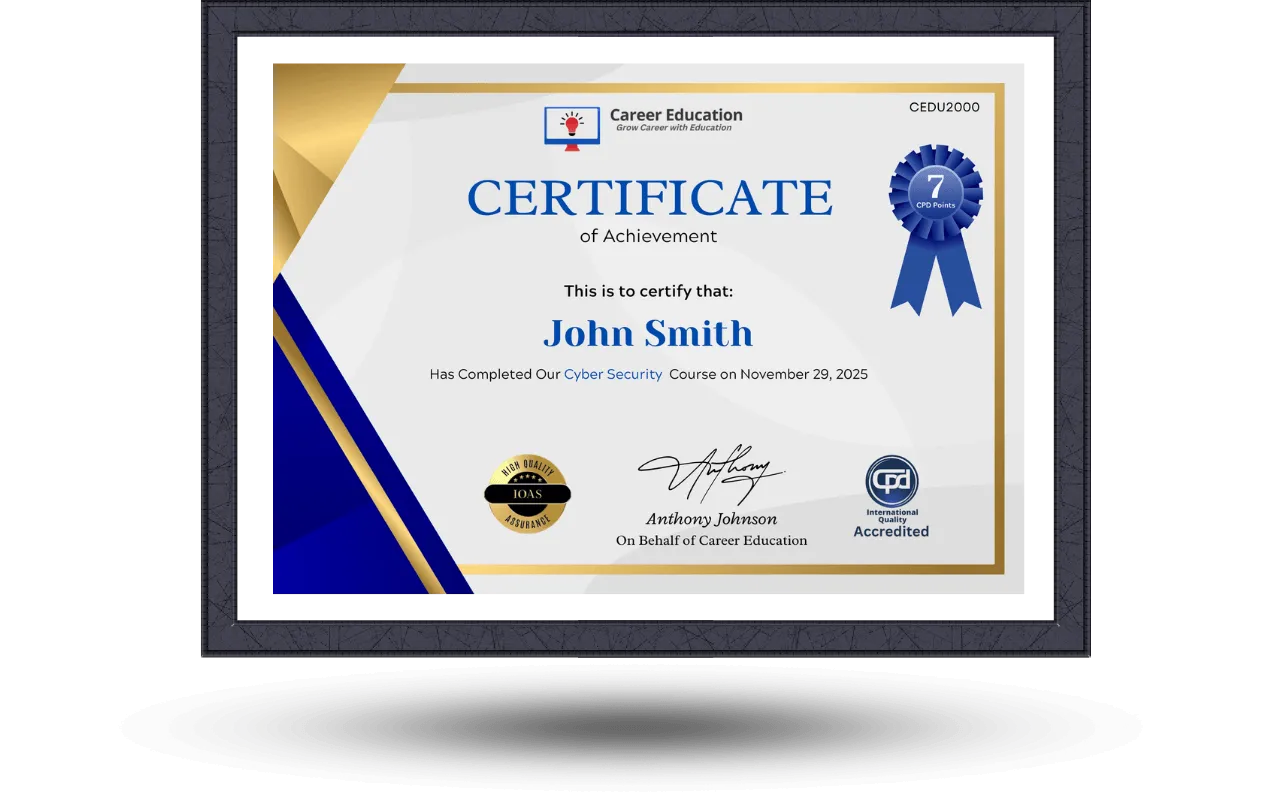
Earn an Accredited Certificate
Upon completion of any course, all students are entitled to a CPD IQ Accredited e-certificate that will be issued by Career Education signifying the completion of your course.
After you complete the course and assignment, you will be eligible to order a free certificate accredited by CPD International Quality by completing the form below.
Hardcopy certificates and transcripts are also available for a small additional fee. More information is disclosed upon course completion.
Similar Courses




Frequently Asked Questions
The lifetime membership includes unlimited access to all courses, resources, and updates for a one-time fee.
You can purchase the membership directly from our website using a secure checkout process.
Yes, selected courses can be downloaded for offline access through our mobile app.
Yes, all future updates and new courses are included at no extra cost.
Yes, we offer a 30-day money-back guarantee if you are not satisfied with the membership.