
94%
OFF
OFF
The Psychology of Fitness and Healthy Lifestyle Development
- Lifetime Access
- All Levels
- PDF Certificate
£296
£19
14-Day Money-Back Guarantee
Learn With Confidence









The Psychology of Fitness and Healthy Lifestyle Development
Overview
The The Psychology of Fitness and Healthy Lifestyle Development course is designed to help learners understand the powerful connection between the mind, behavior, and physical wellbeing. Achieving long-term fitness success is not only about exercise routines, nutrition plans, or physical effort; it is also shaped by motivation, mindset, habits, confidence, and psychological resilience. This course explores the mental and emotional factors that influence fitness choices and provides practical strategies for developing sustainable healthy lifestyle behaviors.
The The Psychology of Fitness and Healthy Lifestyle Development program provides learners with the knowledge and tools needed to understand why people start fitness journeys, why they sometimes struggle to maintain them, and how psychological principles can support lasting lifestyle improvements. Whether you want to improve your personal health, support others in achieving fitness goals, or develop a deeper understanding of behavior change, this course offers valuable insights into the psychology behind successful fitness development.
Through engaging lessons, learners will explore motivation, goal setting, self-belief, habit formation, exercise commitment, and the emotional benefits of physical activity. By understanding the psychological foundations of fitness, participants can create healthier routines, overcome barriers, and develop a stronger relationship with exercise and wellbeing.
Course Description
The The Psychology of Fitness and Healthy Lifestyle Development course focuses on the mental processes that influence physical activity, health decisions, and lifestyle transformation. Many people understand the importance of exercise but struggle to maintain consistency because they lack the psychological strategies required for long-term success. This course addresses those challenges by exploring the science of motivation, mindset development, and behavioral change.
Throughout the course, learners will discover how thoughts, emotions, beliefs, and daily behaviors influence fitness outcomes. The program explains how individuals can develop a positive fitness mindset, establish realistic goals, and create habits that support lifelong wellness. Instead of focusing only on short-term results, this course emphasizes sustainable approaches that encourage confidence, discipline, and personal growth.
The The Psychology of Fitness and Healthy Lifestyle Development course is suitable for anyone interested in improving their understanding of fitness psychology, including fitness enthusiasts, wellness professionals, coaches, educators, and individuals looking to create meaningful lifestyle changes.
By completing this course, learners will be able to:
-
Understand the psychological principles that influence fitness behaviors and healthy lifestyle choices.
-
Recognize the role of motivation, mindset, and personal beliefs in achieving fitness goals.
-
Develop effective goal-setting strategies for sustainable health improvements.
-
Understand how habits are created and how positive behaviors can be maintained.
-
Improve exercise consistency through psychological techniques.
-
Explore the mental health and emotional benefits of regular physical activity.
-
Build confidence and resilience to overcome fitness challenges.
Course Curriculum
Module 1: Introduction to the Psychology of Fitness
The first module introduces the fundamental concepts behind The Psychology of Fitness and Healthy Lifestyle Development. Learners will explore how psychological factors influence physical activity, exercise decisions, and overall health behaviors.
This module explains the relationship between the mind and body and highlights why successful fitness development requires more than physical training. Learners will understand how emotions, attitudes, personal experiences, and thought patterns affect motivation and commitment to healthy living.
Key topics covered include:
-
Understanding fitness psychology and its importance.
-
The connection between mental wellbeing and physical health.
-
Psychological influences on exercise participation.
-
Common mental barriers that prevent healthy lifestyle development.
-
Developing awareness of personal fitness attitudes and behaviors.
By completing this module, learners will gain a strong foundation in understanding how psychological principles shape fitness experiences and lifestyle choices.
Module 2: Motivation and Goal Setting
Motivation plays a major role in maintaining a successful fitness journey. This module explores how motivation works, why it changes over time, and how effective goal-setting techniques can improve long-term commitment.
The The Psychology of Fitness and Healthy Lifestyle Development course teaches learners how to identify meaningful fitness goals and create realistic plans that encourage progress. Understanding different types of motivation allows individuals to move beyond temporary enthusiasm and develop stronger internal motivation.
Key topics covered include:
-
Understanding intrinsic and extrinsic motivation.
-
The importance of personal purpose in fitness success.
-
Setting realistic and achievable fitness goals.
-
Creating action plans for health improvement.
-
Managing setbacks and maintaining motivation.
-
Using positive reinforcement to encourage progress.
By the end of this module, learners will understand how effective goal-setting strategies can transform fitness intentions into consistent actions.
Module 3: Self-Efficacy and Belief Systems
Confidence and self-belief strongly influence fitness outcomes. This module focuses on self-efficacy, personal beliefs, and how mindset affects an individual’s ability to achieve health and fitness goals.
Many people struggle with exercise because of negative beliefs, fear of failure, or a lack of confidence. This module explores ways to develop a stronger sense of capability and create a positive relationship with fitness.
Key topics covered include:
-
Understanding self-efficacy and its impact on behavior.
-
The role of confidence in fitness achievement.
-
Identifying limiting beliefs and negative thought patterns.
-
Developing a growth mindset.
-
Building mental resilience and confidence.
-
Using positive self-talk for improved performance.
Through this module, learners will discover how strengthening self-belief can support greater consistency, motivation, and success in fitness development.
Module 4: Behavior Change and Habit Formation
Creating lasting lifestyle improvements requires effective behavior change strategies. This module examines how habits are developed and how individuals can replace unhealthy behaviors with positive routines.
The The Psychology of Fitness and Healthy Lifestyle Development course provides practical knowledge about habit formation and the psychological processes behind sustainable lifestyle changes. Learners will understand why certain behaviors become automatic and how small adjustments can lead to significant improvements over time.
Key topics covered include:
-
Understanding the psychology of habits.
-
The stages of behavior change.
-
Creating healthy fitness routines.
-
Overcoming resistance to change.
-
Developing consistency through small actions.
-
Maintaining long-term lifestyle improvements.
By the end of this module, learners will have the tools needed to develop healthier habits and create routines that support continuous wellbeing.
Module 5: Exercise Adherence and Compliance
Starting an exercise program is often easier than maintaining it. This module explores the psychological factors that influence exercise adherence and helps learners understand how to stay committed to fitness goals.
The The Psychology of Fitness and Healthy Lifestyle Development course highlights the importance of consistency and provides strategies for overcoming common barriers such as lack of motivation, busy schedules, and unrealistic expectations.
Key topics covered include:
-
Understanding why people stop exercising.
-
Factors that influence exercise commitment.
-
Building sustainable exercise routines.
-
Managing challenges and maintaining consistency.
-
Creating supportive fitness environments.
-
Developing long-term commitment to healthy behaviors.
This module helps learners understand how psychological strategies can improve exercise participation and support lifelong fitness habits.
Module 6: Psychological Benefits of Exercise
Exercise provides significant benefits beyond physical health. This module explores how regular physical activity supports emotional wellbeing, mental clarity, stress management, and overall quality of life.
Learners will discover how exercise can improve mood, confidence, resilience, and psychological wellbeing. The module emphasizes the importance of viewing fitness as a tool for complete personal development.
Key topics covered include:
-
Exercise and mental wellbeing.
-
The relationship between physical activity and stress reduction.
-
Fitness and emotional balance.
-
The impact of exercise on confidence and self-esteem.
-
Physical activity as a tool for personal growth.
-
Creating a balanced approach to health and wellness.
By completing this module, learners will understand how exercise contributes to a healthier mind as well as a healthier body.
Who Is This Course For?
The The Psychology of Fitness and Healthy Lifestyle Development course is ideal for:
-
Individuals who want to create sustainable fitness habits.
-
Fitness enthusiasts interested in understanding the psychology behind exercise.
-
Personal trainers and wellness professionals who want to better support clients.
-
Health coaches looking to improve their knowledge of behavior change.
-
Anyone interested in developing a healthier mindset and lifestyle.
-
Professionals working in health, wellness, and personal development fields.
This course is suitable for beginners as well as individuals with previous fitness experience who want to understand the psychological side of health and wellbeing.
Requirements
No previous qualifications or professional experience are required to enroll in the The Psychology of Fitness and Healthy Lifestyle Development course. A willingness to learn about fitness psychology, personal development, and healthy lifestyle strategies is all that is needed.
Learners should have an interest in understanding human behavior, motivation, and the factors that influence long-term health decisions.
Career Path
Completing the The Psychology of Fitness and Healthy Lifestyle Development course can support personal and professional growth in various health and wellness-related areas. The knowledge gained from this course can help learners develop valuable skills for careers involving fitness guidance, coaching, wellbeing support, and lifestyle education.
Potential career opportunities include:
-
Fitness Coach
-
Wellness Consultant
-
Health and Lifestyle Coach
-
Personal Trainer
-
Exercise Support Professional
-
Workplace Wellness Coordinator
-
Personal Development Coach
The psychological principles covered in this course can also enhance existing professional skills by helping individuals better understand motivation, behavior change, and sustainable lifestyle development.
Frequently Asked Questions (FAQ)
1. What will I learn in The Psychology of Fitness and Healthy Lifestyle Development course?
This course teaches the psychological principles behind fitness behaviors, motivation, habit formation, self-confidence, exercise commitment, and the mental benefits of physical activity.
2. Who can enroll in this course?
Anyone interested in fitness psychology, healthy lifestyle development, personal growth, or wellbeing can enroll. No previous experience is required.
3. How can this course help with fitness motivation?
The course explores strategies for developing motivation, setting achievable goals, overcoming barriers, and creating habits that support long-term fitness success.
4. Does this course cover behavior change techniques?
Yes. The course explains how habits are formed, how behaviors can be modified, and how individuals can develop sustainable healthy routines.
5. Can this course support a career in fitness or wellness?
Yes. The knowledge gained can complement careers in fitness coaching, wellness consulting, health education, and personal development.
6. Will I receive a certificate after completing the course?
Yes, learners who successfully complete the course may receive a certificate of completion to demonstrate their knowledge and commitment to understanding fitness psychology and healthy lifestyle development.
Start Your Journey Toward Sustainable Health and Wellbeing
The The Psychology of Fitness and Healthy Lifestyle Development course provides the knowledge, strategies, and psychological tools needed to build stronger fitness habits and create lasting lifestyle improvements. By understanding the connection between mindset, behavior, and physical activity, learners can develop a healthier approach to fitness and achieve meaningful personal transformation.
Course Modules
Course Content
Module 1_ Introduction to the Psychology of Fitness
-
Lesson 1_ Introduction to the Psychology of Fitness
Module 2_ Motivation and Goal Setting
Module 3_ Self-Efficacy and Belief Systems
Module 4_ Behavior Change and Habit Formation
Module 5_ Exercise Adherence and Compliance
Module 6_ Psychological Benefits of Exercise
What our students say
Excellent
4.9 average
158 Reviews

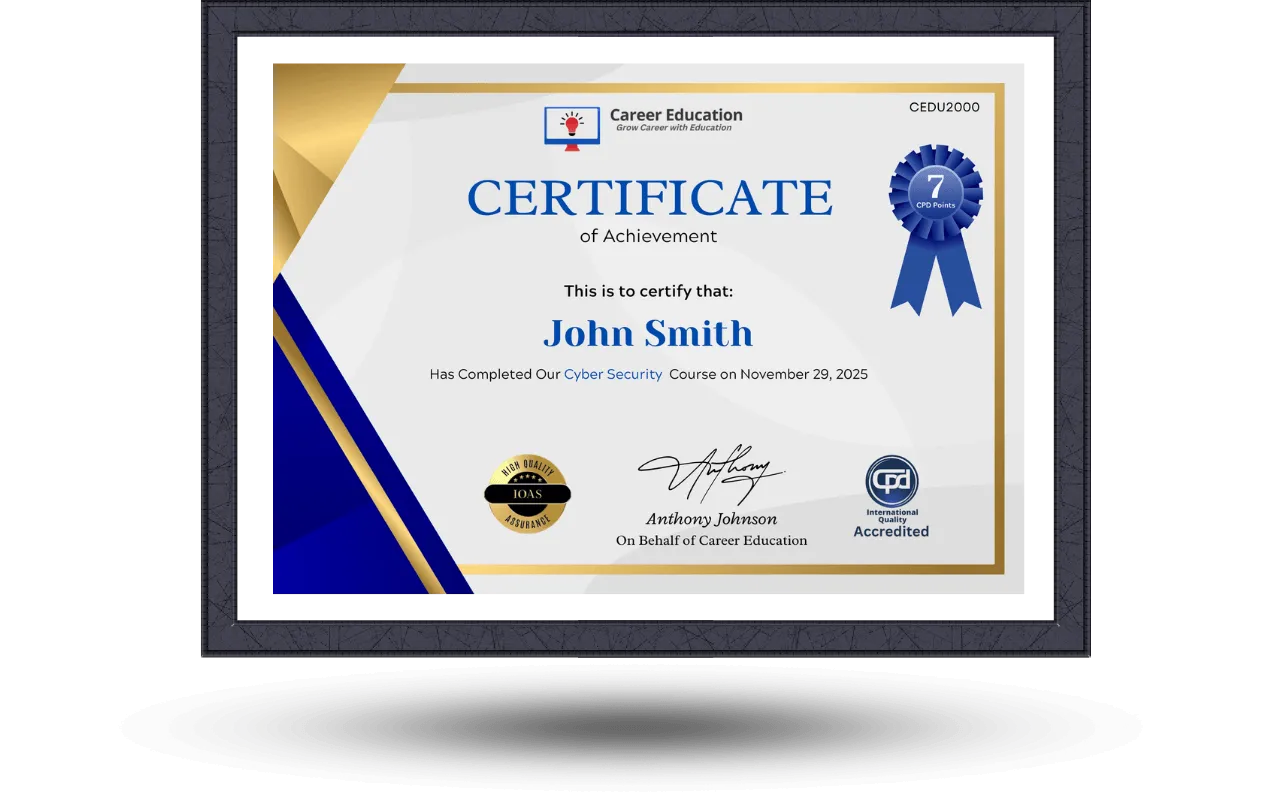
Earn an Accredited Certificate
Upon completion of any course, all students are entitled to a CPD IQ Accredited e-certificate that will be issued by Career Education signifying the completion of your course.
After you complete the course and assignment, you will be eligible to order a free certificate accredited by CPD International Quality by completing the form below.
Hardcopy certificates and transcripts are also available for a small additional fee. More information is disclosed upon course completion.
Similar Courses



Frequently Asked Questions
The lifetime membership includes unlimited access to all courses, resources, and updates for a one-time fee.
You can purchase the membership directly from our website using a secure checkout process.
Yes, selected courses can be downloaded for offline access through our mobile app.
Yes, all future updates and new courses are included at no extra cost.
Yes, we offer a 30-day money-back guarantee if you are not satisfied with the membership.