
94%
OFF
OFF
Supporting Students with Learning Disabilities in the Transition to Work
- Lifetime Access
- All Levels
- PDF Certificate
£296
£19
14-Day Money-Back Guarantee
Learn With Confidence







Supporting Students with Learning Disabilities in the Transition to Work
The transition from education to employment is an important stage in every learner’s development. For students with learning disabilities, however, moving from the classroom into the workplace can involve additional challenges, from identifying suitable career opportunities and developing workplace skills to understanding employment rights and accessing appropriate long-term support. Supporting Students with Learning Disabilities in the Transition to Work is designed to provide practical knowledge and strategies for professionals who support learners as they prepare for meaningful and sustainable employment.
This course takes an outcome-focused approach, helping learners understand how to support students in moving from education toward greater workplace confidence, independence, and career readiness. It explores the key stages of the transition process, including career exploration, vocational assessment, workplace preparation, employment rights, work placements, apprenticeships, and ongoing career support.
Whether you work in education, careers guidance, vocational support, student services, training, or another learner-support environment, this course can help you develop a stronger understanding of the factors that influence successful transitions into employment.
Why Supporting Students with Learning Disabilities in the Transition to Work Matters
Entering the workplace involves much more than simply finding a job. Students need opportunities to understand their strengths, explore realistic career pathways, build practical skills, communicate effectively, adapt to workplace expectations, and understand where they can obtain support when challenges arise.
Learning disabilities can affect individuals in different ways. Some learners may experience difficulties with communication, organisation, processing information, reading, writing, memory, or other aspects of learning. These challenges do not determine a person’s potential, but they can influence how employment preparation and workplace support should be approached.
Effective transition support focuses on abilities as well as areas where additional assistance may be useful. By taking an individualised approach, professionals can help students identify suitable opportunities and develop strategies that encourage confidence, participation, and independence.
Supporting Students with Learning Disabilities in the Transition to Work focuses on these practical considerations and helps learners understand how structured preparation can make the move into employment more manageable.
What You Will Learn
Throughout the course, you will explore the key knowledge and practical considerations involved in supporting students with learning disabilities as they prepare for employment.
You will learn how to:
-
Understand learning disabilities within a workplace context.
-
Recognise how individual learning needs can influence employment preparation.
-
Support students in identifying interests, strengths, abilities, and career goals.
-
Explore vocational assessment and career-planning approaches.
-
Encourage the development of essential workplace skills.
-
Understand the UK legal framework surrounding employment and disability rights.
-
Explore work placements, internships, and apprenticeships as routes into employment.
-
Consider reasonable adjustments and appropriate workplace support.
-
Help students prepare for workplace expectations and responsibilities.
-
Promote sustainable employment and long-term career development.
-
Understand the importance of continued support during career transitions.
-
Encourage greater confidence, independence, and workplace participation.
Module 1 — Understanding Learning Disabilities in the Workplace Context
The first module establishes a foundation for understanding learning disabilities in relation to employment. Rather than viewing learning difficulties simply as barriers, the module considers how individual strengths, needs, environmental factors, and workplace expectations can interact.
You will explore the potential challenges students may encounter when moving from education into employment. These may include adapting to unfamiliar routines, understanding instructions, managing time, communicating with colleagues, completing workplace tasks, or navigating changes in expectations.
The module also highlights the importance of person-centred support. Every student has different abilities, interests, aspirations, and support requirements. Understanding these differences is essential when preparing learners for employment.
By completing this module, you will be better equipped to recognise potential workplace barriers and consider supportive approaches that encourage learners to participate successfully.
Module 2 — Career Exploration and Vocational Assessment
Choosing an appropriate career pathway can be challenging when students have limited knowledge of the employment opportunities available to them. This module explores how career exploration and vocational assessment can help students make informed decisions about their futures.
You will examine ways to identify a learner’s interests, strengths, preferences, skills, and career aspirations. You will also consider how vocational assessment can contribute to realistic and meaningful career planning.
Effective career exploration should go beyond simply matching a student with a job. It should help learners understand different occupational environments, identify potential pathways, recognise transferable skills, and consider what type of workplace may suit their individual needs.
By the end of this module, you will understand how structured career exploration can help students develop clearer employment goals and make more informed decisions about their next steps.
Module 3 — Developing Workplace Skills
Workplace readiness involves a combination of technical abilities, interpersonal skills, personal organisation, and professional behaviours. This module focuses on developing the practical skills students may need to function effectively in employment.
Topics covered include the importance of communication, teamwork, reliability, time management, problem-solving, workplace etiquette, following instructions, and adapting to workplace routines.
The module encourages a practical approach to skill development. Students can benefit from opportunities to practise workplace behaviours in realistic environments before entering employment. Preparation may include role-specific activities, simulated workplace situations, structured tasks, or opportunities to develop independence.
The outcome is to help students become better prepared for workplace expectations while recognising that support and learning may need to continue after employment begins.
Module 4 — Legal Framework and Employment Rights in the UK
Understanding employment rights is an important part of preparing students for the workplace. This module introduces the UK legal framework relevant to disability and employment, helping learners understand the importance of equality, accessibility, and appropriate workplace support.
You will explore key principles relating to disability discrimination, equality, reasonable adjustments, and employment rights. The module also considers why awareness of legal protections can help students and those supporting them approach employment with greater confidence.
For professionals working with learners, understanding these principles can support more informed conversations about workplace accessibility and individual requirements.
The aim is not simply to understand legislation but to recognise how legal principles can contribute to fairer and more inclusive employment experiences.
Module 5 — Work Placements, Internships, and Apprenticeships
Practical workplace experience can play an important role in helping students understand employment and develop confidence. This module explores work placements, internships, and apprenticeships as potential pathways between education and employment.
You will consider how workplace experiences can help learners develop practical skills, understand professional expectations, explore career interests, and build experience that may support future employment applications.
The module also examines the importance of preparing students before they enter a workplace. Clear expectations, appropriate communication, structured support, and regular feedback can contribute to a more positive experience.
By understanding how different work-based opportunities can contribute to career development, you can better support students in making informed choices about gaining workplace experience.
Module 6 — Career Sustainability and Long-Term Support
Finding employment is only one part of a successful transition. Maintaining employment, developing professionally, adapting to workplace changes, and progressing toward long-term career goals are equally important.
The final module focuses on career sustainability and ongoing support. You will explore why continued guidance can be valuable after a student enters employment and how support can evolve as their confidence and abilities develop.
Long-term support may involve helping individuals manage workplace changes, identify development opportunities, address emerging challenges, strengthen professional skills, or consider progression into new roles.
The module reinforces the importance of viewing career development as an ongoing journey rather than a single transition from education to work.
Who Is This Course For?
Supporting Students with Learning Disabilities in the Transition to Work can be valuable for professionals and individuals involved in education, employment preparation, and learner development, including:
-
Teachers and teaching assistants.
-
Special educational needs professionals.
-
Careers advisers and guidance professionals.
-
Student support staff.
-
Learning support practitioners.
-
Vocational trainers and employment advisers.
-
Education and training professionals.
-
Apprenticeship and work-placement coordinators.
-
Professionals supporting young people with additional learning needs.
-
Individuals interested in inclusive employment and career support.
The course can also provide useful background knowledge for anyone seeking to understand the transition from education to employment for learners with learning disabilities.
Practical Outcomes of the Course
A successful transition to employment can provide learners with opportunities to build independence, develop professional experience, establish routines, contribute to organisations, and pursue meaningful career goals.
After completing Supporting Students with Learning Disabilities in the Transition to Work, you will have a stronger understanding of how to support these outcomes through structured preparation and ongoing guidance.
You will be able to approach transition planning with greater awareness of individual needs and career aspirations. You will understand the importance of workplace skills, vocational assessment, employment rights, practical work experience, and sustainable career support.
Most importantly, the course encourages a strengths-based approach. Rather than focusing exclusively on limitations, effective transition support recognises what students can do, what they want to achieve, and what practical strategies may help them succeed.
Build Better Employment Pathways
The journey from education to employment can represent a significant opportunity for personal and professional development. With the right preparation, students with learning disabilities can explore career possibilities, develop valuable workplace skills, understand their rights, gain practical experience, and work toward sustainable employment.
Supporting Students with Learning Disabilities in the Transition to Work provides a structured introduction to the knowledge and approaches needed to support that journey.
From understanding workplace-related learning needs to exploring careers, developing employability skills, understanding UK employment rights, gaining workplace experience, and supporting long-term career sustainability, the course covers the essential stages of effective transition planning.
If your goal is to develop a more informed and supportive approach to helping learners move from education into employment, this course provides a practical foundation for understanding the transition process and promoting positive employment outcomes.
Course Modules
Course Content
Module 1 — Understanding Learning Disabilities in the Workplace Context
-
Lesson 1 — Understanding Learning Disabilities in the Workplace Context
Module 2 — Career Exploration and Vocational Assessment
Module 3 — Developing Workplace Skills
Module 4 — Legal Framework and Employment Rights in the UK
Module 5 — Work Placements, Internships, and Apprenticeships
Module 6 — Career Sustainability and Long-Term Support
What our students say
Excellent
4.9 average
158 Reviews

Earn an Accredited Certificate
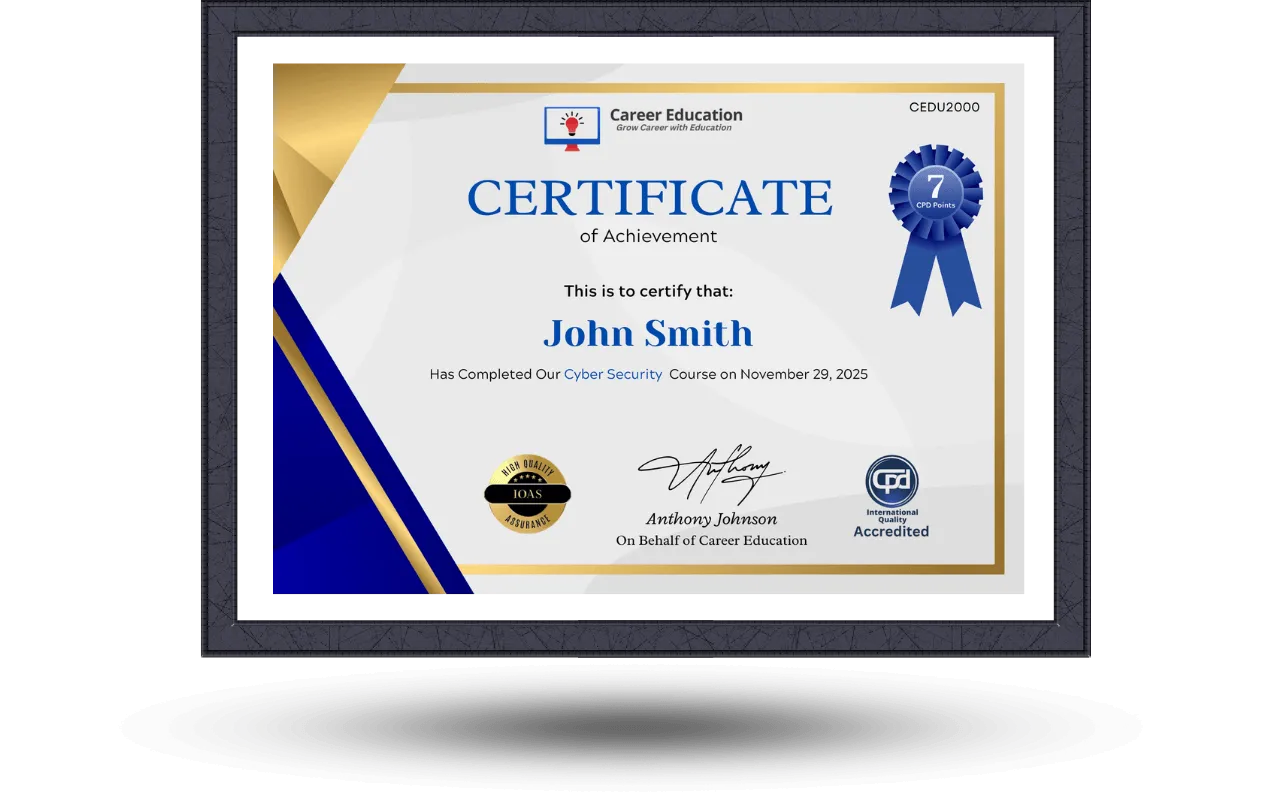
Upon completion of any course, all students are entitled to a CPD IQ Accredited e-certificate that will be issued by Career Education signifying the completion of your course.
After you complete the course and assignment, you will be eligible to order a free certificate accredited by CPD International Quality by completing the form below.
Hardcopy certificates and transcripts are also available for a small additional fee. More information is disclosed upon course completion.
Similar Courses



Frequently Asked Questions
The lifetime membership includes unlimited access to all courses, resources, and updates for a one-time fee.
You can purchase the membership directly from our website using a secure checkout process.
Yes, selected courses can be downloaded for offline access through our mobile app.
Yes, all future updates and new courses are included at no extra cost.
Yes, we offer a 30-day money-back guarantee if you are not satisfied with the membership.