
94%
OFF
OFF
Stroke Awareness and Management Strategies
- Lifetime Access
- All Levels
- PDF Certificate
£296
£19
14-Day Money-Back Guarantee
Learn With Confidence







Diabetes Care and Patient Support Training
Overview
Diabetes Care and Patient Support Training is a comprehensive course designed to provide learners with the essential knowledge, practical skills, and confidence required to support individuals living with diabetes. Diabetes is one of the most common long-term health conditions worldwide, and effective care requires a strong understanding of disease management, lifestyle support, patient education, and emotional wellbeing.
This Diabetes Care and Patient Support Training course equips learners with the ability to understand different types of diabetes, recognise potential complications, support medical treatment plans, and encourage effective self-management strategies. Whether you work in healthcare, social care, community support, or simply want to expand your knowledge of diabetes care, this training provides valuable insights into improving the quality of life for people affected by diabetes.
Through structured learning modules, participants will explore the science behind glucose regulation, the impact of diabetes on the body, available treatment approaches, and the importance of personalised patient support. By completing this course, learners will develop the skills needed to provide informed, compassionate, and effective diabetes support.
Course Description
The Diabetes Care and Patient Support Training course focuses on developing a complete understanding of diabetes management and patient-centred care. Diabetes requires ongoing monitoring, lifestyle adjustments, and coordinated support from healthcare professionals, caregivers, families, and communities. This course helps learners understand how diabetes affects individuals physically and emotionally while exploring practical approaches to supporting daily diabetes management.
The training begins with an introduction to diabetes, covering the different types of diabetes, common symptoms, risk factors, and the importance of early recognition. Learners will gain a strong foundation in understanding how diabetes develops and why effective care strategies are essential.
The course also explores glucose metabolism and the physiological processes involved in maintaining healthy blood sugar levels. Understanding how the body processes glucose allows learners to better appreciate the challenges faced by individuals with diabetes and the importance of balanced nutrition, physical activity, and medication management.
A key component of the Diabetes Care and Patient Support Training course is learning about diabetes-related complications. Learners will explore both short-term and long-term complications, including their causes, warning signs, and prevention strategies. This knowledge helps support early intervention and encourages better health outcomes.
The course also provides an overview of medical management approaches, including medications, insulin therapy, blood glucose monitoring, and healthcare support systems. Learners will understand how treatment plans are developed and how they can assist individuals in following recommended care routines.
Beyond medical treatment, the course highlights the importance of diabetes self-management. Participants will learn how to encourage healthy lifestyle choices, support goal setting, and help individuals develop confidence in managing their condition.
The final module focuses on the psychological aspects of diabetes, exploring the emotional challenges associated with living with a chronic condition. Learners will discover how stress, anxiety, motivation, and mental wellbeing influence diabetes management and how supportive communication can make a meaningful difference.
What You Will Learn from Diabetes Care and Patient Support Training
By completing this Diabetes Care and Patient Support Training, learners will be able to:
-
Understand the fundamentals of diabetes and its impact on the body.
-
Identify different types of diabetes and their characteristics.
-
Explain the role of glucose metabolism in diabetes development.
-
Recognise common diabetes symptoms and risk factors.
-
Understand diabetes-related complications and prevention methods.
-
Support individuals with diabetes in following treatment plans.
-
Develop knowledge of medication and insulin management approaches.
-
Encourage effective diabetes self-management practices.
-
Provide emotional and psychological support to people living with diabetes.
-
Promote healthier lifestyle choices through informed guidance.
-
Improve communication skills when supporting diabetes patients.
-
Build confidence in providing person-centred diabetes care.
Course Curriculum
Module 1: Introduction to Diabetes
The first module provides a comprehensive introduction to diabetes and establishes the foundation for understanding the condition. Learners will explore what diabetes is, how it affects the body, and why effective care and support are important.
This module covers different types of diabetes, including Type 1 diabetes, Type 2 diabetes, and other forms of diabetes. Learners will understand the differences between these conditions, their causes, symptoms, and risk factors.
Key topics include:
-
Understanding diabetes as a chronic health condition.
-
Types and classifications of diabetes.
-
Causes and contributing factors.
-
Common signs and symptoms.
-
Risk factors associated with diabetes.
-
The importance of early diagnosis and ongoing management.
By completing this module, learners will have a strong foundation for providing informed diabetes support.
Module 2: Physiology of Glucose Metabolism
This module explores the science behind blood sugar regulation and how glucose metabolism influences diabetes. Understanding these processes allows learners to better support individuals in managing their condition.
Learners will examine how carbohydrates are converted into glucose, how insulin functions, and how the body maintains energy balance. The module explains what happens when glucose regulation becomes disrupted and how this contributes to diabetes.
Key topics include:
-
The role of glucose in energy production.
-
How carbohydrates affect blood sugar levels.
-
The function of insulin and other hormones.
-
Normal glucose regulation processes.
-
How insulin resistance develops.
-
The relationship between glucose metabolism and diabetes.
This knowledge helps learners understand why lifestyle choices, medication, and monitoring are essential components of diabetes care.
Module 3: Complications of Diabetes
Diabetes can affect multiple areas of the body when not properly managed. This module focuses on recognising, preventing, and supporting individuals affected by diabetes complications.
Learners will explore how prolonged high blood sugar levels can contribute to health problems and why regular monitoring and preventive care are important.
Key topics include:
-
Acute complications of diabetes.
-
Long-term complications affecting organs and body systems.
-
Cardiovascular risks associated with diabetes.
-
Kidney and nerve complications.
-
Eye health and vision-related concerns.
-
Foot care and prevention of diabetic foot problems.
-
Importance of regular health checks.
Through this module, learners will gain the knowledge required to identify potential concerns and encourage appropriate support and intervention.
Module 4: Medical Management of Diabetes
This module focuses on the medical approaches used to manage diabetes and maintain healthy blood glucose levels. Learners will explore different treatment methods and understand how healthcare teams support individuals with diabetes.
Topics covered include:
-
Blood glucose monitoring techniques.
-
Oral diabetes medications.
-
Insulin therapy and its role.
-
Healthcare assessments and follow-up care.
-
Understanding treatment plans.
-
Supporting medication adherence.
-
The importance of communication between patients and healthcare providers.
This module enables learners to better understand the medical side of diabetes care and provide appropriate support to individuals managing their condition.
Module 5: Diabetes Self-Management
Effective diabetes management requires active involvement from individuals in their daily care routines. This module focuses on empowering patients through education, lifestyle support, and practical self-management strategies.
Learners will explore how to encourage individuals to take control of their health while maintaining realistic and achievable goals.
Key topics include:
-
Healthy eating and nutrition principles.
-
Physical activity and exercise considerations.
-
Monitoring blood glucose levels.
-
Managing daily diabetes routines.
-
Setting realistic health goals.
-
Developing positive lifestyle habits.
-
Supporting independence and confidence.
This module highlights the importance of patient education and the role of caregivers and support workers in encouraging successful diabetes management.
Module 6: Psychological Aspects of Diabetes
Living with diabetes can create emotional and psychological challenges. This module examines the relationship between mental wellbeing and diabetes management.
Learners will understand how feelings such as stress, frustration, fear, and anxiety can influence diabetes care. The module also explores ways to provide emotional support and encourage positive coping strategies.
Key topics include:
-
Emotional challenges of living with diabetes.
-
Diabetes-related stress and burnout.
-
The impact of mental wellbeing on self-management.
-
Communication and active listening skills.
-
Supporting motivation and confidence.
-
Encouraging a positive approach to diabetes care.
By understanding the psychological aspects of diabetes, learners can provide more compassionate and holistic support.
Who Is This Course For?
The Diabetes Care and Patient Support Training course is suitable for anyone who wants to develop knowledge and skills in diabetes awareness and support. It is particularly beneficial for:
-
Healthcare assistants and support workers.
-
Care home staff.
-
Nurses and healthcare professionals seeking additional knowledge.
-
Community health workers.
-
Social care professionals.
-
Family members and caregivers supporting someone with diabetes.
-
Individuals interested in improving their understanding of diabetes care.
No previous specialist knowledge is required, making this course accessible for beginners as well as professionals looking to strengthen their existing skills.
Requirements
There are no specific entry requirements for the Diabetes Care and Patient Support Training course. Learners only need an interest in healthcare, patient support, and improving their understanding of diabetes management.
A willingness to learn, develop communication skills, and apply knowledge in real-life support situations will help learners gain maximum benefit from this course.
Career Path
Completing the Diabetes Care and Patient Support Training can enhance your knowledge and confidence in roles involving healthcare, wellbeing, and patient assistance. Diabetes awareness and support skills are valuable in many healthcare and social care environments where individuals require ongoing assistance with managing chronic conditions.
This training can support career development in areas such as:
-
Healthcare assistance.
-
Social care support.
-
Community healthcare services.
-
Care home support.
-
Patient education roles.
-
Health and wellbeing services.
The knowledge gained from this course can also complement existing professional qualifications and help learners provide more effective, compassionate care.
Frequently Asked Questions
What is Diabetes Care and Patient Support Training?
Diabetes Care and Patient Support Training is a course designed to teach learners about diabetes management, patient support strategies, complications, treatment approaches, and the importance of emotional wellbeing in diabetes care.
Who can enrol on this course?
The course is suitable for healthcare workers, caregivers, support staff, family members, and anyone interested in learning more about diabetes care and patient support.
Do I need previous healthcare experience?
No. The course is designed for beginners and professionals who want to improve their understanding of diabetes management and support.
What will I learn from this course?
You will learn about diabetes fundamentals, glucose metabolism, complications, medical management, self-management strategies, and psychological support approaches.
Will I receive a certificate after completing the course?
Yes, learners who successfully complete the course can receive a certificate demonstrating their knowledge and commitment to developing diabetes care and support skills.
How will this course help my career?
The Diabetes Care and Patient Support Training course can strengthen your healthcare knowledge, improve your professional skills, and support career opportunities in health and social care environments.
Conclusion
The Diabetes Care and Patient Support Training course provides a complete understanding of diabetes management, patient support, and holistic care approaches. By combining medical knowledge with practical support strategies and psychological awareness, learners gain the ability to make a positive difference in the lives of individuals living with diabetes.
Whether you are supporting patients professionally or seeking valuable healthcare knowledge, this course offers the skills and confidence needed to provide effective, compassionate, and informed diabetes care.
Course Modules
Course Content
Module 1_ Introduction to Stroke
-
Lesson 1_ Introduction to Stroke
Module 2_ Recognizing Stroke Symptoms
Module 3_ Pre-Hospital Stroke Management
Module 4_ Diagnostic Procedures
Module 5_ Acute Stroke Treatment
Module 6_ Post-Acute Care and Rehabilitation
What our students say
Excellent
4.9 average
158 Reviews

Earn an Accredited Certificate
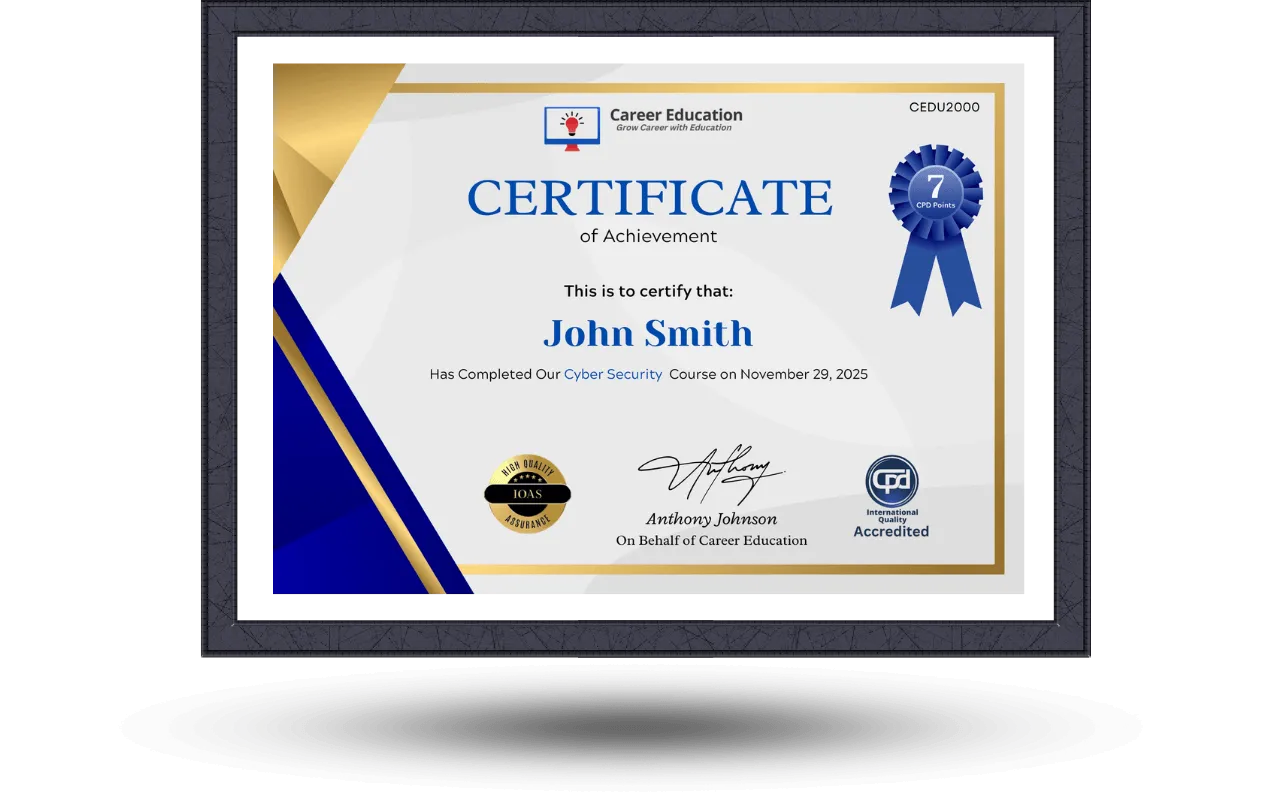
Upon completion of any course, all students are entitled to a CPD IQ Accredited e-certificate that will be issued by Career Education signifying the completion of your course.
After you complete the course and assignment, you will be eligible to order a free certificate accredited by CPD International Quality by completing the form below.
Hardcopy certificates and transcripts are also available for a small additional fee. More information is disclosed upon course completion.
Similar Courses



Frequently Asked Questions
The lifetime membership includes unlimited access to all courses, resources, and updates for a one-time fee.
You can purchase the membership directly from our website using a secure checkout process.
Yes, selected courses can be downloaded for offline access through our mobile app.
Yes, all future updates and new courses are included at no extra cost.
Yes, we offer a 30-day money-back guarantee if you are not satisfied with the membership.