
94%
OFF
OFF
Slip, Trip and Fall Prevention
- Lifetime Access
- All Levels
- PDF Certificate
£296
£19
14-Day Money-Back Guarantee
Learn With Confidence








Slip, Trip and Fall Prevention
Slips, trips and falls are among the most common safety incidents across workplaces, homes, public areas and other everyday environments. While many of these incidents may seem minor, they can result in serious injuries, lost working time, operational disruption and significant costs. The good news is that many slip, trip and fall incidents can be reduced through effective hazard awareness, risk assessment, good housekeeping and appropriate preventive measures.
Slip, Trip and Fall Prevention is a practical, outcome-focused course designed to help learners understand why these incidents occur and how to identify, assess and manage the conditions that contribute to them. The course explores environmental and human factors before moving into practical strategies for preventing slips, trips and falls.
Whether you are an employee, supervisor, safety professional, facilities worker, manager or simply someone who wants to improve everyday safety awareness, this course provides valuable knowledge that can be applied across a wide range of environments.
Why Slip, Trip and Fall Prevention Matters
A slip or trip can happen within seconds, but the consequences can last much longer. Wet floors, uneven surfaces, poor lighting, cluttered walkways, loose materials and unsuitable footwear can all contribute to incidents.
Some hazards are obvious, while others may be overlooked because people become accustomed to seeing them. A cable that regularly crosses a walkway or a damaged floor surface may eventually become part of the normal environment, even though it continues to present a risk.
Slip, Trip and Fall Prevention encourages a proactive approach. Instead of waiting for an incident to occur, learners will develop the ability to recognise potential hazards and consider appropriate controls.
The course also explores the role of human behaviour. Rushing, distraction, fatigue, carrying objects or failing to pay attention to changing conditions can increase risk.
By understanding both environmental and human factors, learners can develop a more complete approach to prevention.
What You Will Learn
By completing Slip, Trip and Fall Prevention, you will develop knowledge that can help you:
-
Understand the common causes of slips, trips and falls.
-
Recognise environmental conditions that can create hazards.
-
Understand how human behaviour can influence safety.
-
Identify potential slip, trip and fall hazards.
-
Apply basic risk assessment principles.
-
Understand how risks can be managed and controlled.
-
Develop effective slip prevention strategies.
-
Improve awareness of trip hazards.
-
Understand practical fall prevention approaches.
-
Encourage safer housekeeping practices.
-
Support clear and unobstructed walking areas.
-
Recognise changing conditions that may increase risk.
-
Promote a proactive approach to safety.
-
Contribute to safer workplaces and everyday environments.
-
Develop stronger hazard perception and risk-management skills.
Course Curriculum
Module 1: Introduction to Slips, Trips & Falls
Lesson 1: Introduction to Slips, Trips & Falls
The first module introduces the fundamentals of slips, trips and falls and explains why prevention is an important part of effective safety management.
You will explore the difference between slips and trips and consider how both can lead to falls and injuries.
The module introduces common contributing factors, including wet or contaminated surfaces, uneven flooring, obstacles, poor housekeeping, inadequate lighting and unsuitable walking conditions.
You will also learn why incidents often result from a combination of factors rather than a single hazard.
The module encourages you to develop a hazard-awareness mindset. Rather than simply moving through an environment without considering potential risks, you will learn to observe the conditions around you and identify situations that could lead to an incident.
By completing this module, you will have a strong foundation for understanding the importance of Slip, Trip and Fall Prevention.
Module 2: Environmental Factors
The environment can have a significant impact on the likelihood of a slip, trip or fall.
This module focuses on environmental factors that can increase risk. You will explore conditions such as wet floors, spills, uneven surfaces, changes in floor level, poor lighting, weather conditions and unsuitable walking surfaces.
You will also consider how environmental conditions can change throughout the day.
For example, an entrance that is safe during dry weather may become slippery during rain. A clear walkway may become obstructed when materials or equipment are temporarily placed in the area.
The module highlights the importance of monitoring conditions rather than assuming that an environment remains safe simply because it was previously inspected.
By completing this module, you will develop greater awareness of how environmental conditions influence slip, trip and fall risks.
Module 3: Human Factors
Physical hazards are only part of the picture. Human behaviour can also contribute significantly to slips, trips and falls.
This module explores human factors that may increase the likelihood of an incident. These can include rushing, distraction, fatigue, carrying items, inappropriate footwear and failure to notice changes in the environment.
You will learn why people may overlook familiar hazards and how routine behaviour can sometimes lead to reduced awareness.
The module also considers the importance of individual responsibility. People can contribute to prevention by staying alert, following appropriate procedures and reporting hazards.
By completing this module, you will have a stronger understanding of the relationship between human behaviour and environmental safety.
Module 4: Risk Assessment and Management
Identifying a hazard is an important first step, but effective prevention also requires appropriate risk assessment and management.
This module introduces a structured approach to evaluating slip, trip and fall hazards.
You will learn how to identify hazards, consider who may be exposed, evaluate potential consequences and determine appropriate controls.
The module encourages learners to consider questions such as:
-
What is the hazard?
-
Where is it located?
-
Who could be affected?
-
How could an incident occur?
-
How serious could the consequences be?
-
What controls are already in place?
-
What additional controls may be appropriate?
-
Does the situation need to be reviewed?
You will also learn why risk assessment should not be treated as a one-time exercise. Environmental conditions and work activities can change, meaning risks may need to be reassessed.
By completing this module, you will develop a more systematic approach to managing slip, trip and fall risks.
Module 5: Slip Prevention Strategies
This module focuses specifically on preventing slips.
You will explore common conditions that can cause people to lose traction and consider practical methods for reducing these risks.
Topics include the importance of keeping surfaces clean and dry, addressing spills promptly, maintaining appropriate walking surfaces and using suitable controls where necessary.
You will also consider the importance of appropriate footwear and awareness of environmental conditions.
The module highlights the value of good housekeeping and prompt corrective action. A small spill or contamination may seem insignificant, but leaving it unattended can create a hazard for multiple people.
You will develop a clearer understanding of how prevention strategies can be applied before a slip occurs.
By completing this module, you will be better prepared to recognise conditions that may cause slipping and understand how appropriate controls can reduce risk.
Module 6: Trip Prevention Strategies
Trips often occur when a person’s foot encounters an unexpected obstacle or change in surface level.
This module focuses on identifying and controlling trip hazards.
You will explore common examples such as cables, tools, equipment, loose materials, clutter, damaged flooring and changes in elevation.
The module also examines the importance of keeping walkways clear and organising work areas appropriately.
You will learn why cables and temporary equipment should be managed carefully and why damaged surfaces should be reported or addressed through appropriate procedures.
The module encourages learners to look at walking routes from the perspective of someone moving through the environment. This can make it easier to identify hazards that might otherwise be overlooked.
By completing this module, you will develop stronger awareness of trip hazards and practical strategies for reducing them.
Module 7: Fall Prevention Strategies
The final module focuses on preventing falls and brings together many of the principles explored throughout the course.
You will consider how slips and trips can lead to falls and why certain environments may create additional risks.
The module explores the importance of appropriate access routes, safe movement, adequate lighting, good housekeeping and suitable controls.
You will also develop awareness of situations involving changes in elevation, stairs and other areas where falls may occur.
The module reinforces the importance of following relevant workplace procedures and applicable safety requirements.
By completing this module, you will have a comprehensive foundation in fall prevention and a clearer understanding of how proactive hazard management can reduce risk.
Develop Better Hazard Recognition Skills
One of the most valuable outcomes of Slip, Trip and Fall Prevention is stronger hazard perception.
Hazard perception means actively looking for conditions that could cause harm rather than waiting until something goes wrong.
Through the course, you will learn to pay closer attention to walking surfaces, environmental conditions, obstacles, lighting and human behaviours.
This awareness can be applied in almost any environment.
You may notice a wet entrance before someone walks across it, identify a cable positioned across a walkway or recognise that poor lighting makes a particular area difficult to navigate.
Recognising these conditions creates an opportunity for appropriate action before an incident occurs.
Improve Workplace Safety
Workplace safety depends on more than policies and procedures. It also depends on the daily actions and awareness of employees.
Slip, Trip and Fall Prevention can help employees understand why basic safety practices matter.
Maintaining clear walkways, reporting damaged surfaces, cleaning spills, organising materials and paying attention to surroundings can all contribute to safer environments.
The course can also support supervisors and managers who want to reinforce hazard awareness among their teams.
Build Stronger Risk Management Habits
Effective safety management requires ongoing attention.
The course introduces risk assessment principles that can help learners move beyond simply identifying hazards.
You will learn to consider the likelihood and potential consequences of incidents and explore the importance of selecting appropriate controls.
This can help you approach hazards more systematically and make better-informed decisions about preventive measures.
Prevent Slips Through Better Practices
Slips are often associated with reduced traction between footwear and a walking surface.
Conditions such as water, oil, grease, dust, loose materials and other contaminants can influence traction.
Through the course, you will develop greater awareness of these conditions and learn why prompt action is important.
Good housekeeping, appropriate maintenance, suitable footwear and awareness of changing conditions can all play a role in reducing slip risks.
Reduce Trip Hazards
Trip hazards can be found in many environments, from construction areas and offices to warehouses, homes and public spaces.
Objects that appear harmless can become dangerous when they are positioned across walking routes.
The course helps learners recognise common trip hazards and understand why clear access routes are important.
Developing a habit of keeping walkways organised and reporting hazards can help create safer environments for everyone.
Promote Effective Fall Prevention
Falls can result in more serious consequences than many people expect.
Preventing falls requires consideration of both the hazards that can cause someone to lose balance and the environmental conditions that may increase the consequences.
The course helps you understand how slip and trip prevention contributes directly to fall prevention.
By combining good housekeeping, hazard identification, risk assessment and appropriate controls, organisations and individuals can take a more proactive approach to reducing fall risks.
Who Is This Course For?
Slip, Trip and Fall Prevention is suitable for:
-
Employees across different industries.
-
Health and safety professionals.
-
Supervisors and team leaders.
-
Facilities and maintenance personnel.
-
Construction workers.
-
Warehouse and logistics workers.
-
Hospitality and housekeeping staff.
-
Retail employees.
-
Office workers.
-
Property and facilities managers.
-
Workplace inspectors.
-
Homeowners and individuals.
-
Anyone interested in improving safety awareness.
The course can be useful for both beginners and experienced workers who want to refresh their knowledge and strengthen their hazard recognition skills.
Create a More Proactive Safety Culture
Preventing slips, trips and falls is not solely the responsibility of safety professionals.
Every individual can contribute by recognising hazards, following appropriate procedures and taking action through established workplace processes.
Slip, Trip and Fall Prevention encourages a culture in which hazards are identified and addressed before they result in incidents.
A proactive approach can help organisations move away from simply responding to accidents and towards continuous prevention.
Apply Your Knowledge in Everyday Situations
The principles taught in this course are not limited to professional workplaces.
You can apply them at home, while travelling, in public buildings, on footpaths and in other everyday environments.
Developing stronger hazard awareness can help you notice conditions that may otherwise go unnoticed.
Whether you are walking through a workplace, entering a building during wet weather or moving around your home, the ability to recognise potential hazards can support safer decision-making.
Take the Next Step Towards Better Safety
Slips, trips and falls can happen quickly, but the conditions that contribute to them are often identifiable beforehand.
Slip, Trip and Fall Prevention provides a structured introduction to the factors behind these incidents and the strategies that can help reduce them.
From understanding environmental and human factors to assessing risk and applying dedicated slip, trip and fall prevention strategies, the course gives you practical knowledge that can be applied across a wide range of environments.
By completing the course, you can strengthen your hazard awareness, improve your understanding of risk management and contribute to safer practices.
Start learning Slip, Trip and Fall Prevention today and develop the knowledge needed to recognise hazards, manage risks and help create safer workplaces and everyday environments.
Course Modules
Course Content
Module 1_ Introduction to Slips, Trips & Falls
-
Lesson 1_ Introduction to Slips, Trips & Falls
Module 2_ Environmental Factors
Module 3_ Human Factors
Module 4_ Risk Assessment and Management
Module 5_ Slip Prevention Strategies
Module 6_ Trip Prevention Strategies
Module 7_ Fall Prevention Strategies
What our students say
Excellent
4.9 average
158 Reviews

Earn an Accredited Certificate
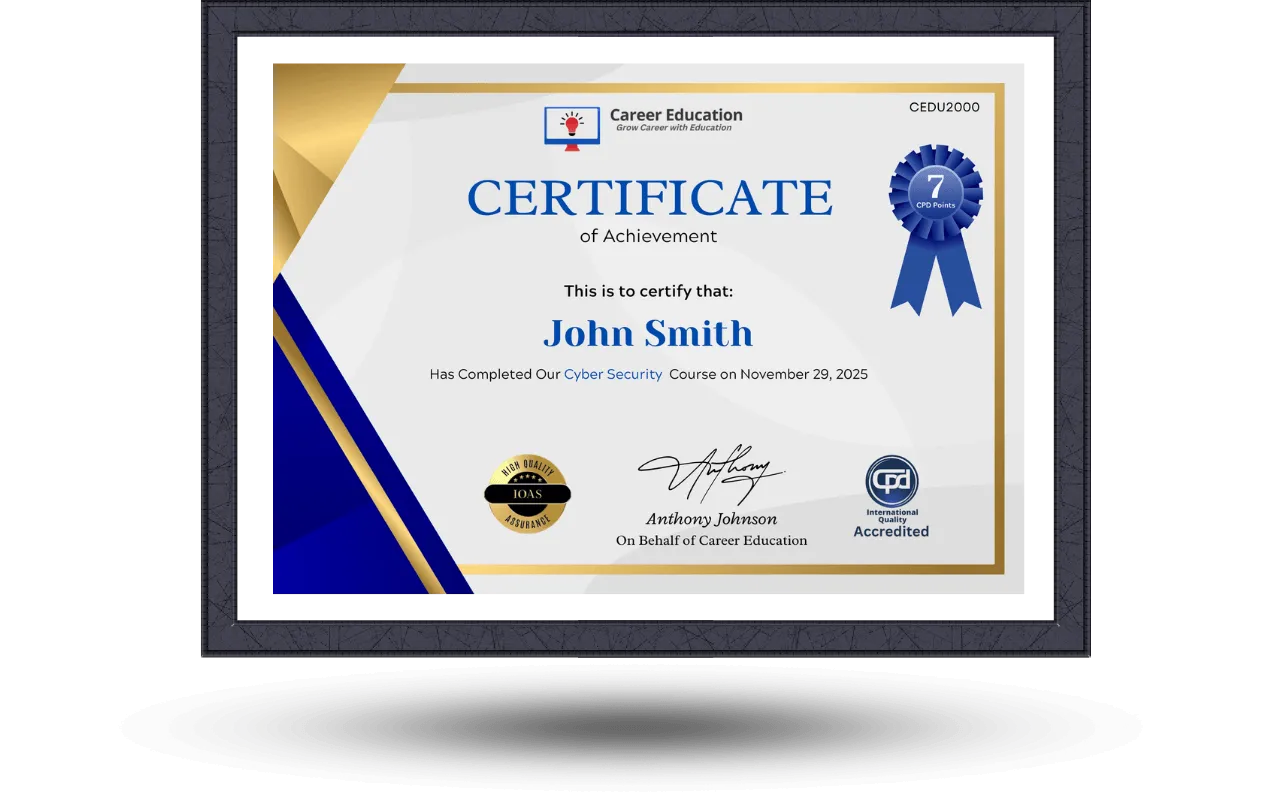
Upon completion of any course, all students are entitled to a CPD IQ Accredited e-certificate that will be issued by Career Education signifying the completion of your course.
After you complete the course and assignment, you will be eligible to order a free certificate accredited by CPD International Quality by completing the form below.
Hardcopy certificates and transcripts are also available for a small additional fee. More information is disclosed upon course completion.
Similar Courses




Frequently Asked Questions
The lifetime membership includes unlimited access to all courses, resources, and updates for a one-time fee.
You can purchase the membership directly from our website using a secure checkout process.
Yes, selected courses can be downloaded for offline access through our mobile app.
Yes, all future updates and new courses are included at no extra cost.
Yes, we offer a 30-day money-back guarantee if you are not satisfied with the membership.