
94%
OFF
OFF
Shipping Biological Substances and Dry Ice by Ground and Air (US)
- Lifetime Access
- All Levels
- PDF Certificate
£296
£19
14-Day Money-Back Guarantee
Learn With Confidence





Shipping Biological Substances and Dry Ice by Ground and Air (US)
Shipping biological substances and dry ice requires more than simply selecting a suitable container and arranging transportation. These materials may be subject to detailed regulatory, packaging, documentation, handling, labeling, and storage requirements. A clear understanding of applicable shipping regulations can help organisations reduce avoidable errors, protect personnel and transport providers, and support safer, more consistent shipping practices.
The Shipping Biological Substances and Dry Ice by Ground and Air (US) course is designed to provide practical knowledge of the key principles involved in preparing and handling biological substance shipments and dry ice shipments for transportation within the United States. The course explores important regulatory concepts, classification considerations, packaging requirements, documentation, handling procedures, and labeling expectations.
Whether you work in a laboratory, healthcare environment, research organisation, pharmaceutical setting, biotechnology company, diagnostic service, or another environment where biological materials may need to be transported, this course can help you develop a stronger understanding of the processes involved.
Why Learn Shipping Biological Substances and Dry Ice by Ground and Air (US)?
Biological materials can vary significantly in their characteristics, risks, and transportation requirements. Similarly, dry ice requires careful consideration because it produces carbon dioxide gas as it sublimates and can create specific hazards during storage and transportation.
Mistakes in classification, packaging, labeling, or documentation can lead to delays, rejected shipments, damaged materials, or unnecessary safety concerns. Developing appropriate knowledge before preparing a shipment can therefore be valuable for anyone involved in the transportation process.
The Shipping Biological Substances and Dry Ice by Ground and Air (US) course focuses on the knowledge needed to understand these processes more confidently. Rather than treating shipping as a simple logistical task, the course introduces the regulatory and operational considerations that influence how biological substances and dry ice should be prepared for transportation.
By completing the course, learners can develop a more structured approach to shipping-related responsibilities and understand why each stage of the process matters.
What Will You Learn?
The course begins by introducing the regulatory environment surrounding the transportation of biological substances. You will explore the purpose of applicable shipping regulations and develop an understanding of the principles that influence transportation by ground and air.
You will then examine how biological substances are classified and why correct classification is important. Understanding the characteristics of a material helps determine the appropriate packaging, labeling, documentation, and handling considerations.
The course also covers packaging requirements, helping you understand the role of suitable packaging systems in protecting both the contents and people involved in transportation. Documentation and record-keeping are explored as essential components of a well-organised shipping process.
Further modules focus on handling and storage procedures, followed by dedicated coverage of dry ice. You will learn about important considerations when preparing dry ice shipments, including packaging and labeling requirements.
Course Curriculum
Module 1: Introduction to ICC Shipping Regulations
The first module provides an introduction to shipping regulations and the principles that govern the transportation of biological substances. You will explore why regulatory compliance is important and how shipping requirements can vary depending on the material, transport method, and circumstances of the shipment.
This module establishes the foundation for the rest of the course by helping learners understand the importance of following recognised requirements rather than relying on assumptions or informal procedures.
You will gain an overview of the regulatory concepts that can influence the preparation of biological substance shipments by ground and air in the United States.
Module 2: Classification of Biological Substances
Correct classification is an important part of preparing biological substances for transportation. This module explores the classification process and explains why materials must be assessed appropriately before shipment.
You will develop an understanding of the factors that can influence classification and how classification relates to subsequent shipping requirements. The module helps learners recognise the importance of identifying the nature of a biological substance before determining packaging, documentation, and labeling needs.
A stronger understanding of classification can help create a more consistent and organised shipping workflow.
Module 3: Packaging Requirements for Biological Substances
Packaging plays a vital role in maintaining the integrity of biological substance shipments and supporting safe transportation. This module examines the key principles associated with packaging biological materials.
You will explore why packaging requirements matter, how packaging considerations relate to material classification, and the importance of selecting appropriate packaging arrangements.
The module also helps learners understand how packaging contributes to preventing leakage, damage, contamination, or other problems during transportation. By learning the underlying principles, you can approach packaging decisions with greater awareness and care.
Module 4: Documentation and Record-Keeping
Accurate documentation is an essential part of an effective shipping process. This module examines the role of records and shipping documentation when biological substances are transported.
You will learn why accurate information matters and how documentation supports communication between the sender, carrier, receiver, and other relevant parties. The module also highlights the importance of maintaining appropriate records as part of an organised compliance process.
Developing good documentation habits can help reduce avoidable administrative errors and make shipping activities easier to review and manage.
Module 5: Handling and Storage Procedures
Appropriate handling and storage procedures can help protect biological materials and support workplace safety. This module explores the considerations involved in preparing materials for transportation and maintaining suitable conditions before and during the shipping process.
You will learn about the importance of following established procedures, paying attention to storage conditions, and considering how handling practices can affect shipment integrity.
The knowledge gained in this module can help learners recognise potential problems before materials leave a facility and encourage a more systematic approach to preparation and storage.
Module 6: Dry Ice Handling and Shipping
Dry ice is commonly used to maintain low temperatures during transportation, but it also introduces specific considerations that must be understood.
This module focuses on the principles of handling and shipping dry ice. You will explore why dry ice requires particular attention during transportation and how its properties affect shipping practices.
The module covers important considerations associated with preparing dry ice shipments and helps learners understand the relationship between temperature control, packaging, ventilation, handling, and transportation requirements.
By the end of this section, you should have a clearer understanding of the responsibilities involved in preparing shipments that use dry ice as a refrigerant.
Module 7: Packaging and Labeling Requirements for Dry Ice Shipments
The final module focuses specifically on packaging and labeling requirements associated with dry ice shipments. Proper labeling helps communicate important information to people who handle, transport, receive, or store a shipment.
You will explore the importance of appropriate packaging and labeling and how these requirements support safer transportation practices. The module reinforces the importance of checking current requirements and ensuring that shipment preparation is consistent with applicable rules.
This final stage brings together key concepts from the course and helps learners develop a more complete understanding of preparing biological substances and dry ice for transportation.
Practical Outcomes of the Course
The Shipping Biological Substances and Dry Ice by Ground and Air (US) course is designed with practical learning outcomes in mind. After completing the course, learners should be better prepared to:
-
Understand the purpose and importance of shipping regulations.
-
Recognise key considerations when transporting biological substances.
-
Understand the principles of biological substance classification.
-
Identify the importance of appropriate packaging.
-
Appreciate the role of accurate documentation and record-keeping.
-
Understand fundamental handling and storage considerations.
-
Recognise important considerations when shipping materials with dry ice.
-
Understand the purpose of appropriate dry ice packaging and labeling.
-
Develop a more systematic approach to shipment preparation.
-
Identify areas where current regulations and organisational procedures should be checked before shipping.
These outcomes can support more informed decision-making in environments where biological substances and temperature-sensitive materials are transported.
Who Can Benefit from This Course?
The Shipping Biological Substances and Dry Ice by Ground and Air (US) course can be valuable for professionals and learners who encounter biological materials or dry ice as part of their work.
It may be particularly relevant to people working in:
-
Medical and diagnostic laboratories
-
Healthcare organisations
-
Research laboratories
-
Biotechnology
-
Pharmaceutical environments
-
Life sciences
-
Clinical research
-
Specimen transportation
-
Laboratory logistics
-
Sample management
-
Scientific supply chains
-
Quality and compliance functions
-
Shipping and receiving operations
It can also be useful for individuals who want to strengthen their knowledge of regulated biological material transportation and understand the responsibilities associated with preparing shipments.
Build Greater Confidence in Shipping Procedures
Shipping biological substances is a process where attention to detail matters. A shipment may involve several interconnected stages, from classification and packaging through to documentation, labeling, storage, and transportation.
A weakness at one stage can affect the overall shipping process. For example, incorrect classification may influence packaging requirements, while incomplete documentation or incorrect labeling can create problems during transportation.
The Shipping Biological Substances and Dry Ice by Ground and Air (US) course helps learners see these stages as part of a connected process. Instead of focusing on one isolated requirement, you can develop a broader understanding of how classification, packaging, documentation, handling, storage, and labeling work together.
This knowledge can contribute to better preparation and more consistent shipping practices within an organisation.
Support Safer and More Consistent Workplace Practices
Training is an important part of developing reliable workplace procedures. When employees understand why particular shipping requirements exist, they may be better equipped to follow established processes and recognise when additional guidance is necessary.
The course provides a structured learning experience covering the major areas involved in shipping biological substances and dry ice. It can therefore serve as a useful learning resource for individuals seeking to improve their knowledge or organisations looking to support professional development.
Importantly, shipping requirements can change and may depend on the specific material, carrier, transport mode, packaging configuration, and applicable jurisdiction. Learners should always verify current requirements and follow their organisation’s procedures and the relevant carrier and regulatory guidance before preparing an actual shipment.
Enhance Your Professional Knowledge
In laboratories, healthcare, biotechnology, pharmaceuticals, and research, employees may be responsible for tasks that require knowledge beyond their primary job title. Understanding shipping procedures can be a valuable additional skill for people who handle samples, coordinate logistics, prepare packages, maintain records, or communicate with transportation providers.
The Shipping Biological Substances and Dry Ice by Ground and Air (US) course offers an opportunity to develop knowledge in this specialised area. It can complement existing professional experience and help learners approach shipping responsibilities with greater awareness.
Whether you are building your knowledge from the beginning or looking to refresh your understanding of biological substance and dry ice transportation, the course provides a convenient way to explore the subject through a structured curriculum.
Why Choose This Course?
The course brings together seven focused modules covering the major areas learners need to understand when studying biological substance and dry ice shipping. It moves from regulatory foundations and classification through packaging, documentation, handling, storage, dry ice shipping, and labeling.
This progression makes it easier to understand how individual requirements fit into the wider transportation process.
Rather than focusing only on theory, the course is designed around practical knowledge that can help learners understand what needs to be considered before a shipment is prepared.
If your responsibilities involve biological substances, laboratory materials, temperature-sensitive samples, or dry ice, developing a stronger understanding of transportation requirements can help you work more systematically and responsibly.
Start Learning Today
The Shipping Biological Substances and Dry Ice by Ground and Air (US) course provides a focused introduction to the principles, procedures, and considerations involved in transporting biological substances and dry ice.
From understanding shipping regulations and biological substance classification to exploring packaging, documentation, handling, storage, and labeling, the course gives you a comprehensive foundation for understanding the shipping process.
Develop your knowledge, strengthen your awareness of shipping responsibilities, and build a more informed approach to biological substance and dry ice transportation.
Enrol in the Shipping Biological Substances and Dry Ice by Ground and Air (US) course today and take the next step toward strengthening your professional knowledge of regulated shipping practices.
Course Modules
Course Content
Module 1_ Introduction to ICC Shipping Regulations
-
Lesson 1_ Introduction to ICC Shipping Regulations
Module 2_ Classification of Biological Substances
Module 3_ Packaging Requirements for Biological Substances
Module 4_ Documentation and Record-Keeping
Module 5_ Handling and Storage Procedures
Module 6_ Dry Ice Handling and Shipping
Module 7_ Packaging and Labeling Requirements for Dry Ice Shipments
What our students say
Excellent
4.9 average
158 Reviews

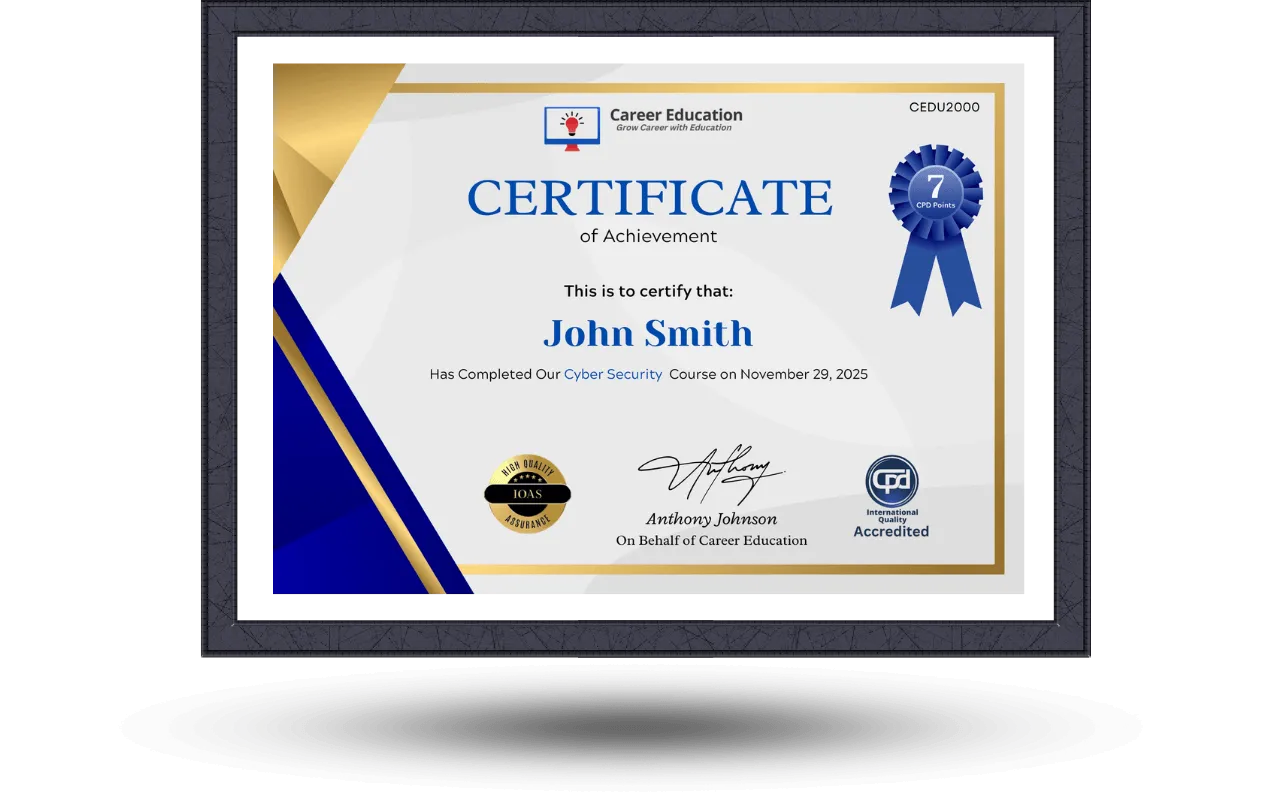
Earn an Accredited Certificate
Upon completion of any course, all students are entitled to a CPD IQ Accredited e-certificate that will be issued by Career Education signifying the completion of your course.
After you complete the course and assignment, you will be eligible to order a free certificate accredited by CPD International Quality by completing the form below.
Hardcopy certificates and transcripts are also available for a small additional fee. More information is disclosed upon course completion.
Similar Courses




Frequently Asked Questions
The lifetime membership includes unlimited access to all courses, resources, and updates for a one-time fee.
You can purchase the membership directly from our website using a secure checkout process.
Yes, selected courses can be downloaded for offline access through our mobile app.
Yes, all future updates and new courses are included at no extra cost.
Yes, we offer a 30-day money-back guarantee if you are not satisfied with the membership.