
94%
OFF
OFF
Self-Esteem Training
- Lifetime Access
- All Levels
- PDF Certificate
£296
£19
14-Day Money-Back Guarantee
Learn With Confidence









# Self-Esteem Training
Build greater self-awareness, confidence and resilience with practical **Self-Esteem Training** designed to help you develop a healthier and more positive view of yourself.
Self-esteem influences how people see themselves, how they respond to challenges and how confidently they approach everyday situations. It can affect relationships, communication, decision-making, motivation, work and personal development.
Having healthy self-esteem does not mean believing that you are perfect or never experiencing self-doubt. Instead, it involves developing a realistic appreciation of your strengths, recognising areas where you can grow and learning to treat yourself with greater understanding and respect.
Our **Self-Esteem Training** provides an accessible introduction to the principles that can support healthier self-perception and greater personal confidence. The course is designed to encourage reflection, practical development and positive changes in the way you approach yourself and everyday challenges.
Whether you are looking to improve your confidence at work, strengthen your communication, become more comfortable with decision-making or simply develop a healthier relationship with yourself, this course can provide valuable knowledge and practical direction.
## Why Take Self-Esteem Training?
Self-esteem can influence many aspects of everyday life.
When people have low confidence in themselves, they may avoid opportunities, hesitate to express opinions, struggle to accept compliments or become overly concerned about making mistakes.
On the other hand, developing healthier self-esteem can help people approach challenges with greater confidence and recognise that mistakes and setbacks are a normal part of learning.
The **Self-Esteem Training** course focuses on developing a balanced understanding of self-worth.
The aim is not to create unrealistic positivity. Instead, it is to help learners understand the factors that can influence self-esteem and explore healthier ways of thinking about themselves.
## Course Learning Outcomes
By completing **Self-Esteem Training**, you will develop the knowledge to:
* Understand the meaning and importance of self-esteem.
* Recognise factors that can influence how people view themselves.
* Identify common patterns associated with low self-esteem.
* Develop greater awareness of personal strengths and abilities.
* Explore the relationship between thoughts, feelings and behaviour.
* Understand how negative self-talk can influence confidence.
* Develop more constructive approaches to self-criticism.
* Recognise the importance of setting realistic personal goals.
* Explore ways to develop greater confidence in everyday situations.
* Improve awareness of personal values and achievements.
* Develop healthier approaches to mistakes and setbacks.
* Strengthen personal resilience.
* Communicate with greater confidence.
* Build a foundation for continued personal development.
# Understanding Self-Esteem
Self-esteem refers broadly to how people evaluate and perceive themselves.
It can be influenced by experiences, relationships, social expectations, achievements, failures and the way individuals interpret events.
Self-esteem can also change over time.
Someone may feel highly confident in one area of life while experiencing self-doubt in another.
For example, an individual may feel confident professionally but struggle with social situations, or feel comfortable communicating with close friends while finding public speaking intimidating.
Understanding this complexity is important.
Healthy self-esteem is not about feeling confident in every situation. It is about developing a more balanced and realistic sense of self.
**Self-Esteem Training** can help you explore these ideas and consider how your own patterns of thinking may influence your confidence and behaviour.
# Develop Greater Self-Awareness
Self-awareness is an important part of personal development.
Before changing unhelpful habits, it is useful to understand them.
You will explore how your experiences, beliefs and internal dialogue can influence the way you perceive yourself.
Greater self-awareness can help you recognise situations where self-doubt becomes particularly strong.
It can also help you identify your existing strengths.
Many people focus heavily on perceived weaknesses while overlooking the skills, achievements and positive qualities they already possess.
Developing a more balanced perspective can provide a stronger foundation for personal growth.
# Understand Negative Self-Talk
The way people speak to themselves can have a significant influence on how they feel and behave.
Negative self-talk may involve harsh self-criticism, unrealistic expectations or automatically assuming that mistakes indicate personal failure.
For example, making one mistake does not necessarily mean someone is incompetent.
Learning to recognise these patterns can help individuals question whether their internal conclusions are fair or realistic.
The **Self-Esteem Training** course introduces the importance of becoming more aware of internal dialogue and developing more constructive ways of responding to self-critical thoughts.
# Build Confidence Through Action
Confidence often develops through experience.
Waiting until you feel completely confident before taking action can sometimes prevent you from gaining the experiences that build confidence in the first place.
Personal development can involve taking manageable steps outside your usual comfort zone.
Setting realistic goals can provide opportunities to experience progress and recognise personal capability.
The course encourages an approach based on achievable development rather than unrealistic expectations.
Small improvements can contribute to greater confidence over time.
# Recognise Your Strengths
People often find it easier to identify weaknesses than strengths.
Developing healthy self-esteem involves recognising both.
Your strengths may include communication, creativity, organisation, persistence, empathy, problem-solving or other abilities.
Some strengths may also have developed through difficult experiences.
Recognising these qualities can help you develop a more complete understanding of yourself.
**Self-Esteem Training** encourages learners to consider their abilities, achievements and personal qualities rather than defining themselves exclusively by perceived shortcomings.
# Develop a Healthier Relationship With Mistakes
Nobody performs perfectly all the time.
Mistakes can be uncomfortable, but they can also provide opportunities for learning.
Low self-esteem may cause someone to interpret a mistake as evidence that they are incapable or inadequate.
A healthier approach separates an event from personal identity.
Making a mistake does not define the whole person.
Learning to reflect on what happened, identify what can be improved and move forward can contribute to greater resilience.
# Set Realistic Personal Goals
Goals can provide direction and motivation.
However, unrealistic goals can create unnecessary pressure and reinforce feelings of failure.
Effective goal setting involves considering what is achievable, identifying meaningful objectives and recognising progress.
The **Self-Esteem Training** course encourages learners to approach personal development progressively.
Instead of expecting immediate transformation, you can focus on practical improvements that can be maintained over time.
# Improve Everyday Confidence
Self-esteem can influence everyday interactions.
It can affect whether you express an opinion, ask a question, introduce yourself to someone new or volunteer for an opportunity.
Developing confidence does not mean becoming the loudest person in the room.
It can simply mean becoming more comfortable expressing yourself appropriately and recognising that your contribution has value.
The knowledge explored through **Self-Esteem Training** can support greater awareness of these everyday behaviours.
# Develop Resilience
Resilience involves the ability to respond to challenges, setbacks and difficult experiences.
Strong self-esteem can contribute to resilience because people who have a balanced sense of self may be better able to separate temporary difficulties from their overall sense of identity.
Developing resilience does not mean ignoring difficult emotions.
Instead, it involves learning to acknowledge challenges while continuing to move forward.
The course encourages learners to develop constructive approaches to setbacks and personal challenges.
# Improve Communication Confidence
Self-esteem can influence communication.
People who doubt themselves may hesitate to speak, avoid difficult conversations or struggle to communicate their needs.
Developing greater confidence can help you communicate more clearly and assertively.
Healthy assertiveness involves expressing your thoughts, needs and boundaries respectfully while also recognising the perspectives of others.
This can support healthier professional and personal relationships.
# Who Is Self-Esteem Training For?
**Self-Esteem Training** can be suitable for:
* Adults interested in personal development.
* Professionals looking to improve workplace confidence.
* Students.
* Job seekers.
* Entrepreneurs.
* Business owners.
* Team members.
* Individuals preparing for new responsibilities.
* People interested in improving communication confidence.
* Anyone wanting to develop greater self-awareness.
The course is particularly suitable for beginners who want an accessible introduction to self-esteem and personal development.
It does not require previous academic or professional knowledge.
# Benefits of Developing Healthy Self-Esteem
Improving self-esteem can contribute to positive changes across different areas of life.
### Greater Self-Awareness
You can develop a clearer understanding of your thoughts, beliefs, strengths and areas for development.
### Increased Confidence
A healthier self-image can make it easier to approach new situations and opportunities.
### Better Decision-Making
Greater confidence can help you make decisions without constantly relying on reassurance from others.
### Improved Communication
You may become more comfortable expressing opinions, asking questions and communicating boundaries.
### Greater Resilience
A balanced sense of self can help you respond more constructively to mistakes and setbacks.
### More Positive Personal Development
Recognising your progress can help create motivation for continued growth.
# Support Your Professional Development
Self-esteem can be particularly valuable in professional environments.
Workplaces often require employees to communicate ideas, participate in meetings, collaborate with colleagues, handle feedback and take responsibility.
Confidence can influence how comfortably you engage with these situations.
Developing self-awareness can also help you recognise areas where additional skills or experience could be beneficial.
Rather than viewing development as evidence of inadequacy, you can treat it as a normal part of professional growth.
# Build Confidence for New Opportunities
Career development often involves stepping into unfamiliar situations.
You may be applying for a new position, attending an interview, presenting an idea, leading a project or taking on additional responsibilities.
These situations can create self-doubt.
Developing healthier self-esteem can help you approach opportunities with a more balanced perspective.
You do not need to believe that you will succeed at everything.
Instead, you can recognise that you have the ability to learn, adapt and improve.
# Create a Stronger Foundation for Personal Growth
Personal development is an ongoing process.
There is no single point at which you become completely confident or stop experiencing self-doubt.
The aim is to develop healthier ways of responding to these experiences.
**Self-Esteem Training** can provide a foundation for continued reflection and growth.
The knowledge gained can complement other areas of personal development, including communication, leadership, emotional intelligence, productivity and career development.
# A Practical Approach to Self-Esteem
The value of self-esteem development comes from applying what you learn.
As you explore the principles of self-esteem, consider how they relate to your everyday experiences.
Think about situations where you feel confident and situations where you experience self-doubt.
Consider the beliefs behind those reactions.
Identify strengths that you may have overlooked.
Recognise progress rather than expecting perfection.
Set achievable goals and use setbacks as opportunities to learn.
These simple principles can help turn self-esteem development into an ongoing process rather than a one-time activity.
# Start Your Self-Esteem Development Journey Today
A healthier relationship with yourself can influence how you approach challenges, relationships, opportunities and personal growth.
The **Self-Esteem Training** course provides an accessible foundation for understanding self-esteem, developing self-awareness, recognising personal strengths, challenging unhelpful self-talk and building greater confidence and resilience.
Whether you are looking to feel more comfortable expressing yourself, prepare for professional opportunities, develop stronger personal awareness or simply understand yourself better, this course can provide useful knowledge and direction.
Remember that self-esteem development is a gradual process. The goal is not perfection or constant confidence. It is developing a more balanced, realistic and supportive view of yourself.
**Enrol in Self-Esteem Training today and begin building greater self-awareness, confidence, resilience and belief in your ability to learn, grow and move forward.**
Course Modules
Course Content
Chapter 1_ Be Optimistic
-
Chapter 1_ Be Optimistic
Chapter 2_ It’s All in Our Mind
Chapter 3_ Overcoming Negative Thinking
Chapter 4_ Achieving Your Goals
What our students say
Excellent
4.9 average
158 Reviews

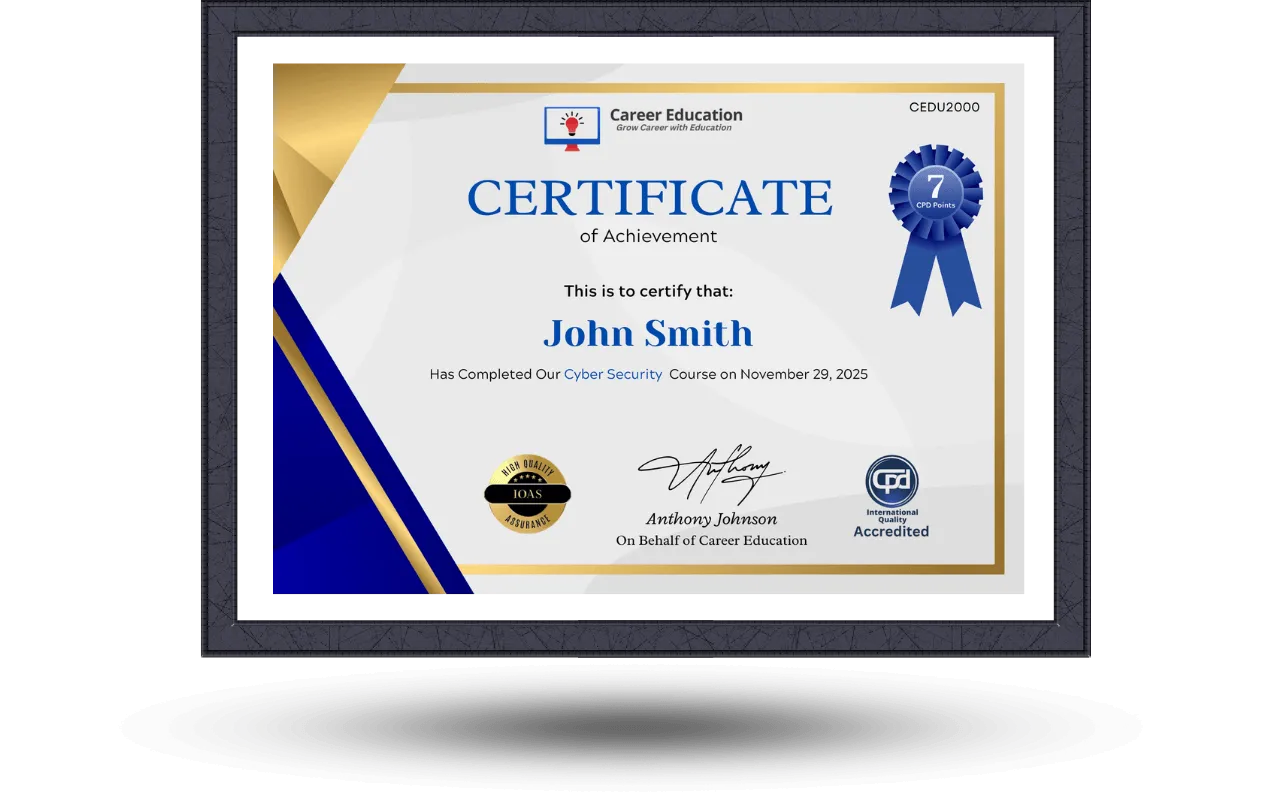
Earn an Accredited Certificate
Upon completion of any course, all students are entitled to a CPD IQ Accredited e-certificate that will be issued by Career Education signifying the completion of your course.
After you complete the course and assignment, you will be eligible to order a free certificate accredited by CPD International Quality by completing the form below.
Hardcopy certificates and transcripts are also available for a small additional fee. More information is disclosed upon course completion.
Similar Courses


Frequently Asked Questions
The lifetime membership includes unlimited access to all courses, resources, and updates for a one-time fee.
You can purchase the membership directly from our website using a secure checkout process.
Yes, selected courses can be downloaded for offline access through our mobile app.
Yes, all future updates and new courses are included at no extra cost.
Yes, we offer a 30-day money-back guarantee if you are not satisfied with the membership.