
94%
OFF
OFF
Sage Accounting Skills and Training
- Lifetime Access
- All Levels
- PDF Certificate
£296
£19
14-Day Money-Back Guarantee
Learn With Confidence







Sage Accounting Skills and Training
In today’s competitive business environment, strong accounting skills can make a significant difference to your professional development and workplace performance. The Sage Accounting Skills and Training course is designed to help learners build practical knowledge of essential accounting processes while developing confidence in using Sage accounting software. Whether you are looking to strengthen your existing accounting knowledge, prepare for administrative responsibilities, or develop practical bookkeeping skills, this course provides a structured learning experience focused on real-world outcomes.
Rather than focusing only on theory, the Sage Accounting Skills and Training course covers key accounting functions that businesses rely on every day. You will explore how to set up an accounting system, manage nominal ledger activities, work with customers and suppliers, process sales and payments, handle petty cash, reconcile bank accounts, and understand payroll wages.
Build Practical Sage Accounting Skills
Accounting software is widely used to organise financial information, maintain records, process transactions, and support accurate financial management. Developing practical software skills can help you approach accounting-related tasks with greater confidence and efficiency.
The Sage Accounting Skills and Training course introduces learners to a range of important accounting functions in a clear and structured way. By progressing through the modules, you can develop an understanding of how different areas of an accounting system connect and contribute to effective financial administration.
You will learn about:
-
Setting up an accounting system
-
Nominal ledger processes
-
Customer account management
-
Supplier account management
-
Sales ledger activities
-
Sundry payments
-
Sundry receipts
-
Petty cash
-
Bank reconciliation
-
Payroll and wages
This broad coverage makes the course useful for learners who want to develop a well-rounded understanding of day-to-day accounting operations.
Understand How to Set Up the System
A strong foundation is essential when working with accounting software. The course begins with Setting Up the System, helping you understand the importance of establishing an accounting system correctly before processing financial information.
You can develop an understanding of the fundamental setup processes involved in creating an organised accounting environment. This knowledge can help you approach subsequent accounting tasks more systematically and appreciate how accurate initial configuration supports efficient record keeping.
By understanding the setup stage, you can build a stronger foundation for working through the rest of the accounting cycle.
Develop Nominal Ledger Knowledge
The Nominal Ledger is an important part of accounting because it provides a structured way to record and organise financial transactions. Understanding how nominal ledger activities work can help you make sense of how financial information is categorised and maintained.
Through this module, learners can develop practical knowledge of nominal ledger processes and their role within an accounting system. This can support better understanding of financial records and help you work more confidently with routine accounting information.
Improve Customer Account Management
Managing customer records is another important aspect of accounting administration. The Customers module focuses on the processes associated with maintaining customer information and handling customer-related accounting activities.
You can develop skills that help you understand how customer accounts fit into the wider accounting system. This knowledge can be valuable when dealing with financial records, monitoring customer transactions, and maintaining organised accounts.
For learners interested in bookkeeping, finance administration, or business support roles, customer account knowledge can provide a useful addition to their existing skill set.
Strengthen Supplier Management Skills
Businesses also need accurate and organised records of their suppliers. The Suppliers module introduces the accounting processes associated with supplier accounts.
You can learn how supplier-related information contributes to effective financial administration and gain a clearer understanding of how supplier transactions are managed within an accounting system.
Developing knowledge in this area can help you become more confident when working with purchase-related records and routine supplier information.
Explore Sales Ledger Processes
The Sales Ledger is another core area covered by the course. Sales ledger activities are important for maintaining accurate records of transactions involving customers and sales.
Through this module, you can develop a better understanding of how sales-related information is handled within an accounting system. This can help you appreciate the relationship between sales transactions, customer accounts, and wider financial records.
A stronger understanding of sales ledger processes can be particularly useful for anyone looking to improve their bookkeeping or finance administration capabilities.
Learn About Sundry Payments
Not every business payment fits neatly into standard transaction categories. The Sundry Payments module introduces learners to the handling of miscellaneous payments within an accounting environment.
Understanding how these transactions are recorded can help you maintain more complete and organised financial records. You can develop greater awareness of how different types of payments are incorporated into accounting processes and how accurate transaction recording contributes to reliable financial information.
Understand Sundry Receipts
The course also covers Sundry Receipts, giving learners an opportunity to explore the treatment of miscellaneous receipts within an accounting system.
This knowledge can help you understand how incoming financial transactions are recorded and organised. Developing confidence with different types of receipts can contribute to more accurate bookkeeping and better overall financial administration.
Develop Petty Cash Skills
Petty cash may involve relatively small transactions, but maintaining accurate records is still an important part of financial administration. The Petty Cash module introduces learners to the processes involved in managing and recording petty cash transactions.
You can build an understanding of how smaller cash transactions fit into the broader accounting system and why consistent record keeping matters. These skills can be useful in workplace environments where employees are responsible for routine expenses and cash records.
Build Confidence with Bank Reconciliation
Bank Reconciliation is a key accounting process used to compare accounting records with bank information and identify differences that may need attention.
The course provides learners with an opportunity to understand this important area of financial administration. Developing knowledge of bank reconciliation can help you recognise the importance of accurate financial records and systematic checking.
This can also support stronger attention to detail, an important transferable skill for accounting, bookkeeping, and administrative roles.
Understand Payroll and Wages
The final module focuses on Payroll Wages, introducing learners to an important area of business accounting. Payroll involves maintaining accurate information relating to employee wages and associated financial records.
By studying this topic, you can develop a better understanding of how payroll activities fit into an organisation’s accounting processes. This can broaden your knowledge beyond basic bookkeeping and provide insight into another important financial function.
What Can You Gain from Sage Accounting Skills and Training?
Completing the Sage Accounting Skills and Training course can help you develop a range of practical and transferable skills. Depending on your existing experience and career goals, the knowledge gained can support professional development in accounting, bookkeeping, finance administration, and business support.
By the end of the course, you can work towards:
-
Developing practical knowledge of Sage accounting processes
-
Understanding key areas of day-to-day bookkeeping
-
Building confidence with customer and supplier records
-
Understanding sales ledger activities
-
Developing knowledge of payments and receipts
-
Managing petty cash information more effectively
-
Understanding the purpose of bank reconciliation
-
Developing awareness of payroll and wages processes
-
Improving your overall accounting administration knowledge
-
Strengthening attention to detail when working with financial information
Who Can Benefit from This Course?
The Sage Accounting Skills and Training course can be suitable for a variety of learners who want to develop accounting software and bookkeeping knowledge.
It may be particularly useful for:
-
Beginners interested in accounting
-
Aspiring bookkeepers
-
Finance administration learners
-
Business administration professionals
-
Office workers who handle financial records
-
Entrepreneurs who want to understand accounting processes
-
Existing accounting staff looking to refresh their knowledge
-
Learners preparing for further accounting study
-
Professionals seeking to broaden their administrative skill set
You do not need to limit your learning to one specific career path. Accounting knowledge can be valuable across many business environments because organisations of different sizes rely on accurate financial records and effective financial administration.
Support Your Career Development
Employers often value candidates who can demonstrate both theoretical understanding and practical workplace skills. Developing familiarity with accounting software and fundamental accounting processes can help you present a broader professional skill set.
The Sage Accounting Skills and Training course gives you the opportunity to study several connected accounting functions rather than concentrating on only one area. This broader perspective can help you understand how different financial activities contribute to the overall accounting process.
For those already working in administration or finance-related environments, the course can also provide an opportunity to reinforce existing knowledge and identify areas for further development.
Learn at Your Own Pace
Professional development can be challenging when you have work, education, and other commitments. A flexible learning approach can make it easier to fit professional development into your routine.
With its structured module-based curriculum, the Sage Accounting Skills and Training course allows you to work through essential topics in an organised sequence. You can focus on developing your understanding of individual accounting functions before bringing that knowledge together into a broader view of accounting operations.
Take the Next Step Towards Stronger Accounting Skills
Accounting plays an important role in the success of every organisation. Accurate records help businesses understand their financial position, manage transactions, monitor payments and receipts, and maintain organised financial information.
The Sage Accounting Skills and Training course provides a practical learning pathway covering system setup, nominal ledger, customers, suppliers, sales ledger, sundry payments, sundry receipts, petty cash, bank reconciliation, and payroll wages.
If your goal is to develop practical accounting knowledge, strengthen your bookkeeping capabilities, or become more confident with Sage accounting processes, this course can provide a valuable foundation for your professional development.
Start developing your Sage Accounting Skills and Training knowledge today and take a practical step towards building stronger accounting, bookkeeping, and financial administration skills.
Course Modules
Course Content
Module 02 Nominal Ledger
-
Lesson 02 Nominal Ledger
Module 03 Customers
Module 04 Suppliers
Module 05 Sales Ledger
Module 06 Sundry Payments
Module 07 Sundry Receipts
Module 08 Petty Cash
Module 09 Bank Reconciliation
Module 1 Setting Up The System
Module 10 Payroll Wages
What our students say
Excellent
4.9 average
158 Reviews

Earn an Accredited Certificate
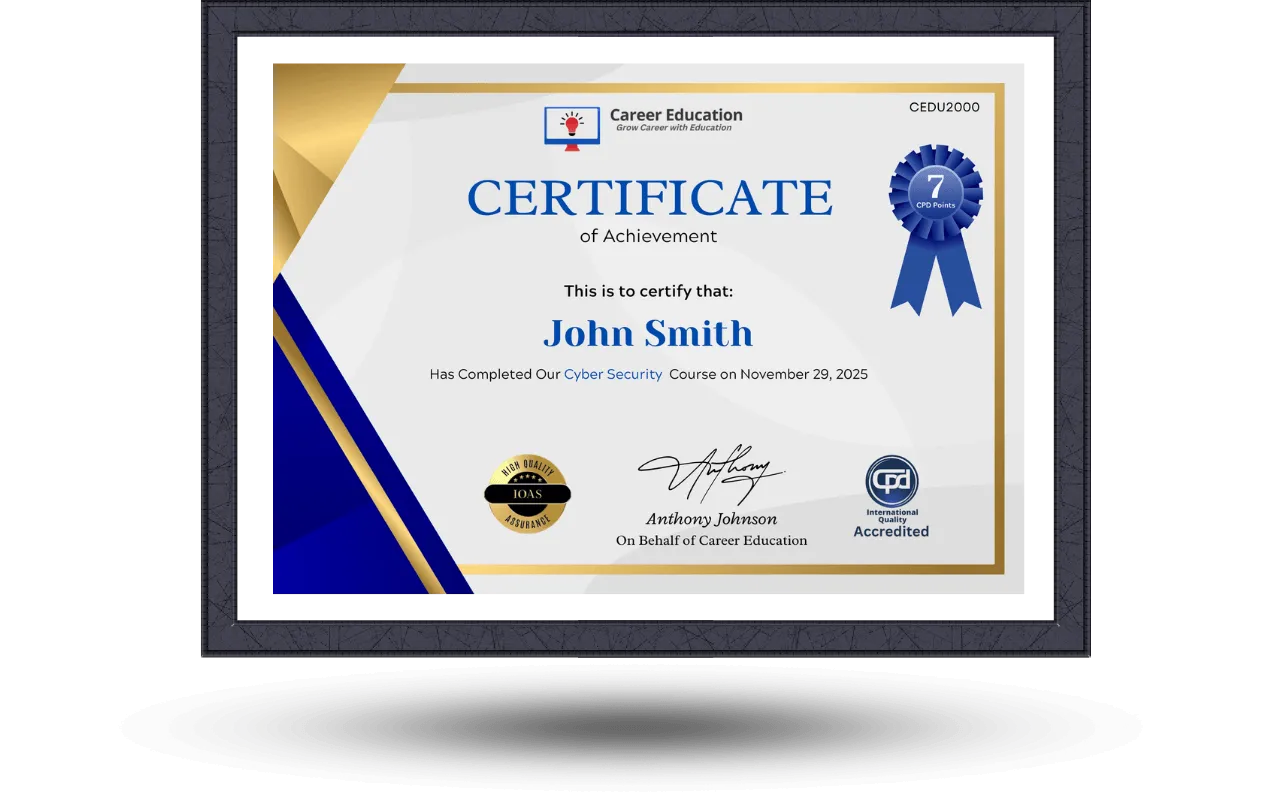
Upon completion of any course, all students are entitled to a CPD IQ Accredited e-certificate that will be issued by Career Education signifying the completion of your course.
After you complete the course and assignment, you will be eligible to order a free certificate accredited by CPD International Quality by completing the form below.
Hardcopy certificates and transcripts are also available for a small additional fee. More information is disclosed upon course completion.
Similar Courses


Frequently Asked Questions
The lifetime membership includes unlimited access to all courses, resources, and updates for a one-time fee.
You can purchase the membership directly from our website using a secure checkout process.
Yes, selected courses can be downloaded for offline access through our mobile app.
Yes, all future updates and new courses are included at no extra cost.
Yes, we offer a 30-day money-back guarantee if you are not satisfied with the membership.