
94%
OFF
OFF
Safeguarding and Protecting Vulnerable Adults
- Lifetime Access
- All Levels
- PDF Certificate
£296
£19
14-Day Money-Back Guarantee
Learn With Confidence









Develop the Knowledge and Skills to Recognise, Prevent, and Respond to Adult Safeguarding Concerns
Protecting vulnerable adults is a vital responsibility across health and social care, community services, support organisations, and many professional environments. Every individual has the right to live with dignity, respect, independence, and safety. Understanding how to identify risks, respond appropriately to concerns, and promote a culture of protection is essential for anyone working with adults who may need additional support.
The Safeguarding and Protecting Vulnerable Adults course is designed to provide learners with the essential knowledge and practical skills needed to understand adult safeguarding principles, recognise signs of abuse or neglect, and take appropriate action to support vulnerable individuals.
This comprehensive course explores the responsibilities involved in safeguarding vulnerable adults, including identifying different types of abuse, understanding legislation, maintaining professional boundaries, reporting concerns, and promoting person-centred support.
Whether you work in health and social care, education, community services, voluntary organisations, or are looking to develop valuable safeguarding knowledge, this course provides the foundation needed to contribute to safer environments and improved outcomes for vulnerable adults.
Why Study the Safeguarding and Protecting Vulnerable Adults Course?
Vulnerable adults may face increased risks due to age, disability, illness, dependency, social isolation, or other circumstances that affect their ability to protect themselves from harm. Safeguarding knowledge helps professionals and individuals recognise these risks and respond effectively.
The Safeguarding and Protecting Vulnerable Adults course helps learners understand their role in creating safer communities and support environments.
By completing this course, you will learn how to:
- Understand the meaning and importance of adult safeguarding
- Recognise different forms of abuse and neglect
- Identify warning signs and risk factors
- Understand safeguarding responsibilities and procedures
- Respond appropriately to safeguarding concerns
- Promote dignity, respect, and independence
- Understand the importance of reporting and recording concerns
- Support a person-centred approach to protection
This course provides practical knowledge that can be applied in real-world situations where safeguarding awareness is essential.
Why Choose This Course?
The Safeguarding and Protecting Vulnerable Adults course provides an accessible and comprehensive introduction to adult safeguarding principles.
Safeguarding is not only the responsibility of specific professionals; it is a shared responsibility across communities and organisations. Developing awareness helps individuals understand how to protect vulnerable adults and contribute to environments where people feel safe, valued, and respected.
This course focuses on:
- Adult safeguarding principles
- Recognising abuse and neglect
- Legal and professional responsibilities
- Effective communication
- Risk awareness
- Ethical practice
- Promoting wellbeing and independence
Learners will gain confidence in understanding safeguarding situations and responding appropriately.
Understanding Adult Safeguarding
Adult safeguarding involves protecting an individual’s right to live safely, free from abuse, neglect, and exploitation. It focuses on preventing harm while supporting people to maintain control over their own lives.
The Safeguarding and Protecting Vulnerable Adults course introduces learners to the key principles behind safeguarding practice.
You will explore:
- What safeguarding means
- Why vulnerable adults may require additional protection
- The importance of dignity and respect
- The role of prevention and early intervention
- The importance of empowering individuals
Learners will understand that effective safeguarding balances protection with independence, ensuring that individuals are supported while maintaining their rights and choices.
Recognising Vulnerability and Risk Factors
Understanding why someone may be vulnerable is an important part of safeguarding practice.
This section explores factors that may increase safeguarding risks, including:
- Physical or learning disabilities
- Mental health challenges
- Age-related needs
- Dependency on carers or support services
- Social isolation
- Communication difficulties
- Changes in behaviour or wellbeing
Learners will gain awareness of how vulnerability can vary between individuals and why a person-centred approach is essential.
Recognising risk factors allows concerns to be identified earlier and appropriate support to be provided.
Understanding Different Types of Abuse
A key part of safeguarding is being able to recognise different forms of abuse.
The Safeguarding and Protecting Vulnerable Adults course explores various types of abuse, including:
- Physical abuse
- Emotional or psychological abuse
- Sexual abuse
- Financial abuse
- Neglect and acts of omission
- Domestic abuse
- Discriminatory abuse
- Organisational abuse
- Self-neglect
Learners will understand the possible signs associated with each type of abuse and why concerns should always be taken seriously.
This knowledge helps individuals identify situations where a vulnerable adult may need protection and support.
Recognising Signs and Indicators of Abuse
Abuse is not always obvious, and vulnerable adults may experience difficulties communicating their concerns.
This course helps learners understand possible indicators, such as:
- Changes in behaviour or mood
- Unexplained injuries
- Increased anxiety or fear
- Poor living conditions
- Sudden financial concerns
- Withdrawal from social activities
- Changes in personal care
Learners will explore why observation, communication, and professional awareness are important safeguarding skills.
Early recognition can help ensure concerns are addressed before further harm occurs.
Safeguarding Responsibilities and Professional Duties
Everyone involved in supporting vulnerable adults has responsibilities to help maintain safety and wellbeing.
This section explores:
- Roles and responsibilities in safeguarding
- Duty of care
- Professional accountability
- Maintaining appropriate boundaries
- Working within policies and procedures
- Importance of confidentiality
Learners will understand how professional conduct contributes to effective safeguarding practice.
Maintaining clear boundaries and following correct procedures helps protect both vulnerable adults and those providing support.
Responding to Safeguarding Concerns
Knowing how to respond appropriately when a concern arises is essential.
The Safeguarding and Protecting Vulnerable Adults course explores:
- How to respond when someone shares a concern
- Listening and communication techniques
- Recording information accurately
- Reporting concerns through appropriate channels
- Avoiding inappropriate responses
- Supporting the individual
Learners will understand the importance of responding calmly, respectfully, and professionally.
Effective responses ensure that concerns are handled appropriately and that vulnerable adults receive the support they need.
Safeguarding Legislation and Guidance
Safeguarding practice is supported by laws, regulations, and professional guidance designed to protect vulnerable adults.
This course introduces learners to:
- The importance of safeguarding legislation
- Professional standards and responsibilities
- Organisational safeguarding policies
- Information sharing principles
- The importance of accountability
Understanding legal and ethical responsibilities helps learners recognise how safeguarding frameworks support better protection.
Communication and Person-Centred Support
Effective communication is essential when supporting vulnerable adults.
This module explores:
- Active listening skills
- Respectful communication
- Supporting individuals with communication difficulties
- Encouraging choice and independence
- Building trust
Learners will understand how person-centred approaches help individuals feel valued and involved in decisions about their own lives.
Safeguarding is not only about protection; it is also about promoting dignity, autonomy, and quality of life.
Creating Safer Environments
Safeguarding involves creating environments where risks are reduced and people feel respected.
Learners will explore strategies for:
- Promoting positive workplace cultures
- Encouraging reporting of concerns
- Supporting safer practices
- Reducing opportunities for harm
- Improving safeguarding awareness
A strong safeguarding culture helps organisations provide better support and protection.
Skills You Will Develop
By completing the Safeguarding and Protecting Vulnerable Adults course, you will develop valuable skills including:
- Safeguarding awareness
- Abuse recognition skills
- Risk identification
- Professional communication
- Reporting procedures
- Ethical decision-making
- Person-centred support approaches
- Understanding of safeguarding responsibilities
These skills are valuable for anyone supporting vulnerable adults in professional or community settings.
Who Should Enrol?
The Safeguarding and Protecting Vulnerable Adults course is suitable for:
- Health and social care workers
- Care assistants
- Support workers
- Healthcare professionals
- Community workers
- Volunteers
- Education professionals
- Managers and supervisors
- Anyone interested in safeguarding awareness
No previous safeguarding experience is required. The course is suitable for beginners as well as individuals looking to refresh their knowledge.
Career and Professional Benefits
Safeguarding knowledge is highly valued across many sectors where professionals support vulnerable individuals.
Completing the Safeguarding and Protecting Vulnerable Adults course can help learners:
- Strengthen professional knowledge
- Improve confidence when handling safeguarding concerns
- Support career development in care-related roles
- Demonstrate commitment to safe practice
- Understand responsibilities when supporting vulnerable people
Safeguarding skills are an important part of delivering high-quality care and support.
Practical Knowledge for Real-World Situations
This course focuses on practical safeguarding awareness that can be applied in everyday situations.
Learners will understand how to:
- Identify potential risks
- Respond appropriately to concerns
- Support vulnerable adults respectfully
- Follow safeguarding procedures
- Promote safer environments
By developing these skills, learners can contribute positively to protecting vulnerable adults and improving standards of care.
Why Safeguarding and Protecting Vulnerable Adults Matters
Every vulnerable adult deserves to feel safe, respected, and supported. Safeguarding knowledge plays a crucial role in preventing harm, recognising concerns, and ensuring individuals receive appropriate protection.
The Safeguarding and Protecting Vulnerable Adults course provides learners with the essential understanding needed to support safer communities and professional environments.
By exploring safeguarding principles, abuse awareness, communication strategies, responsibilities, and reporting procedures, learners gain the confidence needed to make a positive difference.
Enrol Today and Strengthen Your Safeguarding Knowledge
Developing safeguarding skills is an important step towards creating safer environments for vulnerable adults.
Enrol in the Safeguarding and Protecting Vulnerable Adults course today and gain the knowledge needed to recognise risks, respond effectively, and promote dignity, respect, and protection.
Whether you are beginning a career in care, expanding your professional skills, or simply want to understand how to support vulnerable individuals, this course provides valuable safeguarding knowledge for real-world situations.
Course Modules
Course Content
Module 1_ Introduction to Safeguarding Vulnerable Adults
-
Lesson 1_ Introduction to Safeguarding Vulnerable Adults
Module 2_ Types of Abuse
Module 3_ Signs and Indicators of Abuse
Module 4_ Risk Factors and Vulnerabilities
What our students say
Excellent
4.9 average
158 Reviews

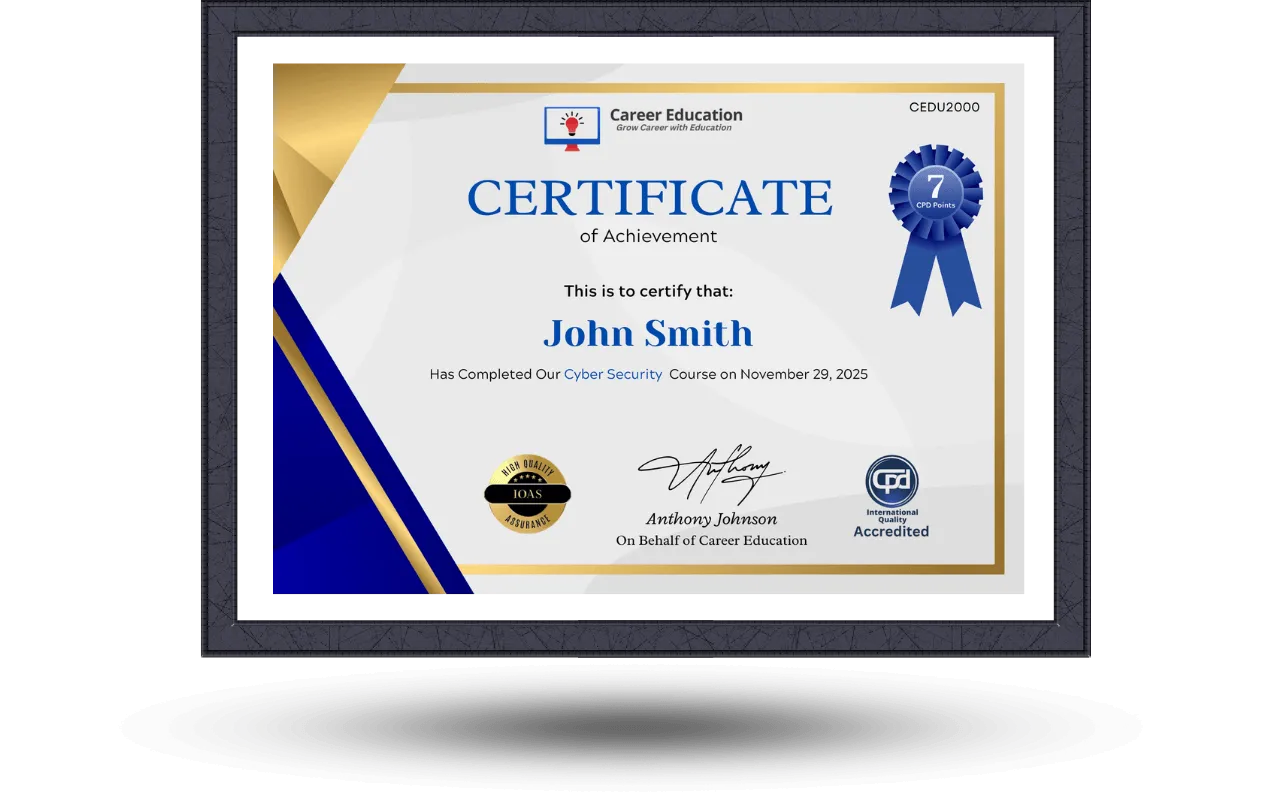
Earn an Accredited Certificate
Upon completion of any course, all students are entitled to a CPD IQ Accredited e-certificate that will be issued by Career Education signifying the completion of your course.
After you complete the course and assignment, you will be eligible to order a free certificate accredited by CPD International Quality by completing the form below.
Hardcopy certificates and transcripts are also available for a small additional fee. More information is disclosed upon course completion.
Similar Courses




Frequently Asked Questions
The lifetime membership includes unlimited access to all courses, resources, and updates for a one-time fee.
You can purchase the membership directly from our website using a secure checkout process.
Yes, selected courses can be downloaded for offline access through our mobile app.
Yes, all future updates and new courses are included at no extra cost.
Yes, we offer a 30-day money-back guarantee if you are not satisfied with the membership.