94%
OFF
OFF
Quick and Easy Breakfast Ideas: Simple Everyday Meal Preparation
- Lifetime Access
- All Levels
- PDF Certificate
£296
£19
14-Day Money-Back Guarantee
Learn With Confidence









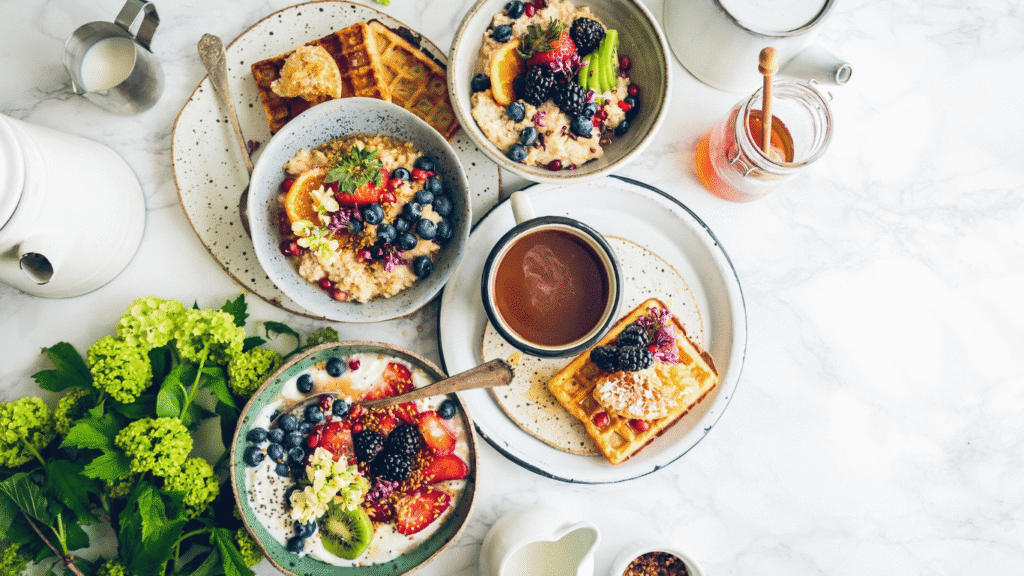
Develop your everyday cooking knowledge with a course focused on quick and easy breakfast preparation. Breakfast can take many forms, from simple fruit and yoghurt combinations to porridge, eggs, toast, sandwiches, smoothies and more substantial cooked meals. Understanding how to prepare a variety of options can help you organise your morning routine and make more informed food choices.
For many people, limited time is one of the main challenges when preparing breakfast. Learning how to select suitable ingredients, organise preparation and use straightforward cooking methods can make the process easier to manage. You do not need complicated recipes or specialist equipment to create a range of breakfast options.
Throughout this course, you will explore different breakfast categories, common ingredients, preparation methods and flavour combinations. You will also consider how meals can be adapted to different preferences, dietary requirements and available preparation time.
The course introduces general nutritional awareness and the importance of food hygiene, storage and portion planning. It is designed for everyday learning rather than providing individual dietary advice.
Whether you are a beginner, a busy professional, a student or a home cook looking for more breakfast inspiration, this course can help you build a stronger foundation in simple meal preparation.
What You Will Learn
By studying this course, you will develop an understanding of:
-
Different types of everyday breakfast meals.
-
How to choose ingredients for quick preparation.
-
Simple methods for preparing eggs and toast.
-
The use of oats, cereals and grains.
-
Fruit, yoghurt and smoothie combinations.
-
Basic breakfast sandwiches and wraps.
-
How to balance flavours and textures.
-
Ingredient substitutions for different preferences.
-
Meal preparation and planning.
-
General nutritional considerations.
-
Food hygiene and safe storage.
-
How to organise breakfast preparation efficiently.
Understanding Different Breakfast Styles
Breakfast can include a wide range of foods and preparation styles. You will explore common options such as cereal-based breakfasts, fruit combinations, egg dishes, toast, sandwiches, porridge and smoothies.
Some breakfast choices require little preparation, while others involve cooking or assembling several ingredients. Understanding these differences can help you select options according to your available time and preferences.
You will also consider how breakfast traditions vary between households and cultures. This can introduce you to different ingredients and preparation styles while helping you develop a more flexible approach to morning meals.
Preparing Quick Breakfast Ingredients
Good ingredient preparation can make breakfast easier to organise. You will explore how to select common ingredients, check their condition and prepare them for use.
This may include washing and cutting fruit, measuring oats, preparing bread, organising eggs and selecting suitable toppings.
You will consider how ingredients can be stored appropriately so that they remain suitable for preparation. Understanding these basics can help reduce delays and make morning cooking more manageable.
Oats, Cereals and Grain-Based Breakfasts
Oats and other grain-based foods are common breakfast ingredients. You will explore different ways to prepare them, including porridge-style meals and combinations with fruit, yoghurt, nuts or seeds.
You will consider how liquid quantities and preparation time influence texture. You will also explore how toppings can introduce different flavours and textures.
The course introduces the importance of reading ingredient information on packaged cereals and understanding how different products vary in composition.
Eggs and Savoury Breakfasts
Eggs can be prepared in several ways and used in a range of breakfast dishes. You will explore general preparation methods such as boiling, scrambling and other common cooking approaches.
You will also consider how eggs can be combined with vegetables, toast, bread and other ingredients to create different breakfast options.
Savoury breakfasts may include sandwiches, wraps and simple cooked combinations. You will explore how ingredients can be selected to create convenient meals without making preparation unnecessarily complicated.
Food safety is important when handling eggs. You will consider suitable storage and preparation guidance and the importance of following appropriate cooking instructions.
Fruit, Yoghurt and Fresh Breakfast Combinations
Fresh ingredients can provide variety in breakfast preparation. You will explore combinations involving fruits, yoghurt, seeds, nuts and other suitable additions.
You will consider how sweetness, acidity and texture influence the finished dish. For example, fresh fruit can be combined with yoghurt and oats to create a simple breakfast bowl.
The course also introduces ingredient substitutions, including dairy-free alternatives where appropriate. You will learn why checking ingredient labels is important when preparing meals for people with allergies or dietary preferences.
Smoothies and Breakfast Drinks
Smoothies can provide another option for busy mornings. You will explore how fruits, vegetables and suitable liquid bases can be combined to create different drinks.
You will consider the role of blending, ingredient proportions and texture. The course also introduces the importance of considering the overall ingredients rather than assuming that every smoothie is automatically a balanced meal.
You will explore how smoothies can fit into a wider range of breakfast choices and how ingredients can be adapted according to personal preferences.
Breakfast Sandwiches, Toast and Wraps
Bread-based breakfasts can be prepared in many different ways. You will explore the use of toast, sandwiches and wraps as foundations for sweet or savoury combinations.
You will consider suitable fillings, spreads and toppings, including fruit, vegetables, eggs, cheese and other ingredients.
The course introduces the importance of selecting combinations that work well together and understanding how ingredient preparation influences the final result.
Meal Preparation for Busy Mornings
Planning breakfast in advance can make mornings easier to manage. You will explore how to prepare suitable ingredients ahead of time, organise breakfast supplies and identify options that require minimal preparation.
Some components, such as measured dry ingredients or prepared fruit, may be organised in advance, while other foods are best prepared close to serving time.
You will also consider the importance of appropriate refrigeration and food storage. Perishable ingredients should be handled according to current food safety guidance.
General Nutritional Awareness
Breakfast can include a variety of food groups. You will explore the general roles of carbohydrates, protein, fats, fibre, fruits and vegetables in everyday meal planning.
You will also consider how different breakfast combinations vary in their nutritional composition. Understanding ingredients can help you make more informed choices according to personal preferences and requirements.
This course provides general educational information and does not prescribe specific calorie targets, diets or individual nutrition plans.
Who Is This Course For?
This course is suitable for:
-
Beginners who want to improve breakfast preparation.
-
Busy professionals looking for simple morning meal ideas.
-
Students managing breakfast around study schedules.
-
Home cooks interested in breakfast variety.
-
Individuals exploring simple meal preparation.
-
People interested in fruit, cereal and savoury breakfast options.
-
Anyone who wants to develop everyday cooking skills.
No previous professional cooking experience is required.
Requirements / Prerequisites
There are no formal prerequisites. An interest in food preparation and everyday cooking is sufficient.
Basic kitchen equipment may be useful if you wish to explore the preparation methods covered. Previous breakfast cooking experience is not necessary.
Learners should be willing to follow food hygiene guidance and consider individual allergies and dietary requirements when preparing meals.
Skills You Can Develop
This course can help you strengthen:
-
Ingredient selection.
-
Basic breakfast preparation.
-
Simple cooking techniques.
-
Recipe interpretation.
-
Flavour and texture awareness.
-
Meal planning.
-
Time management.
-
Food hygiene awareness.
-
Ingredient storage knowledge.
-
Everyday kitchen organisation.
Career Path
Knowledge of breakfast preparation can support further learning and exploration in food and hospitality.
Kitchen Assistant: Develop foundational awareness of ingredient preparation and kitchen organisation.
Breakfast Service Assistant: Explore roles involving the preparation and serving of breakfast items in hospitality environments.
Café Assistant: Build general knowledge relevant to preparing and serving simple food and drinks.
Food Preparation Assistant: Develop skills related to ingredient preparation, portioning and food organisation.
Catering Assistant: Explore opportunities involving breakfast preparation and food service.
Further experience, training and any required food safety qualifications may be necessary. This course does not guarantee employment or professional recognition.
Conclusion
Quick and easy breakfast preparation can help make everyday routines more organised while introducing greater variety into your meals. By exploring breakfast ingredients, simple cooking methods, fresh combinations and advance preparation, you can develop useful knowledge for everyday cooking.
Whether you want to make mornings easier, improve your food preparation skills or explore further learning in hospitality, this course provides a foundation that can support your continued development.
Course Modules
Course Content
Module 1-French-Style Scrambled Eggs
-
French-Style Scrambled Eggs
00:00
Module 2-Egg Sandwich
Module 3-Baked Egg Boats
Module 4-Protein Pancake Recipe
Module 5-Quinoa With Eggs
Module 6-Nori Omelet
Module 7-Breakfast Popsicles
What our students say
Excellent
4.9 average
168 Reviews

Earn an Accredited Certificate
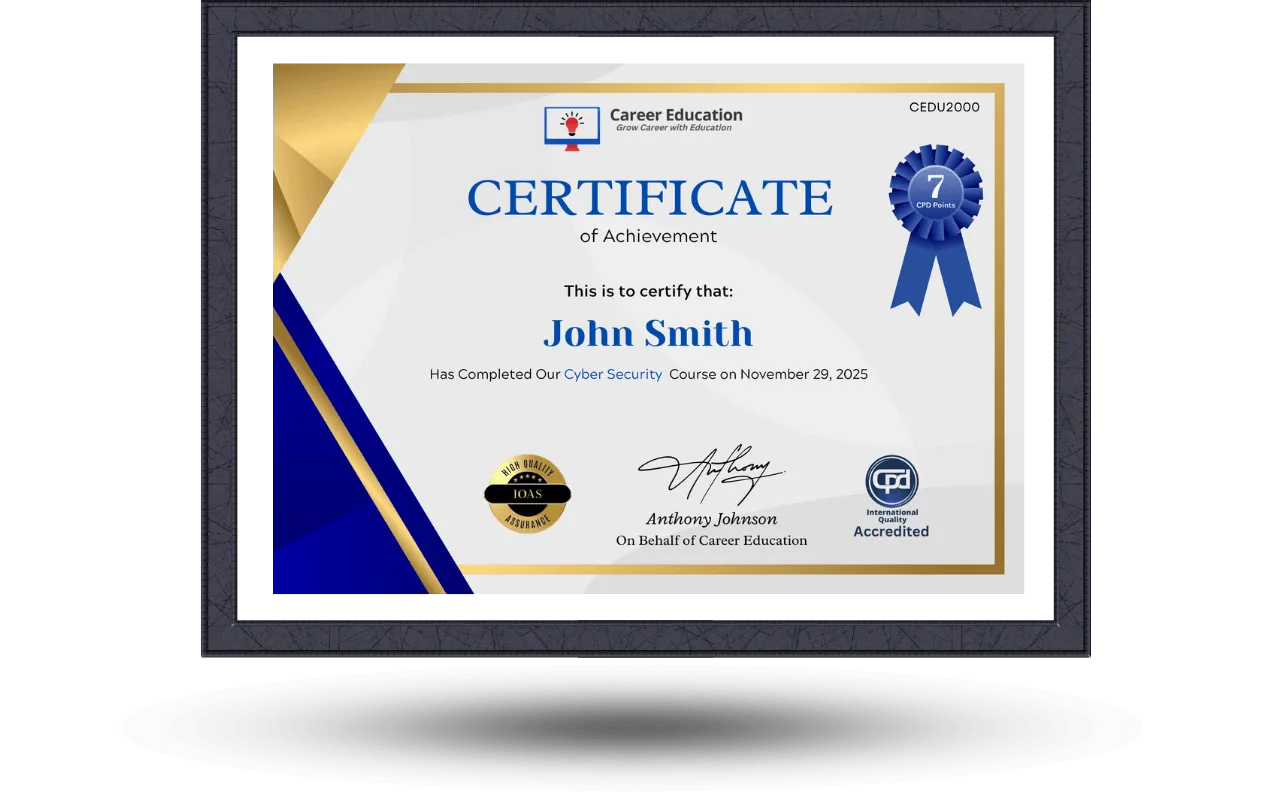
Upon completion of any course, all students are entitled to a CPD IQ Accredited e-certificate that will be issued by Career Education signifying the completion of your course.
After you complete the course and assignment, you will be eligible to order a free certificate accredited by CPD International Quality by completing the form below.
Hardcopy certificates and transcripts are also available for a small additional fee. More information is disclosed upon course completion.
Similar Courses




Frequently Asked Questions
The lifetime membership includes unlimited access to all courses, resources, and updates for a one-time fee.
You can purchase the membership directly from our website using a secure checkout process.
Yes, selected courses can be downloaded for offline access through our mobile app.
Yes, all future updates and new courses are included at no extra cost.
Yes, we offer a 30-day money-back guarantee if you are not satisfied with the membership.