
94%
OFF
OFF
Vehicle Mechanics Course: Automotive Repair, Servicing and Maintenance
- Lifetime Access
- All Levels
- PDF Certificate
£296
£19
14-Day Money-Back Guarantee
Learn With Confidence








The Automotive Repair and Vehicle Maintenance Training course introduces the mechanical systems, components and maintenance principles involved in keeping cars safe and operational. Modern vehicles contain interconnected mechanical, electrical and electronic systems. Understanding how these systems work can help you recognise maintenance requirements, understand common vehicle problems and prepare for further learning in automotive servicing and repair.
You will begin by exploring workshop safety, personal protective equipment and the tools used in vehicle maintenance. The course then introduces engine operation, oils and fluids, cooling systems, brakes, tyres, wheels and suspension. These subjects provide a foundation for understanding the components that influence vehicle performance, handling and safety.
You will also examine batteries, electrical systems and vehicle diagnostics, alongside the safety considerations associated with hybrid and electric vehicles. Further modules cover servicing and MOT awareness, transmission and drivetrain systems, steering, fuel and exhaust systems, heating and air conditioning, lighting, airbags and advanced driver assistance systems (ADAS).
By completing the course, you can develop a broader understanding of automotive systems and the principles behind routine maintenance. You will become more familiar with vehicle terminology, common components and the importance of systematic inspection. This knowledge can support further practical training and help you explore opportunities in the automotive industry.
What You Will Learn
You will develop an understanding of:
-
Automotive workshop safety and personal protective equipment.
-
Common hand tools and their applications.
-
Safe vehicle lifting principles.
-
Basic engine operation.
-
Engine oils, fluids and cooling systems.
-
Brake systems and their importance.
-
Tyres, wheels and suspension.
-
Vehicle batteries and electrical systems.
-
Basic diagnostic concepts.
-
Hybrid and electric vehicle safety awareness.
-
Routine servicing and MOT-related considerations.
-
Transmission and drivetrain systems.
-
Steering, fuel, air and exhaust systems.
-
Heating and air conditioning.
-
Vehicle lighting, airbags and ADAS.
Course Modules
Module 1: Workshop Safety and PPE
Explore the importance of safe working practices in an automotive workshop. Understand the purpose of personal protective equipment, hazard awareness, workspace organisation and following suitable procedures when working around vehicles and equipment.
Module 2: Hand Tools, Spanners and Sockets
Become familiar with common automotive hand tools, including spanners and socket sets. Understand their general applications and why selecting the correct tool helps reduce the risk of damaging components.
Module 3: Hand Tools, Drivers, Pliers and Torque
Explore additional tools used in vehicle maintenance, including screwdrivers, pliers and torque-related equipment. Understand why correct tool use and manufacturer specifications matter when components are removed, adjusted or refitted.
Module 4: Lifting a Car Safely
Develop an awareness of the principles involved in lifting and supporting a vehicle. Explore the importance of suitable lifting points, correctly rated equipment and approved support arrangements. Understand why a vehicle must never be worked under when it is supported only by an unsuitable lifting device.
Module 5: How an Engine Works
Learn about the basic operating principles of an internal combustion engine. Explore the purpose of major components and understand how fuel, air, ignition and mechanical movement contribute to engine operation.
Module 6: Oils and Fluids
Understand the purpose of common automotive fluids, including engine oil, coolant and other vehicle fluids. Explore why correct specifications, suitable levels and regular condition checks are important for vehicle reliability.
Module 7: The Cooling System
Explore how a vehicle cooling system helps manage engine temperature. Understand the general functions of radiators, coolant, pumps, hoses and related components, and recognise why overheating can indicate a maintenance problem.
Module 8: Brakes
Develop an introduction to vehicle braking systems and their role in controlling speed and stopping safely. Explore common components and understand why brake condition, warning signs and timely professional inspection matter.
Module 9: Tyres, Wheels and Suspension
Understand how tyres, wheels and suspension contribute to vehicle stability, comfort and handling. Explore tyre condition, pressure, tread awareness and the importance of inspecting suspension-related components.
Module 10: Battery and Electrics
Learn about vehicle batteries and the electrical systems that support starting, lighting and other functions. Explore common electrical components and understand why battery condition and electrical connections are important.
Module 11: Diagnostics
Explore the purpose of vehicle diagnostics and how fault information can support investigation. Understand why diagnostic results should be interpreted carefully and why accurate diagnosis may require further testing and technical expertise.
Module 12: Hybrid and Electric Vehicle Safety
Develop awareness of the differences between conventional, hybrid and electric vehicles. Explore the importance of recognising high-voltage hazards and why specialist training and safety procedures are essential before working on high-voltage systems.
Module 13: Servicing and the MOT
Understand the purpose of routine vehicle servicing and the general role of the UK MOT test. Explore the importance of maintenance schedules, vehicle condition and keeping appropriate records. Recognise that servicing and MOT testing are different activities with different purposes.
Module 14: Transmission and Drivetrain
Explore how the transmission and drivetrain transfer power from the engine or motor to the wheels. Understand the general purpose of key components and why their condition can affect vehicle operation.
Module 15: Steering Systems
Learn about the purpose of vehicle steering systems and how they help drivers control direction. Explore general system components and understand why steering condition is an important safety consideration.
Module 16: Fuel, Air and Exhaust
Understand how fuel and air systems contribute to engine operation. Explore the purpose of exhaust components and emissions-related systems, alongside the importance of maintaining them appropriately.
Module 17: Heating and Air Conditioning
Explore the general operation of vehicle heating and air conditioning systems. Understand their role in cabin comfort, ventilation and demisting, and recognise why some maintenance activities require specialist equipment or qualifications.
Module 18: Lighting, Airbags and ADAS
Develop awareness of vehicle lighting, passive safety systems and advanced driver assistance systems. Understand the purpose of airbags, warning indicators, sensors and driver assistance technologies, and why these systems must be maintained and repaired correctly.
Who Is This For?
This course is suitable for:
-
Beginners interested in automotive maintenance.
-
Individuals considering a career in vehicle mechanics.
-
Car owners who want to understand vehicle systems.
-
Learners exploring automotive and engineering subjects.
-
Workshop and vehicle maintenance assistants.
-
Automotive customer service and service reception staff.
-
Students preparing for practical vehicle maintenance training.
-
Anyone interested in how modern vehicles operate.
Requirements / Prerequisites
No formal automotive qualifications or previous mechanical experience are required. An interest in vehicles, mechanical systems and maintenance will be beneficial.
Basic numeracy and the ability to follow technical information can support your progress. You will need access to a suitable digital device and an internet connection for online learning.
This course provides theoretical knowledge and does not independently establish practical competence as a vehicle mechanic. Work involving brakes, steering, lifting equipment, airbags, fuel systems or high-voltage hybrid and electric vehicle components can be hazardous. Practical tasks should only be undertaken with suitable training, equipment and supervision.
Skills You Can Develop
You can develop an understanding of vehicle components, maintenance terminology and the purpose of major automotive systems. The course can help you recognise why regular inspections matter and how issues involving brakes, tyres, batteries, fluids and other components may affect vehicle safety and reliability.
You will also become more familiar with diagnostic concepts, servicing principles and the safety considerations associated with modern vehicles. These foundations can help you prepare for practical training and communicate more confidently about vehicle maintenance requirements.
Career Path
The knowledge gained may support further development towards roles such as:
-
Vehicle Mechanic Trainee
-
Automotive Maintenance Assistant
-
Garage Workshop Assistant
-
Vehicle Service Assistant
-
Automotive Parts Assistant
-
Vehicle Inspection Support Assistant
-
Service Reception Assistant
-
Automotive Customer Support Assistant
Professional mechanic roles generally require practical competence, relevant experience and potentially recognised vocational qualifications. This course does not itself qualify you as a professional mechanic or authorise specialist vehicle repairs.
Professional Development and Further Learning
You may wish to continue with practical automotive maintenance training, vehicle diagnostics, electrical systems, hybrid and electric vehicle technology or recognised automotive qualifications. Further learning in workshop operations, MOT preparation and vehicle inspection can also help broaden your knowledge.
Practical experience in an appropriately equipped environment is important for developing safe maintenance skills. Specialist work on airbags, high-voltage systems, brakes and other safety-critical components requires suitable competence and training.
Learning Outcomes
By the end of the course, you should be able to:
-
Explain the importance of automotive workshop safety.
-
Identify common vehicle maintenance tools.
-
Describe basic principles of safe vehicle lifting.
-
Explain the main functions of an engine.
-
Recognise the purpose of common automotive fluids.
-
Describe the roles of cooling and braking systems.
-
Explain why tyres, wheels and suspension need inspection.
-
Identify the general purpose of batteries and electrical systems.
-
Understand the role of vehicle diagnostics.
-
Recognise safety considerations for hybrid and electric vehicles.
-
Explain the difference between servicing and MOT testing.
-
Identify the functions of transmission, steering, fuel and exhaust systems.
-
Describe the purpose of heating, lighting, airbags and ADAS.
Take the Next Step
Develop a stronger understanding of modern vehicle systems and the maintenance principles that support safe and reliable motoring. Enrol in the Vehicle Mechanics course to build your automotive knowledge and prepare for further development in vehicle servicing and repair.
Course Modules
Course Content
Workshop Safety And Ppe
-
Workshop Safety And Ppe
Hand Tools Spanners And Sockets
Hand Tools Drivers Pliers And Torque
Lifting A Car Safely
How An Engine Works
Oils And Fluids
The Cooling System
Brakes
Tyres Wheels And Suspension
Battery And Electrics
Diagnostics
Hybrid And Electric Vehicle Safety
Servicing And The Mot
Transmission And Drivetrain
Steering Systems
Fuel Air And Exhaust
Heating And Air Conditioning
Lighting Airbags And Adas
What our students say
Excellent
4.9 average
168 Reviews

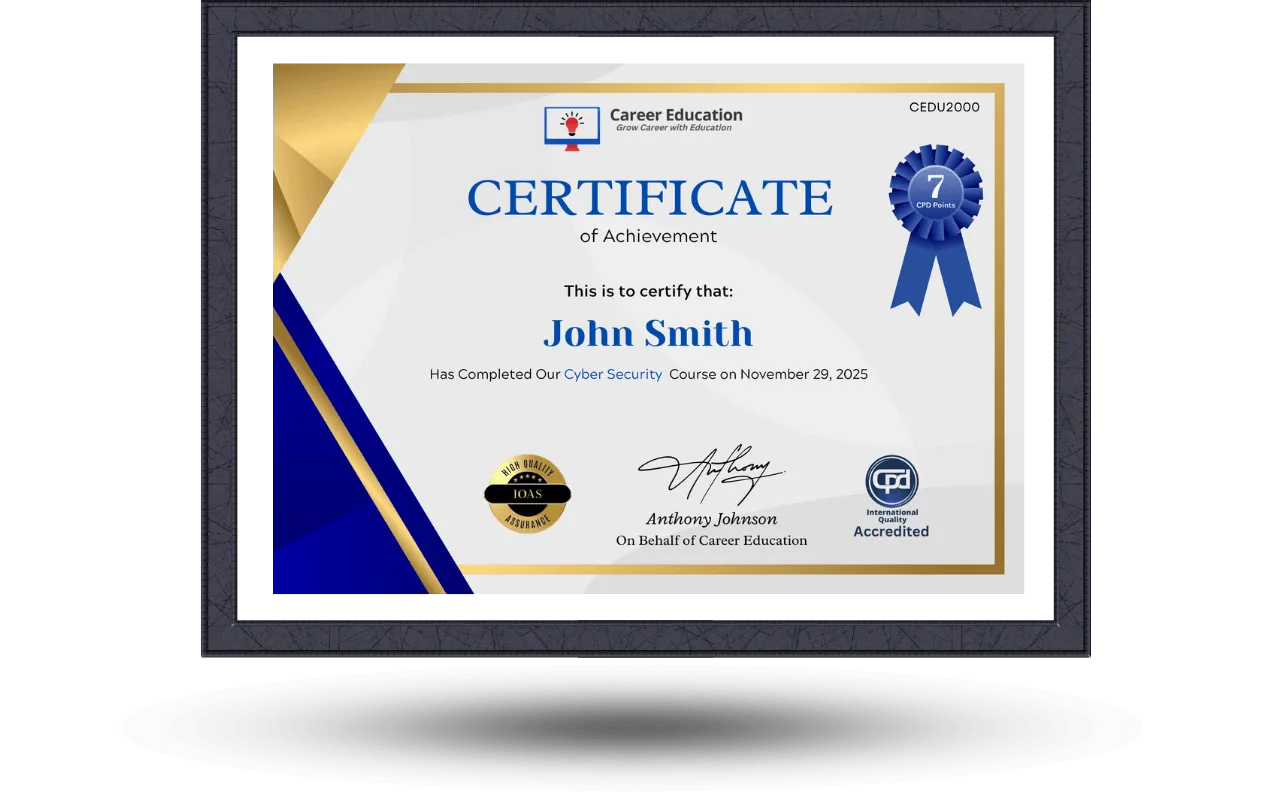
Earn an Accredited Certificate
Upon completion of any course, all students are entitled to a CPD IQ Accredited e-certificate that will be issued by Career Education signifying the completion of your course.
After you complete the course and assignment, you will be eligible to order a free certificate accredited by CPD International Quality by completing the form below.
Hardcopy certificates and transcripts are also available for a small additional fee. More information is disclosed upon course completion.
Similar Courses



Frequently Asked Questions
The lifetime membership includes unlimited access to all courses, resources, and updates for a one-time fee.
You can purchase the membership directly from our website using a secure checkout process.
Yes, selected courses can be downloaded for offline access through our mobile app.
Yes, all future updates and new courses are included at no extra cost.
Yes, we offer a 30-day money-back guarantee if you are not satisfied with the membership.