
OFF
Psychology of Effective Content Writing
- Lifetime Access
- All Levels
- PDF Certificate
Learn With Confidence









Overview
Psychology of Effective Content Writing
In a world filled with blogs, social media posts, emails, advertisements, landing pages, and digital content, simply knowing how to write is no longer enough. Effective content writing requires an understanding of how people think, feel, process information, and make decisions. The Psychology of Effective Content Writing course is designed to help learners understand the psychological principles behind compelling communication and apply them to create content that attracts attention, builds trust, encourages engagement, and inspires action.
This outcome-focused course explores the connection between psychology and writing, helping you move beyond simply producing words to creating content with a clear purpose and measurable impact. You will learn how language, structure, emotion, persuasion, and behavioural triggers can influence the way readers experience and respond to your content.
Whether you are creating website content, blog articles, marketing copy, social media posts, email campaigns, educational materials, or professional communications, understanding your audience’s mindset can help you communicate with greater clarity and effectiveness.
Why Study Psychology of Effective Content Writing?
Readers are constantly exposed to information. They decide within moments whether content deserves their attention, whether a message feels relevant, and whether they trust the person or organisation behind it.
The Psychology of Effective Content Writing course helps you understand what happens behind those decisions.
Instead of relying entirely on guesswork, you will explore psychological concepts that can help you make more intentional writing choices. You will learn how to consider your audience’s needs, expectations, emotions, motivations, and behaviours when developing content.
By understanding the psychology behind effective communication, you can create writing that is not only informative but also meaningful, engaging, persuasive, and memorable.
What You Will Learn
The course is structured into six comprehensive modules, taking you from the foundations of content psychology to emerging trends shaping the future of psychologically informed writing.
Module 1: Foundations of Content Psychology
The first module introduces the fundamental relationship between psychology and content creation. You will explore how readers perceive information and why certain types of content capture attention more effectively than others.
You will develop an understanding of audience psychology and learn to think about content from the reader’s perspective. Rather than asking only, “What do I want to say?”, you will begin considering questions such as, “What does my audience need to know?”, “What motivates them to continue reading?” and “What could influence their response?”
This foundation can help you:
-
Understand how audiences process written information
-
Recognise factors that influence attention and engagement
-
Consider reader needs when planning content
-
Develop a more audience-focused writing approach
-
Identify psychological principles that support effective communication
By the end of this module, you will have a stronger foundation for creating content based on how readers think and respond.
Module 2: Language, Tone, and Style
The words you choose can significantly affect how your message is perceived. The same idea can create very different reactions depending on language, tone, and presentation.
In this module, you will explore how language choices contribute to reader perception. You will examine the importance of tone and learn why effective writers adapt their communication style according to their audience, purpose, and context.
You will develop greater awareness of how writing can sound friendly, authoritative, professional, conversational, reassuring, informative, or persuasive.
The module will help you:
-
Choose language that aligns with your audience
-
Develop appropriate and consistent tone
-
Improve clarity and readability
-
Understand how word choice affects perception
-
Adapt writing styles for different communication goals
-
Create content that feels more natural and relevant to readers
The outcome is a more deliberate approach to communication, allowing you to select language based on the response you want your content to encourage.
Module 3: Structuring Content for the Mind
Great information can lose its impact when it is poorly organised. Readers need clear pathways through content so they can understand, process, and remember key ideas.
Module 3 explores how content structure can support the way people consume information. You will learn why headings, introductions, paragraphs, sequencing, transitions, summaries, and calls to action can all influence the reader’s experience.
You will learn to organise ideas in ways that make content easier to follow while maintaining interest throughout the reading experience.
This module can help you:
-
Create logical content structures
-
Organise complex ideas more effectively
-
Improve readability and information flow
-
Keep readers engaged throughout longer pieces
-
Make important points easier to identify
-
Guide readers naturally from one idea to the next
By applying these principles, you can transform unstructured information into content that feels clearer, more accessible, and easier to engage with.
Module 4: Persuasion and Influence in Writing
Persuasive writing is not simply about convincing someone to agree with you. Effective persuasion involves understanding what matters to your audience and communicating value in a credible and relevant way.
In this module, you will explore the psychological foundations of persuasion and influence in written communication. You will examine how credibility, relevance, reasoning, benefits, and audience needs can contribute to persuasive content.
You will learn how to communicate ideas more convincingly while maintaining an ethical and audience-focused approach.
You can develop skills to:
-
Strengthen persuasive messages
-
Communicate benefits more effectively
-
Build credibility through writing
-
Connect ideas with audience needs
-
Create stronger calls to action
-
Develop content designed to support informed decisions
These skills can be particularly valuable for marketing, business communication, copywriting, sales content, personal branding, and professional writing.
Module 5: Emotional and Behavioural Triggers
People do not interact with content based solely on facts and logic. Emotions, experiences, expectations, motivations, and perceived relevance can all influence how people respond to information.
Module 5 explores emotional and behavioural triggers in content writing. You will examine how emotional relevance can make messages more engaging and memorable and how psychological principles can be incorporated responsibly into content.
The goal is not to manipulate readers but to understand what makes communication meaningful and motivating.
You will learn how to:
-
Recognise emotional elements within content
-
Connect messages with audience motivations
-
Make content more relatable
-
Create stronger emotional relevance
-
Encourage appropriate reader engagement
-
Use behavioural principles responsibly in writing
This knowledge can help you create content that feels more human and connected to the experiences of your intended audience.
Module 6: Future Trends in Content Psychology
The digital content landscape continues to evolve. New technologies, artificial intelligence, changing consumer behaviours, personalised experiences, and emerging communication platforms are influencing how content is created and consumed.
The final module looks toward the future of content psychology and considers how writers can remain adaptable in a rapidly changing environment.
You will explore emerging trends and develop an awareness of how psychological insights may continue to shape content strategy and communication.
By completing this module, you can:
-
Understand emerging developments in content psychology
-
Consider how technology is changing content consumption
-
Adapt your writing approach to evolving audiences
-
Identify opportunities created by new digital trends
-
Develop a more future-focused content mindset
Who Can Benefit From This Course?
The Psychology of Effective Content Writing course can benefit anyone who wants to understand the psychological side of written communication.
It may be particularly useful for:
-
Aspiring content writers
-
Copywriters
-
Bloggers
-
Digital marketers
-
Social media professionals
-
Business owners
-
Entrepreneurs
-
Freelancers
-
Communications professionals
-
Content strategists
-
Website creators
-
Students interested in writing and marketing
-
Professionals who regularly create written communications
You do not need to be an experienced psychologist or professional writer to benefit from the course. The curriculum is designed to help learners develop practical awareness that can be applied across different types of content.
Practical Outcomes of the Course
The Psychology of Effective Content Writing course focuses on developing skills that can be applied to real-world communication.
After completing the course, you should have a stronger ability to:
Write with your audience in mind: Understand the importance of audience needs, expectations, motivations, and perspectives when developing content.
Create more engaging content: Apply psychological principles to capture attention and maintain reader interest.
Improve clarity: Structure and present information in ways that make it easier for readers to understand.
Use language intentionally: Make more informed decisions about wording, tone, style, and communication approach.
Strengthen persuasive writing: Develop messages that communicate value and connect more effectively with reader needs.
Use emotional relevance: Understand how emotions and motivations can influence engagement and response.
Structure content effectively: Organise information into logical, reader-friendly formats.
Adapt to changing trends: Develop awareness of emerging developments in content psychology and digital communication.
Build More Meaningful Content
Successful content is not simply measured by the number of words on a page. Its value comes from whether those words communicate effectively with the intended audience.
The Psychology of Effective Content Writing course gives you a framework for thinking more deeply about the relationship between writing and human behaviour. You will explore why audiences respond differently to different messages and how thoughtful content decisions can improve communication.
Instead of writing for the sake of filling a page, you can learn to create content with a clear purpose.
Instead of assuming what readers want, you can develop an audience-focused mindset.
Instead of treating language as a collection of words, you can understand how tone, structure, emotion, and presentation contribute to the overall reader experience.
Develop a Psychology-Informed Writing Approach
Content writing is becoming increasingly competitive. As more businesses, creators, organisations, and individuals publish content online, the ability to communicate meaningfully can become an important advantage.
The Psychology of Effective Content Writing course helps you develop a deeper perspective on content creation by combining writing principles with psychological awareness.
You will explore the foundations of content psychology, improve your understanding of language and tone, learn how to structure information for readers, examine persuasion and influence, investigate emotional and behavioural triggers, and consider the future direction of the field.
The result is a more thoughtful approach to writing—one that considers not only what you want to communicate but also how your audience may perceive, process, remember, and respond to your message.
If you want to move beyond basic writing techniques and develop content that is clearer, more engaging, persuasive, relevant, and audience-focused, the Psychology of Effective Content Writing course provides a valuable foundation for developing those skills.
Enrol today and begin developing a deeper understanding of the psychology behind effective written communication.
Course Modules
Course Content
Module 1_ Foundations of Content Psychology
-
Lesson 1_ Foundations of Content Psychology
Module 2_ Language, Tone, and Style
Module 3_ Structuring Content for the Mind
Module 4_ Persuasion and Influence in Writing
Module 5_ Emotional and Behavioural Triggers
Module 6_ Future Trends in Content Psychology
What our students say

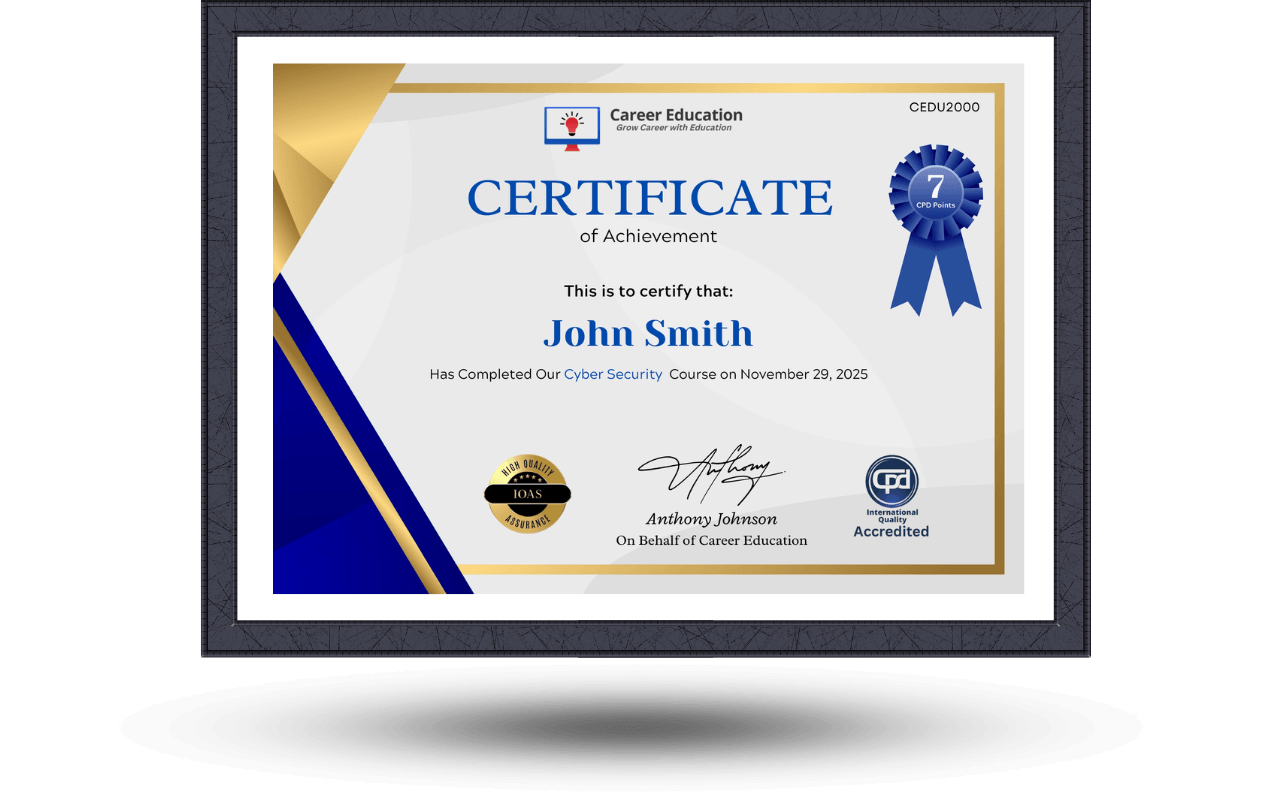
Earn an Accredited Certificate
Upon completion of the course, an e-certificate will be downloadable from Khan Education signifying the completion of your course. But, the course is CPD Accredited and after you complete the assignment, you will be eligible to order a certificate accredited by CPD International Quality for £5.99 only. If you want a hardcopy certificate accredited by CPD IQ, you can get it for only £15.99.
Get your CertificateSimilar Courses