
OFF
Professional Payroll Management and Administration
- Lifetime Access
- All Levels
- PDF Certificate
Learn With Confidence








Overview
Professional Payroll Management and Administration
Managing payroll accurately is one of the most important responsibilities within any organisation. Employees expect to be paid correctly and on time, while businesses need to maintain accurate records, meet tax obligations, protect sensitive information, and comply with relevant payroll requirements. The Professional Payroll Management and Administration course is designed to help learners develop the practical knowledge and professional skills needed to understand and manage payroll processes effectively.
Whether you are looking to begin a career in payroll, strengthen your existing administrative skills, support HR and finance teams, or improve your understanding of payroll operations, this course provides a structured introduction to the key areas of professional payroll management.
Why Learn Professional Payroll Management and Administration?
Payroll is much more than simply calculating employee salaries. A well-managed payroll function brings together employee compensation, benefits, deductions, taxes, contributions, documentation, compliance, auditing, technology, and reporting.
Mistakes in payroll can affect employees, business finances, regulatory compliance, and organisational trust. Developing a strong understanding of payroll administration can therefore help you contribute to more accurate, organised, and efficient payroll operations.
The Professional Payroll Management and Administration course focuses on outcomes that can be applied across a range of workplace environments. By progressing through the modules, you can build a clearer understanding of how payroll works from initial employee information and compensation through to processing, auditing, special cases, and emerging technology.
What Will You Learn?
The course covers eight key areas of payroll management and administration:
-
Introduction to Payroll
-
Employee Compensation and Benefits
-
Payroll Taxes and Contributions
-
Payroll Processing and Documentation
-
Global Payroll Management
-
Payroll Audits and Controls
-
Payroll in Special Cases
-
Payroll Trends and Technology
This broad curriculum gives learners an opportunity to develop knowledge across the payroll lifecycle rather than focusing on one isolated aspect of payroll.
Module 1: Introduction to Payroll
The first module introduces the fundamental principles of payroll and provides the foundation for the rest of the course.
You will explore what payroll involves, why effective payroll administration matters, and how payroll functions within an organisation. Understanding the basic terminology, processes, responsibilities, and objectives associated with payroll can make it easier to approach more advanced topics with confidence.
A strong foundation can help you understand the relationship between payroll, employees, HR, finance, and organisational administration.
Outcome: Build a solid understanding of payroll fundamentals and develop the knowledge needed to progress through more detailed payroll topics.
Module 2: Employee Compensation and Benefits
Employee compensation is at the heart of payroll administration. However, employee pay can involve much more than a basic salary.
This module explores the principles surrounding employee compensation and benefits, helping learners understand the different components that can influence an employee’s overall remuneration.
You will develop an awareness of how compensation and benefits fit into payroll processes and why accurate employee information is essential when calculating and administering pay.
Understanding these areas can help you communicate more effectively with HR and finance teams and recognise the information that payroll administrators may need when processing employee payments.
Outcome: Develop a clearer understanding of employee compensation and benefits and how they affect payroll administration.
Module 3: Payroll Taxes and Contributions
Taxes and contributions are important components of payroll, and payroll professionals need to understand how deductions and employer or employee contributions can affect payroll calculations.
This module introduces the role of payroll taxes and contributions within the payroll process. You will explore why accurate calculations and appropriate record keeping are important and how payroll teams need to account for relevant deductions and obligations.
The knowledge gained in this module can help you better understand the financial and administrative responsibilities associated with payroll.
Outcome: Understand the role of payroll taxes and contributions and recognise their importance within accurate payroll administration.
Module 4: Payroll Processing and Documentation
Effective payroll requires organised processes and reliable documentation. From gathering employee information to processing payments and maintaining records, each stage needs to be handled carefully.
This module focuses on payroll processing and documentation, helping learners understand how payroll information moves through the payroll cycle.
You will develop knowledge of the importance of accurate records, consistent procedures, documentation, and organised payroll administration. You will also gain a better understanding of why payroll documentation can be important for reporting, auditing, compliance, and resolving employee queries.
Outcome: Develop a structured understanding of payroll processing and learn why accurate documentation and record keeping are essential.
Module 5: Global Payroll Management
Organisations operating across multiple countries can face additional payroll complexities. Different locations may have different requirements relating to employee compensation, taxation, contributions, regulations, currencies, and payroll processes.
The Global Payroll Management module introduces learners to the broader considerations involved in managing payroll across international environments.
This topic can be particularly valuable for learners interested in working with organisations that employ people in different countries or operate across international markets.
You will develop an awareness of the challenges associated with global payroll and the importance of adapting payroll processes to different operating environments.
Outcome: Gain a broader perspective on international payroll and understand some of the key considerations involved in global payroll administration.
Module 6: Payroll Audits and Controls
Accuracy and accountability are essential in payroll. Payroll audits and internal controls can help organisations identify errors, strengthen processes, and reduce the risk of problems.
This module introduces the principles of payroll audits and controls. You will explore why organisations need appropriate checks and procedures and how controls can contribute to reliable payroll operations.
Understanding payroll controls can also help you recognise the importance of reviewing payroll information rather than assuming that every processed payment is automatically correct.
Outcome: Understand the purpose of payroll audits and controls and develop greater awareness of how organisations can support accurate payroll operations.
Module 7: Payroll in Special Cases
Not every employee follows exactly the same payroll pattern. Organisations may need to manage different circumstances that require additional consideration during payroll administration.
This module explores payroll in special cases, helping learners recognise situations where standard payroll processes may need to be reviewed or adapted.
Developing this awareness can help you approach unusual payroll circumstances more systematically and understand why accurate employee information and appropriate procedures are important.
Outcome: Improve your ability to recognise and understand payroll considerations associated with special or non-standard circumstances.
Module 8: Payroll Trends and Technology
Technology continues to transform how organisations manage payroll. Payroll software, automation, digital records, data management, and other technological developments are changing the way payroll teams operate.
The final module explores payroll trends and technology, giving learners an opportunity to consider how modern tools and changing practices are influencing payroll administration.
Understanding these developments can help you remain aware of the direction in which payroll functions are moving and appreciate the importance of digital skills in modern payroll environments.
Outcome: Develop an awareness of current payroll trends and understand how technology can influence modern payroll management and administration.
Develop Practical Payroll Knowledge
One of the key benefits of the Professional Payroll Management and Administration course is its broad coverage of the payroll function.
Instead of viewing payroll simply as a salary calculation process, you will explore the wider responsibilities involved in professional payroll administration. This includes compensation, benefits, taxes, contributions, documentation, global payroll, auditing, special cases, and technology.
This broader perspective can help you understand how individual payroll activities connect with one another and contribute to the overall payroll function.
Improve Your Professional Confidence
Payroll professionals often work with sensitive employee and financial information. Accuracy, organisation, attention to detail, and professionalism are therefore highly important.
By studying the Professional Payroll Management and Administration course, you can strengthen your understanding of payroll terminology, processes, and responsibilities. This knowledge can help you feel more prepared when discussing payroll-related matters or supporting payroll, HR, finance, and administrative activities.
The course can also provide useful knowledge for learners who are considering further development in payroll or related business functions.
Who Is This Course For?
The Professional Payroll Management and Administration course can be suitable for a variety of learners, including:
-
Individuals interested in starting a career in payroll
-
Payroll and HR assistants looking to expand their knowledge
-
Administrative professionals who support payroll activities
-
Finance professionals seeking broader payroll knowledge
-
Business owners and managers who want to understand payroll administration
-
HR professionals who work alongside payroll teams
-
Professionals looking to strengthen their business administration skills
-
Learners interested in developing knowledge of modern payroll technology
-
Anyone seeking structured learning in professional payroll management
No matter your starting point, the course offers a structured way to explore the major components of payroll administration.
Strengthen Your Career Development
Payroll knowledge can complement skills in several related areas, including human resources, finance, accounting, business administration, and office management.
Understanding how employee compensation, deductions, taxes, documentation, controls, and payroll technology work together can broaden your professional knowledge and help you identify potential areas for further career development.
For those already working in an administrative or business environment, payroll knowledge can also provide a useful additional skill set. It can help you better understand conversations between HR, finance, management, and employees when payroll-related issues arise.
Build a Stronger Understanding of Payroll Accuracy
Accuracy is one of the most important principles in payroll administration. A small error can have consequences for an employee’s pay, organisational records, reporting, or compliance responsibilities.
The course therefore places payroll processes, documentation, taxes, controls, and audits within a wider framework of effective administration.
By developing your knowledge of these areas, you can better appreciate the importance of checking information, following established procedures, maintaining appropriate records, and supporting reliable payroll processes.
Understand Modern Payroll Technology
Payroll is increasingly connected with digital systems and technology. Organisations are adopting tools that can streamline processes, improve record keeping, support reporting, and reduce repetitive administrative work.
The final module of the Professional Payroll Management and Administration course ensures that learners also consider the technological side of modern payroll.
This can help you understand why payroll professionals increasingly need to combine traditional administrative knowledge with digital awareness.
Take the Next Step in Your Payroll Knowledge
Professional payroll administration requires more than knowing how employees are paid. It involves understanding compensation, benefits, taxes, contributions, documentation, controls, international considerations, special circumstances, and technological developments.
The Professional Payroll Management and Administration course brings these areas together into one structured learning experience.
By completing the course, you can develop a broader understanding of payroll operations, improve your professional knowledge, and build a stronger foundation for applying payroll concepts in workplace environments.
If you want to understand how professional payroll functions operate and develop knowledge that can support your career in payroll, HR, finance, or business administration, the Professional Payroll Management and Administration course can be a valuable addition to your professional development.
Start learning today and build your knowledge of professional payroll management and administration.
Course Modules
Course Content
Module 1_ Introduction to Payroll
-
Lesson 1_ Introduction to Payroll
Module 2_ Employee Compensation and Benefits
Module 3_ Payroll Taxes and Contributions
Module 4_ Payroll Processing and Documentation
Module 5_ Global Payroll Management
Module 6_ Payroll Audits and Controls
Module 7_ Payroll in Special Cases
Module 8_ Payroll Trends and Technology
What our students say

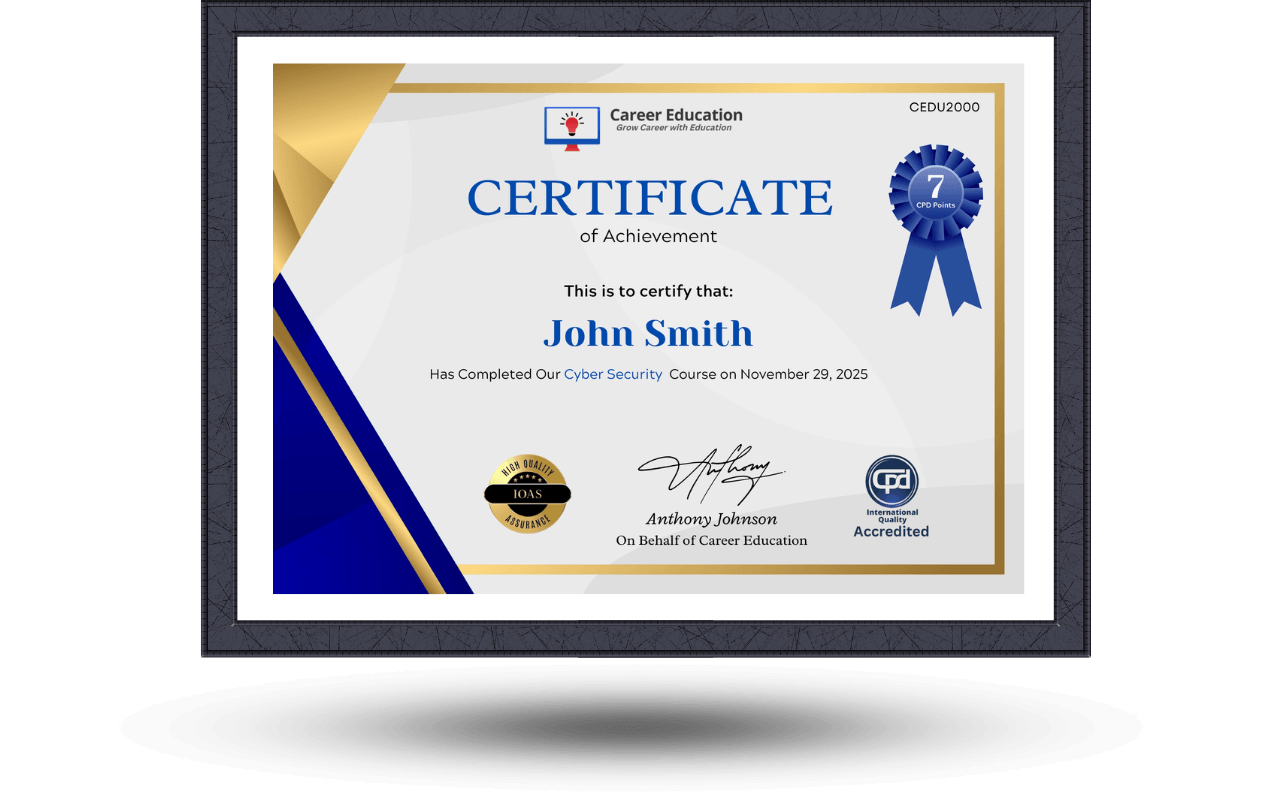
Earn an Accredited Certificate
Upon completion of the course, an e-certificate will be downloadable from Khan Education signifying the completion of your course. But, the course is CPD Accredited and after you complete the assignment, you will be eligible to order a certificate accredited by CPD International Quality for £5.99 only. If you want a hardcopy certificate accredited by CPD IQ, you can get it for only £15.99.
Get your CertificateSimilar Courses


