
94%
OFF
OFF
Problem-Solving Skills and Techniques
- Lifetime Access
- All Levels
- PDF Certificate
£296
£19
14-Day Money-Back Guarantee
Learn With Confidence







Problem-Solving Skills and Techniques
In today’s fast-changing workplace, challenges can arise at any time. From handling unexpected operational issues to making important business decisions, the ability to analyse situations, identify effective solutions, and make sound judgements is valuable across almost every profession. The Problem-Solving Skills and Techniques course is designed to help learners develop practical skills for approaching challenges logically, thinking critically, generating creative ideas, and making better decisions.
Rather than simply reacting to problems, effective problem-solving involves understanding the causes of an issue, considering different options, evaluating potential outcomes, and selecting an appropriate course of action. This course introduces a structured approach to problem-solving while also exploring creativity, innovation, critical thinking, and individual and group techniques.
Why Develop Problem-Solving Skills?
Problems are a normal part of professional and everyday life. A workplace may face a process that is not working efficiently, a team may struggle to meet a deadline, or a manager may need to choose between several possible solutions. In each situation, the quality of the outcome can depend on how effectively the problem is approached.
Strong problem-solving skills can help you:
-
Understand problems more clearly before taking action
-
Identify potential causes rather than focusing only on symptoms
-
Generate practical and creative solutions
-
Compare different options objectively
-
Make informed and confident decisions
-
Strengthen critical thinking abilities
-
Approach unfamiliar challenges with greater structure
-
Contribute more effectively to team discussions
-
Encourage creativity and innovation in the workplace
-
Improve your ability to respond constructively to change
The Problem-Solving Skills and Techniques course focuses on developing these capabilities through a combination of structured models, practical techniques, creative thinking approaches, and decision-making principles.
What Will You Learn?
This course covers eight modules that progressively develop your understanding of problem-solving, decision-making, critical thinking, creativity, and innovation.
Module 1 – The Creative Problem Solving & Decision Making
The course begins by exploring the relationship between creative problem-solving and decision-making. Not every problem has an obvious answer, and conventional approaches may not always produce the best results.
You will learn how creative thinking can help you look at challenges from different perspectives and develop alternative possibilities. You will also explore how decision-making fits into the problem-solving process and why it is important to consider available information, potential consequences, and possible alternatives.
By developing these skills, you can become more comfortable approaching complex situations and considering solutions beyond the most obvious option.
Module 2 – The Problem Solving Model
A structured approach can make problem-solving more manageable. This module introduces the problem-solving model and explains how a systematic process can help you move from identifying an issue to implementing an appropriate solution.
You will develop an understanding of how to break down problems into manageable stages. This can help you avoid rushed conclusions and encourage a more considered approach.
The knowledge gained from this module can support your ability to:
-
Define problems clearly
-
Examine relevant information
-
Identify possible causes
-
Explore potential solutions
-
Evaluate available options
-
Select an appropriate solution
-
Consider implementation and outcomes
A structured model can be particularly useful when dealing with complicated workplace challenges where multiple factors need to be considered.
Module 3 – Problem Solving Tools & Techniques
Having a structured process is useful, but knowing which tools and techniques to apply can make problem-solving even more effective. This module introduces practical approaches that can help you investigate problems, organise information, generate ideas, and evaluate solutions.
You will explore how different problem-solving techniques can be applied depending on the type of challenge you are facing. Understanding a range of techniques allows you to avoid relying on a single approach for every situation.
The outcome is a more flexible problem-solving mindset, enabling you to select suitable methods according to the circumstances.
Module 4 – Making Good Decisions
Problem-solving and decision-making are closely connected. Once potential solutions have been identified, you need to determine which option is most appropriate.
This module focuses on developing better decision-making skills. You will consider the importance of evaluating choices carefully, recognising relevant information, and thinking about the potential consequences of different decisions.
The module can help you become more deliberate in your decision-making rather than relying solely on assumptions or immediate reactions.
You will gain knowledge that can support you in assessing alternatives, weighing potential outcomes, and making decisions with greater confidence.
Module 5 – Developing Critical Thinking Skills
Critical thinking is an important component of effective problem-solving. It involves examining information carefully, questioning assumptions, considering evidence, and reaching conclusions through logical evaluation.
This module focuses on developing your critical thinking abilities so you can assess situations more objectively. You will learn why it is important to avoid accepting information automatically and instead consider whether conclusions are supported by appropriate reasoning.
Stronger critical thinking can help you:
-
Analyse information more effectively
-
Recognise assumptions
-
Ask more useful questions
-
Consider alternative viewpoints
-
Evaluate arguments and evidence
-
Identify potential weaknesses in reasoning
-
Reach more considered conclusions
These skills can be useful in professional decision-making, teamwork, planning, and everyday problem-solving.
Module 6 – Understanding Creativity & Innovation
Creativity and innovation can play an important role in finding new ways to address challenges. This module explores the meaning of creativity and innovation and considers how they can contribute to effective problem-solving.
You will develop an understanding of how creative thinking can generate new possibilities and how innovative approaches can help organisations respond to changing needs.
The module encourages you to look beyond established methods and consider how new ideas might improve processes, solve problems, or create opportunities.
Developing your understanding of creativity can also help you become more open to experimentation, alternative perspectives, and new approaches to challenges.
Module 7 – Creativity & Innovation in Business
Creativity and innovation are particularly important in modern business environments. Organisations often need to adapt to changing customer expectations, new technologies, competitive pressures, and evolving markets.
This module examines how creativity and innovation can be applied within a business context. You will explore how innovative thinking can contribute to improvements and help organisations respond to challenges more effectively.
Understanding creativity in business can help you recognise opportunities to question existing processes, develop new ideas, and contribute to positive change.
Whether you are working as part of a team, managing projects, supporting customers, or making operational decisions, the ability to think creatively can add value to your role.
Module 8 – Individual & Group Techniques for Creativity
Problem-solving does not always happen individually. Many workplace challenges require people to collaborate, share perspectives, and develop solutions together.
The final module explores techniques that can support creativity at both individual and group levels. You will consider how different approaches can encourage idea generation and help people contribute constructively to the creative process.
Learning how to participate effectively in creative discussions can strengthen collaboration and help teams explore a wider range of possible solutions.
This module brings together many of the concepts covered throughout the course, giving you a broader understanding of how creative and analytical approaches can work together.
Who Can Benefit From This Course?
The Problem-Solving Skills and Techniques course can be useful for anyone who wants to improve their ability to analyse challenges, think critically, generate ideas, and make decisions.
It may be particularly beneficial for:
-
Employees looking to strengthen their workplace skills
-
Team members who regularly deal with operational challenges
-
Supervisors and aspiring managers
-
Business professionals
-
Entrepreneurs and business owners
-
Project team members
-
Professionals involved in planning and decision-making
-
Individuals seeking personal and professional development
-
Learners interested in creativity and innovation
-
Anyone who wants a more structured approach to solving problems
Because problem-solving is relevant across industries, the knowledge gained can be applied in a wide range of professional environments.
Build Practical, Transferable Skills
One of the key benefits of studying Problem-Solving Skills and Techniques is that the knowledge can be transferred between different roles and situations.
You may use problem-solving skills when dealing with a workplace process that needs improvement, deciding how to respond to an unexpected issue, evaluating different approaches to a project, or contributing ideas during a team meeting.
Critical thinking can help you assess information. Creativity can help you generate possibilities. Problem-solving techniques can provide structure. Decision-making skills can help you choose an appropriate option.
Together, these capabilities can form a valuable professional skill set.
Improve Your Approach to Workplace Challenges
Effective professionals are often required to do more than complete routine tasks. They may need to respond to unexpected situations, identify opportunities for improvement, communicate ideas, and contribute to decisions.
The Problem-Solving Skills and Techniques course can help you develop a more organised and analytical approach to these situations.
Instead of immediately reacting to a problem, you can learn to pause, understand the issue, consider relevant information, explore possible solutions, and evaluate the available options. This structured mindset can support better outcomes and more thoughtful decisions.
Support Creativity and Innovation
Innovation often starts with the ability to recognise that there may be another way of doing something. Developing creative thinking can help you challenge assumptions, consider alternative perspectives, and generate new possibilities.
Through the course’s focus on creativity and innovation, you can gain a stronger understanding of how creative approaches can contribute to problem-solving in both individual and business contexts.
These skills can help you become a more active contributor when organisations are looking for ways to improve processes, overcome challenges, or respond to change.
Develop Confidence in Decision-Making
Making decisions can be challenging when there are several possible choices or when the available information is incomplete. A stronger understanding of decision-making principles can help you approach these situations with greater structure.
The course encourages learners to evaluate alternatives rather than simply choosing the first solution that comes to mind. By understanding how problem-solving, critical thinking, creativity, and decision-making connect, you can develop a more balanced approach to challenging situations.
Enhance Your Professional Development
Problem-solving, critical thinking, creativity, and decision-making are broadly applicable skills. They can complement technical knowledge and support your development in a wide range of careers.
Adding these capabilities to your existing skill set can help you contribute more effectively to discussions, projects, workplace improvements, and organisational challenges.
Whether you are developing your current career, preparing for additional responsibilities, or simply looking to strengthen your professional capabilities, the Problem-Solving Skills and Techniques course provides a focused opportunity to build valuable transferable knowledge.
Start Developing Better Problem-Solving Skills
Every workplace encounters challenges, but effective problem-solving can turn challenges into opportunities for improvement. Developing the ability to analyse issues, think critically, generate creative solutions, and make informed decisions can help you approach professional situations with greater confidence and structure.
The Problem-Solving Skills and Techniques course takes you through creative problem-solving, structured problem-solving models, practical tools and techniques, decision-making, critical thinking, creativity, innovation, and individual and group creative techniques.
By completing the course, you can develop a broader toolkit for approaching problems and making decisions across different situations.
Enrol in the Problem-Solving Skills and Techniques course today and start building practical, transferable skills that can support stronger thinking, better decisions, creative solutions, and continued professional development.
Course Modules
Course Content
Module 1 – The Creative Problem Solving & Decision Making
-
Lesson 1 – The Creative Problem Solving & Decision Making
Module 2 – The Problem Solving Model
Module 3 – Problem Solving Tools & Techniques
Module 4 – Making Good Decisions
Module 5 – Developing Critical Thinking Skills
Module 6 – Understanding Creativity & Innovation
Module 7 – Creativity & Innovation in Business
Module 8 – Individual & Group Techniques for Creativity
What our students say
Excellent
4.9 average
158 Reviews

Earn an Accredited Certificate
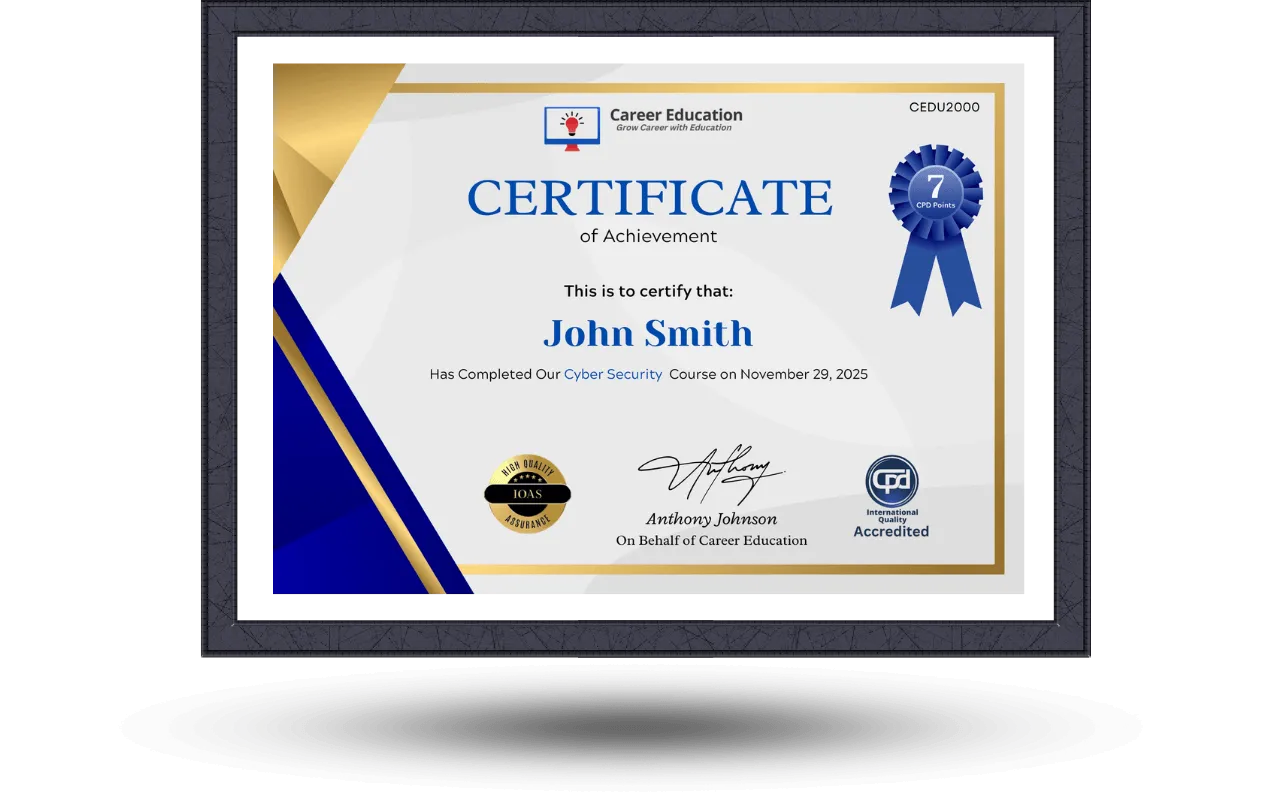
Upon completion of any course, all students are entitled to a CPD IQ Accredited e-certificate that will be issued by Career Education signifying the completion of your course.
After you complete the course and assignment, you will be eligible to order a free certificate accredited by CPD International Quality by completing the form below.
Hardcopy certificates and transcripts are also available for a small additional fee. More information is disclosed upon course completion.
Similar Courses




Frequently Asked Questions
The lifetime membership includes unlimited access to all courses, resources, and updates for a one-time fee.
You can purchase the membership directly from our website using a secure checkout process.
Yes, selected courses can be downloaded for offline access through our mobile app.
Yes, all future updates and new courses are included at no extra cost.
Yes, we offer a 30-day money-back guarantee if you are not satisfied with the membership.