94%
OFF
OFF
Preventing Rear-End Collisions in Light Vehicles
- Lifetime Access
- All Levels
- PDF Certificate
£296
£19
14-Day Money-Back Guarantee
Learn With Confidence









# Preventing Rear-End Collisions in Light Vehicles
## Develop Safer Driving Habits, Improve Hazard Awareness, and Reduce Rear-End Collision Risks
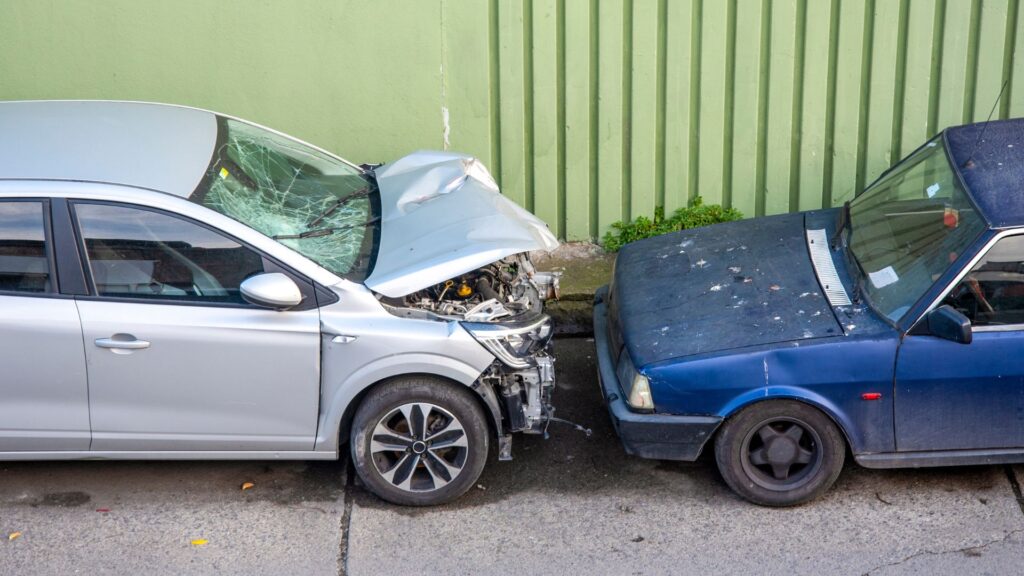
Rear-end collisions are among the most common types of road traffic incidents. They can happen in a matter of seconds when a driver follows too closely, becomes distracted, misjudges traffic conditions, or fails to react quickly enough when the vehicle ahead slows or stops. Even at relatively low speeds, a rear-end collision can cause vehicle damage, injuries, financial costs, traffic disruption, and long-term consequences for everyone involved.
The **Preventing Rear-End Collisions in Light Vehicles** course is designed to help drivers develop the knowledge, awareness, and practical habits needed to reduce the risk of rear-end crashes. Rather than focusing only on what to do after an incident, this course takes a prevention-first approach. It explores vehicle control, driver behaviour, traffic awareness, road conditions, collision-avoidance technology, emergency techniques, and relevant legal and regulatory considerations.
Whether you drive for work, commute regularly, operate a company vehicle, or simply want to become a more safety-conscious driver, this course provides valuable knowledge that can be applied to everyday driving situations.
## Why Learn Preventing Rear-End Collisions in Light Vehicles?
Rear-end collisions often result from a combination of factors rather than a single mistake. A driver may be distracted while approaching slow-moving traffic, follow another vehicle too closely, underestimate stopping distance, or fail to recognise that road conditions have reduced available traction.
Understanding these risks can help drivers make safer decisions before a dangerous situation develops.
**Preventing Rear-End Collisions in Light Vehicles** focuses on practical risk reduction. You will learn how vehicle dynamics, speed, following distance, driver attention, road conditions, technology, and emergency response can influence collision risk.
By completing the course, you can develop stronger hazard perception and a more deliberate approach to maintaining safe space around your vehicle.
## What You Will Learn
### Module 1 – Introduction to Rear-End Collisions
The course begins by introducing rear-end collisions and explaining why they occur. You will explore common situations in which rear-end crashes happen, including sudden traffic slowdowns, queues, intersections, stop-and-go traffic, and unexpected braking.
You will learn why maintaining an appropriate following distance is essential and how speed and reaction time influence your ability to respond to changing traffic conditions.
This module also introduces the importance of defensive driving and proactive hazard recognition. Instead of simply reacting to the vehicle immediately ahead, you will learn why effective drivers continually assess what is happening further along the road.
The goal is to build a strong foundation for understanding rear-end collision risks and developing safer driving habits.
### Module 2 – Vehicle Dynamics and Control
Understanding how a vehicle responds to speed, braking, steering, and road conditions can help drivers make better decisions.
This module explores key aspects of vehicle dynamics and control that influence collision avoidance. You will develop an understanding of stopping distances, braking response, traction, vehicle stability, and the effects of different road surfaces.
You will also learn why increasing speed can significantly reduce the time available to respond to a hazard and increase the distance required to bring a vehicle to a stop.
The module helps you understand the relationship between driver input and vehicle response, allowing you to approach braking and vehicle control with greater awareness.
You will also explore how factors such as vehicle load, tyre condition, weather, and road surface can affect handling and braking performance.
### Module 3 – Driver Awareness and Behaviour
Driver behaviour plays a critical role in preventing rear-end collisions. Even a well-maintained vehicle with modern safety technology cannot eliminate the risks associated with poor attention or unsafe driving decisions.
This module examines the human factors that can contribute to rear-end crashes. You will explore distraction, fatigue, impatience, aggressive driving, excessive speed, poor concentration, and inadequate following distances.
You will learn how maintaining active attention can improve your ability to identify developing hazards. The course encourages drivers to look beyond the immediate vehicle ahead and anticipate potential changes in traffic flow.
You will also develop greater awareness of how personal driving habits can influence safety. By identifying risky behaviours and replacing them with more defensive practices, you can reduce avoidable collision risks.
### Module 4 – Road and Traffic Conditions
Road conditions can change quickly. Congestion, poor weather, roadworks, reduced visibility, slippery surfaces, and unexpected traffic movements can all affect how much time and space a driver has to respond.
This module focuses on recognising and adapting to different road and traffic conditions.
You will learn how to adjust your driving approach when visibility is reduced, roads are wet or slippery, traffic becomes congested, or vehicles ahead are behaving unpredictably.
The module also highlights the importance of anticipating traffic patterns. For example, a driver who notices brake lights several vehicles ahead may have more time to respond than someone who focuses only on the vehicle immediately in front.
You will develop a more proactive approach to traffic observation and learn why adapting speed and following distance to conditions is an important part of defensive driving.
### Module 5 – Use of Technology in Collision Avoidance
Modern light vehicles can include a range of technologies designed to assist drivers and reduce collision risks. These may include forward collision warning systems, automatic emergency braking, adaptive cruise control, parking sensors, cameras, and other driver-assistance features.
This module introduces the role of technology in collision avoidance and explains how driver-assistance systems can support safer driving.
You will learn the importance of understanding how safety features operate, their potential limitations, and why drivers should not rely entirely on technology.
Technology should support attentive driving rather than replace it. Drivers still need to monitor traffic, maintain appropriate following distances, observe road conditions, and remain prepared to respond when circumstances change.
By understanding the appropriate role of driver-assistance technology, you can use available safety features more effectively while maintaining responsibility for safe vehicle operation.
### Module 6 – Emergency Maneuvers and Techniques
Even careful drivers may occasionally encounter unexpected situations. A vehicle ahead may brake suddenly, traffic may stop unexpectedly, or an obstacle may appear in the roadway.
This module introduces principles for responding to emergency situations while maintaining vehicle control.
You will learn about appropriate emergency responses, controlled braking, hazard recognition, and the importance of remaining calm when faced with an unexpected traffic event.
The module also reinforces the importance of maintaining sufficient space around your vehicle. Creating a safety margin can provide additional time to respond and may reduce the need for abrupt manoeuvres.
You will develop greater awareness of how preparation, observation, and controlled vehicle inputs can contribute to safer responses during emergency situations.
### Module 7 – Legal and Regulatory Aspects
Safe driving also involves understanding the rules and responsibilities that apply to road users.
This module introduces legal and regulatory considerations relevant to safe vehicle operation and collision prevention. You will explore the importance of complying with applicable traffic laws, maintaining responsible driving practices, and understanding driver responsibilities.
The course encourages learners to recognise that road safety is not simply about avoiding fines or penalties. Legal requirements provide important standards designed to support safer interaction between road users.
You will gain greater awareness of the relationship between responsible driving behaviour, road safety obligations, and legal compliance.
## Practical Outcomes of the Course
The **Preventing Rear-End Collisions in Light Vehicles** course is designed around practical outcomes. By completing the course, you should be better prepared to:
* Recognise common causes of rear-end collisions.
* Understand how speed affects stopping distance and reaction time.
* Maintain safer following distances.
* Improve awareness of developing traffic hazards.
* Identify distractions and behaviours that increase collision risk.
* Adapt driving behaviour to changing road and traffic conditions.
* Understand how vehicle dynamics influence braking and control.
* Recognise the effects of weather and road surfaces on vehicle handling.
* Use vehicle safety and driver-assistance technologies appropriately.
* Understand the limitations of collision-avoidance technology.
* Respond more appropriately to sudden traffic changes.
* Apply safer braking and emergency-response principles.
* Develop stronger defensive driving habits.
* Understand the importance of applicable traffic laws and regulations.
* Take a more proactive approach to preventing avoidable collisions.
## Who Is This Course For?
**Preventing Rear-End Collisions in Light Vehicles** is suitable for a wide range of drivers and organisations seeking to promote safer road behaviour.
The course can benefit:
* Light vehicle drivers
* Company vehicle drivers
* Fleet drivers
* Delivery drivers
* Commuters
* New or developing drivers
* Workplace transport personnel
* Supervisors responsible for driver safety
* Employers promoting safer driving practices
* Individuals seeking to strengthen defensive driving awareness
It is particularly useful for anyone who wants to better understand the factors that contribute to rear-end collisions and develop practical strategies for reducing risk.
## Build Stronger Defensive Driving Habits
Safe driving starts with anticipation. Drivers who continually scan their surroundings, monitor traffic flow, maintain appropriate space, and adjust their behaviour to conditions are better positioned to respond when situations change.
The **Preventing Rear-End Collisions in Light Vehicles** course encourages this proactive mindset. Instead of waiting for a hazard to become an emergency, you will learn to identify warning signs earlier and create more time and space for safe responses.
Small changes in driving behaviour can make a meaningful difference. Maintaining a sensible speed, leaving enough following distance, reducing distractions, and staying alert to traffic developments can all contribute to safer journeys.
## Understand the Role of Vehicle Technology
Modern vehicles offer increasingly sophisticated safety features, but technology works best when combined with responsible driver behaviour.
Through this course, you will develop a better understanding of how collision-avoidance technologies can assist with awareness and emergency response. You will also learn why drivers must remain attentive and understand the limitations of these systems.
This balanced approach helps you use technology as an additional safety resource rather than treating it as a replacement for good driving practices.
## Respond More Effectively to Changing Conditions
Traffic environments are unpredictable. A clear road can quickly become congested, a vehicle ahead can brake unexpectedly, or weather conditions can change visibility and traction.
The course helps you develop the awareness needed to recognise these changes and adjust your driving approach accordingly.
You will gain practical knowledge that can help you think ahead, manage available space, and respond more deliberately when traffic conditions become challenging.
## Promote Safer Road Use
Preventing rear-end collisions is not simply about protecting one driver. Safer driving contributes to the wellbeing of passengers, pedestrians, cyclists, other motorists, and the wider community.
When drivers understand collision risks and adopt defensive habits, they can contribute to a safer road environment.
For businesses, promoting collision-prevention knowledge can also support a stronger safety culture among employees who drive as part of their work.
## Start Your Collision-Prevention Training Today
Rear-end collisions are often preventable when drivers recognise hazards early, maintain adequate space, control their speed, stay focused, and adapt to changing conditions.
**Preventing Rear-End Collisions in Light Vehicles** provides practical knowledge to help you develop these essential safety habits. From understanding vehicle dynamics and driver behaviour to using technology responsibly and responding to emergency situations, each module focuses on skills and awareness that can support safer everyday driving.
Whether you are an individual driver looking to improve your road safety awareness or an organisation seeking to promote responsible vehicle operation, this course provides a valuable foundation for reducing rear-end collision risks.
**Enrol in Preventing Rear-End Collisions in Light Vehicles today and take a proactive step towards safer driving, stronger hazard awareness, better vehicle control, and more confident collision prevention.**
Course Modules
Course Content
Module 1_ Introduction to Rear-End Collisions
-
Lesson 1_ Introduction to Rear-End Collisions
Module 2_ Vehicle Dynamics and Control
Module 3_ Driver Awareness and Behavior
Module 4_ Road and Traffic Conditions
Module 5_ Use of Technology in Collision Avoidance
Module 6_ Emergency Maneuvers and Techniques
Module 7_ Legal and Regulatory Aspects
What our students say
Excellent
4.9 average
158 Reviews


Earn an Accredited Certificate
Upon completion of any course, all students are entitled to a CPD IQ Accredited e-certificate that will be issued by Career Education signifying the completion of your course.
After you complete the course and assignment, you will be eligible to order a free certificate accredited by CPD International Quality by completing the form below.
Hardcopy certificates and transcripts are also available for a small additional fee. More information is disclosed upon course completion.
Similar Courses




Frequently Asked Questions
The lifetime membership includes unlimited access to all courses, resources, and updates for a one-time fee.
You can purchase the membership directly from our website using a secure checkout process.
Yes, selected courses can be downloaded for offline access through our mobile app.
Yes, all future updates and new courses are included at no extra cost.
Yes, we offer a 30-day money-back guarantee if you are not satisfied with the membership.