
94%
OFF
OFF
Preventing Cuts and Puncture Injuries
- Lifetime Access
- All Levels
- PDF Certificate
£296
£19
14-Day Money-Back Guarantee
Learn With Confidence









# Preventing Cuts and Puncture Injuries
Workplace cuts and puncture injuries can happen in seconds, but their consequences can last much longer. Sharp tools, exposed edges, broken materials, machinery components, needles, blades and improperly stored equipment can all create hazards when they are not handled correctly. Even a minor injury can lead to pain, lost working time, infection or more serious complications.
**Preventing Cuts and Puncture Injuries** is designed to help employees, supervisors and workplace professionals understand how these injuries occur and, more importantly, how they can be prevented. The course takes a practical, outcome-focused approach to identifying hazards, selecting appropriate protective equipment, using tools safely, maintaining equipment and responding effectively when an injury occurs.
Rather than relying on awareness alone, this course helps learners develop practical habits that support safer working practices. Participants will learn how to recognise common risks, assess hazards before starting a task and apply appropriate controls to reduce the likelihood of cuts and puncture injuries.
Whether working with hand tools, machinery, packaging materials, sharp components, workplace equipment or other potentially hazardous objects, employees need to understand how seemingly routine activities can create injury risks. **Preventing Cuts and Puncture Injuries** provides essential knowledge that can be applied across a wide range of workplace environments.
## Why Take Preventing Cuts and Puncture Injuries?
Cuts and puncture wounds are among the types of injuries that can occur in many different industries and work settings. They may result from rushing, incorrect tool use, inadequate protective equipment, poor housekeeping, damaged equipment or failure to recognise a hazard.
Effective prevention starts before an injury occurs.
This course helps learners understand how to:
* Recognise common sources of cuts and puncture hazards.
* Identify workplace conditions that increase injury risks.
* Select and use appropriate personal protective equipment.
* Handle sharp tools and materials safely.
* Apply safer working practices during routine tasks.
* Identify hazards before beginning work.
* Assess risks and determine appropriate controls.
* Maintain tools and equipment in safe working condition.
* Respond appropriately to cuts and puncture injuries.
* Understand when first aid or emergency medical attention may be required.
* Contribute to a stronger workplace safety culture.
The focus is on practical prevention, helping participants turn safety knowledge into everyday workplace behaviour.
## What You Will Learn
By completing **Preventing Cuts and Puncture Injuries**, learners will develop a stronger understanding of the causes of cuts and puncture wounds and the steps that can be taken to minimise exposure to these hazards.
Participants will learn how to identify potential dangers before beginning work, choose suitable protective gear and apply safer handling techniques. They will also gain an understanding of why equipment maintenance and good housekeeping are important components of injury prevention.
The course also introduces first aid and emergency procedures so that learners understand how to respond appropriately when an injury does occur.
The overall goal is to help learners become more safety-conscious, proactive and prepared when working around sharp or potentially hazardous objects.
## Module 1: Introduction to Cuts and Puncture Wounds
The course begins with a fundamental introduction to cuts and puncture wounds.
Learners explore how these injuries can occur and the different workplace situations that may expose employees to sharp edges, pointed objects, blades, tools or other hazards.
The module establishes the importance of prevention and encourages learners to consider how everyday workplace activities can create opportunities for injury.
Participants will develop an understanding of why even apparently minor cuts and punctures should be treated seriously. The module also introduces the importance of following workplace safety procedures, using equipment correctly and remaining aware of surroundings.
By completing this module, learners will have a clear foundation for understanding the risks associated with cuts and puncture injuries.
## Module 2: Understanding Risk Factors
Recognising hazards is easier when workers understand the factors that contribute to injury.
This module explores common risk factors associated with cuts and puncture injuries. Learners examine how working conditions, behaviour, equipment, materials and workplace practices can influence the likelihood of an accident.
Potential risk factors may include:
* Improper use of tools.
* Damaged or poorly maintained equipment.
* Inadequate protective equipment.
* Poor housekeeping.
* Unsafe storage of sharp objects.
* Improper handling techniques.
* Rushing or working under unnecessary pressure.
* Lack of awareness or training.
* Inadequate workspace organisation.
* Failure to follow established safety procedures.
The module encourages learners to move beyond simply identifying sharp objects and consider the circumstances that make an injury more likely.
By recognising risk factors early, workers can take preventative action before an incident occurs.
## Module 3: Safety Equipment and Personal Protective Gear
Personal protective equipment can provide an important layer of protection when working around sharp objects and hazardous materials.
This module introduces learners to the role of safety equipment and personal protective gear in preventing cuts and puncture injuries.
Participants will explore the importance of selecting protective equipment appropriate to the task and hazard. Depending on the work environment, protective measures may include suitable gloves, protective footwear, eye protection, protective clothing or other approved equipment.
The course emphasises that protective equipment should complement, rather than replace, safe working practices and appropriate hazard controls.
Learners will also consider the importance of:
* Selecting suitable PPE for the specific task.
* Inspecting protective equipment before use.
* Using PPE correctly.
* Keeping PPE clean and in good condition.
* Replacing damaged or unsuitable protective equipment.
* Following workplace requirements for PPE use.
The outcome is greater confidence in making safety-conscious decisions when working around cutting and puncture hazards.
## Module 4: Safe Handling Practices
The way workers handle tools and materials can have a major influence on injury risk.
This module focuses on safe handling practices that can help prevent cuts and puncture injuries during everyday workplace activities.
Learners explore principles for handling sharp tools, materials and equipment safely. They will consider how to maintain control of tools, avoid unnecessary exposure to sharp edges and position materials appropriately during tasks.
The module also reinforces the importance of avoiding unsafe shortcuts.
Participants will learn why appropriate handling techniques, careful movement, proper storage and clear communication can reduce the likelihood of accidents.
Safe handling is not simply about being careful. It involves developing consistent working habits that reduce unnecessary exposure to hazards.
By applying these practices, learners can approach routine tasks with greater awareness and control.
## Module 5: Hazard Identification and Risk Assessment
Effective injury prevention starts with understanding the hazard.
This module introduces learners to practical approaches for identifying cutting and puncture hazards and assessing the associated risks.
Participants will learn to examine their working environment before beginning a task and consider questions such as:
* What sharp or pointed objects are present?
* How could someone come into contact with them?
* Is the equipment in good condition?
* Are tools being used for their intended purpose?
* Is appropriate PPE available?
* Could materials fall, shift or break unexpectedly?
* Are hazards clearly identified and controlled?
* What steps could reduce the likelihood or severity of an injury?
The module encourages a proactive approach to safety. Instead of waiting for an accident to reveal a hazard, workers learn to identify potential problems in advance.
Learners will gain practical awareness of risk assessment principles and how these can support safer workplace decisions.
## Module 6: Proper Tool and Equipment Maintenance
Well-maintained tools and equipment are an important part of injury prevention.
Damaged, defective or poorly maintained tools may increase the likelihood of unexpected movement, breakage or loss of control. This module focuses on why regular inspection and maintenance are essential when working with potentially hazardous equipment.
Learners explore the importance of checking tools and equipment before use and identifying signs that an item may require repair, replacement or removal from service.
Key practices include:
* Inspecting tools before use.
* Checking handles, blades, guards and other components.
* Following manufacturer and workplace maintenance requirements.
* Removing damaged equipment from service when appropriate.
* Storing tools safely after use.
* Keeping work areas organised.
* Reporting defects or maintenance concerns promptly.
Participants will understand that equipment maintenance is not merely a technical responsibility. It is a practical component of workplace injury prevention.
## Module 7: First Aid and Emergency Procedures
Even with effective prevention measures, incidents can still occur. Knowing how to respond appropriately can help reduce the consequences of an injury.
The final module introduces first aid and emergency response principles for cuts and puncture injuries.
Learners will explore the importance of responding promptly, assessing the situation and following established workplace emergency procedures. The module also highlights the importance of seeking appropriate medical attention when an injury may be serious or beyond the scope of basic workplace first aid.
Participants will learn about the importance of:
* Responding calmly to an injury.
* Assessing the situation safely.
* Following workplace first aid procedures.
* Obtaining appropriate assistance.
* Protecting the injured person from further harm.
* Reporting incidents according to workplace requirements.
* Recognising situations that may require professional medical attention.
The goal is not to replace qualified medical advice or formal first aid training. Instead, the module gives learners greater awareness of appropriate emergency procedures and the importance of acting responsibly when an injury occurs.
## Practical Benefits of the Course
**Preventing Cuts and Puncture Injuries** is designed to produce practical workplace outcomes.
After completing the course, learners should be better able to:
### Identify Sharp-Object Hazards
Recognise tools, materials, equipment and workplace conditions that may create cutting or puncture risks.
### Make Safer Decisions
Evaluate tasks before beginning work and consider appropriate controls and protective measures.
### Use PPE More Effectively
Understand the importance of selecting, inspecting and correctly using appropriate personal protective equipment.
### Handle Tools and Materials Safely
Apply safer handling principles to reduce unnecessary exposure to sharp edges and pointed objects.
### Recognise Equipment Problems
Identify damaged or defective tools and understand why they should be addressed before they contribute to an incident.
### Support Workplace Safety
Contribute to cleaner, more organised and safety-conscious work environments.
### Respond to Injuries Appropriately
Understand basic response principles and the importance of following workplace emergency and first aid procedures.
## Who Is This Course For?
**Preventing Cuts and Puncture Injuries** can benefit employees and professionals who work around sharp tools, equipment, materials or objects.
The course may be particularly useful for:
* Workplace employees.
* Supervisors and team leaders.
* Warehouse and logistics workers.
* Manufacturing personnel.
* Construction workers.
* Maintenance teams.
* Workshop employees.
* Packaging and production workers.
* Cleaning and facilities personnel.
* Health and care workplace staff who may encounter puncture hazards.
* Employers seeking to strengthen workplace safety awareness.
* Anyone who regularly works with sharp or pointed objects.
The principles covered in the course can be adapted to different workplace environments and tasks.
## Build Safer Everyday Working Habits
Workplace safety is often determined by everyday decisions.
A worker who checks a tool before using it, selects appropriate PPE, stores sharp equipment correctly or identifies a hazard before beginning a task is actively contributing to injury prevention.
Likewise, supervisors who encourage reporting, reinforce safe procedures and address hazards promptly can help create a workplace where safety becomes part of normal working behaviour.
**Preventing Cuts and Puncture Injuries** helps learners develop this proactive mindset. Instead of treating safety as something that happens after an accident, participants learn to identify and manage risks before they result in injury.
The course combines hazard awareness, protective equipment, safe handling, risk assessment, equipment maintenance and emergency response into a practical learning experience.
## Take a Proactive Approach to Injury Prevention
Cuts and puncture injuries may be preventable when workers understand the hazards around them and consistently apply appropriate safety practices.
**Preventing Cuts and Puncture Injuries** provides learners with practical knowledge to recognise risks, use protective measures, handle tools responsibly, assess hazards and respond appropriately when incidents occur.
By completing this course, participants can strengthen their personal safety awareness while contributing to safer workplace practices across their teams and organisations.
Investing in prevention can help reduce avoidable injuries, support responsible working practices and build a stronger culture of workplace safety.
Start building the knowledge and habits needed to identify sharp-object hazards, make safer decisions and help prevent cuts and puncture injuries before they happen.
Course Modules
Course Content
Module 1_ Introduction to Cuts and Puncture Wounds
-
Lesson 1_ Introduction to Cuts and Puncture Wounds
Module 2_ Understanding Risk Factors
Module 3_ Safety Equipment and Personal Protective Gear
Module 4_ Safe Handling Practices
Module 5_ Hazard Identification and Risk Assessment
Module 6_ Proper Tool and Equipment Maintenance
Module 7_ First Aid and Emergency Procedures
What our students say
Excellent
4.9 average
158 Reviews

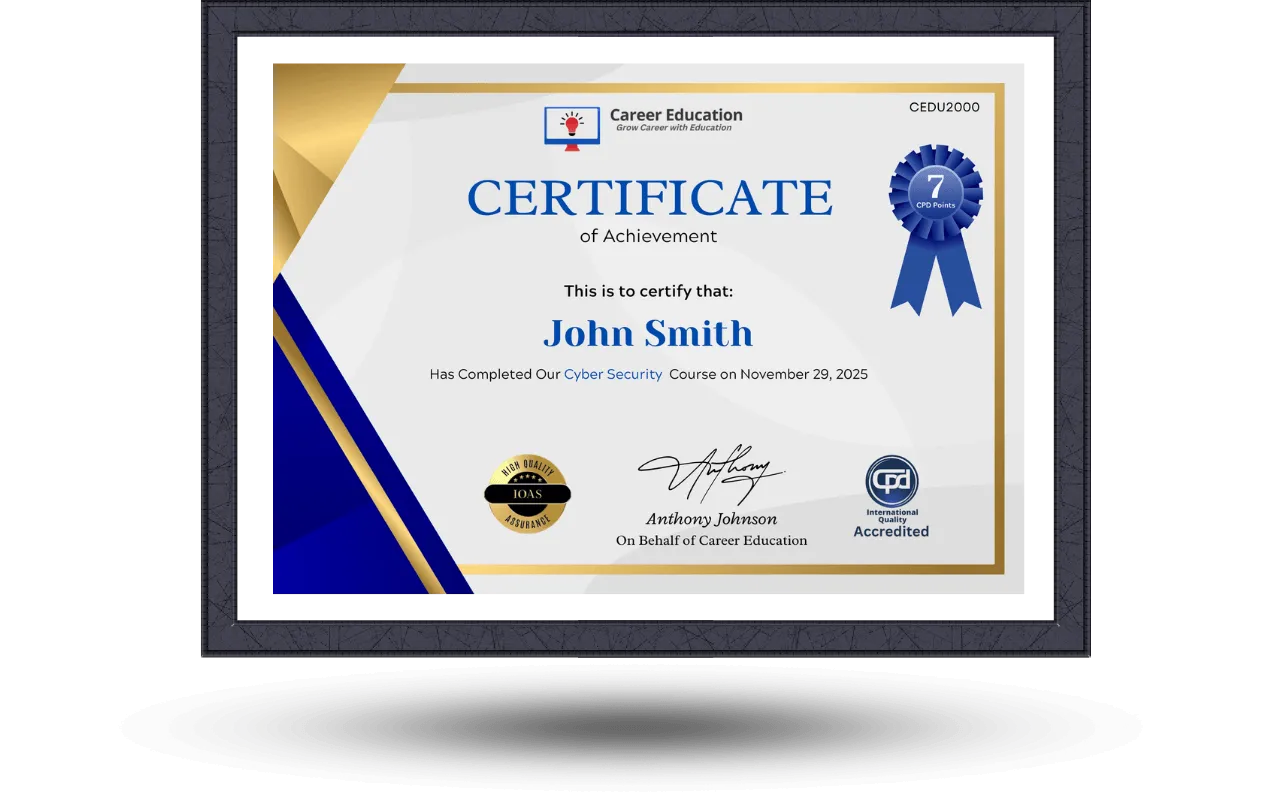
Earn an Accredited Certificate
Upon completion of any course, all students are entitled to a CPD IQ Accredited e-certificate that will be issued by Career Education signifying the completion of your course.
After you complete the course and assignment, you will be eligible to order a free certificate accredited by CPD International Quality by completing the form below.
Hardcopy certificates and transcripts are also available for a small additional fee. More information is disclosed upon course completion.
Similar Courses




Frequently Asked Questions
The lifetime membership includes unlimited access to all courses, resources, and updates for a one-time fee.
You can purchase the membership directly from our website using a secure checkout process.
Yes, selected courses can be downloaded for offline access through our mobile app.
Yes, all future updates and new courses are included at no extra cost.
Yes, we offer a 30-day money-back guarantee if you are not satisfied with the membership.