
94%
OFF
OFF
Physiotherapy Assistant Training
- Lifetime Access
- All Levels
- PDF Certificate
£296
£19
14-Day Money-Back Guarantee
Learn With Confidence







Physiotherapy Assistant Training
If you are interested in supporting people as they work towards improved movement, mobility, and physical wellbeing, Physiotherapy Assistant Training can help you develop a strong foundation of relevant knowledge and practical understanding. Physiotherapy assistants can play an important supportive role within healthcare environments, working alongside qualified physiotherapists and other professionals to help patients participate in rehabilitation programmes and maintain their independence.
This comprehensive Physiotherapy Assistant Training course introduces the fundamental principles of physiotherapy while exploring anatomy, assessment techniques, rehabilitation approaches, and specialist areas of care. From musculoskeletal and neurological physiotherapy to paediatric and geriatric care, the course provides a broad overview of the different situations in which physiotherapy support may be required.
Whether you are considering a career in healthcare, already working in a care-related environment, or simply want to develop your knowledge of physiotherapy support, this course offers an accessible route to expanding your skills and understanding.
What Is Physiotherapy Assistant Training?
Physiotherapy Assistant Training is designed to help learners understand the role of physiotherapy assistants and the principles that underpin effective rehabilitation support. Physiotherapy focuses on helping people improve or maintain movement and physical function following illness, injury, surgery, disability, or other health challenges.
A physiotherapy assistant may support qualified professionals by helping prepare treatment areas, assisting patients with prescribed activities, supporting mobility and exercise programmes, monitoring patients during activities, and maintaining appropriate records or equipment. The exact responsibilities vary according to the workplace, employer, patient needs, and level of professional supervision.
This course focuses on developing knowledge rather than replacing professional clinical qualifications. It gives learners a foundation from which they can better understand physiotherapy environments, patient needs, rehabilitation principles, and the importance of safe, person-centred support.
Build a Strong Foundation in Physiotherapy
The course begins with an introduction to physiotherapy, helping you understand its purpose, principles, and applications. You will explore how physiotherapy can contribute to rehabilitation and quality of life while gaining an appreciation of the responsibilities associated with supporting patients.
Understanding the wider role of physiotherapy can help you recognise how different healthcare professionals work together. You will also develop a clearer picture of the environments in which physiotherapy services may be delivered, including healthcare and rehabilitation settings.
By completing this introductory module, you can develop a solid foundation before progressing to more specialised areas of the course.
Develop Your Understanding of Human Anatomy and Physiology
A good understanding of the human body is essential when learning about movement and physical rehabilitation. The Physiotherapy Assistant Training course therefore includes a dedicated module covering human anatomy and physiology for physiotherapists.
You will explore the body’s structures and functions relevant to movement and physical wellbeing. This knowledge can help you understand how muscles, bones, joints, nerves, and other body systems contribute to mobility and physical function.
Developing this foundation can make it easier to understand why particular rehabilitation approaches are used and how different conditions can affect a person’s movement and capabilities.
Understand Physiotherapy Assessment Techniques
Assessment is an important part of physiotherapy because practitioners need to understand a person’s physical needs before developing an appropriate rehabilitation approach.
In the assessment techniques module, you will explore the principles behind physiotherapy assessment. You will learn about the importance of gathering relevant information, observing physical function, and understanding patient needs within the appropriate professional framework.
This can help you recognise how assessment contributes to planning and monitoring rehabilitation. You will also gain greater awareness of the importance of accurate communication, observation, and appropriate documentation when supporting patients.
Explore Musculoskeletal Physiotherapy
Musculoskeletal conditions can affect muscles, bones, joints, ligaments, tendons, and other structures involved in movement. They can influence mobility, physical function, and a person’s ability to carry out everyday activities.
The musculoskeletal physiotherapy module introduces learners to this important area of physiotherapy. You will develop an understanding of common musculoskeletal problems and the role physiotherapy can play in supporting recovery and maintaining function.
This knowledge can be particularly useful for learners interested in rehabilitation environments where patients may be recovering from injuries, surgery, or conditions affecting movement.
You will gain a broader understanding of how rehabilitation can be approached with consideration for individual needs and professional guidance.
Understand Neurological Physiotherapy
Neurological conditions can have significant effects on movement, coordination, balance, strength, and independence. Physiotherapy can form an important part of rehabilitation for people living with neurological conditions.
The neurological physiotherapy module introduces the principles of supporting patients with neurological needs. You will explore how neurological problems can affect physical function and why rehabilitation may focus on maintaining or improving mobility and independence.
This section can help you develop greater awareness of the challenges patients may experience and the importance of patient-centred support within neurological rehabilitation.
Learn About Cardiovascular and Respiratory Physiotherapy
Physiotherapy is not limited to muscles and joints. It can also play an important role in supporting people with cardiovascular and respiratory needs.
The cardiovascular and respiratory physiotherapy module introduces the relationship between physical function, breathing, circulation, and rehabilitation. You will explore the role of physiotherapy in supporting patients whose health conditions affect cardiovascular or respiratory function.
Developing knowledge in this area can broaden your understanding of the physiotherapy profession and help you appreciate the importance of safe, appropriate support across different healthcare settings.
Explore Paediatric Physiotherapy
Children can have unique physical, developmental, and rehabilitation needs. Paediatric physiotherapy focuses on supporting movement and physical development while taking into account a child’s age, abilities, circumstances, and individual requirements.
The paediatric physiotherapy module provides an introduction to this specialist area. You will explore the importance of adapting support to individual children and understanding the wider context surrounding their development and physical wellbeing.
This knowledge can be particularly valuable for learners who are interested in working in healthcare or care environments involving children.
Understand Geriatric Physiotherapy
As people age, they may experience changes affecting strength, mobility, balance, flexibility, and independence. Physiotherapy can help older adults maintain physical function and participate in appropriate rehabilitation.
The geriatric physiotherapy module introduces learners to the principles of supporting older people. You will explore the importance of considering age-related changes and individual circumstances when providing rehabilitation support.
This module can help you develop greater awareness of the needs of older adults and the role physiotherapy may play in promoting mobility, independence, and quality of life.
What You Can Gain from Physiotherapy Assistant Training
Completing Physiotherapy Assistant Training can help you develop a broad knowledge base that may support your personal and professional development.
You can expect to develop an understanding of:
-
The principles and purpose of physiotherapy
-
The role of physiotherapy assistants within appropriate professional boundaries
-
Human anatomy and physiology relevant to physiotherapy
-
The principles of physiotherapy assessment
-
Musculoskeletal rehabilitation
-
Neurological physiotherapy
-
Cardiovascular and respiratory physiotherapy
-
Paediatric physiotherapy
-
Geriatric physiotherapy
-
The importance of patient-centred rehabilitation
-
The different physical needs of patients across age groups and conditions
Rather than focusing on one narrow area, the course gives you exposure to multiple branches of physiotherapy. This broad perspective can help you identify areas that particularly interest you and inform your future learning or career development.
Develop Career-Relevant Knowledge
Healthcare environments require people who understand the importance of communication, teamwork, patient dignity, safety, and professional responsibility. Physiotherapy Assistant Training can help you build knowledge that complements these qualities.
The course may be relevant to individuals considering roles or further learning connected with healthcare, rehabilitation, care work, physiotherapy support, and related services. It can also be useful for existing care or support workers who want to expand their understanding of physical rehabilitation.
By developing your knowledge across different areas of physiotherapy, you can become better prepared to understand the terminology, principles, and situations encountered in rehabilitation-focused environments.
However, the course should be viewed as educational training and not as a substitute for regulated professional qualifications, clinical placements, registration, or supervision where these are required for a particular role.
Why Choose This Physiotherapy Assistant Training Course?
Choosing the right course can make learning more purposeful and manageable. This Physiotherapy Assistant Training course brings together essential concepts in a structured learning journey, starting with the fundamentals and progressing into specialist areas.
The curriculum covers eight key modules, allowing you to build knowledge progressively. Instead of concentrating solely on theory, the course introduces you to the different areas in which physiotherapy principles are applied.
It is particularly useful if you want to:
-
Build foundational knowledge of physiotherapy
-
Understand human anatomy and physiology
-
Learn about physiotherapy assessment principles
-
Explore different areas of rehabilitation
-
Develop knowledge relevant to healthcare support
-
Improve your understanding of patient mobility and physical function
-
Explore whether physiotherapy support is an area you would like to pursue further
-
Prepare for additional study in a related field
A Broader Understanding of Patient Care
Effective rehabilitation involves more than understanding physical movement. Patients may have different ages, conditions, abilities, goals, and circumstances. Understanding these differences is essential for providing appropriate support within a professional healthcare environment.
The course’s coverage of musculoskeletal, neurological, cardiovascular, respiratory, paediatric, and geriatric physiotherapy helps you appreciate the variety of patient needs that may be encountered.
This broader understanding can help you approach physiotherapy support with greater awareness and recognise the importance of treating each patient as an individual.
Start Building Your Physiotherapy Knowledge
Whether you are starting from scratch or looking to expand existing healthcare knowledge, Physiotherapy Assistant Training provides a structured introduction to the principles and applications of physiotherapy.
You will explore the human body, assessment techniques, rehabilitation approaches, and specialist physiotherapy areas, giving you a well-rounded foundation for continued learning.
The outcome is not simply greater awareness of physiotherapy—it is a stronger understanding of how rehabilitation can support movement, function, and independence across different patient groups.
If you are ready to develop your healthcare knowledge and explore the world of physiotherapy support, Physiotherapy Assistant Training offers a practical starting point for your learning journey. Enrol today and begin building the knowledge and confidence to take your next step towards further education or career development in the healthcare and rehabilitation sector.
Course Modules
Course Content
Module 1_ Introduction to Physiotherapy.
-
Lesson 1_ Introduction to Physiotherapy.
Module 2_ Human Anatomy and Physiology for Physiotherapists.
Module 3_ Assessment Techniques in Physiotherapy.
Module 4_ Musculoskeletal Physiotherapy.
Module 5_ Neurological Physiotherapy.
Module 6_ Cardiovascular and Respiratory Physiotherapy.
Module 7_ Paediatric Physiotherapy.
Module 8_ Geriatric Physiotherapy.
What our students say
Excellent
4.9 average
158 Reviews

Earn an Accredited Certificate
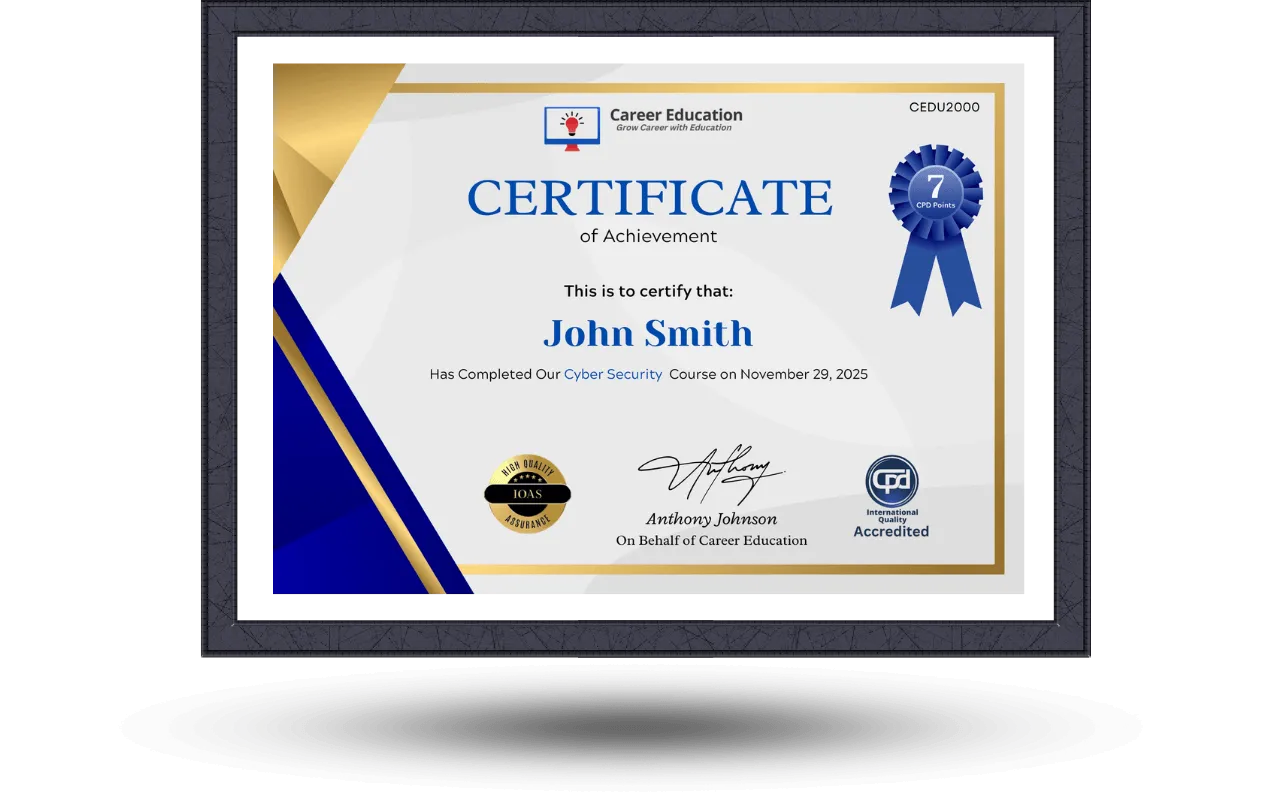
Upon completion of any course, all students are entitled to a CPD IQ Accredited e-certificate that will be issued by Career Education signifying the completion of your course.
After you complete the course and assignment, you will be eligible to order a free certificate accredited by CPD International Quality by completing the form below.
Hardcopy certificates and transcripts are also available for a small additional fee. More information is disclosed upon course completion.
Similar Courses


Frequently Asked Questions
The lifetime membership includes unlimited access to all courses, resources, and updates for a one-time fee.
You can purchase the membership directly from our website using a secure checkout process.
Yes, selected courses can be downloaded for offline access through our mobile app.
Yes, all future updates and new courses are included at no extra cost.
Yes, we offer a 30-day money-back guarantee if you are not satisfied with the membership.