
94%
OFF
OFF
Pandemic Influenza Preparedness and Response
- Lifetime Access
- All Levels
- PDF Certificate
£296
£19
14-Day Money-Back Guarantee
Learn With Confidence









Pandemic Influenza Preparedness and Response
Influenza can range from a seasonal illness to a significant public health challenge. When a novel influenza virus emerges and spreads widely among populations with limited immunity, the potential impact can extend far beyond individual cases. Healthcare systems, workplaces, schools, communities and public services may all face increased pressure.
Pandemic Influenza Preparedness and Response is designed to provide learners with a structured understanding of influenza, pandemic risks, transmission, clinical manifestations, prevention, control and preparedness planning. The course takes an outcome-focused approach, helping participants develop knowledge that can support informed decision-making and effective preparedness activities.
Rather than focusing only on the biology of influenza, this course connects scientific concepts with practical prevention and planning considerations. Learners will explore how influenza viruses are classified, how influenza spreads through populations, how infection can affect the body, how illness may present and how organisations and communities can prepare for potential pandemic situations.
Whether you work in healthcare, public health, education, occupational safety, emergency planning or another setting where infectious disease preparedness matters, this course provides a useful foundation for understanding pandemic influenza.
Why Take Pandemic Influenza Preparedness and Response?
Pandemic preparedness begins with understanding the threat.
A strong response requires more than knowing that influenza is contagious. Professionals need to understand how influenza viruses differ, how infections spread, how disease can develop, what symptoms may occur and which prevention and control strategies can help reduce transmission.
Pandemic Influenza Preparedness and Response helps learners build this foundation.
Throughout the course, participants will learn how to:
-
Understand the relationship between influenza and pandemics.
-
Recognise major influenza virus types and subtypes.
-
Explore how influenza is studied through epidemiology.
-
Understand the basic pathogenesis of influenza infection.
-
Recognise common clinical manifestations.
-
Understand key prevention and control strategies.
-
Explore the principles of pandemic preparedness.
-
Support informed organisational planning.
-
Understand the importance of coordinated response.
-
Develop stronger awareness of infectious disease risks.
The course is designed to help learners understand the broader picture and appreciate how scientific knowledge, prevention measures and preparedness planning work together.
What You Will Learn
By completing Pandemic Influenza Preparedness and Response, learners will develop a comprehensive foundation in influenza and pandemic preparedness.
The course begins with the basic concepts surrounding influenza viruses and pandemics. It then progresses into virus classification, epidemiology and pathogenesis before examining clinical manifestations.
The final modules move from understanding the disease to considering prevention, control and pandemic planning.
This structure allows learners to build knowledge progressively, starting with the fundamentals and moving toward practical preparedness concepts.
Module 1: Introduction to Influenza and Pandemics
The course begins by introducing influenza and the concept of an influenza pandemic.
Learners will explore what influenza is, why influenza viruses are important from a public health perspective and how seasonal influenza differs conceptually from pandemic influenza.
Participants will examine the factors that can contribute to the emergence and spread of infectious diseases and why a pandemic can create challenges for healthcare systems and communities.
The module introduces key concepts such as:
-
Influenza infection.
-
Seasonal influenza.
-
Influenza outbreaks.
-
Pandemic influenza.
-
Viral transmission.
-
Population susceptibility.
-
Public health preparedness.
-
Emergency response.
Learners will also consider why preparedness should begin before a pandemic occurs.
Effective planning allows organisations to identify potential challenges, establish communication processes and develop appropriate response arrangements before pressure increases.
By completing this module, participants will have a clearer understanding of influenza and the significance of pandemic preparedness.
Module 2: Influenza Virus Types and Subtypes
Understanding influenza viruses is essential for understanding influenza risk.
This module introduces the major types and subtypes of influenza viruses and explains why viral characteristics matter when considering disease surveillance and pandemic potential.
Learners will explore the distinctions between major influenza virus groups and the concepts associated with viral variation.
Participants will develop awareness of terms relating to:
-
Influenza virus types.
-
Viral subtypes.
-
Surface proteins.
-
Viral variation.
-
Antigenic changes.
-
Emerging strains.
-
Host susceptibility.
The module helps learners understand why influenza viruses can change over time and why monitoring viral activity is an important component of public health preparedness.
Participants will also explore why a novel virus with characteristics that allow efficient human transmission can create significant public health concerns.
By completing this module, learners will have a stronger scientific foundation for understanding influenza virus diversity and its relationship to pandemic risk.
Module 3: Epidemiology of Influenza
Epidemiology provides important information about how diseases occur and spread within populations.
This module explores the epidemiology of influenza and how public health professionals use population-level information to understand influenza activity.
Learners will consider factors such as:
-
Incidence.
-
Prevalence.
-
Transmission.
-
Population susceptibility.
-
Geographic distribution.
-
Seasonal patterns.
-
Outbreak patterns.
-
Risk factors.
-
Surveillance.
-
Public health monitoring.
Participants will explore why influenza surveillance is important for detecting changes in disease activity and identifying emerging threats.
The module also introduces the importance of understanding who may be more vulnerable to severe outcomes and how population characteristics can influence the impact of influenza.
Learners will gain a better appreciation of how epidemiological information supports public health decision-making.
By completing this module, participants will understand how influenza patterns can be monitored and interpreted as part of preparedness and response activities.
Module 4: Pathogenesis of Influenza
This module focuses on what happens when influenza infects the human body.
Learners will explore the basic pathogenesis of influenza, including how the virus enters the body, infects susceptible cells and contributes to the development of illness.
Understanding pathogenesis helps explain why influenza can produce different clinical manifestations and why some infections may become more severe than others.
Participants will develop awareness of concepts such as:
-
Viral entry.
-
Infection of respiratory tissues.
-
Viral replication.
-
Host immune response.
-
Inflammation.
-
Tissue effects.
-
Disease progression.
-
Factors associated with severity.
The module connects biological processes with clinical outcomes, helping learners understand how influenza infection can lead to respiratory symptoms and other complications.
The content is designed to provide a foundational understanding rather than replace specialised medical or clinical training.
By completing this module, learners will better understand the relationship between influenza virus activity, the body’s response and the development of disease.
Module 5: Clinical Manifestations of Influenza
Recognising the clinical presentation of influenza is an important component of disease awareness.
This module examines the common signs and symptoms associated with influenza and considers how illness may vary between individuals.
Learners will explore manifestations that may include:
-
Fever.
-
Cough.
-
Sore throat.
-
Fatigue.
-
Muscle or body aches.
-
Headache.
-
Chills.
-
Respiratory symptoms.
-
Other associated symptoms.
Participants will also consider the possibility of complications and the fact that certain individuals may be at greater risk of severe illness.
The module encourages learners to understand the difference between general awareness and clinical diagnosis. Healthcare decisions should be made by appropriately qualified professionals using relevant clinical guidance.
The focus is on helping learners recognise the importance of symptom awareness and appropriate escalation when illness is suspected.
By completing this module, participants will have a stronger understanding of how influenza can present and why monitoring illness is important during periods of increased transmission.
Module 6: Prevention and Control Strategies
Prevention and control are central to reducing the impact of influenza.
This module explores a range of strategies that can help reduce transmission and protect individuals and communities.
Learners will examine the importance of measures such as:
-
Vaccination programmes where appropriate.
-
Hand hygiene.
-
Respiratory hygiene.
-
Appropriate use of face coverings or other protective measures where recommended.
-
Staying home when unwell.
-
Environmental cleaning.
-
Ventilation and indoor air considerations.
-
Infection prevention procedures.
-
Appropriate isolation or exclusion practices.
-
Public health communication.
The course emphasises that prevention strategies should be based on the specific circumstances, current public health guidance and organisational procedures.
Participants will also explore the importance of clear communication. During an influenza outbreak or pandemic, misinformation and confusion can create additional challenges.
Accurate, timely and understandable communication can help people understand what actions are expected and why those measures are important.
By completing this module, learners will understand the key principles behind influenza prevention and control.
Module 7: Pandemic Preparedness and Planning
The final module brings the course together by focusing on pandemic preparedness and planning.
Preparedness involves anticipating potential challenges and developing practical arrangements before an emergency occurs.
Learners will explore the key components of pandemic planning, including:
-
Risk assessment.
-
Response planning.
-
Communication strategies.
-
Continuity planning.
-
Workforce considerations.
-
Infection prevention arrangements.
-
Resource planning.
-
Coordination.
-
Monitoring.
-
Training and awareness.
-
Review and improvement.
Participants will consider how organisations can identify essential functions and prepare for potential workforce disruption during a pandemic.
Planning may also involve establishing clear roles and responsibilities, identifying communication channels and determining how information will be shared with employees, stakeholders and relevant authorities.
The module highlights the importance of flexibility. Pandemic conditions can change rapidly, so preparedness plans should be reviewed and adapted as new information becomes available.
By completing this module, learners will understand the foundations of a structured approach to pandemic influenza preparedness.
Practical Benefits of Pandemic Influenza Preparedness and Response
Pandemic Influenza Preparedness and Response is designed to provide practical knowledge that learners can apply within appropriate professional and organisational contexts.
After completing the course, participants should be better able to:
Understand Influenza Risks
Explain the fundamental characteristics of influenza and why pandemic influenza presents unique challenges.
Recognise Viral Differences
Understand basic distinctions between influenza virus types and subtypes and the significance of viral variation.
Appreciate Epidemiological Principles
Understand how influenza transmission and disease patterns can be monitored at a population level.
Understand Disease Development
Explain the basic principles of influenza pathogenesis and how infection can contribute to clinical illness.
Recognise Clinical Manifestations
Identify common influenza symptoms and understand why some cases may require additional attention.
Support Prevention Efforts
Understand key infection prevention and control principles that can help reduce influenza transmission.
Promote Preparedness
Recognise important components of pandemic planning and organisational readiness.
Strengthen Communication
Understand why clear, accurate and timely communication is essential during infectious disease events.
Support Continuity Planning
Appreciate the importance of preparing organisations for potential workforce and operational disruption.
Encourage Proactive Planning
Develop a preparedness mindset that focuses on identifying challenges and establishing response arrangements before an emergency occurs.
Who Is This Course For?
Pandemic Influenza Preparedness and Response can be useful for professionals and learners who want to understand influenza and pandemic preparedness from a public health, workplace or organisational perspective.
It may be particularly relevant for:
-
Healthcare professionals seeking foundational knowledge.
-
Public health personnel.
-
Health and safety professionals.
-
Workplace health coordinators.
-
Emergency preparedness teams.
-
Occupational health personnel.
-
Care and support workers.
-
Education professionals.
-
Business continuity professionals.
-
Emergency management personnel.
-
Organisational managers.
-
Community health workers.
-
Students studying health-related subjects.
-
Professionals responsible for workplace preparedness.
The course may also be valuable for organisations seeking to improve general awareness of pandemic influenza preparedness.
Build a Stronger Understanding of Pandemic Risk
Pandemics can create complex challenges because their effects can extend across healthcare, workplaces, supply chains, education and communities.
Preparedness therefore requires more than understanding the disease itself.
Organisations need to consider how they will communicate, maintain essential operations, protect employees and respond as circumstances change.
Pandemic Influenza Preparedness and Response provides learners with a structured framework for understanding these challenges.
By combining influenza science with prevention and preparedness concepts, the course helps participants see how individual knowledge connects with wider public health planning.
Support Informed Prevention and Response
Preparedness is most effective when people understand the reasons behind the actions they are expected to take.
For example, infection prevention measures become more meaningful when individuals understand how influenza spreads and why certain populations may be more vulnerable.
Similarly, organisational planning becomes stronger when managers understand how disease activity can affect staffing, operations and service delivery.
This course helps connect these areas, providing learners with a broader perspective on influenza preparedness.
Develop a Proactive Preparedness Mindset
Waiting until a pandemic is underway to begin planning can create unnecessary pressure.
A proactive approach gives organisations time to identify vulnerabilities, establish responsibilities, review communication processes and prepare appropriate response strategies.
Pandemic Influenza Preparedness and Response encourages learners to think ahead and recognise preparedness as an ongoing process.
Plans should be reviewed, tested and updated as circumstances and available information change.
Take the Next Step Towards Pandemic Preparedness
Understanding influenza is an important first step toward preparing for potential pandemic challenges.
Pandemic Influenza Preparedness and Response provides a comprehensive learning experience covering influenza fundamentals, virus types and subtypes, epidemiology, pathogenesis, clinical manifestations, prevention and control, and pandemic planning.
Learners will gain a stronger foundation for understanding how influenza can affect individuals and populations and how organisations can prepare for potential infectious disease emergencies.
Build your knowledge of influenza. Strengthen your understanding of prevention and control. Develop greater awareness of pandemic planning and preparedness.
Start learning Pandemic Influenza Preparedness and Response and develop the knowledge needed to support informed, proactive and organised approaches to influenza preparedness.
Course Modules
Course Content
Module 1_ Introduction to Influenza and Pandemics
-
Lesson 1_ Introduction to Influenza and Pandemics
Module 2_ Influenza Virus Types and Subtypes
Module 3_ Epidemiology of Influenza
Module 4_ Pathogenesis of Influenza
Module 5_ Clinical Manifestations of Influenza
Module 6_ Prevention and Control Strategies
Module 7_ Pandemic Preparedness and Planning
What our students say
Excellent
4.9 average
158 Reviews

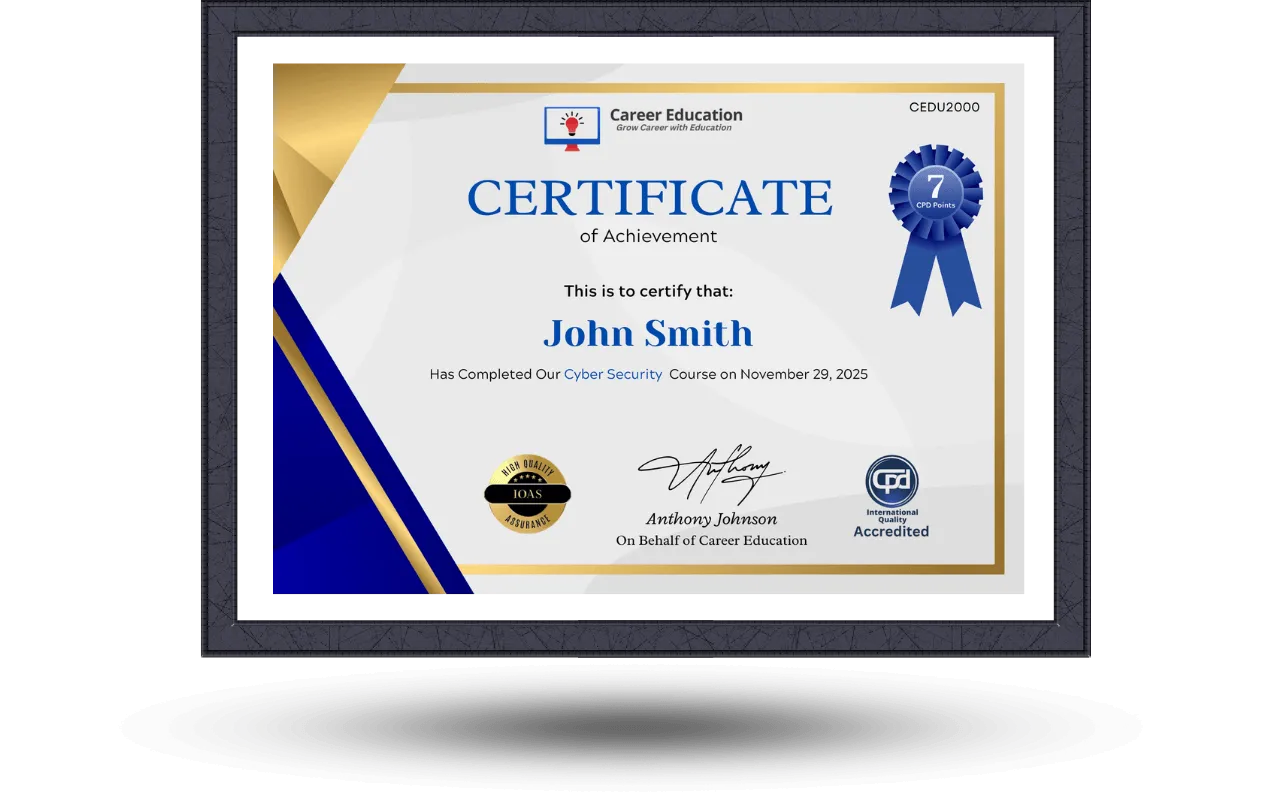
Earn an Accredited Certificate
Upon completion of any course, all students are entitled to a CPD IQ Accredited e-certificate that will be issued by Career Education signifying the completion of your course.
After you complete the course and assignment, you will be eligible to order a free certificate accredited by CPD International Quality by completing the form below.
Hardcopy certificates and transcripts are also available for a small additional fee. More information is disclosed upon course completion.
Similar Courses




Frequently Asked Questions
The lifetime membership includes unlimited access to all courses, resources, and updates for a one-time fee.
You can purchase the membership directly from our website using a secure checkout process.
Yes, selected courses can be downloaded for offline access through our mobile app.
Yes, all future updates and new courses are included at no extra cost.
Yes, we offer a 30-day money-back guarantee if you are not satisfied with the membership.