
OFF
OSHA Essentials: What Every Worker Needs to Know (US)
- Lifetime Access
- All Levels
- PDF Certificate
Learn With Confidence








Overview
OSHA Essentials: What Every Worker Needs to Know (US)
Workplace safety is not simply about following rules—it is about recognising hazards, making informed decisions, and taking practical steps to prevent injuries and protect yourself and others. The OSHA Essentials: What Every Worker Needs to Know (US) course is designed to give employees a clear, practical foundation in essential occupational safety principles and help them understand how OSHA requirements relate to everyday workplace activities.
Whether you are new to the workforce, changing roles, working in a higher-risk environment, or simply looking to strengthen your workplace safety knowledge, this course provides valuable awareness of common hazards and prevention strategies.
The course covers key areas including OSHA and workplace safety fundamentals, hazard communication, chemical safety, personal protective equipment (PPE), emergency preparedness, fall protection, electrical safety, machine guarding, and equipment safety.
Rather than concentrating solely on regulations and terminology, the training focuses on practical outcomes. You will learn how to identify common workplace hazards, understand why safety controls matter, recognise unsafe conditions, and apply appropriate preventive practices within your role.
Important: This course is designed as general OSHA awareness training. Specific OSHA requirements can vary according to industry, workplace activities, job duties, and applicable standards. Employers should provide any additional training required for specific hazards and tasks.
Why Take OSHA Essentials: What Every Worker Needs to Know (US)?
Every workplace has hazards. Some are obvious, while others may be hidden in routine activities that employees perform every day. Slips, falls, electrical hazards, hazardous chemicals, unguarded machinery, and inadequate emergency preparation can all contribute to workplace incidents.
The OSHA Essentials: What Every Worker Needs to Know (US) course helps you develop the knowledge and awareness needed to recognise these risks before they result in injury.
By completing the course, you can learn how to:
-
Understand the basic purpose of OSHA and workplace safety requirements.
-
Recognise common workplace hazards.
-
Understand fundamental hazard communication principles.
-
Identify appropriate personal protective equipment.
-
Respond more effectively to workplace emergencies.
-
Recognise common fall hazards and prevention strategies.
-
Understand basic electrical safety practices.
-
Recognise machine guarding hazards.
-
Promote safer work practices.
-
Make more informed safety decisions in everyday work situations.
The goal is not simply to know what OSHA is. The goal is to understand how workplace safety principles apply to real working environments.
What You Will Learn
Module 1 – Introduction to OSHA and Workplace Safety
Lesson 1 – Introduction to OSHA and Workplace Safety
The course begins by establishing a foundation in OSHA and workplace safety.
You will learn about the role of the Occupational Safety and Health Administration and why workplace safety standards are important for protecting employees. The lesson introduces fundamental concepts such as hazard recognition, workplace responsibilities, safety procedures, and employee participation in maintaining a safe working environment.
You will explore:
-
The purpose of OSHA.
-
The importance of occupational safety and health.
-
Common workplace hazards.
-
The role of employers in workplace safety.
-
Employee responsibilities and safe work practices.
-
Hazard recognition and reporting.
-
The importance of following established workplace procedures.
-
The value of proactive safety awareness.
-
Why workplace safety is everyone’s responsibility.
This module helps you understand that safety is not merely the responsibility of a safety department or supervisor. Employees play an important role by identifying hazards, following procedures, using protective equipment correctly, and reporting unsafe conditions.
Outcome: You will understand the fundamental purpose of OSHA and develop a stronger awareness of your role in maintaining a safe workplace.
Module 2 – Hazard Communication and Chemical Safety
Chemicals can be found in workplaces ranging from laboratories and manufacturing facilities to healthcare environments, construction sites, cleaning operations, and warehouses.
Understanding chemical hazards is essential because employees may be exposed through routine tasks such as handling, transferring, storing, mixing, or disposing of hazardous substances.
This module introduces the principles of hazard communication and chemical safety. You will learn why employees need accessible information about hazardous chemicals and how that information can help them make safer decisions.
Topics include:
-
Understanding chemical hazards.
-
Hazard identification.
-
Chemical labels.
-
Safety Data Sheets (SDSs).
-
Hazard communication principles.
-
Safe chemical handling.
-
Storage considerations.
-
Exposure prevention.
-
Emergency information.
-
The importance of following workplace chemical procedures.
You will also learn how to use available safety information to better understand the hazards associated with chemicals in your work environment.
The module emphasises that employees should never assume that a familiar chemical is harmless. Proper labelling, information, procedures, and training are essential components of chemical safety.
Outcome: You will be better prepared to recognise chemical hazards, understand workplace hazard communication information, and follow safer practices when working with hazardous substances.
Module 3 – Personal Protective Equipment (PPE)
Personal Protective Equipment can provide an important layer of protection when workplace hazards cannot be adequately eliminated or controlled through other methods.
However, PPE is only effective when employees understand what equipment is appropriate, how to use it correctly, and how to care for it.
This module introduces the fundamentals of PPE and its role in workplace hazard prevention.
You will learn about:
-
The purpose of PPE.
-
Common types of workplace PPE.
-
Head protection.
-
Eye and face protection.
-
Hearing protection.
-
Hand protection.
-
Foot protection.
-
Protective clothing.
-
Respiratory protection awareness.
-
Selecting PPE based on workplace hazards.
-
Proper use and care of PPE.
-
Recognising damaged or unsuitable PPE.
The module also reinforces the importance of understanding workplace hazards before selecting protective equipment. Wearing PPE incorrectly—or using equipment that is unsuitable for the hazard—can create a false sense of security.
Outcome: You will understand the role of PPE and be better equipped to recognise when protective equipment may be required and how it should be used as part of a broader safety programme.
Module 4 – Emergency Preparedness and Response
Emergencies can happen without warning. A fire, chemical release, severe weather event, equipment failure, medical emergency, or other incident can require employees to respond quickly.
Preparation can make a significant difference.
This module explores the principles of workplace emergency preparedness and response. You will learn why employees need to understand emergency procedures before an emergency occurs.
Topics include:
-
Workplace emergency planning.
-
Recognising potential emergency situations.
-
Emergency communication.
-
Evacuation procedures.
-
Emergency exits and escape routes.
-
Assembly areas.
-
Reporting emergencies.
-
Emergency response responsibilities.
-
Following instructions from designated personnel.
-
The importance of remaining calm and avoiding unnecessary risks.
You will develop a better understanding of why emergency plans should be familiar to employees and why workers should know where to go, whom to contact, and what actions are expected of them.
Outcome: You will be better prepared to recognise workplace emergencies and respond according to established emergency procedures.
Module 5 – Fall Protection and Prevention
Falls are among the most serious workplace hazards, particularly in industries and environments where employees work at elevated locations or around openings, edges, ladders, platforms, and other fall hazards.
This module focuses on recognising and preventing fall-related incidents.
You will explore:
-
Common workplace fall hazards.
-
Why falls occur.
-
Recognising elevated work areas.
-
Safe ladder practices.
-
Working around openings and edges.
-
Housekeeping and slip/trip prevention.
-
Fall protection systems.
-
The importance of following workplace procedures.
-
Reporting unsafe conditions.
-
Preventing complacency around familiar hazards.
The module encourages learners to think proactively. A fall hazard does not become safe simply because an employee has worked around it many times before.
You will learn the importance of assessing work areas before beginning a task and using appropriate protective measures.
Outcome: You will be able to recognise common fall hazards and understand practical strategies for reducing fall-related risks in the workplace.
Module 6 – Electrical Safety
Electricity is an essential part of modern workplaces, but electrical hazards can cause serious injuries, fires, equipment damage, and fatalities.
Even employees who do not work directly with electrical systems may encounter electrical risks through damaged cords, defective equipment, overloaded outlets, improper use of extension cords, or unsafe work environments.
This module provides an awareness-level introduction to electrical safety.
You will learn about:
-
Common electrical hazards.
-
Electrical shock risks.
-
Electrical burns and fire hazards.
-
Damaged cords and equipment.
-
Unsafe electrical practices.
-
Grounding awareness.
-
Electrical equipment inspection.
-
Safe use of electrical tools and equipment.
-
Keeping electrical areas clear.
-
Reporting electrical hazards.
-
The importance of qualified personnel for electrical work.
The course helps employees understand that electrical safety is not limited to electricians. Anyone using electrical equipment has a role to play in preventing incidents.
Outcome: You will be able to recognise common electrical hazards and make safer decisions when using or working around electrical equipment.
Module 7 – Machine Guarding and Equipment Safety
Machinery and powered equipment can create serious hazards when guards are missing, bypassed, damaged, or improperly used.
Moving parts, rotating components, cutting mechanisms, crushing points, and other machine hazards can cause severe injuries when workers are exposed.
This module introduces fundamental machine guarding and equipment safety principles.
You will learn how to:
-
Recognise common machine hazards.
-
Understand the purpose of machine guards.
-
Identify dangerous moving parts.
-
Recognise pinch points and points of operation.
-
Avoid bypassing or removing guards.
-
Follow equipment operating procedures.
-
Report damaged or missing guards.
-
Understand the importance of authorised maintenance procedures.
-
Maintain awareness around powered machinery.
-
Use equipment only as intended.
The module reinforces an important safety principle: never assume that a machine is safe simply because it appears familiar or has been used successfully in the past.
Employees should follow established procedures and avoid taking shortcuts that could expose them or others to unnecessary risk.
Outcome: You will be better prepared to recognise machine and equipment hazards and understand why proper guarding and safe operating practices are essential.
Practical Skills You Can Develop
The OSHA Essentials: What Every Worker Needs to Know (US) course is designed to help transform safety knowledge into practical workplace awareness.
After completing the course, you can develop the ability to:
Identify Workplace Hazards
Recognise common physical, chemical, electrical, mechanical, and fall-related hazards before beginning work.
Make Safer Decisions
Use basic safety principles to evaluate situations and avoid unnecessary exposure to hazards.
Understand Chemical Safety Information
Recognise the purpose of labels and Safety Data Sheets and understand why hazard information is important.
Use PPE More Effectively
Understand the role of PPE and the importance of selecting, wearing, inspecting, and maintaining appropriate protective equipment.
Prepare for Emergencies
Understand basic emergency procedures and the importance of knowing evacuation routes, reporting procedures, and designated assembly areas.
Prevent Falls
Recognise common fall hazards and understand practical prevention strategies.
Recognise Electrical Risks
Identify potentially unsafe electrical conditions and understand when hazards should be reported or addressed by qualified personnel.
Work More Safely Around Machinery
Recognise machine guarding hazards and understand why protective guards and established operating procedures must not be bypassed.
Who Is This Course For?
The OSHA Essentials: What Every Worker Needs to Know (US) course is suitable for a broad range of employees and professionals who want to strengthen their understanding of workplace safety.
It can be particularly useful for:
-
New employees.
-
General workplace employees.
-
Supervisors and team leaders.
-
Warehouse and logistics workers.
-
Manufacturing personnel.
-
Construction workers.
-
Maintenance personnel.
-
Facility staff.
-
Laboratory and industrial employees.
-
Office and administrative employees seeking general OSHA awareness.
-
Managers with workplace safety responsibilities.
-
Individuals preparing for employment in safety-conscious industries.
The course can also serve as a useful foundation before completing more specialised training for specific workplace hazards.
Benefits for Employers and Organisations
A strong workplace safety culture starts with informed employees.
Providing employees with foundational OSHA awareness can help organisations reinforce important safety principles and encourage workers to take an active role in identifying and reporting hazards.
The training can help organisations:
-
Improve general safety awareness.
-
Reinforce hazard recognition.
-
Encourage safer work practices.
-
Promote effective use of PPE.
-
Strengthen chemical safety awareness.
-
Improve emergency preparedness.
-
Reinforce fall prevention principles.
-
Increase awareness of electrical hazards.
-
Promote safer machinery practices.
-
Encourage employees to report unsafe conditions.
Training should complement, rather than replace, workplace-specific safety programmes, job-specific instruction, hazard assessments, and any additional training required for particular tasks or regulatory requirements.
Build a Stronger Workplace Safety Mindset
Safety is most effective when it becomes part of everyday decision-making.
The OSHA Essentials: What Every Worker Needs to Know (US) course encourages learners to develop that mindset by understanding not only what safe work practices are, but also why they matter.
Instead of waiting for an accident to reveal a hazard, employees can learn to identify potential problems earlier. Instead of treating PPE as an inconvenience, workers can understand its role within a broader hazard-control strategy. Instead of reacting to emergencies without preparation, employees can become familiar with the importance of emergency planning.
This proactive approach can contribute to safer behaviours across different workplace environments.
Why Choose OSHA Essentials: What Every Worker Needs to Know (US)?
The course provides a practical overview of several of the most important workplace safety topics employees may encounter.
Its structured curriculum takes learners from the fundamentals of OSHA and workplace safety through chemical hazards, PPE, emergency response, fall prevention, electrical safety, and machine guarding.
You will gain a broad safety foundation that can help you:
-
Recognise hazards more confidently.
-
Understand basic OSHA-related workplace safety concepts.
-
Follow safety procedures more effectively.
-
Communicate concerns about unsafe conditions.
-
Understand the importance of protective equipment.
-
Prepare for workplace emergencies.
-
Reduce exposure to common workplace risks.
-
Contribute positively to workplace safety culture.
Start Your OSHA Safety Training Today
Workplace safety begins with awareness, but awareness becomes valuable when it influences everyday actions.
The OSHA Essentials: What Every Worker Needs to Know (US) course provides a practical foundation for understanding common workplace hazards and the basic principles used to prevent injuries and protect employees.
From hazard communication and PPE to emergency preparedness, fall protection, electrical safety, and machine guarding, the course covers essential topics that can help workers recognise risks and make safer decisions.
Whether you are starting a new job, developing your workplace safety knowledge, supervising employees, or simply looking to become more safety-conscious, this course can help you build a stronger foundation in occupational safety.
Enrol in OSHA Essentials: What Every Worker Needs to Know (US) and develop the practical knowledge, hazard awareness, and safety mindset needed to contribute to a safer workplace.
Course Modules
Course Content
Module 1_ Introduction to OSHA and Workplace Safety
-
Lesson 1_ Introduction to OSHA and Workplace Safety
Module 2_ Hazard Communication and Chemical Safety
Module 3_ Personal Protective Equipment (PPE)
Module 4_ Emergency Preparedness and Response
Module 5_ Fall Protection and Prevention
Module 6_ Electrical Safety
Module 7_ Machine Guarding and Equipment Safety
What our students say

Earn an Accredited Certificate
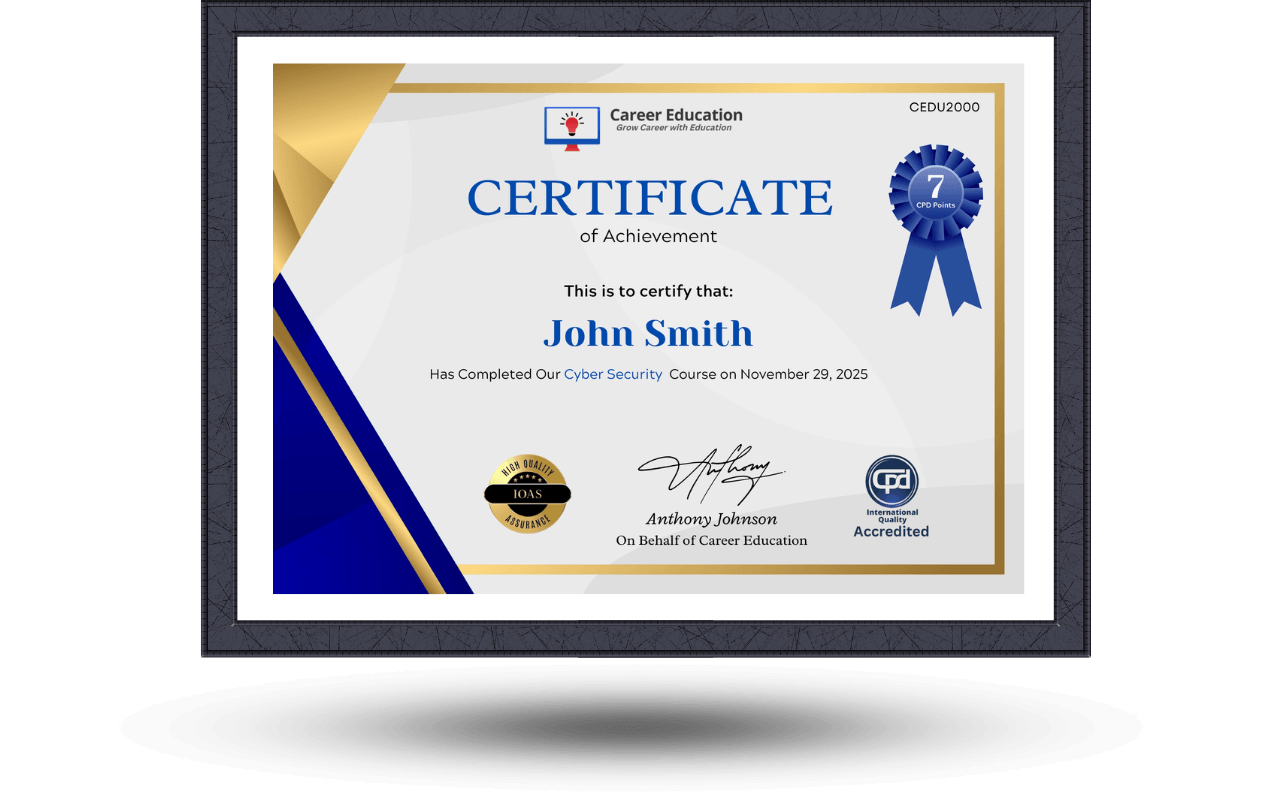
Upon completion of the course, an e-certificate will be downloadable from Khan Education signifying the completion of your course. But, the course is CPD Accredited and after you complete the assignment, you will be eligible to order a certificate accredited by CPD International Quality for £5.99 only. If you want a hardcopy certificate accredited by CPD IQ, you can get it for only £15.99.
Get your CertificateSimilar Courses