
94%
OFF
OFF
Office Stretching and Flexibility
- Lifetime Access
- All Levels
- PDF Certificate
£296
£19
14-Day Money-Back Guarantee
Learn With Confidence






Office Stretching and Flexibility
Office Stretching and Flexibility is a practical online course designed to help office workers, desk-based professionals, and anyone who spends extended periods sitting develop healthier movement habits through simple, accessible stretching techniques.
Modern office routines often involve long periods of sitting, computer use, repetitive movements, and limited opportunities for physical activity. Over time, these habits can contribute to feelings of stiffness, reduced mobility, muscular tension, and general discomfort. Building regular movement and stretching into the working day can be a useful way to encourage greater body awareness, flexibility, and physical wellbeing.
This Office Stretching and Flexibility course provides a structured introduction to practical stretches that can be incorporated into a typical working routine. It covers the major areas of the body that may become stiff or tense during prolonged desk-based activities, including the neck, shoulders, back, spine, arms, wrists, hips, legs, and ankles.
The course is designed around practical outcomes. Rather than focusing solely on theory, it helps learners understand how to approach stretching safely, consistently, and appropriately within an office environment.
Whether you work from home, in a traditional office, at a shared workspace, or in another desk-based setting, this course can help you develop simple movement habits that fit naturally into your working day.
Important: This course is intended for general educational and wellbeing purposes. It is not medical advice, physiotherapy, or a substitute for professional healthcare. Stretching should be comfortable and controlled. Stop any exercise that causes pain, dizziness, numbness, or other concerning symptoms and seek appropriate professional advice when necessary.
What You Will Learn
By completing Office Stretching and Flexibility, you will develop a better understanding of how simple stretching and movement practices can be incorporated into a desk-based routine.
You will learn how to:
-
Understand the importance of movement during the working day
-
Recognise how prolonged sitting can affect everyday mobility
-
Develop basic stretching awareness
-
Apply simple stretching techniques appropriately
-
Focus on the neck and shoulders
-
Perform practical back and spine stretches
-
Stretch the arms and wrists
-
Incorporate lower back and hip mobility exercises
-
Stretch the legs and ankles
-
Develop a more consistent workplace movement routine
-
Improve awareness of posture and body tension
-
Use short movement breaks to interrupt prolonged periods of sitting
-
Build healthier daily habits around office-based work
Create a Healthier Office Routine
A busy working day can make it easy to remain seated for hours without consciously moving. Meetings, emails, computer work, phone calls, and deadlines can all encourage prolonged periods at a desk.
Office Stretching and Flexibility introduces simple ways to bring more movement into your working routine without requiring complicated equipment or a large amount of space.
The course encourages learners to think about movement as part of everyday work rather than something that only happens outside working hours.
Regular short movement breaks can help you become more aware of areas that feel stiff or tense and encourage you to change position throughout the day.
The objective is to make stretching practical, manageable, and easy to incorporate into a normal office schedule.
Module 1: Introduction to Office Stretching
The first module introduces the fundamentals of Office Stretching and explains why stretching and regular movement can be useful components of a desk-based lifestyle.
You will explore the importance of breaking up prolonged periods of sitting and becoming more aware of how your body feels during the working day.
The module also introduces basic principles for approaching stretching responsibly. You will learn why movements should be controlled and comfortable rather than forced, and why individual flexibility can vary considerably.
You will also consider how small changes to your daily routine can make movement more achievable.
By establishing realistic habits from the beginning, you can create a foundation for incorporating stretching into your working day consistently.
Module 2: Basic Stretching Techniques
Before focusing on individual areas of the body, it is important to understand the fundamentals of stretching.
This module introduces Basic Stretching Techniques, helping learners understand how to approach stretching in a controlled and mindful way.
You will explore the importance of posture, breathing, movement control, and avoiding unnecessary force.
You will also learn how to recognise the difference between a gentle stretching sensation and discomfort that may indicate you should stop.
The module encourages learners to work within their own comfortable range of movement and to avoid comparing their flexibility with other people.
These fundamental principles can then be applied throughout the remaining modules.
Module 3: Neck and Shoulder Stretches
The neck and shoulders are common areas of tension for people who spend considerable time using computers or other desk-based equipment.
This module focuses on Neck and Shoulder Stretches, introducing practical movements that can be incorporated into an office routine.
You will explore ways to gently move and stretch the neck and shoulder area while maintaining controlled movement.
The module also encourages greater awareness of how desk posture, screen positioning, stress, and prolonged concentration may influence how people hold their upper body.
By learning appropriate stretching techniques, you can develop a simple routine for incorporating neck and shoulder movement into breaks during the working day.
The focus is on gentle mobility and body awareness rather than forcing range of motion.
Module 4: Back and Spine Stretches
Extended periods of sitting can mean that the back and spine receive relatively little movement during the working day.
This module focuses on Back and Spine Stretches, helping learners explore gentle movements designed to encourage mobility.
You will develop an understanding of why changing positions and moving regularly can be useful during desk-based activities.
The module introduces practical approaches for gently moving the back while maintaining awareness of your comfort and limitations.
You will also consider how regular movement can complement broader healthy workplace habits, including appropriate workstation setup and good sitting practices.
The goal is to help you develop greater awareness of your back and incorporate manageable movement into your daily routine.
Module 5: Arm and Wrist Stretches
Office work often involves repetitive hand and arm movements, particularly when using keyboards, mice, smartphones, and other devices.
This module focuses on Arm and Wrist Stretches, helping learners understand how to incorporate gentle movement into their working day.
You will explore simple stretches and mobility movements for the hands, wrists, forearms, and arms.
The module encourages learners to take regular breaks from repetitive movements and become more aware of tension or stiffness.
You will also learn why movements should be gentle and controlled, particularly when working with areas that are regularly involved in repetitive tasks.
These techniques can be incorporated into short breaks without requiring specialist equipment.
Module 6: Lower Back and Hip Stretches
The hips and lower back can spend long periods in relatively static positions when someone remains seated at a desk.
This module focuses on Lower Back and Hip Stretches, helping learners explore appropriate ways to introduce movement to these areas.
You will learn how gentle stretching and mobility exercises can be incorporated into an office-friendly routine.
The module encourages learners to change position regularly and avoid treating stretching as a replacement for general movement throughout the day.
You will also develop greater awareness of how prolonged sitting can influence comfort and mobility.
By incorporating suitable movement into your routine, you can create more opportunities to move during a busy working day.
Module 7: Leg and Ankle Stretches
The final module focuses on Leg and Ankle Stretches, helping learners address areas that can remain relatively inactive during prolonged desk work.
You will explore practical movements for the legs and ankles that can be incorporated into workplace movement breaks.
These exercises can encourage you to change position, move your lower limbs, and become more aware of areas that may feel stiff after sitting.
The module also reinforces the importance of getting up and moving around when practical rather than relying entirely on seated stretches.
By completing this module, you will have explored stretching approaches for the major areas of the body covered throughout the course.
Develop Better Movement Habits
One of the main outcomes of Office Stretching and Flexibility is the development of greater awareness around movement.
Instead of waiting until you feel particularly stiff or uncomfortable, you can learn to recognise the importance of regular movement throughout the day.
Small, consistent habits can be easier to maintain than complicated routines. A brief movement break between tasks, meetings, or periods of concentrated computer work can provide an opportunity to change position and reset your body.
The course helps you consider how these habits can become part of your normal working routine.
Improve Flexibility Awareness
Flexibility varies from person to person. Age, activity level, previous physical activity, individual characteristics, and other factors can influence how comfortably someone moves.
This course does not encourage extreme stretching or competition. Instead, Office Stretching and Flexibility focuses on controlled movement and developing awareness of your own range of motion.
You will learn to approach stretching with patience and consistency, allowing your movements to remain comfortable and appropriate for your individual circumstances.
Support a More Active Workday
A healthier office routine is not limited to stretching.
Stretching can be one component of a broader approach to movement that includes standing, walking, changing positions, taking appropriate breaks, and maintaining a workstation that supports comfortable working.
The course encourages you to view stretching as one practical tool within a more active working lifestyle.
By combining stretching with regular movement, you can develop a more balanced approach to desk-based work.
Who Is This Course For?
Office Stretching and Flexibility is suitable for a wide range of learners, including:
-
Office workers
-
Desk-based professionals
-
Remote workers
-
Home workers
-
Students who spend long periods studying
-
Administrative professionals
-
Computer users
-
Managers and business professionals
-
People interested in workplace wellbeing
-
Anyone looking to develop simple office-friendly movement habits
The course is suitable for beginners and does not require advanced flexibility or previous exercise experience.
Practical Outcomes You Can Take Forward
After completing Office Stretching and Flexibility, you should have a clearer understanding of how stretching can be incorporated into a desk-based routine.
You will be better prepared to:
-
Recognise the importance of regular movement during office work
-
Apply basic stretching principles
-
Perform gentle neck and shoulder stretches
-
Incorporate back and spine movements
-
Stretch the arms and wrists
-
Include lower back and hip mobility exercises
-
Perform simple leg and ankle stretches
-
Develop regular movement breaks
-
Improve awareness of posture and body tension
-
Create a more flexible approach to workplace wellbeing
-
Build sustainable habits around movement
Build a Consistent Workplace Routine
Knowing how to stretch is useful, but consistency is what can make a routine easier to maintain.
Office Stretching and Flexibility encourages you to consider when stretching and movement can realistically fit into your working day.
You might incorporate short movement breaks between meetings, after completing a task, during a natural pause in your workload, or at other suitable times.
The key is to develop a routine that is realistic for your environment and sustainable over time.
Take the Next Step Towards Better Office Wellbeing
Desk-based work is an important part of modern professional life, but long periods of inactivity can make it easy to neglect movement.
Office Stretching and Flexibility provides a practical learning experience focused on simple, accessible techniques that can be incorporated into everyday office routines.
From basic stretching principles to targeted movements for the neck, shoulders, back, wrists, hips, legs, and ankles, the course provides a structured approach to developing greater movement awareness.
If you want to build healthier workplace habits, introduce practical stretching into your day, and develop a better understanding of office-friendly flexibility exercises, this course provides an accessible starting point.
Enrol in Office Stretching and Flexibility today and take a practical step towards making movement, mobility, and wellbeing a more consistent part of your working day.
Course Modules
Course Content
Module 1_ Introduction to Office Stretching
-
Lesson 1_ Introduction to Office Stretching
Module 2_ Basic Stretching Techniques
Module 3_ Neck and Shoulder Stretches
Module 4_ Back and Spine Stretches
Module 5_ Arm and Wrist Stretches
Module 6_ Lower Back and Hip Stretches
Module 7_ Leg and Ankle Stretches
What our students say
Excellent
4.9 average
158 Reviews

Earn an Accredited Certificate
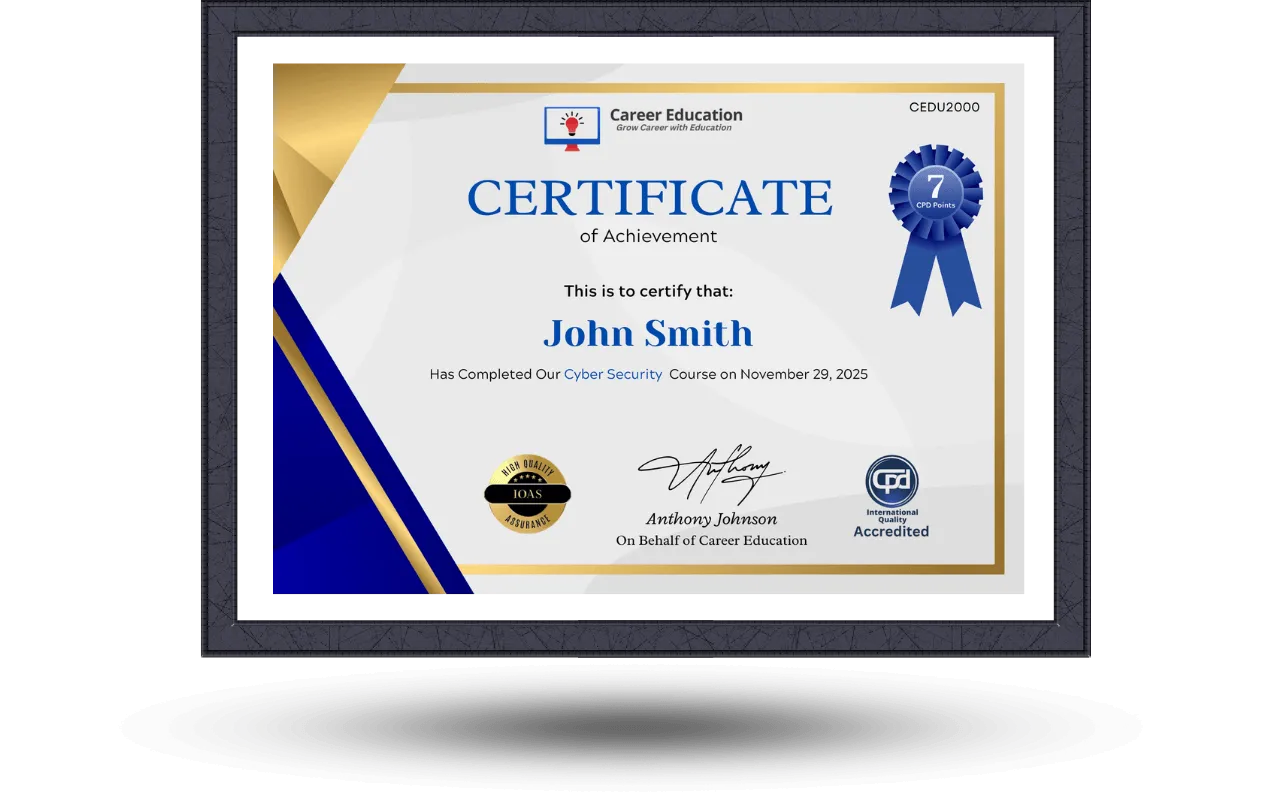
Upon completion of any course, all students are entitled to a CPD IQ Accredited e-certificate that will be issued by Career Education signifying the completion of your course.
After you complete the course and assignment, you will be eligible to order a free certificate accredited by CPD International Quality by completing the form below.
Hardcopy certificates and transcripts are also available for a small additional fee. More information is disclosed upon course completion.
Similar Courses


Frequently Asked Questions
The lifetime membership includes unlimited access to all courses, resources, and updates for a one-time fee.
You can purchase the membership directly from our website using a secure checkout process.
Yes, selected courses can be downloaded for offline access through our mobile app.
Yes, all future updates and new courses are included at no extra cost.
Yes, we offer a 30-day money-back guarantee if you are not satisfied with the membership.