
OFF
Motorized Pallet Jack Safety and Safe Operation
- Lifetime Access
- All Levels
- PDF Certificate
Learn With Confidence









Overview
Motorized Pallet Jack Safety and Safe Operation
Motorized pallet jacks are widely used in warehouses, distribution centres, manufacturing facilities, retail environments, and other workplaces where materials need to be moved efficiently. While these powered material-handling devices can improve productivity and reduce manual effort, improper operation can create serious risks involving collisions, struck-by incidents, falling loads, unstable materials, foot injuries, property damage, and other workplace hazards.
Motorized Pallet Jack Safety and Safe Operation is a practical, outcome-focused course designed to help workers understand how to use motorized pallet jacks responsibly and safely. The course introduces essential operating practices, inspection procedures, load-handling principles, personal protective equipment, hazard awareness, and environmental considerations.
Rather than focusing only on operating controls, this course takes a broader approach to safe material handling. Learners will explore what should be checked before operation, how to move and position loads safely, how to recognise workplace hazards, and how environmental conditions can affect powered pallet jack operation.
Whether you are new to powered pallet jack operation or looking to strengthen your existing workplace safety knowledge, Motorized Pallet Jack Safety and Safe Operation can help you develop greater awareness, confidence, and responsibility when working around powered material-handling equipment.
Why Motorized Pallet Jack Safety and Safe Operation Matters
Powered pallet jacks can make material movement faster and more efficient, but they must be used with care.
Common workplace risks associated with pallet jack operations can include:
-
Collisions with people or equipment.
-
Unstable or falling loads.
-
Overloaded equipment.
-
Restricted visibility.
-
Unexpected movement.
-
Slips and trips.
-
Pinch and crush points.
-
Pedestrian traffic.
-
Uneven surfaces.
-
Narrow aisles.
-
Poor lighting.
-
Doorways and ramps.
-
Battery or charging hazards.
A safe operator needs more than basic knowledge of how to move the equipment.
They need to understand how the equipment works, how to inspect it, how to evaluate loads, how to respond to hazards, and how to operate appropriately for the workplace environment.
Motorized Pallet Jack Safety and Safe Operation addresses these essential areas through seven structured modules.
What You Will Learn
Module 1 – Introduction to Motorized Pallet Jacks
Lesson 1 – Introduction to Motorized Pallet Jacks
The course begins with an introduction to motorized pallet jacks and their role in material-handling operations.
You will learn about:
-
The purpose of motorized pallet jacks.
-
Common applications.
-
Major components.
-
Operating controls.
-
Basic equipment functions.
-
Operator responsibilities.
-
Workplace safety expectations.
-
Common operational hazards.
-
Safe operating principles.
You will develop an understanding of why powered pallet jacks require responsible operation.
Unlike manually operated pallet trucks, motorized equipment can move loads quickly and may have considerable momentum. Operators therefore need to understand how speed, steering, load weight, floor conditions, and surrounding traffic can influence safety.
You will also explore the importance of following the manufacturer’s instructions and workplace procedures.
Outcome: You will understand the basic purpose and functions of motorized pallet jacks and recognise the responsibilities associated with safe equipment operation.
Module 2 – Pre-Operation Inspection
Safe operation begins before the pallet jack moves.
A pre-operation inspection can help identify equipment problems before they become safety issues.
This module focuses on the importance of inspecting powered pallet jacks before use.
You will explore:
-
Pre-operation inspection principles.
-
Checking equipment condition.
-
Steering controls.
-
Braking systems.
-
Wheels and tyres.
-
Forks and load-support components.
-
Warning devices.
-
Emergency controls.
-
Battery condition.
-
Visible damage.
-
Fluid or leakage concerns where applicable.
-
Reporting defects.
-
Removing unsafe equipment from service.
You will learn why operators should not assume that equipment is safe simply because it worked correctly during the previous shift.
Equipment can develop defects between uses, and small problems can become serious if they are ignored.
You will also learn the importance of reporting identified defects through the appropriate workplace process and following manufacturer and employer requirements.
Outcome: You will understand how to conduct an appropriate pre-operation check and recognise when equipment should not be used until a safety concern has been addressed.
Module 3 – Operating Procedures
This module focuses on safe operating practices.
You will learn about:
-
Starting and stopping safely.
-
Steering and manoeuvring.
-
Controlling speed.
-
Maintaining awareness.
-
Travelling in congested areas.
-
Navigating aisles.
-
Approaching intersections.
-
Operating around pedestrians.
-
Entering and exiting areas safely.
-
Maintaining adequate visibility.
-
Parking procedures.
-
Following workplace traffic rules.
You will explore why speed control is particularly important when operating powered material-handling equipment.
Higher speeds can reduce reaction time and make it more difficult to stop or control the equipment, particularly when carrying heavy loads or operating on surfaces with limited traction.
You will also learn why operators should maintain awareness of their surroundings and avoid distractions while operating equipment.
Where visibility is restricted, operators need to follow applicable workplace procedures and use appropriate methods to maintain awareness of people and obstacles.
Outcome: You will develop a stronger understanding of safe operating procedures and learn how to manoeuvre a motorized pallet jack responsibly in different workplace situations.
Module 4 – Load Handling and Stability
The way a load is positioned and transported can significantly affect equipment stability and workplace safety.
This module focuses on safe load handling.
You will explore:
-
Understanding load weight.
-
Checking load condition.
-
Proper load positioning.
-
Load distribution.
-
Centre of gravity.
-
Stable loads.
-
Fork positioning.
-
Pallet condition.
-
Safe travel with loads.
-
Visibility considerations.
-
Avoiding unstable or damaged loads.
-
Safe placement and unloading.
You will learn why loads should be assessed before moving them.
A damaged pallet, unevenly distributed load, excessive weight, or poorly positioned material can increase the likelihood of load movement or instability.
You will also learn the importance of following the equipment’s rated capacity and workplace procedures.
Operators should never assume that a pallet can safely carry a particular load simply because the load physically fits.
Outcome: You will understand the basic principles of load stability and learn how to handle and transport materials in a safer, more controlled manner.
Module 5 – Safety Measures and Personal Protective Equipment (PPE)
Personal protective equipment can provide an additional layer of protection when working around powered material-handling equipment.
This module explores PPE and other safety measures that can support safe pallet jack operations.
You will learn about:
-
Appropriate workplace PPE.
-
Safety footwear.
-
High-visibility clothing where required.
-
Eye protection where applicable.
-
Protective clothing.
-
Equipment-specific protective measures.
-
Safe operator positioning.
-
Maintaining clearances.
-
Avoiding pinch points.
-
Safe pedestrian interaction.
-
Following workplace safety procedures.
You will explore why PPE should not be viewed as the only method of protection.
Safe equipment operation, engineering controls, workplace procedures, training, and hazard identification are all important parts of a comprehensive safety approach.
You will also learn how operator behaviour can influence risk.
Maintaining appropriate positioning, staying alert, following designated routes, and keeping clear of hazardous areas can help reduce exposure to workplace hazards.
Outcome: You will understand the role of PPE and other safety measures and learn how to combine protective equipment with safe operating practices.
Module 6 – Hazard Awareness
A safe operator needs to recognise hazards before they become incidents.
This module focuses on developing hazard awareness around motorized pallet jack operations.
You will explore:
-
Pedestrian hazards.
-
Blind corners.
-
Intersections.
-
Narrow aisles.
-
Obstructed pathways.
-
Uneven surfaces.
-
Slippery floors.
-
Ramps and inclines.
-
Loading areas.
-
Other powered equipment.
-
Stored materials.
-
Doorways.
-
Poor visibility.
-
Pinch and crush points.
You will learn how workplace conditions can change from one moment to another.
A pathway that appears clear at the beginning of a shift may become obstructed later. Pedestrian traffic may increase during certain periods, and temporary materials may create new hazards.
This is why hazard awareness should be continuous rather than limited to the initial equipment inspection.
You will also learn the importance of following workplace traffic management procedures and reporting hazards when appropriate.
Outcome: You will develop stronger hazard-recognition skills and learn how to identify conditions that could increase the risk of collisions, injuries, equipment damage, or load incidents.
Module 7 – Environmental Considerations
The environment in which a motorized pallet jack operates can have a major impact on safety.
This module examines how workplace conditions can affect powered equipment operation.
You will learn about:
-
Floor conditions.
-
Lighting.
-
Temperature.
-
Noise.
-
Weather exposure where applicable.
-
Ramps and inclines.
-
Doorways.
-
Congested work areas.
-
Visibility.
-
Storage arrangements.
-
Charging or designated equipment areas.
-
Changing workplace conditions.
You will explore why operators need to adapt their behaviour to the environment.
For example, wet or slippery surfaces can affect traction and stopping distance. Poor lighting can make it more difficult to identify pedestrians or obstacles. Narrow spaces can require additional caution when manoeuvring.
You will also learn why designated operating areas and workplace procedures are important for controlling environmental risks.
Outcome: You will understand how environmental conditions can affect motorized pallet jack operation and learn to adjust your approach to changing workplace conditions.
Practical Skills You Can Develop
Motorized Pallet Jack Safety and Safe Operation is designed to help learners develop practical safety awareness.
After completing the course, you can develop the ability to:
Understand Equipment Functions
Recognise the basic purpose, components, controls, and responsibilities associated with motorized pallet jacks.
Conduct Pre-Operation Checks
Understand what should be checked before operation and how to respond when equipment defects are identified.
Operate More Safely
Apply appropriate principles for starting, stopping, steering, travelling, manoeuvring, and parking.
Handle Loads Responsibly
Understand how load weight, positioning, distribution, pallet condition, and visibility can affect safe movement.
Use PPE Appropriately
Recognise the role of workplace-required PPE and combine it with other safety controls.
Identify Hazards
Recognise common hazards involving pedestrians, surfaces, intersections, obstacles, other equipment, and workplace traffic.
Respond to Environmental Conditions
Understand how lighting, floor conditions, ramps, congestion, and other environmental factors can influence equipment safety.
Who Is This Course For?
Motorized Pallet Jack Safety and Safe Operation can benefit workers and organisations involved in material handling.
The course is suitable for:
-
Warehouse employees.
-
Distribution centre workers.
-
Manufacturing employees.
-
Retail workers.
-
Logistics personnel.
-
Shipping and receiving employees.
-
Material handlers.
-
Warehouse supervisors.
-
Operations managers.
-
Safety coordinators.
-
New pallet jack operators.
-
Employees who regularly work around powered pallet jacks.
It can also serve as useful safety awareness training for workplaces where motorized pallet jacks are part of daily operations.
Build Safer Material-Handling Habits
Safe operation begins with good habits.
An operator who consistently checks equipment, assesses loads, maintains awareness, follows traffic procedures, controls speed, and responds appropriately to hazards can contribute significantly to workplace safety.
Motorized Pallet Jack Safety and Safe Operation helps reinforce these habits by covering the full operating process—from pre-use inspection to environmental awareness.
Reduce Preventable Risks
Many material-handling incidents can involve factors such as:
-
Inadequate inspection.
-
Excessive speed.
-
Poor visibility.
-
Improper load positioning.
-
Lack of pedestrian awareness.
-
Unsafe surfaces.
-
Failure to report equipment defects.
-
Inadequate hazard recognition.
Developing awareness of these risks can help operators make safer decisions.
The course does not replace equipment-specific instruction, hands-on training, employer procedures, or applicable regulatory requirements. Instead, it provides a structured foundation for understanding safe operating principles.
Promote a Stronger Workplace Safety Culture
Pallet jack safety is not only the responsibility of the individual operator.
Employers, supervisors, maintenance personnel, pedestrians, and other workers all play important roles.
A strong workplace safety culture encourages employees to:
-
Report hazards.
-
Report equipment defects.
-
Follow designated routes.
-
Respect pedestrian areas.
-
Use appropriate PPE.
-
Follow operating procedures.
-
Avoid unsafe shortcuts.
-
Maintain awareness.
-
Support their colleagues.
When these behaviours become part of everyday work, powered material handling can become more controlled and predictable.
Apply Safety Principles in Real Workplace Situations
The knowledge from Motorized Pallet Jack Safety and Safe Operation can be applied to many common workplace scenarios.
For example, before moving a heavy pallet, an operator can consider:
-
Is the equipment suitable for the load?
-
Is the pallet in good condition?
-
Is the load stable?
-
Is the travel path clear?
-
Are pedestrians nearby?
-
Is visibility adequate?
-
Is the floor condition suitable?
-
Are there ramps or uneven surfaces?
-
Does the workplace have specific procedures for this movement?
These questions encourage operators to think proactively rather than simply reacting after a problem occurs.
Why Choose Motorized Pallet Jack Safety and Safe Operation?
The course provides a structured learning experience covering the major areas required for responsible powered pallet jack operation.
The curriculum includes:
-
Introduction to Motorized Pallet Jacks.
-
Pre-Operation Inspection.
-
Operating Procedures.
-
Load Handling and Stability.
-
Safety Measures and PPE.
-
Hazard Awareness.
-
Environmental Considerations.
This progression helps learners understand the entire operating process, from equipment readiness and inspection to safe movement, load handling, hazard recognition, and environmental awareness.
Develop Confidence Through Knowledge
Confidence in material handling should come from knowledge, training, and responsible practice—not from taking unnecessary risks.
Understanding how equipment behaves, recognising potential hazards, and knowing when to stop and seek assistance can help operators make better decisions.
Motorized Pallet Jack Safety and Safe Operation provides learners with the foundational knowledge needed to approach powered pallet jack operations with greater awareness and responsibility.
Start Learning Today
Motorized pallet jacks can be valuable tools for moving materials efficiently, but productivity should never come at the expense of safety.
Motorized Pallet Jack Safety and Safe Operation provides a comprehensive introduction to the principles that support safer powered pallet jack use. From pre-operation inspections and operating procedures to load stability, PPE, hazard awareness, and environmental considerations, the course addresses the key areas operators need to understand.
Whether you are beginning work in a warehouse, refreshing your safety knowledge, supervising material-handling activities, or supporting a workplace safety programme, this course can help you develop a stronger foundation in powered pallet jack safety.
Enrol in Motorized Pallet Jack Safety and Safe Operation today and build the knowledge to inspect equipment, handle loads responsibly, operate with greater awareness, recognise workplace hazards, use appropriate safety measures, and contribute to a safer material-handling environment.
Course Modules
Course Content
Module 1_ Introduction to Motorized Pallet Jacks
-
Lesson 1_ Introduction to Motorized Pallet Jacks
Module 2_ Pre-Operation Inspection
Module 3_ Operating Procedures
Module 4_ Load Handling and Stability
Module 5_ Safety Measures and Personal Protective Equipment (PPE)
Module 6_ Hazard Awareness
Module 7_ Environmental Considerations
What our students say

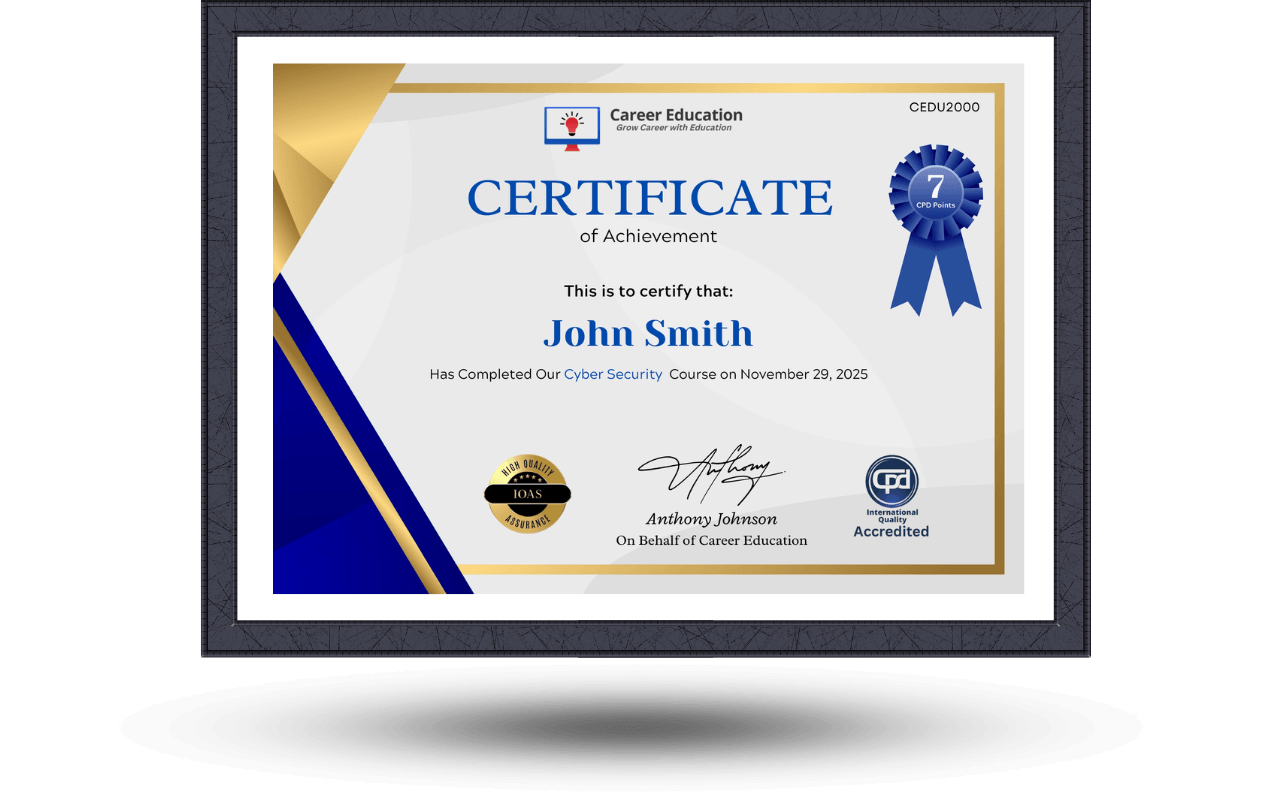
Earn an Accredited Certificate
Upon completion of the course, an e-certificate will be downloadable from Khan Education signifying the completion of your course. But, the course is CPD Accredited and after you complete the assignment, you will be eligible to order a certificate accredited by CPD International Quality for £5.99 only. If you want a hardcopy certificate accredited by CPD IQ, you can get it for only £15.99.
Get your CertificateSimilar Courses


