
94%
OFF
OFF
Mindfulness and Wellbeing
- Lifetime Access
- All Levels
- PDF Certificate
£296
£19
14-Day Money-Back Guarantee
Learn With Confidence









Mindfulness and Wellbeing
Develop Practical Skills for Greater Awareness, Resilience and Everyday Wellbeing
Modern life can feel overwhelming. Busy schedules, constant distractions, academic and professional pressures, and everyday responsibilities can make it difficult to slow down and pay attention to what is happening in the present moment. Mindfulness and Wellbeing offers a practical approach to developing greater awareness, managing thoughts more effectively, and building healthier ways to respond to everyday challenges.
This course introduces learners to the principles of mindfulness and explores how mindful awareness can support emotional balance, clearer thinking and improved wellbeing. Rather than simply focusing on theory, the course explores practical concepts that can be incorporated into everyday life.
You will learn what mindfulness means, how to begin using mindfulness techniques, and how cognitive restructuring can help you recognise and reconsider unhelpful thought patterns. You will also explore the relationship between stress and flow states before discovering why visualisation can be a valuable tool for supporting focus, confidence and personal development.
Whether you want to strengthen your personal wellbeing, develop greater self-awareness, improve your approach to stressful situations, or simply learn practical mindfulness techniques, this course provides a structured introduction to important concepts that can be applied in everyday situations.
What Is Mindfulness?
The first step towards developing mindfulness is understanding what it actually means.
In Mindfulness and Wellbeing, you will explore the fundamental principles of mindfulness and learn about the importance of paying deliberate attention to the present moment. Mindfulness is not about trying to eliminate every thought or emotion. Instead, it involves developing awareness of your experiences and learning to observe them without immediately reacting to them.
This can provide a useful foundation for understanding your own thoughts, feelings and reactions.
By completing this module, you will develop a clearer understanding of:
-
What mindfulness is
-
The basic principles behind mindful awareness
-
The importance of present-moment attention
-
How awareness can influence everyday responses
-
Why mindfulness can be relevant to personal wellbeing
-
How mindful thinking can be incorporated into everyday routines
This understanding can help you approach later modules with a stronger awareness of how your thoughts and reactions influence your experiences.
How to Start Using Mindfulness
Knowing about mindfulness is one thing; learning how to incorporate it into everyday life is another.
The second module focuses on getting started with mindfulness. You will explore practical ways to introduce mindful awareness into your routine without necessarily requiring major changes to your lifestyle.
You will learn how mindfulness can be practised through ordinary activities and moments throughout the day. The focus is on developing greater awareness and creating opportunities to pause, notice and reflect.
By the end of this module, you can expect to have a clearer idea of how to:
-
Begin developing a mindfulness practice
-
Pay greater attention to the present moment
-
Build mindfulness into everyday activities
-
Create opportunities for reflection and awareness
-
Recognise when your attention has become distracted
-
Develop a more intentional approach to your daily experiences
The outcome is a practical foundation that can help you move from simply understanding mindfulness to considering how it can become part of your everyday routine.
Develop Awareness of Your Thinking Patterns
Our thoughts can influence how we interpret situations and how we respond to challenges. Sometimes, people can develop patterns of thinking that make difficult situations feel even more challenging.
The Mindfulness and Wellbeing course introduces cognitive restructuring as a way of examining thought patterns and considering alternative perspectives.
Cognitive Restructuring
Module 3 explores the concept of cognitive restructuring. You will learn about the relationship between thoughts, interpretations and responses and explore why examining the way we think can be useful for personal development.
The aim is not to pretend that difficult situations do not exist. Instead, cognitive restructuring encourages a more considered approach to thinking by helping you identify potentially unhelpful patterns and evaluate them.
Through this module, you will develop an understanding of:
-
What cognitive restructuring means
-
How thoughts can influence responses
-
Why certain thinking patterns may become unhelpful
-
The importance of examining assumptions and interpretations
-
How alternative perspectives can support more balanced thinking
-
How greater awareness can contribute to personal wellbeing
This knowledge can give you a useful framework for reflecting on your thinking and approaching situations with greater awareness.
Learn How to Use Cognitive Restructuring
Understanding a concept is most valuable when you can consider how to apply it.
Module 4, Using Cognitive Restructuring, builds on the previous module by focusing on the practical application of cognitive restructuring. You will explore how the principles introduced earlier can be used when reflecting on thoughts and responses.
This can be particularly useful when you encounter challenging situations, because it encourages you to pause and examine your interpretation rather than automatically accepting your first reaction.
By completing this module, you can develop skills to:
-
Recognise potentially unhelpful thinking patterns
-
Examine the thoughts associated with challenging situations
-
Consider alternative interpretations
-
Develop a more reflective approach to your responses
-
Connect awareness of thoughts with everyday wellbeing
-
Use cognitive restructuring as a personal development technique
These skills can complement mindfulness by combining present-moment awareness with a more deliberate approach to examining your thinking.
Understand Stress and Flow States
Stress can affect concentration, decision-making, motivation and general wellbeing. At the same time, people can sometimes experience periods of deep concentration and engagement where an activity feels particularly absorbing. These experiences are often described as flow states.
Module 5 of Mindfulness and Wellbeing explores stress and flow states, helping you understand two contrasting experiences that can influence how you engage with activities and situations.
You will explore the concept of stress and consider how awareness can help you recognise your responses. You will also learn about flow states and why becoming deeply engaged in an activity can be an important aspect of performance and experience.
This module can help you:
-
Understand the concept of stress
-
Recognise how stress may influence your experiences
-
Explore the characteristics of flow states
-
Understand the importance of concentration and engagement
-
Develop greater awareness of your mental state
-
Consider how mindfulness relates to attention and focus
Greater awareness of stress and concentration can help you reflect on how different circumstances affect your ability to remain focused and engaged.
Discover the Need to Visualize
The final module explores visualisation and why it can be a useful technique for supporting focus, preparation and personal development.
Visualisation involves using mental imagery to represent an experience, goal, situation or desired outcome. When used appropriately, it can provide another way of preparing mentally for activities and developing greater clarity about what you want to achieve.
In The Need to Visualize, you will explore why visualisation can be valuable and how it relates to mindfulness, awareness and personal development.
You will develop an understanding of:
-
What visualisation means
-
Why visualisation can support focus
-
How mental imagery can be used for preparation
-
The relationship between visualisation and personal goals
-
How visualisation can complement other wellbeing techniques
-
Why having a clear mental picture can support purposeful action
The module brings together ideas from throughout the course and provides another practical concept that learners can explore as part of their personal development.
What You Can Gain from Mindfulness and Wellbeing Training
The value of Mindfulness and Wellbeing lies in its practical focus. By working through the course, you can develop a stronger understanding of mindfulness, thought patterns, stress, flow and visualisation.
Potential outcomes include:
Greater Self-Awareness
Mindfulness encourages you to pay closer attention to your thoughts, feelings and experiences. This increased awareness can help you understand your responses to different situations and become more intentional in how you approach them.
More Reflective Thinking
Cognitive restructuring introduces a structured way of examining thoughts and considering alternative perspectives. This can encourage you to think more carefully before responding to challenging situations.
Improved Understanding of Stress
Learning about stress and flow states can help you recognise different mental states and understand how attention, engagement and pressure can influence your experiences.
Stronger Focus and Attention
Mindfulness and visualisation both involve forms of intentional attention. Exploring these techniques can help you develop a more conscious approach to where you direct your attention.
Practical Personal Development
The concepts covered throughout the course can be incorporated into personal reflection and everyday routines, giving you practical ideas to continue developing beyond the learning environment.
Who Is This Course For?
Mindfulness and Wellbeing is suitable for anyone interested in learning more about mindfulness and developing practical knowledge related to personal wellbeing and self-awareness.
It may be particularly useful for:
-
Individuals interested in mindfulness
-
Learners exploring personal development
-
People who want to understand their thinking patterns
-
Individuals interested in stress awareness
-
Those looking to develop greater self-awareness
-
Learners interested in focus and visualisation
-
Anyone seeking an introduction to mindfulness and wellbeing concepts
-
Professionals interested in developing broader personal skills
No advanced background in mindfulness or cognitive restructuring is required. The course provides a structured introduction to the key concepts and allows learners to progress through the subject step by step.
Course Curriculum
Module 1: What Is Mindfulness
Explore the meaning and principles of mindfulness and understand the importance of present-moment awareness.
Module 2: How to Start Using Mindfulness
Discover practical ways to begin incorporating mindfulness into everyday experiences and routines.
Module 3: Cognitive Restructuring
Learn about cognitive restructuring and explore how thoughts and interpretations can influence responses.
Module 4: Using Cognitive Restructuring
Build on your knowledge by exploring how cognitive restructuring can be applied to everyday thinking and reflection.
Module 5: Stress and Flow States
Understand stress and explore the characteristics and importance of flow states, concentration and engagement.
Module 6: The Need to Visualize
Discover the role of visualisation and how mental imagery can support focus, preparation and personal development.
Why Choose Mindfulness and Wellbeing?
Learning about wellbeing is not simply about knowing definitions. It is about developing awareness and practical approaches that can be considered in everyday life.
Mindfulness and Wellbeing brings together several complementary areas of learning. You begin with the foundations of mindfulness, progress into practical mindfulness, then explore cognitive restructuring, stress, flow and visualisation.
This progression gives you an opportunity to develop knowledge in stages rather than approaching each concept in isolation.
The course can help you build a broader understanding of how awareness, thinking patterns, attention and visualisation relate to personal wellbeing.
Turn Knowledge into Everyday Awareness
Personal wellbeing can benefit from greater awareness of how you think, respond and direct your attention. The Mindfulness and Wellbeing course provides an accessible starting point for exploring these areas.
From understanding mindfulness and beginning a practice to exploring cognitive restructuring, stress, flow states and visualisation, each module introduces concepts that can contribute to a more reflective approach to everyday experiences.
If you are ready to expand your understanding of mindfulness and wellbeing and develop practical knowledge for personal growth, this course provides a structured learning journey to get started.
Enrol in Mindfulness and Wellbeing today and begin developing greater awareness, understanding and practical wellbeing skills.
Course Modules
Course Content
Module 1_ What is Mindfulness
-
Lesson 1_ What is Mindfulness
Module 2_How to Start Using Mindfulness
Module 3_Cognitive Restructuring
Module 4_ Using Cognitive Restructuring
Module 5_Stress and Flow States
Module 6_The Need to Visualize
What our students say
Excellent
4.9 average
158 Reviews

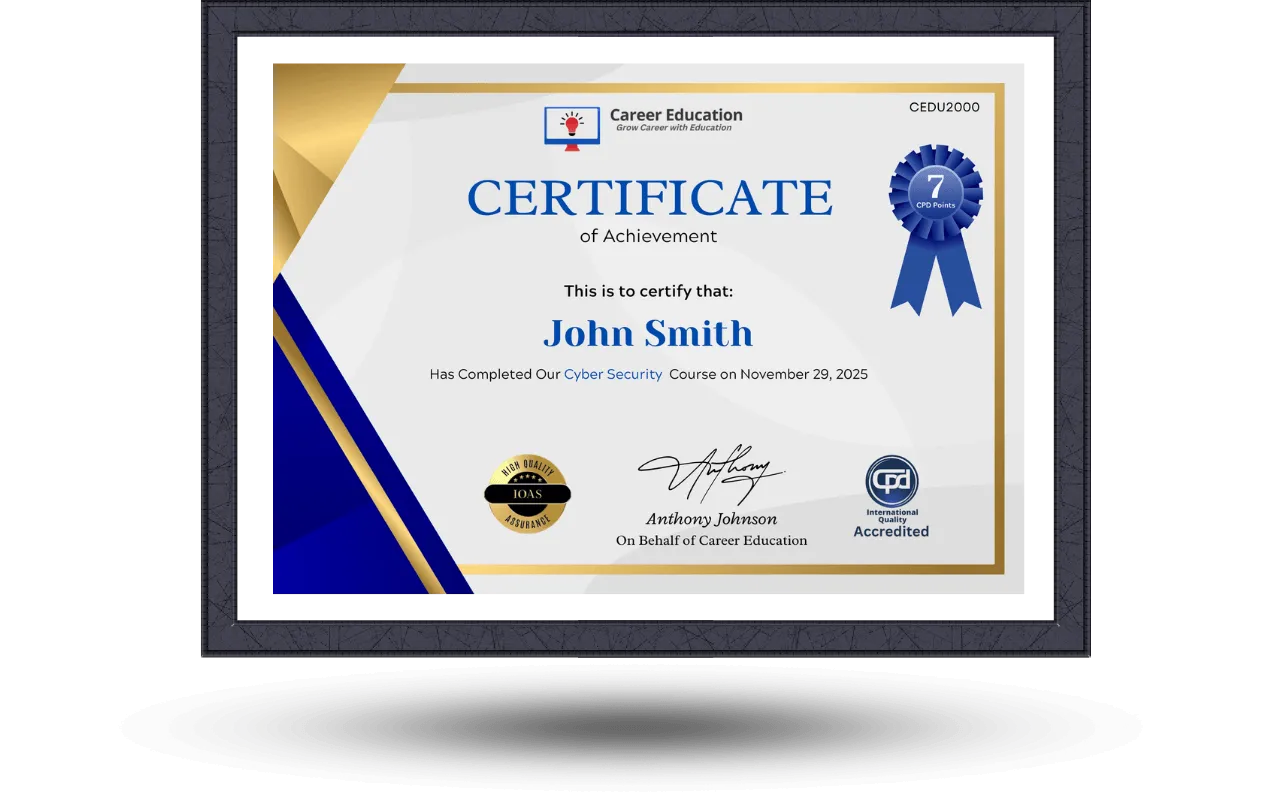
Earn an Accredited Certificate
Upon completion of any course, all students are entitled to a CPD IQ Accredited e-certificate that will be issued by Career Education signifying the completion of your course.
After you complete the course and assignment, you will be eligible to order a free certificate accredited by CPD International Quality by completing the form below.
Hardcopy certificates and transcripts are also available for a small additional fee. More information is disclosed upon course completion.
Similar Courses




Frequently Asked Questions
The lifetime membership includes unlimited access to all courses, resources, and updates for a one-time fee.
You can purchase the membership directly from our website using a secure checkout process.
Yes, selected courses can be downloaded for offline access through our mobile app.
Yes, all future updates and new courses are included at no extra cost.
Yes, we offer a 30-day money-back guarantee if you are not satisfied with the membership.