
94%
OFF
OFF
Mechanical Engineering
- Lifetime Access
- All Levels
- PDF Certificate
£296
£19
14-Day Money-Back Guarantee
Learn With Confidence









Mechanical Engineering
Build Practical Engineering Knowledge for Real-World Applications
Mechanical Engineering is at the heart of many of the technologies, machines, products, vehicles, manufacturing systems, and energy solutions used every day. From designing mechanical components and understanding materials to analysing forces, managing energy systems, working with fluid behaviour, and developing automated technologies, mechanical engineering combines scientific principles with practical problem-solving.
This Mechanical Engineering course is designed to help learners develop a broad foundation across essential engineering disciplines. Rather than focusing only on theory, the course is structured around knowledge and skills that can support practical understanding, technical decision-making, and continued professional development.
Whether you are beginning your engineering journey, looking to strengthen your technical knowledge, or want to understand how mechanical systems are designed and operated, this course provides a structured introduction to key areas of mechanical engineering.
What Is Mechanical Engineering?
Mechanical engineering is a broad engineering discipline concerned with the design, analysis, manufacture, operation, and maintenance of mechanical systems and devices. It draws on mathematics, physics, materials science, mechanics, thermodynamics, fluid dynamics, computer-aided design, control systems, and energy engineering.
Mechanical engineers can contribute to many different industries, including manufacturing, automotive, aerospace, energy, construction, robotics, product development, engineering services, and technology.
A strong understanding of Mechanical Engineering therefore provides knowledge that can be relevant across a wide range of technical environments.
This course introduces learners to the major principles that underpin the discipline, helping you understand not just individual engineering concepts, but how those concepts connect when solving engineering problems.
What You Will Learn
By completing this Mechanical Engineering course, you can develop knowledge in:
-
Fundamental mechanical engineering principles and terminology
-
Engineering mathematics and physics
-
Materials and their engineering properties
-
Mechanics and solid mechanics
-
Fluid mechanics and heat transfer
-
Engineering design principles and CAD
-
Control systems and robotics
-
Thermofluids and energy systems
-
Engineering analysis and technical problem-solving
-
The relationship between different mechanical engineering disciplines
The curriculum progresses from foundational concepts towards more specialised areas, giving you a logical learning journey.
Module 1: Introduction to Mechanical Engineering
The course begins by establishing a strong foundation in Mechanical Engineering.
You will explore the role of mechanical engineering and how it contributes to the development of machines, components, products, systems, and industrial processes. Understanding the scope of the discipline is important because mechanical engineering combines several technical fields rather than relying on a single area of knowledge.
This module helps you become familiar with important engineering concepts and terminology while developing an understanding of how mechanical engineers approach technical challenges.
By the end of this module, you can have a clearer picture of the mechanical engineering profession and the major areas that make up the discipline.
Module 2: Mathematics and Physics for Engineers
Mathematics and physics provide the foundations for engineering analysis. Engineers use mathematical and physical principles to understand how systems behave, calculate performance, assess forces, and make informed design decisions.
This module introduces the mathematical and physics concepts relevant to engineering applications. Developing confidence in these areas can help you understand more advanced mechanical engineering subjects throughout the course.
You will gain a better understanding of how mathematical relationships and physical laws can be applied to engineering problems.
The outcome is a stronger technical foundation for analysing mechanical systems and interpreting engineering information.
Module 3: Materials Science and Engineering
Choosing the right material is an important part of mechanical engineering design. Different materials have different characteristics, strengths, limitations, and applications.
In this module, you will explore the principles of materials science and engineering, developing an understanding of how material properties influence engineering decisions.
You will learn why factors such as strength, durability, performance, and material behaviour matter when designing mechanical components and systems.
This knowledge can help you appreciate the relationship between material selection and engineering performance, supporting more informed thinking when considering components, products, and structures.
Module 4: Mechanics and Solid Mechanics
Mechanics provides a fundamental framework for understanding how forces affect objects and mechanical systems.
This module introduces mechanics and solid mechanics, helping you understand the behaviour of components when subjected to different forces and loading conditions.
You will explore important principles used when analysing mechanical structures and components. Understanding these concepts can help you recognise how engineers assess whether a component or structure can perform effectively under expected conditions.
The knowledge gained here supports later learning in engineering design and analysis, providing an important connection between theoretical principles and practical mechanical applications.
Module 5: Fluid Mechanics and Heat Transfer
Fluids and heat are involved in countless engineering systems, from engines and pumps to heating and cooling equipment, industrial machinery, and energy technologies.
This module introduces the principles of fluid mechanics and heat transfer. You will develop an understanding of how fluids behave and how heat moves through engineering systems.
By studying these principles, you can better understand the operation of systems where fluid flow, temperature, heating, cooling, or energy transfer are important considerations.
The module provides valuable knowledge for understanding applications across mechanical, manufacturing, energy, automotive, and other engineering environments.
Module 6: Engineering Design and CAD
Engineering is not only about understanding how systems work—it is also about designing effective solutions.
This module introduces engineering design and computer-aided design (CAD), providing insight into how engineering ideas can be developed and represented.
You will explore the principles involved in engineering design and the role CAD plays in modern engineering workflows. CAD technologies allow engineers to create and communicate detailed representations of components and systems, supporting design development and technical collaboration.
By learning about engineering design and CAD, you can develop a stronger appreciation of how technical concepts can be transformed into practical designs.
This knowledge can be particularly valuable for learners interested in product development, manufacturing, mechanical design, and engineering technology.
Module 7: Control Systems and Robotics
Modern mechanical engineering increasingly overlaps with automation, robotics, electronics, and intelligent systems.
This module introduces control systems and robotics, helping you understand how automated mechanical systems can be controlled and operated.
You will explore the relationship between mechanical systems and control technologies, gaining insight into how automated processes can be designed to perform specific functions.
The module can help you understand the growing role of automation in modern engineering environments and how robotics can be integrated into mechanical applications.
This provides a useful foundation for learners interested in manufacturing automation, robotics, engineering technology, and advanced mechanical systems.
Module 8: Thermofluids and Energy Systems
The final module brings together important concepts relating to thermofluids and energy systems.
Energy is central to many mechanical engineering applications. Engines, turbines, heating and cooling systems, industrial processes, and energy technologies all depend on principles involving energy conversion and transfer.
This module helps you develop a broader understanding of thermofluid systems and their role in engineering.
You will explore concepts that connect thermal processes, fluid behaviour, and energy systems, helping you see how different areas of mechanical engineering work together in real-world applications.
By completing this module, you can develop a more integrated understanding of mechanical engineering principles and their relevance to energy-related systems.
Develop a Broader Engineering Perspective
One of the key benefits of studying Mechanical Engineering is the opportunity to understand how different technical disciplines connect.
Mathematics supports engineering calculations. Physics helps explain system behaviour. Materials science influences component selection. Mechanics helps engineers understand forces and movement. Fluid mechanics and heat transfer explain important physical processes. CAD supports design and visualisation. Control systems enable automation, while thermofluids and energy systems connect engineering principles with energy conversion and management.
Together, these subjects provide a more complete picture of mechanical engineering.
Rather than studying isolated concepts, you can develop an understanding of how engineers combine different areas of knowledge to approach technical challenges.
Practical Outcomes of the Course
After completing this Mechanical Engineering course, you can have a stronger foundation for understanding mechanical engineering concepts and applications.
You can develop the ability to:
-
Explain key principles of mechanical engineering
-
Understand the role of mathematics and physics in engineering
-
Recognise important material properties and engineering considerations
-
Understand how forces affect mechanical components
-
Explore the principles behind fluid flow and heat transfer
-
Understand the purpose of engineering design and CAD
-
Describe the role of control systems and robotics
-
Understand fundamental thermofluid and energy system concepts
-
Connect theoretical engineering principles with practical applications
-
Build a foundation for further learning in specialised engineering subjects
These outcomes can support further study and help learners develop greater confidence when engaging with engineering-related concepts.
Who Can Benefit From This Course?
This Mechanical Engineering course can be suitable for learners who want to develop a broad understanding of mechanical engineering without beginning with a highly specialised subject.
It may be useful for:
-
Beginners exploring mechanical engineering
-
Students preparing for further engineering study
-
Professionals seeking broader technical knowledge
-
Individuals interested in engineering design and manufacturing
-
Learners interested in robotics and automation
-
People exploring careers in mechanical and engineering-related industries
-
Anyone wanting to understand how mechanical systems operate
-
Professionals looking to expand their technical development
The course can also serve as a useful starting point for learners who are considering which area of engineering they would like to explore further.
Why Study Mechanical Engineering?
Mechanical engineering remains closely connected to innovation and technological development. Machines, manufacturing processes, transportation technologies, energy systems, automated equipment, and countless everyday products depend on mechanical engineering principles.
Developing knowledge in this field can therefore provide a valuable technical foundation.
The multidisciplinary nature of Mechanical Engineering is another major advantage. Instead of concentrating on one narrow topic, this course introduces several areas that work together in engineering practice.
This broad perspective can help you identify areas that interest you most and guide your future learning.
Build Confidence in Engineering Concepts
Technical subjects can appear complex when studied without a clear structure. A well-organised learning pathway can make it easier to understand how individual concepts relate to one another.
This course takes you from an introduction to mechanical engineering through mathematics, physics, materials, mechanics, fluids, heat transfer, design, CAD, control systems, robotics, thermofluids, and energy systems.
As you progress through the modules, you can build your knowledge step by step and develop a more connected understanding of the subject.
Support Your Future Learning and Career Development
A foundation in Mechanical Engineering can be useful when progressing towards more specialised areas of engineering study.
Depending on your interests and future goals, you may choose to explore subjects such as mechanical design, manufacturing engineering, automotive engineering, aerospace engineering, robotics, automation, energy engineering, thermal engineering, or engineering management.
The course can provide foundational knowledge that supports this continued development.
It is important to remember that completing a course does not automatically qualify someone for a regulated engineering role. Specific engineering careers may require additional academic qualifications, practical experience, professional registration, or industry-specific requirements. However, developing foundational knowledge can be a valuable step in a longer learning journey.
Start Building Your Mechanical Engineering Knowledge
Mechanical engineering brings together science, mathematics, design, technology, and practical problem-solving to create and improve the systems that power modern life.
This Mechanical Engineering course gives you the opportunity to explore those foundations across eight carefully structured modules. From understanding basic engineering principles to exploring materials, mechanics, fluid systems, CAD, robotics, and energy technologies, you can develop a broad technical perspective that supports further learning and professional development.
If you want to understand how mechanical systems are analysed, designed, controlled, and connected to wider energy and technological systems, this course provides a strong place to begin.
Start your Mechanical Engineering learning journey today and build knowledge that can support your future studies, technical development, and engineering ambitions.
Course Modules
Course Content
Module 1_ Introduction to Mechanical Engineering
-
Lesson 1_ Introduction to Mechanical Engineering
Module 2_ Mathematics and Physics for Engineers
Module 3_ Materials Science and Engineering
Module 4_ Mechanics and Solid Mechanics
Module 5_ Fluid Mechanics and Heat Transfer
Module 6_ Engineering Design and CAD
Module 7_ Control Systems and Robotics
Module 8_ Thermofluids and Energy Systems
What our students say
Excellent
4.9 average
158 Reviews

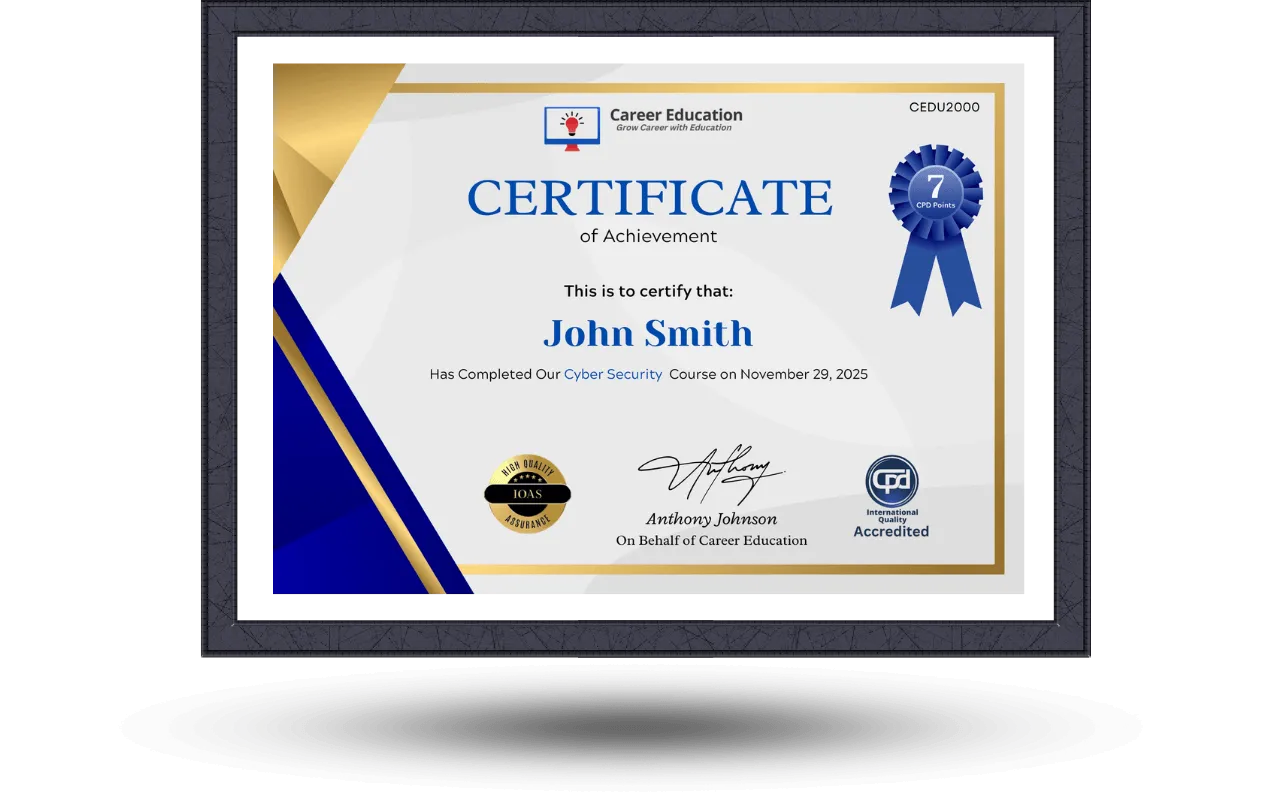
Earn an Accredited Certificate
Upon completion of any course, all students are entitled to a CPD IQ Accredited e-certificate that will be issued by Career Education signifying the completion of your course.
After you complete the course and assignment, you will be eligible to order a free certificate accredited by CPD International Quality by completing the form below.
Hardcopy certificates and transcripts are also available for a small additional fee. More information is disclosed upon course completion.
Similar Courses




Frequently Asked Questions
The lifetime membership includes unlimited access to all courses, resources, and updates for a one-time fee.
You can purchase the membership directly from our website using a secure checkout process.
Yes, selected courses can be downloaded for offline access through our mobile app.
Yes, all future updates and new courses are included at no extra cost.
Yes, we offer a 30-day money-back guarantee if you are not satisfied with the membership.