
OFF
Mastering Listening Skills
- Lifetime Access
- All Levels
- PDF Certificate
Learn With Confidence





Overview
# Mastering Listening Skills
## Become a More Attentive, Understanding and Effective Communicator
Listening is one of the most important communication skills in both professional and personal life, yet it is often overlooked. Many people can hear words without truly understanding the message, intention or emotions behind them. Effective listening requires attention, concentration, interpretation and a genuine willingness to understand another person’s perspective.
**Mastering Listening Skills** is designed to help you develop the practical ability to listen more effectively, understand others more accurately and communicate with greater confidence. Whether you are working with colleagues, leading a team, serving customers, managing relationships or participating in everyday conversations, stronger listening skills can help you build trust, reduce misunderstandings and respond more thoughtfully.
This course takes an outcome-focused approach to listening. Rather than simply explaining why listening matters, it explores practical techniques you can use to become a more attentive and engaged listener. You will examine verbal and non-verbal communication, develop active listening techniques, improve concentration and focus, explore cultural and contextual differences and learn how to overcome common barriers that interfere with effective listening.
By completing **Mastering Listening Skills**, you can develop a stronger foundation for meaningful conversations and more productive communication.
## Why Mastering Listening Skills Matters
Communication is not simply about expressing your own thoughts. It is also about understanding what other people are trying to communicate.
Poor listening can lead to misunderstandings, missed information, unnecessary conflict and damaged relationships. In the workplace, ineffective listening can affect teamwork, customer service, leadership, meetings and decision making. In personal interactions, it can create frustration when people feel ignored or misunderstood.
**Mastering Listening Skills** helps you develop a more intentional approach to communication. You will learn how to give conversations your full attention, recognise important verbal and non-verbal signals and respond in ways that demonstrate genuine understanding.
Good listening can also make communication more efficient. When you understand information correctly the first time, you can reduce the need for repeated explanations and avoid preventable mistakes.
## What You Will Learn
The course contains seven focused modules designed to develop your listening ability progressively, from foundational concepts to practical strategies for overcoming listening challenges.
### Module 1 – Introduction to Listening Skills
The course begins with the fundamentals of effective listening.
In **Introduction to Listening Skills**, you will explore the difference between simply hearing information and actively listening to it. You will examine why listening is a fundamental part of effective communication and how it can influence relationships, collaboration and understanding.
You will consider the role of attention, interpretation and response in the listening process. Effective listening involves more than remaining silent while another person speaks. It requires mental engagement and a genuine effort to understand the message being communicated.
This module will help you recognise your existing listening habits and understand why improving them can have a positive impact on your communication.
By developing a strong foundation, you will be better prepared to apply the practical listening techniques introduced throughout the rest of the course.
### Module 2 – Verbal Aspects of Listening
Words provide important information, but effective listeners pay attention to more than individual sentences.
**Verbal Aspects of Listening** focuses on how spoken language can be understood more accurately. You will explore the importance of tone, phrasing, questions, clarification and verbal responses during conversations.
You will learn why asking appropriate questions can improve understanding and how paraphrasing or summarising can help confirm that you have understood someone’s message correctly.
You will also consider the importance of allowing people to complete their thoughts before responding. Interrupting, preparing your answer too early or making assumptions can prevent genuine understanding.
This module will help you become more deliberate in the way you process spoken information and respond to conversations.
As a result, you can develop clearer, more productive interactions and reduce the likelihood of misunderstandings.
### Module 3 – Non-verbal Aspects of Listening
Not everything communicated during a conversation is expressed through words.
**Non-verbal Aspects of Listening** explores the importance of body language, facial expressions, posture, eye contact and other non-verbal signals. You will learn how these signals can provide additional context and help you understand how a person may be responding to a conversation.
You will also examine how your own non-verbal behaviour can influence whether others feel that you are genuinely listening.
For example, distracted body language, repeatedly checking a device or avoiding engagement can communicate disinterest even when you are verbally saying that you are listening. On the other hand, appropriate eye contact, attentive posture and relevant facial expressions can demonstrate engagement.
This module will help you become more aware of the non-verbal side of communication and use it more effectively when interacting with others.
### Module 4 – Active Listening Techniques
Active listening is at the heart of effective communication.
In **Active Listening Techniques**, you will explore practical approaches for becoming more engaged in conversations. Active listening involves giving attention to the speaker, seeking understanding, recognising important information and responding appropriately.
You will explore techniques such as asking clarifying questions, paraphrasing, summarising, reflecting key points and providing appropriate verbal and non-verbal feedback.
You will also learn how active listening can help build trust. When people feel genuinely heard, they may be more willing to share information, discuss concerns and participate in constructive conversations.
These skills can be especially valuable in professional environments where effective communication is essential to teamwork, leadership, customer service and problem solving.
By applying active listening techniques consistently, you can improve the quality and effectiveness of your conversations.
### Module 5 – Improving Concentration and Focus
One of the biggest challenges to effective listening is distraction.
**Improving Concentration and Focus** explores ways to maintain attention during conversations and absorb important information more effectively. You will examine how internal distractions, external interruptions, multitasking and mental fatigue can affect your ability to listen.
You will learn why giving someone your full attention can improve both understanding and communication quality. You will also explore practical approaches to remaining mentally present during conversations, meetings and discussions.
Improving listening concentration is particularly important in situations where information is detailed, complex or important. Missing a small piece of information can sometimes change the meaning of an entire conversation.
This module will help you develop stronger habits for maintaining attention and reducing distractions so that you can become a more focused listener.
### Module 6 – Cultural and Contextual Considerations
Effective listening requires awareness that people communicate in different ways.
**Cultural and Contextual Considerations** explores how cultural backgrounds, professional environments, social expectations and individual experiences can influence communication and interpretation.
You will consider how differences in communication styles can affect the way messages are expressed and understood. What may be considered direct communication in one context may be interpreted differently in another.
This module encourages you to avoid making immediate assumptions and instead consider the broader context of a conversation. Developing cultural awareness can help you become more flexible and respectful when communicating with people who have different perspectives and communication preferences.
You will gain a stronger understanding of why effective listening requires curiosity, openness and a willingness to clarify meaning rather than relying on assumptions.
These skills can be particularly valuable in diverse workplaces and multicultural professional environments.
### Module 7 – Overcoming Listening Barriers
Even experienced communicators can encounter barriers that interfere with effective listening.
In **Overcoming Listening Barriers**, you will identify common obstacles such as distractions, assumptions, emotional reactions, impatience, selective attention, preconceived opinions and information overload.
You will explore practical ways to recognise these barriers and develop strategies to minimise their impact.
For example, if you are already planning your response while someone is speaking, you may miss important details. If you make assumptions about what someone means before they finish explaining, you may interpret their message incorrectly.
By recognising these patterns, you can become more intentional about how you listen.
This final module brings together the knowledge developed throughout the course and helps you apply listening strategies more consistently in real-world communication situations.
## Practical Outcomes of the Course
The purpose of **Mastering Listening Skills** is to provide practical knowledge that can be used immediately in everyday communication.
After completing the course, you will be better prepared to:
* Understand the fundamental principles of effective listening.
* Distinguish between hearing information and actively listening.
* Pay closer attention to spoken messages.
* Use appropriate verbal responses during conversations.
* Ask questions that improve clarity and understanding.
* Paraphrase and summarise information more effectively.
* Recognise relevant non-verbal communication signals.
* Demonstrate attentiveness through appropriate body language.
* Apply active listening techniques in professional and personal situations.
* Improve concentration during conversations and meetings.
* Reduce distractions that interfere with listening.
* Recognise the influence of cultural and contextual differences.
* Avoid making unnecessary assumptions about other people’s messages.
* Identify common barriers to effective listening.
* Respond more thoughtfully rather than reacting automatically.
* Build stronger communication and professional relationships.
* Reduce misunderstandings through clearer listening and clarification.
* Become a more attentive, patient and confident communicator.
## Who Is This Course For?
**Mastering Listening Skills** is suitable for anyone who wants to improve the way they communicate and understand others.
It can be particularly valuable for:
* Managers and team leaders.
* Supervisors and workplace professionals.
* Customer service professionals.
* Sales and business development professionals.
* Teachers, trainers and educators.
* Coaches and mentors.
* Human resources professionals.
* Healthcare and support professionals.
* Professionals who regularly participate in meetings.
* People working in multicultural environments.
* Students and graduates preparing for professional careers.
* Anyone interested in improving everyday communication.
No matter your profession or level of experience, listening is a transferable skill that can support better interactions across many areas of life.
## Become a More Effective Workplace Communicator
Listening is particularly important in professional environments. Meetings, presentations, team discussions, customer interactions and one-to-one conversations all depend on the ability to understand information accurately.
**Mastering Listening Skills** can help you approach workplace communication with greater awareness. Instead of simply waiting for your opportunity to speak, you can learn to focus on understanding the information being shared.
Better listening can support stronger teamwork because colleagues are more likely to understand expectations, concerns and ideas. It can also contribute to better leadership by helping managers understand the perspectives and needs of their teams.
In customer-facing roles, effective listening can help professionals understand what customers are actually asking for rather than responding to assumptions.
## Strengthen Relationships Through Genuine Listening
People generally want to feel heard and understood. Giving someone your attention can demonstrate respect and help establish stronger relationships.
Throughout **Mastering Listening Skills**, you will learn how active listening can create more meaningful conversations. By asking appropriate questions, acknowledging important points and avoiding unnecessary interruptions, you can show others that their communication matters.
This can be valuable when handling disagreements, discussing concerns or simply having everyday conversations.
Listening does not mean agreeing with everything another person says. Instead, it means making a genuine effort to understand their perspective before forming a response.
## Improve Focus and Reduce Misunderstandings
Modern communication environments can be full of distractions. Notifications, multitasking, background noise and competing thoughts can all reduce attention.
Developing stronger listening habits can help you become more present during important conversations. By improving your concentration and recognising common listening barriers, you can increase your ability to process information accurately.
This can lead to clearer conversations, fewer misunderstandings and more effective responses.
## Develop Communication Skills That Last
Listening is not a skill that should only be used in formal communication situations. It can become part of your everyday approach to interacting with people.
The principles covered in **Mastering Listening Skills** can be applied during meetings, interviews, presentations, workplace discussions, customer conversations, family interactions and countless other situations.
The more consistently you practise effective listening, the more naturally these behaviours can become part of your communication style.
## Take the Next Step Towards Better Communication
Effective communication begins with understanding, and understanding begins with listening.
**Mastering Listening Skills** provides a practical foundation for becoming a more attentive, focused and thoughtful listener. From understanding the fundamentals of listening and recognising verbal and non-verbal signals to applying active listening techniques, improving concentration, navigating cultural differences and overcoming communication barriers, the course covers the key skills needed for more effective listening.
By investing in your listening ability, you can strengthen workplace communication, build better relationships, reduce misunderstandings and respond to others with greater clarity and confidence.
Whether you want to become a better leader, improve teamwork, communicate more effectively with customers or simply develop stronger interpersonal skills, **Mastering Listening Skills** can help you take meaningful steps towards becoming a more effective communicator.
**Start Mastering Listening Skills today and discover how better listening can lead to clearer communication, stronger relationships and more confident interactions.**
Course Modules
Course Content
Module 1_ Introduction to Listening Skills
-
Lesson 1_ Introduction to Listening Skills
Module 2_ Verbal Aspects of Listening
Module 3_ Non-verbal Aspects of Listening
Module 4_ Active Listening Techniques
Module 5_ Improving Concentration and Focus
Module 6_ Cultural and Contextual Considerations
Module 7_ Overcoming Listening Barriers
What our students say

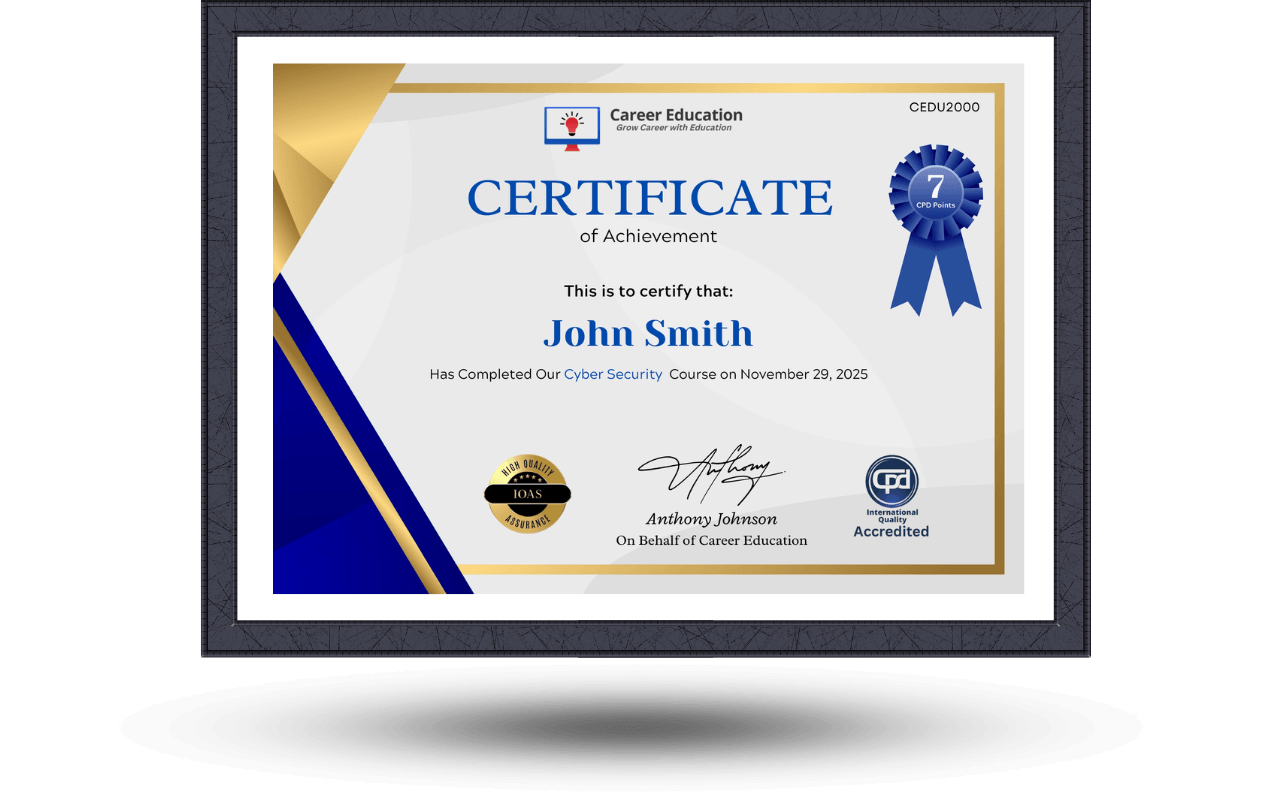
Earn an Accredited Certificate
Upon completion of the course, an e-certificate will be downloadable from Khan Education signifying the completion of your course. But, the course is CPD Accredited and after you complete the assignment, you will be eligible to order a certificate accredited by CPD International Quality for £5.99 only. If you want a hardcopy certificate accredited by CPD IQ, you can get it for only £15.99.
Get your CertificateSimilar Courses


