
94%
OFF
OFF
Manual Handling Safety and Techniques
- Lifetime Access
- All Levels
- PDF Certificate
£296
£19
14-Day Money-Back Guarantee
Learn With Confidence








Manual Handling Safety and Techniques
Manual handling is part of many everyday workplace activities, from lifting and carrying supplies to moving equipment, boxes, and other objects. Without the right knowledge and techniques, these tasks can create unnecessary risks and contribute to workplace injuries. The Manual Handling Safety and Techniques course is designed to help learners understand the principles of safe manual handling, recognise potential hazards, assess risks, and apply safer handling practices in the workplace.
Whether you are new to the workplace, responsible for moving items as part of your role, or looking to strengthen your existing workplace safety knowledge, this course provides practical guidance that can help you approach manual handling tasks more safely and confidently.
Why Manual Handling Safety Matters
Manual handling injuries can affect employees across a wide range of industries. Poor lifting techniques, awkward postures, repetitive movements, unsuitable working environments, and attempting to move loads that are difficult to handle can all increase workplace risk.
Understanding safe manual handling is therefore about more than simply knowing how to lift an object. It involves identifying hazards before starting a task, considering the characteristics of the load and working environment, choosing an appropriate approach, and using good handling techniques.
The Manual Handling Safety and Techniques course takes a comprehensive approach to these principles. Learners explore the causes and prevention of manual handling injuries, workplace risk assessments, relevant legislation, maximum lifting considerations, handling techniques, and practical approaches to safer manual handling.
What You Will Learn
The course is structured into eight modules, taking learners from the fundamentals of manual handling through to practical safe handling guidance.
Module 1 – Introduction to Manual Handling
The first module introduces the key concepts behind manual handling and explains why safe practices are important in the workplace.
You will develop an understanding of what manual handling involves and how everyday workplace activities can create handling risks. This foundation helps you recognise that manual handling is not limited to lifting heavy objects. Carrying, pushing, pulling, moving, positioning, and other physical tasks may also require careful consideration.
By completing this module, you can build a stronger awareness of manual handling responsibilities and begin approaching physical tasks with greater attention to safety.
Module 2 – Manual Handling Injuries and Prevention
Manual handling can contribute to different types of workplace injuries, particularly when tasks are performed repeatedly or without suitable precautions.
This module explores manual handling injuries and the factors that can contribute to them. You will learn about prevention strategies and how safer working practices can help reduce unnecessary risks.
The focus is on developing practical awareness so that you can identify potentially unsafe behaviours and understand why correct handling methods are important. You will also gain knowledge that can help you make more informed decisions when carrying out physical tasks.
Module 3 – Manual Handling Risk Assessments
Effective risk assessment is an important part of workplace safety. Before moving a load, it is useful to consider the task, the individual carrying it out, the load itself, and the surrounding environment.
In this module, you will explore manual handling risk assessments and learn how potential hazards can be identified and evaluated.
You will develop an understanding of how factors such as load characteristics, working conditions, available space, posture, movement, and task requirements can influence risk. This knowledge can help you take a more structured approach to identifying hazards before beginning manual handling activities.
Module 4 – Manual Handling Legislation
Workplace safety is supported by legislation and employer responsibilities designed to reduce risks to workers.
This module introduces the legal considerations associated with manual handling. You will learn why understanding workplace requirements is important and how legislation relates to the management of manual handling risks.
Rather than viewing safety rules as simply a set of requirements, the course helps you understand their role in creating safer working environments. This knowledge can help employees recognise their responsibilities and appreciate the importance of following appropriate workplace procedures.
Module 5 – The Maximum Weight You Can Lift
A common misconception about manual handling is that there is one universal maximum weight that everyone can safely lift. In reality, the safety of a manual handling task depends on several factors, including the individual, the load, the task, and the working environment.
This module examines considerations surrounding lifting weights and helps learners understand why weight should not be considered in isolation.
You will explore the importance of assessing the circumstances of a lift rather than relying solely on a particular number. This can help you make safer decisions and recognise when additional controls, equipment, assistance, or alternative handling methods may be appropriate.
Module 6 – Risk at Work
Manual handling risks do not exist in isolation. The wider workplace environment can influence how safely a task can be completed.
This module looks at workplace risks associated with manual handling and encourages learners to consider the conditions surrounding a task. Factors such as the available workspace, floor conditions, obstacles, equipment, working practices, and task organisation can all affect safety.
By understanding these risks, you can become more aware of potential problems before they lead to incidents or injuries. The knowledge gained can support a more proactive approach to workplace safety.
Module 7 – Good Handling Technique
Knowing how to approach a manual handling task correctly is essential for reducing unnecessary strain and improving safety.
This module focuses on good handling techniques and provides learners with practical principles for carrying out manual handling tasks more safely.
You will learn how to prepare for a handling task, consider the load and environment, and use appropriate body positioning and movement. The emphasis is on applying sensible techniques rather than rushing or relying on physical strength alone.
The skills covered in this module can help you develop safer habits that can be applied to suitable manual handling activities in everyday workplace situations.
Module 8 – A Guide to Safe Manual Handling
The final module brings together the key concepts covered throughout the course and provides guidance on safe manual handling.
You will consolidate your understanding of risk assessment, injury prevention, workplace risks, legislation, lifting considerations, and good handling techniques.
By the end of the module, you should have a clearer understanding of how to approach manual handling tasks systematically and how to recognise when a task may require additional precautions.
Outcomes of the Manual Handling Safety and Techniques Course
Completing the Manual Handling Safety and Techniques course can help you develop practical knowledge that supports safer workplace practices.
By the end of the course, you can expect to:
-
Understand the fundamentals of manual handling and workplace safety.
-
Recognise common risks associated with manual handling activities.
-
Identify factors that may contribute to manual handling injuries.
-
Understand practical approaches to preventing avoidable handling injuries.
-
Develop awareness of manual handling risk assessment principles.
-
Understand the importance of relevant workplace legislation.
-
Recognise why there is no single lifting limit suitable for every situation.
-
Assess workplace conditions that may increase manual handling risks.
-
Understand the principles of good manual handling technique.
-
Apply safer approaches when preparing for and carrying out suitable handling tasks.
-
Develop greater confidence in recognising manual handling hazards.
-
Understand when alternative controls, equipment, or assistance may be appropriate.
Who Can Benefit from This Course?
The Manual Handling Safety and Techniques course can be useful for anyone whose role involves lifting, carrying, moving, pushing, pulling, or positioning objects as part of their work.
It may be particularly relevant to employees and learners working in environments such as:
-
Warehousing and logistics
-
Retail
-
Manufacturing
-
Construction
-
Hospitality
-
Facilities management
-
Cleaning and maintenance
-
Healthcare and care environments
-
Offices and workplaces where equipment or supplies are moved
-
Other occupations involving manual handling activities
The course can also be useful for individuals who want to improve their general workplace health and safety knowledge or prepare themselves for roles where manual handling awareness is important.
Build Safer Workplace Habits
Safe manual handling is not simply about completing a task as quickly as possible. It is about recognising potential hazards, planning the task, considering the risks, and selecting a suitable method for completing the work.
Small improvements in awareness can make a meaningful difference to how physical tasks are approached. Understanding the principles covered in the Manual Handling Safety and Techniques course can help learners become more conscious of unsafe practices and make better-informed decisions during appropriate workplace activities.
The course also reinforces the importance of considering the entire situation rather than focusing only on the weight of an object. A relatively light load can still present risks if it is awkward to handle, difficult to grip, positioned in an unsuitable location, or moved repeatedly. Similarly, workplace conditions can affect the safety of a task.
Improve Your Workplace Safety Knowledge
Investing in workplace safety knowledge can benefit both individuals and organisations. Employees who understand manual handling principles are better positioned to recognise hazards, follow workplace procedures, and contribute to a safer working environment.
The Manual Handling Safety and Techniques course provides a structured learning experience covering the essential principles of manual handling safety, from introductory concepts and injury prevention to risk assessment, legislation, lifting considerations, and safe handling techniques.
If you want to strengthen your understanding of manual handling and develop knowledge that can support safer workplace practices, this course provides a practical starting point.
Enrol in the Manual Handling Safety and Techniques course today and build the knowledge you need to approach workplace manual handling tasks with greater awareness, confidence, and safety.
Course Modules
Course Content
Module 1 – Introduction to Manual Handling
-
Lesson 1 – Introduction to Manual Handling
Module 2 – Manual Handling Injuries and Prevention
Module 3 – Manual Handling Risk Assessments
Module 4 – Manual Handling Legislation
Module 5 – The Maximum Weight You Can Lift
Module 6 – Risk at Work
Module 7 – Good Handling Technique
Module 8 – A Guide to Safe Manual Handling
What our students say
Excellent
4.9 average
158 Reviews

Earn an Accredited Certificate
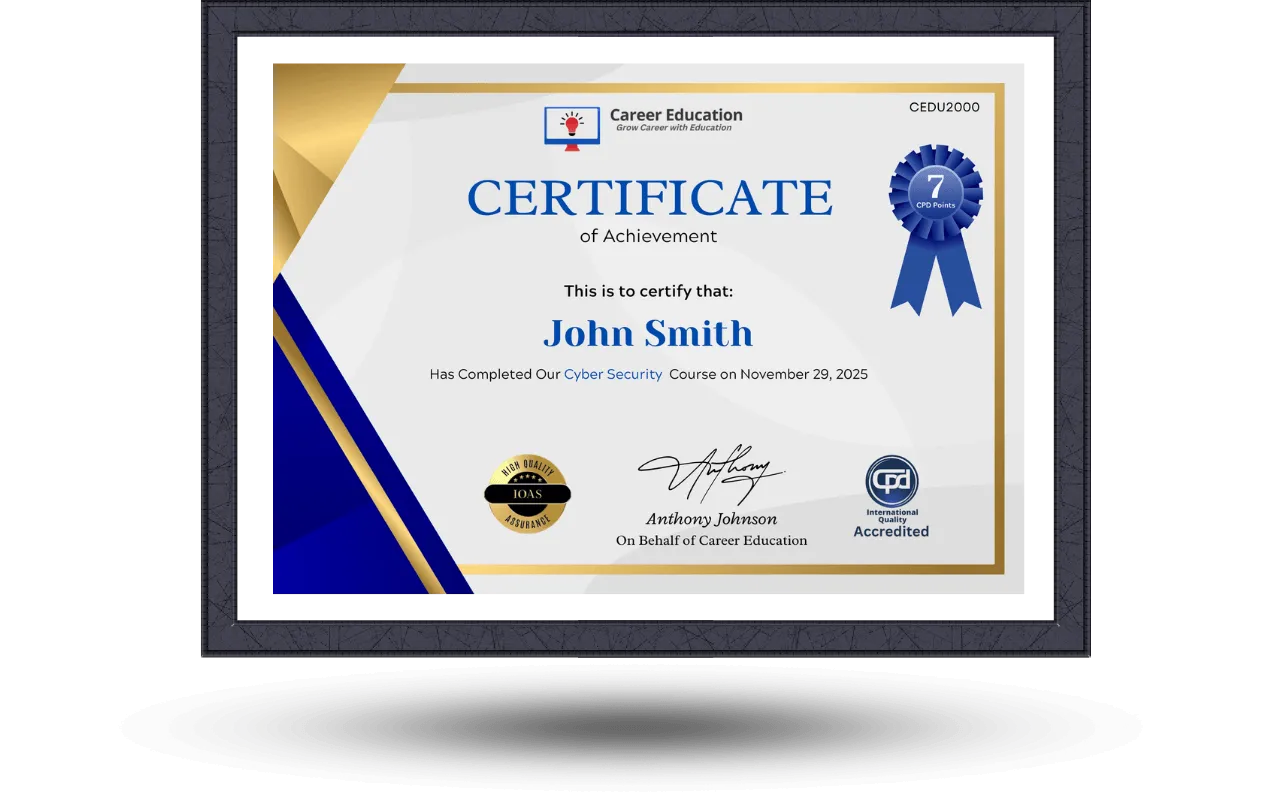
Upon completion of any course, all students are entitled to a CPD IQ Accredited e-certificate that will be issued by Career Education signifying the completion of your course.
After you complete the course and assignment, you will be eligible to order a free certificate accredited by CPD International Quality by completing the form below.
Hardcopy certificates and transcripts are also available for a small additional fee. More information is disclosed upon course completion.
Similar Courses


Frequently Asked Questions
The lifetime membership includes unlimited access to all courses, resources, and updates for a one-time fee.
You can purchase the membership directly from our website using a secure checkout process.
Yes, selected courses can be downloaded for offline access through our mobile app.
Yes, all future updates and new courses are included at no extra cost.
Yes, we offer a 30-day money-back guarantee if you are not satisfied with the membership.