
94%
OFF
OFF
Managing Stress Effectively as a Leader
- Lifetime Access
- All Levels
- PDF Certificate
£296
£19
14-Day Money-Back Guarantee
Learn With Confidence








Managing Stress Effectively as a Leader
Leadership comes with responsibility, pressure, deadlines, difficult decisions and the constant need to support others. While these challenges can create opportunities for professional growth, unmanaged stress can affect judgement, communication, productivity, relationships and overall leadership effectiveness. Managing Stress Effectively as a Leader is designed to help current and aspiring leaders develop practical strategies for managing pressure, strengthening resilience and creating healthier, more productive working environments.
This outcome-focused course takes a practical approach to leadership stress management. Rather than simply explaining what stress is, it helps you understand how stress affects leadership performance and gives you strategies you can apply in your everyday professional life. You will learn how to recognise stress in yourself and others, manage competing priorities, communicate more effectively, build resilience and introduce practical stress-reduction techniques into your routine.
Whether you are a team leader, supervisor, manager, business owner, department head or professional preparing for greater leadership responsibility, this course can help you become more composed, resilient and effective when facing workplace challenges.
Why Managing Stress Effectively as a Leader Matters
Leadership pressure rarely comes from one source. You may be responsible for meeting organisational targets while managing employee expectations, resolving conflicts, responding to unexpected problems and making important decisions under time pressure. When these demands accumulate, stress can become difficult to manage.
The ability to remain effective under pressure is an important leadership skill. Leaders who understand how to manage their own stress are often better positioned to think clearly, communicate calmly and support their teams. They can also recognise when colleagues may be struggling and respond appropriately.
Managing Stress Effectively as a Leader focuses on developing these practical capabilities. You will explore techniques that can help you handle demanding situations without allowing stress to control your decisions, behaviour or interactions.
By completing the course, you can develop a more structured approach to managing pressure while creating habits that support sustainable leadership performance.
What You Will Learn
This course covers the key skills and strategies required to manage stress effectively in leadership and workplace environments.
You will learn how to:
-
Understand the causes and effects of workplace stress.
-
Recognise common signs of stress in yourself and others.
-
Identify situations that may trigger leadership stress.
-
Develop greater resilience when facing pressure and uncertainty.
-
Improve your time management and prioritisation skills.
-
Reduce unnecessary pressure caused by poor organisation.
-
Communicate more effectively during stressful situations.
-
Apply practical techniques for reducing tension and maintaining focus.
-
Encourage healthier working practices within your team.
-
Create a supportive environment where employees can communicate concerns.
-
Respond to workplace challenges with greater confidence and composure.
-
Build sustainable habits that support long-term leadership effectiveness.
Course Curriculum
Module 1: Understanding Stress and Its Impact
Lesson 1: Understanding Stress and Its Impact
The first module introduces the concept of stress and explores why it matters in leadership. You will examine how workplace demands, uncertainty, deadlines, interpersonal challenges and organisational responsibilities can contribute to stress.
You will also explore the potential impact of prolonged or unmanaged stress on concentration, decision-making, motivation, communication and workplace relationships. Understanding these effects is an important first step towards Managing Stress Effectively as a Leader.
By the end of this module, you will have a clearer understanding of how stress can influence leadership performance and why proactive stress management is essential.
Module 2: Recognising Stress in Yourself and Others
Effective leaders need to recognise stress before it becomes overwhelming. This module focuses on identifying behavioural, emotional and practical indicators of stress in yourself and the people you lead.
You will learn how to become more aware of your own responses to pressure and identify situations that may increase your stress levels. You will also explore how changes in communication, engagement, productivity or behaviour may indicate that a team member is experiencing workplace pressure.
This awareness can help you respond earlier and more appropriately rather than waiting until stress begins to affect performance or relationships.
You will develop greater self-awareness and learn how to pay closer attention to the wellbeing and needs of those around you.
Module 3: Building Resilience as a Leader
Resilience is an essential quality for leaders who regularly face challenges, uncertainty and change. Being resilient does not mean avoiding difficult situations. Instead, it involves developing the ability to respond constructively, recover from setbacks and continue moving forward.
This module explores practical approaches to strengthening leadership resilience. You will consider how mindset, self-awareness, adaptability and constructive responses to challenges can influence your ability to manage pressure.
You will learn strategies for approaching difficult situations with greater perspective and maintaining effectiveness when circumstances do not go according to plan.
The outcome is a stronger foundation for Managing Stress Effectively as a Leader, particularly during demanding periods or significant organisational change.
Module 4: Effective Time Management and Prioritisation
Poor time management can significantly increase workplace stress. Leaders often have multiple responsibilities competing for their attention, making it difficult to determine what deserves immediate focus.
This module explores practical approaches to organising responsibilities, managing competing demands and prioritising important tasks.
You will learn how to distinguish between urgent and important activities, structure your workload more effectively and reduce unnecessary pressure created by disorganisation. You will also explore how effective delegation and realistic planning can contribute to better workload management.
The goal is to help you become more organised and intentional with your time so that you can focus your energy on high-value leadership responsibilities.
Module 5: Communication Strategies for Stress Reduction
Communication can either reduce workplace stress or make it worse. Unclear instructions, misunderstandings, poor feedback and unresolved conflicts can create unnecessary pressure for both leaders and employees.
This module focuses on communication strategies that can help create calmer and more productive interactions.
You will explore how to communicate clearly when under pressure, listen effectively, provide constructive feedback and approach difficult conversations with greater confidence. You will also learn why maintaining a professional and respectful communication style is particularly important during stressful situations.
By improving your communication skills, you can reduce misunderstandings, strengthen workplace relationships and help your team navigate challenging circumstances more effectively.
Module 6: Stress Reduction Techniques
Understanding stress is valuable, but effective leadership also requires practical techniques for managing it.
This module introduces approaches that can help you reduce tension, regain focus and maintain composure during demanding situations. You will explore practical stress-reduction strategies that can be incorporated into your working routine without requiring major changes to your schedule.
You will learn how to create moments of recovery, manage immediate pressure and develop healthier responses to stressful situations. The focus is on practical application, allowing you to identify techniques that can fit naturally into your professional routine.
These strategies can help you approach demanding situations with greater calm and clarity.
Module 7: Creating a Supportive Work Environment
Leadership stress management is not only about individual behaviour. The environment you create can influence how your team experiences pressure, communicates concerns and responds to challenges.
The final module focuses on developing a more supportive workplace environment. You will explore how leaders can encourage open communication, mutual respect, collaboration and healthier approaches to workplace pressure.
You will learn how your leadership behaviour can influence team culture and why creating an environment where people feel comfortable raising concerns can contribute to stronger workplace relationships.
The aim is to help you move beyond individual stress management and consider how you can contribute to a healthier and more supportive working environment.
Practical Outcomes You Can Take Away
By completing Managing Stress Effectively as a Leader, you will have a practical framework for approaching workplace stress more effectively.
You can expect to develop greater awareness of your personal stress triggers and responses. This can help you recognise when pressure is beginning to affect your concentration, behaviour or decision-making and take appropriate action before it escalates.
You will also develop strategies for managing your workload more effectively. Better prioritisation, organisation and delegation can help you avoid unnecessary pressure and focus on the responsibilities that have the greatest impact.
Another important outcome is improved communication. You will be better equipped to communicate calmly during challenging situations, listen to others and address workplace issues constructively.
The course also encourages you to think beyond your own wellbeing. As a leader, your behaviour can influence the people around you. Developing a supportive approach can help create a workplace culture where challenges can be discussed openly and employees are encouraged to manage pressure constructively.
Who Is This Course For?
Managing Stress Effectively as a Leader is suitable for a wide range of professionals, including:
-
Current team leaders and supervisors.
-
Managers and department heads.
-
Business owners and entrepreneurs.
-
Project and operations leaders.
-
Professionals moving into management positions.
-
Individuals responsible for leading teams.
-
Aspiring leaders who want to develop resilience.
-
Professionals looking to improve their workplace stress-management skills.
-
Anyone who wants to become more confident managing pressure in a leadership role.
No advanced leadership background is required. The course is designed to provide practical knowledge that can be applied across different industries, organisations and professional settings.
Become a More Resilient and Effective Leader
Stress is an unavoidable part of many leadership roles, but it does not have to determine how you lead. With the right awareness, skills and strategies, you can learn to respond to pressure more effectively while supporting the people around you.
Managing Stress Effectively as a Leader gives you the opportunity to strengthen your resilience, improve your organisation, communicate more effectively and develop practical methods for handling workplace pressure.
Instead of allowing demanding situations to undermine your effectiveness, you can develop a more deliberate approach to managing challenges. You will learn how to recognise stress, prioritise your responsibilities, communicate with greater clarity and create a working environment that supports both performance and wellbeing.
Investing in stress-management skills is also an investment in your leadership capability. When you can manage pressure more effectively, you are better positioned to make thoughtful decisions, maintain productive relationships and provide consistent support to your team.
Start developing the skills needed to lead with greater composure, resilience and confidence. Managing Stress Effectively as a Leader provides practical strategies you can take from the course and apply to real workplace situations, helping you become a more capable leader in both challenging and everyday circumstances.
Course Modules
Course Content
Module 1_ Understanding Stress and Its Impact
-
Lesson 1_ Understanding Stress and Its Impact
Module 2_ Recognizing Stress in Yourself and Others
Module 3_ Building Resilience as a Leader
Module 4_ Effective Time Management and Prioritization
Module 5_ Communication Strategies for Stress Reduction
Module 6_ Stress Reduction Techniques
Module 7_ Creating a Supportive Work Environment
What our students say
Excellent
4.9 average
158 Reviews

Earn an Accredited Certificate
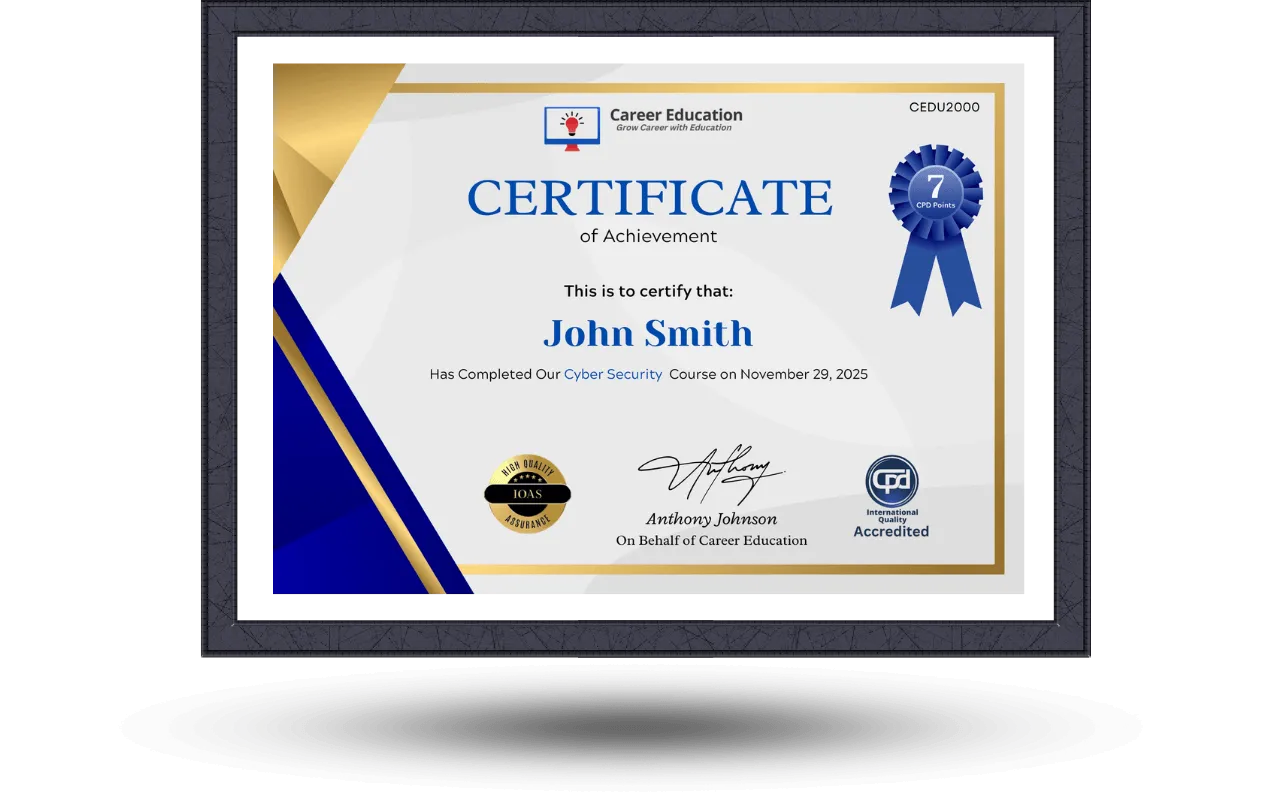
Upon completion of any course, all students are entitled to a CPD IQ Accredited e-certificate that will be issued by Career Education signifying the completion of your course.
After you complete the course and assignment, you will be eligible to order a free certificate accredited by CPD International Quality by completing the form below.
Hardcopy certificates and transcripts are also available for a small additional fee. More information is disclosed upon course completion.
Similar Courses




Frequently Asked Questions
The lifetime membership includes unlimited access to all courses, resources, and updates for a one-time fee.
You can purchase the membership directly from our website using a secure checkout process.
Yes, selected courses can be downloaded for offline access through our mobile app.
Yes, all future updates and new courses are included at no extra cost.
Yes, we offer a 30-day money-back guarantee if you are not satisfied with the membership.