
94%
OFF
OFF
Managing Multigenerational Teams Successfully
- Lifetime Access
- All Levels
- PDF Certificate
£296
£19
14-Day Money-Back Guarantee
Learn With Confidence



Managing Multigenerational Teams Successfully
Modern workplaces bring together people with different experiences, expectations, communication preferences, career goals, and approaches to work. Managing these differences effectively can help organisations build stronger teams, encourage knowledge sharing, improve collaboration, and create a more inclusive working environment.
Managing Multigenerational Teams Successfully is designed to help managers, supervisors, team leaders, and professionals develop the practical skills needed to lead teams made up of people from different generations. Rather than viewing generational differences as obstacles, this course focuses on turning diversity of experience and perspective into a workplace advantage.
From communication and motivation to leadership, performance, technology, and innovation, the course explores practical approaches for creating productive teams where employees can contribute confidently and work effectively with colleagues of different backgrounds and career stages.
Why Managing Multigenerational Teams Successfully Matters
Today’s workforce can include employees at very different stages of their professional lives. Each individual may bring valuable knowledge, expectations, skills, and working preferences to the organisation. However, differences in communication styles, attitudes towards technology, feedback preferences, motivation, and workplace expectations can sometimes create misunderstandings.
Effective managers need to recognise these differences without relying on stereotypes. Successful multigenerational leadership is about understanding individual needs, building mutual respect, and creating an environment where everyone has opportunities to contribute.
By completing Managing Multigenerational Teams Successfully, learners can develop a clearer understanding of generational diversity and discover strategies for bringing employees together around shared objectives. The course is focused on practical workplace outcomes, helping learners improve communication, strengthen collaboration, support employee engagement, and manage performance more effectively.
What You Will Learn
The course provides a structured learning journey covering seven important areas of multigenerational team management. Learners will explore how generational diversity can influence workplace interactions and how effective leadership can bring different perspectives together.
You will learn how to:
-
Understand the characteristics and value of generational diversity in the workplace.
-
Adapt communication strategies to different employee preferences and situations.
-
Build a collaborative culture based on respect, inclusion, and shared objectives.
-
Select leadership approaches that support different team members.
-
Improve motivation and employee engagement.
-
Manage performance and productivity across diverse teams.
-
Use technology and innovation to support collaboration and workplace effectiveness.
Module 1: Understanding Generational Diversity
The first module introduces the concept of generational diversity and explores why it matters in modern workplaces. Employees from different generations may have different experiences of education, technology, organisational culture, career development, and workplace change.
Understanding these differences can help managers avoid unnecessary assumptions and create stronger working relationships. The module encourages learners to focus on individual strengths while recognising how generational perspectives can influence workplace behaviour.
By the end of this module, learners can better recognise the potential benefits of having employees with different experiences and perspectives within the same team. This can support more thoughtful decision-making, stronger knowledge sharing, and a broader range of ideas.
Module 2: Communication Strategies Across Generations
Communication is one of the most important elements of successful team management. Different employees may have different preferences regarding meetings, written communication, instant messaging, feedback, or face-to-face conversations.
This module explores ways managers can communicate clearly and effectively with employees across generations. Learners will consider how to adapt communication methods without creating unfair preferences or excluding members of the team.
The outcome is a more flexible communication approach that can reduce misunderstandings and help employees feel heard and respected. Stronger communication can also make it easier for managers to provide feedback, clarify expectations, resolve workplace disagreements, and keep teams aligned with organisational goals.
Module 3: Building a Collaborative Multigenerational Culture
A successful multigenerational team requires more than simply having employees from different age groups working together. Managers need to create an environment where people are encouraged to collaborate, exchange knowledge, and appreciate different perspectives.
This module focuses on building a culture based on teamwork, inclusion, respect, and shared responsibility. Learners will explore ways to encourage employees to recognise each other’s strengths and contribute to common objectives.
A collaborative culture can help reduce divisions within teams and encourage employees to learn from one another. Experienced employees may share valuable organisational knowledge, while newer employees may contribute fresh perspectives, new ideas, or different approaches to workplace challenges.
The result can be a more connected workforce where knowledge flows between employees instead of remaining within individual groups.
Module 4: Leadership Styles and Approaches
There is no single leadership style that works perfectly for every employee or every workplace situation. Effective managers need to understand their team and adjust their approach when necessary.
This module examines leadership styles and approaches that can be used when managing a multigenerational workforce. Learners will explore how leadership can be adapted to support different levels of experience, working preferences, responsibilities, and professional objectives.
The focus is on flexible leadership rather than treating employees differently based solely on their generation. Managers can learn to assess individual circumstances, establish clear expectations, provide appropriate support, and create opportunities for employees to take responsibility.
This can lead to stronger manager-employee relationships, greater trust, and improved team performance.
Module 5: Motivation and Engagement Strategies
Employee motivation is not one-size-fits-all. Different people may be motivated by professional development, recognition, responsibility, meaningful work, career progression, autonomy, teamwork, or other factors.
In this module, learners explore practical strategies for improving motivation and engagement within multigenerational teams. The emphasis is on understanding individual employees and identifying approaches that encourage them to remain committed to their responsibilities and organisational objectives.
Learners can develop a more personalised approach to employee engagement while maintaining fairness and consistency. This can help managers recognise contributions, support professional development, encourage participation, and create a workplace environment where employees feel their efforts have value.
Higher engagement can contribute to stronger collaboration, improved morale, and greater commitment to organisational goals.
Module 6: Managing Performance and Productivity
Managing performance effectively requires clear expectations, appropriate feedback, consistent standards, and ongoing communication. In a multigenerational team, managers may need to consider different levels of experience and different approaches to completing tasks while maintaining fair performance expectations.
This module focuses on practical methods for managing performance and productivity across a diverse workforce. Learners will explore how to establish clear objectives, monitor progress, provide constructive feedback, and address performance challenges professionally.
The goal is to create a performance culture where employees understand what is expected of them and have the support needed to succeed.
By applying effective performance management strategies, learners can help teams remain focused, productive, and accountable while ensuring that individual differences do not become barriers to achieving shared objectives.
Module 7: Leveraging Technology and Innovation
Technology continues to transform how teams communicate, collaborate, learn, and complete their work. Employees may have different levels of familiarity and confidence with new technologies, making effective technology management an important consideration for modern leaders.
This module explores how managers can use technology and innovation to support multigenerational teams. Learners will consider how digital tools can improve communication, knowledge sharing, collaboration, productivity, and access to information.
The focus is not simply on introducing new technology but on ensuring that employees are supported as workplace systems and processes evolve. Managers can help create an environment where employees are encouraged to learn, adapt, and contribute ideas.
By effectively combining technology with inclusive management practices, organisations can create teams that are better prepared for continuous workplace change.
Practical Outcomes of the Course
Managing Multigenerational Teams Successfully is designed around practical workplace outcomes. After completing the course, learners can apply their knowledge to real management situations and develop more effective approaches to working with diverse teams.
You can expect to develop the ability to:
-
Recognise the opportunities created by generational diversity.
-
Communicate more effectively with employees who have different preferences and experiences.
-
Encourage knowledge sharing between team members.
-
Build a workplace culture based on collaboration and mutual respect.
-
Adapt leadership approaches to different workplace situations.
-
Identify ways to improve employee motivation and engagement.
-
Establish clearer performance expectations and feedback practices.
-
Support productivity across a diverse workforce.
-
Help employees adapt to workplace technology and innovation.
-
Encourage cooperation between employees at different career stages.
Who Should Take This Course?
This course can be valuable for anyone responsible for managing, supervising, supporting, or developing employees in a diverse workplace.
It is particularly suitable for:
-
Managers and team leaders.
-
Supervisors and department heads.
-
HR and people-management professionals.
-
Business owners and entrepreneurs.
-
Project managers.
-
Professionals preparing for leadership responsibilities.
-
Anyone interested in improving multigenerational workplace collaboration.
Whether you are already managing a diverse team or preparing to move into a leadership position, the course provides useful concepts and strategies that can be applied across a wide range of professional environments.
Build Stronger and More Inclusive Teams
Generational diversity can become a significant workplace strength when it is managed thoughtfully. Employees bring different experiences, knowledge, perspectives, and approaches to their roles, creating opportunities for organisations to learn and innovate.
However, these benefits do not happen automatically. Leaders need to create the conditions for effective communication, collaboration, motivation, performance, and continuous learning.
Managing Multigenerational Teams Successfully provides a practical foundation for developing those leadership capabilities. Through seven focused modules, learners can strengthen their ability to understand generational diversity, communicate effectively, build collaborative teams, adapt leadership approaches, motivate employees, manage performance, and embrace technology.
Instead of allowing differences to create workplace barriers, effective managers can use those differences to encourage learning, improve collaboration, and support stronger organisational outcomes.
Start Managing Multigenerational Teams Successfully today and develop the skills needed to lead diverse teams with greater confidence, flexibility, and effectiveness.
Course Modules
Course Content
Module 1_ Understanding Generational Diversity
-
Lesson 1_ Understanding Generational Diversity
Module 2_ Communication Strategies Across Generations
Module 3_ Building a Collaborative Multigenerational Culture
Module 4_ Leadership Styles and Approaches
Module 5_ Motivation and Engagement Strategies
Module 6_ Managing Performance and Productivity
Module 7_ Leveraging Technology and Innovation
What our students say
Excellent
4.9 average
158 Reviews

Earn an Accredited Certificate
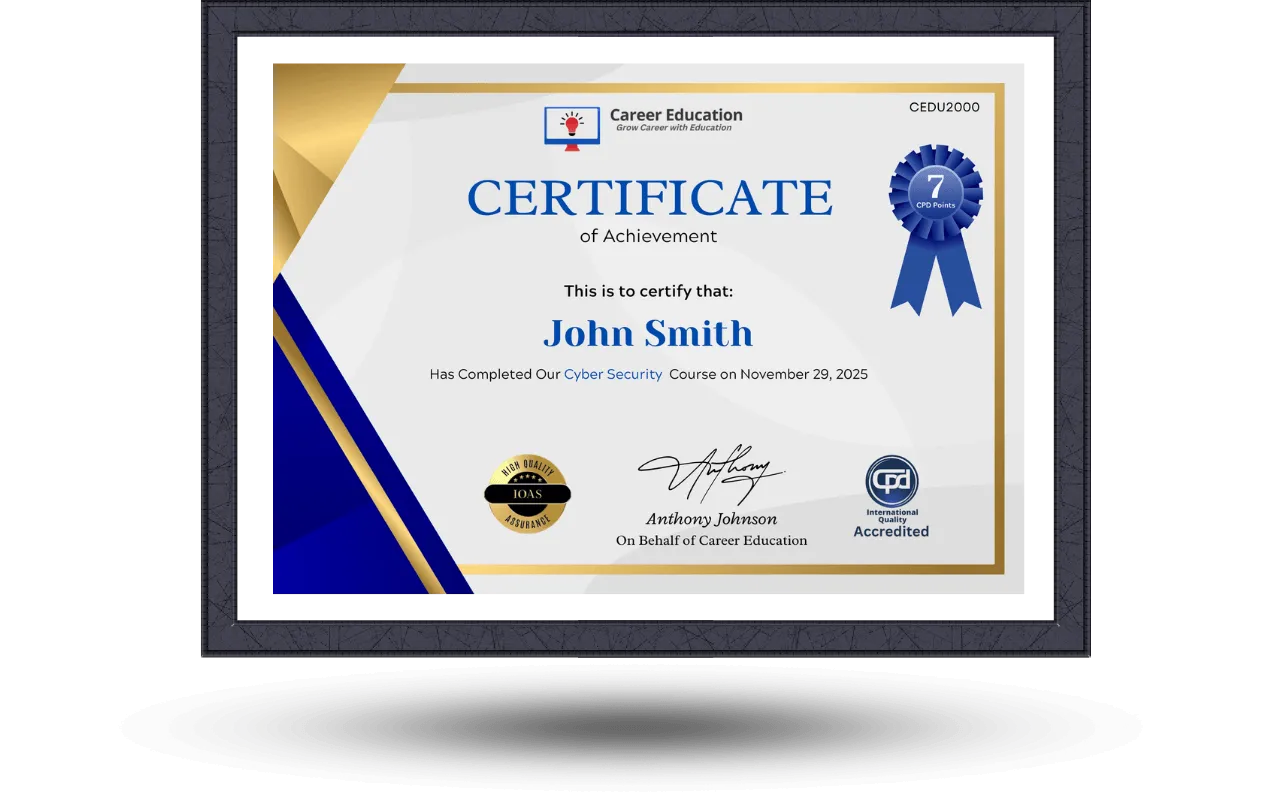
Upon completion of any course, all students are entitled to a CPD IQ Accredited e-certificate that will be issued by Career Education signifying the completion of your course.
After you complete the course and assignment, you will be eligible to order a free certificate accredited by CPD International Quality by completing the form below.
Hardcopy certificates and transcripts are also available for a small additional fee. More information is disclosed upon course completion.
Similar Courses




Frequently Asked Questions
The lifetime membership includes unlimited access to all courses, resources, and updates for a one-time fee.
You can purchase the membership directly from our website using a secure checkout process.
Yes, selected courses can be downloaded for offline access through our mobile app.
Yes, all future updates and new courses are included at no extra cost.
Yes, we offer a 30-day money-back guarantee if you are not satisfied with the membership.