
OFF
Laboratory Safety Showers and Eyewash Training
- Lifetime Access
- All Levels
- PDF Certificate
Learn With Confidence







Overview
Laboratory Safety Showers and Eyewash Training
Working in a laboratory, industrial facility, healthcare environment, manufacturing plant, or other setting where hazardous chemicals are present requires more than general safety awareness. When chemical substances accidentally contact the eyes or skin, an immediate response can make a critical difference. Laboratory Safety Showers and Eyewash Training provides essential knowledge and practical awareness to help learners understand how emergency safety showers and eyewash stations are designed, used, maintained, and incorporated into workplace safety procedures.
This outcome-focused course is designed to help learners develop the confidence and knowledge needed to respond appropriately when chemical exposure occurs. Rather than focusing only on theory, the course explores the complete emergency-response process—from understanding safety equipment and installation considerations to activation, use, inspection, training, and exposure response.
Why Laboratory Safety Showers and Eyewash Training Matters
Laboratories and workplaces that handle hazardous materials can present a range of risks. Chemicals may splash, spill, leak, or come into contact with the body unexpectedly. Even when employees follow established procedures, accidents can happen. Having appropriate emergency equipment available is therefore an important part of a comprehensive workplace safety strategy.
Safety showers and eyewash stations are designed to provide immediate flushing when hazardous substances come into contact with the skin or eyes. However, simply having the equipment installed is not enough. Workers need to know where emergency equipment is located, how it operates, when it should be used, and how it should be maintained.
Laboratory Safety Showers and Eyewash Training helps learners build this awareness systematically. By completing the course, participants can develop a stronger understanding of emergency equipment, improve their preparedness, and contribute to a more safety-conscious workplace.
What You Will Learn
The course follows a structured seven-module curriculum covering key aspects of laboratory emergency washing equipment and chemical exposure response.
Module 1: Introduction to Safety Showers & Eye Washes
The course begins by introducing the purpose and importance of emergency safety showers and eyewash stations. Learners will explore why these facilities are used and how they support emergency response following hazardous chemical exposure.
This module establishes a strong foundation by helping participants understand the role of emergency flushing equipment within broader workplace safety procedures. Learners will become more familiar with different types of emergency washing equipment and the circumstances in which they may be required.
By the end of this module, learners should have a clearer understanding of why emergency equipment must be readily available, accessible, identifiable, and suitable for the workplace hazards present.
Module 2: Design and Installation Considerations
Effective emergency equipment begins with appropriate design and installation. This module examines important considerations involved in positioning and installing safety showers and eyewash stations.
Learners will explore factors such as accessibility, visibility, location, surrounding space, and suitability for the workplace environment. Understanding these considerations can help employees recognize potential problems with emergency equipment placement and appreciate why equipment must be positioned where it can be reached quickly during an emergency.
The module also encourages a proactive approach to safety. Instead of waiting for an incident to reveal a problem, learners gain awareness of the importance of evaluating emergency equipment arrangements in advance.
Module 3: Activation and Use of Safety Showers
Knowing that a safety shower exists is different from knowing how to use it effectively. This module focuses on the activation and use of emergency safety showers.
Learners will develop awareness of how safety showers are activated and what should be considered when using them during an emergency. The training emphasizes the importance of responding promptly and following established workplace emergency procedures.
Participants will also gain a clearer understanding of why familiarity with equipment is important before an emergency occurs. Regular awareness and training can reduce hesitation and help workers respond more confidently when immediate action is necessary.
Module 4: Activation and Use of Eye Wash Stations
The eyes can be particularly vulnerable to chemical exposure, making accessible eyewash equipment an important part of laboratory and workplace safety.
This module focuses on the activation and use of emergency eyewash stations. Learners will explore how eyewash stations operate and the importance of using them promptly when an exposure occurs.
The training helps participants understand the role of effective flushing as part of an emergency response while reinforcing the importance of following workplace procedures and seeking appropriate medical assistance when required.
By completing this module, learners can become more familiar with emergency eyewash equipment and better prepared to respond when an eye exposure occurs.
Module 5: Training and Awareness Programs
Emergency equipment is only effective when workers know how to use it. This module examines the importance of workplace training and safety awareness programs.
Learners will discover how organizations can promote familiarity with emergency showers and eyewash stations through appropriate instruction, demonstrations, awareness activities, and routine communication.
The module highlights the value of making emergency equipment knowledge part of a continuing safety culture rather than treating training as a one-time activity. Well-informed employees are better positioned to recognize hazards, understand emergency procedures, and react appropriately.
Participants will also gain insight into how safety awareness can support consistency across teams and departments.
Module 6: Maintenance and Inspection Procedures
Emergency equipment needs to remain ready for use. This module explores the importance of inspection, testing, maintenance, cleanliness, and general readiness.
Learners will examine why routine inspections are necessary and what types of issues may affect the reliability or accessibility of safety showers and eyewash stations. The course encourages a preventive approach to equipment management, helping learners understand that neglected equipment can create additional risk during an emergency.
Understanding maintenance responsibilities can also help employees communicate potential issues to the appropriate person or department promptly.
By the end of this module, participants should have a stronger appreciation of the role that routine inspection and maintenance play in maintaining emergency preparedness.
Module 7: Response to Chemical Exposures
The final module brings the course concepts together by focusing on responding to chemical exposure incidents.
Learners will explore the importance of immediate action, appropriate use of emergency flushing equipment, communication, reporting, and following established workplace emergency procedures. The module also reinforces the importance of obtaining appropriate medical evaluation after an exposure when required by the situation or workplace procedure.
Rather than relying on guesswork during an emergency, participants will be encouraged to understand their organization’s response protocols in advance.
This final module helps connect equipment knowledge with practical emergency preparedness, giving learners a more complete understanding of how safety showers and eyewash stations fit into chemical exposure response.
Course Outcomes
After completing Laboratory Safety Showers and Eyewash Training, learners should be able to:
-
Explain the purpose of emergency safety showers and eyewash stations.
-
Recognize the importance of accessible emergency flushing equipment.
-
Understand key considerations related to equipment design and installation.
-
Identify the appropriate role of safety showers during chemical exposure emergencies.
-
Explain how eyewash stations are activated and used.
-
Appreciate the importance of workplace emergency equipment training.
-
Understand why regular inspection and maintenance are essential.
-
Recognize potential issues that could affect equipment readiness.
-
Apply greater awareness when responding to chemical exposure incidents.
-
Follow established workplace emergency procedures more confidently.
-
Contribute to a stronger safety culture within laboratory and workplace environments.
-
Recognize the importance of prompt reporting and appropriate follow-up after exposure incidents.
Who Should Take This Course?
Laboratory Safety Showers and Eyewash Training can be valuable for anyone who works in an environment where hazardous chemicals or substances may be present.
It may be particularly relevant to:
-
Laboratory personnel
-
Science and research staff
-
Manufacturing employees
-
Chemical handling personnel
-
Workplace safety teams
-
Supervisors and team leaders
-
Facilities and maintenance personnel
-
Health and safety professionals
-
Employees working with potentially hazardous substances
-
Organizations developing workplace safety awareness programs
The course can also serve as useful training material for organizations seeking to strengthen employee awareness of emergency washing equipment and chemical exposure procedures.
Build Confidence Before an Emergency Happens
Emergencies are not the right time to learn where equipment is located or how it operates. Familiarity should be developed before an incident occurs.
Laboratory Safety Showers and Eyewash Training gives learners an opportunity to develop that familiarity in a structured learning environment. Understanding emergency equipment, its purpose, and the procedures surrounding its use can help reduce uncertainty and support a more organized response.
The course also emphasizes prevention and preparedness. From installation considerations to routine maintenance, every stage contributes to the overall effectiveness of an emergency safety system.
Support a Stronger Workplace Safety Culture
Safety is a shared responsibility. While organizations must provide appropriate equipment and procedures, employees also need the knowledge and awareness to use emergency resources correctly.
Training can help create a workplace where employees understand the importance of emergency preparedness and are more likely to recognize concerns with equipment accessibility, condition, or readiness.
By completing Laboratory Safety Showers and Eyewash Training, learners can strengthen their understanding of a crucial area of laboratory and workplace safety. The knowledge gained can support safer working practices, better emergency awareness, and greater confidence in responding to chemical exposure situations.
Start Your Laboratory Safety Training Journey
Being prepared for chemical exposure is an important part of working safely around hazardous substances. Safety showers and eyewash stations can play a vital role in emergency response, but their effectiveness depends on proper accessibility, awareness, use, inspection, and maintenance.
Laboratory Safety Showers and Eyewash Training brings these essential topics together in one structured course. From introductory concepts and installation considerations to emergency equipment use, training programs, maintenance, and chemical exposure response, learners gain a comprehensive foundation for understanding emergency washing facilities.
Enroll today and develop the knowledge needed to recognize the importance of laboratory emergency equipment, understand its proper use, and contribute to a more prepared and safety-conscious workplace.
Course Modules
Course Content
Module 1_ Introduction to Safety Showers & Eye Washes
-
Lesson 1_ Introduction to Safety Showers & Eye Washes
Module 2_ Design and Installation Considerations
Module 3_ Activation and Use of Safety Showers
Module 4_ Activation and Use of Eye Wash Stations
Module 5_ Training and Awareness Programs
Module 6_ Maintenance and Inspection Procedures
Module 7_ Response to Chemical Exposures
What our students say

Earn an Accredited Certificate
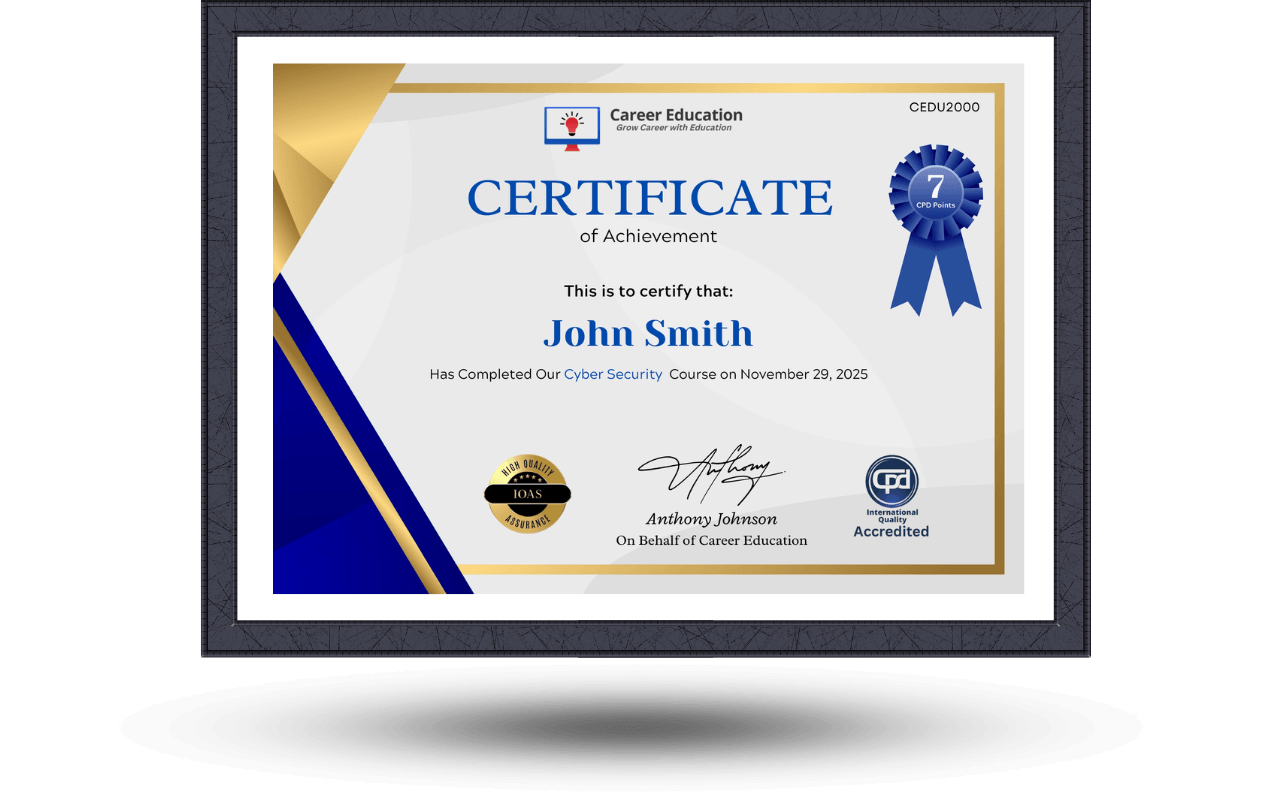
Upon completion of the course, an e-certificate will be downloadable from Khan Education signifying the completion of your course. But, the course is CPD Accredited and after you complete the assignment, you will be eligible to order a certificate accredited by CPD International Quality for £5.99 only. If you want a hardcopy certificate accredited by CPD IQ, you can get it for only £15.99.
Get your CertificateSimilar Courses