94%
OFF
OFF
Horse Riding and Equestrian Skills for Beginners
- Lifetime Access
- All Levels
- PDF Certificate
£296
£19
14-Day Money-Back Guarantee
Learn With Confidence






Horse riding is an engaging recreational activity that combines physical coordination, communication, confidence and an understanding of animal behaviour. Whether you are interested in riding for enjoyment, exploring equestrian activities or developing a foundation for further horse-related learning, understanding the principles of horse riding can help you approach the experience with greater knowledge and awareness.
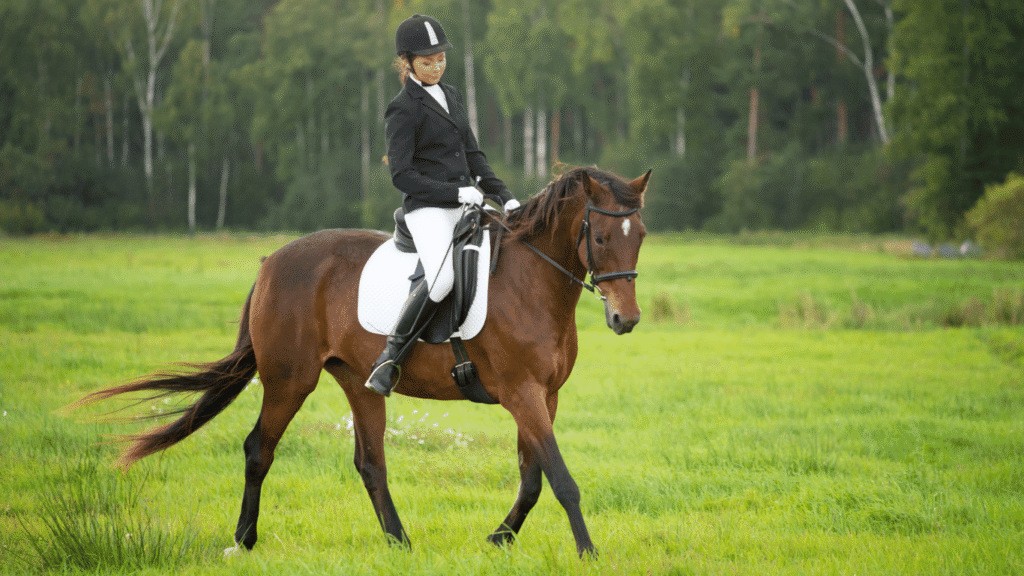
This Horse Riding and Equestrian Skills for Beginners course introduces the essential concepts behind recreational riding, horse care, riding preparation and equestrian experiences. It is designed to help learners understand how horses behave, how riders communicate with them and why safety and responsible handling are central to every riding activity.
You will explore the relationship between horses and riders, including the importance of trust, patience and consistency. The course also introduces common riding equipment, basic preparation routines and the role of qualified instructors in developing safe riding habits.
Horse riding requires more than simply sitting on a horse. Riders need to understand balance, posture, control, communication and the environment in which they are riding. Through this course, you will develop an awareness of these areas and gain a clearer understanding of what to expect when participating in equestrian activities.
The learning experience is suitable for beginners who want to explore horse riding as a recreational interest or prepare for practical lessons with a qualified riding instructor. It provides theoretical knowledge and awareness rather than replacing supervised, hands-on riding instruction.
What You Will Learn
By completing this course, you will develop an understanding of:
-
The fundamentals of horse riding and equestrian recreation.
-
Different horse breeds, characteristics and temperaments.
-
Basic horse behaviour and communication.
-
The responsibilities involved in caring for horses.
-
Essential riding equipment and its purpose.
-
Preparing a horse and rider for a riding session.
-
The importance of correct posture and balance.
-
Basic riding terminology and common riding activities.
-
Safety principles for riders and horses.
-
The role of qualified instructors and riding schools.
-
Different recreational and sporting equestrian experiences.
-
Responsible participation in horse-related activities.
Introduction to Horse Riding and Equestrian Activities
Horse riding has developed into a wide range of recreational, sporting and professional activities. Some people ride for relaxation and enjoyment, while others participate in organised competitions, trail riding, riding lessons or specialist equestrian disciplines.
In this section, you will explore the different ways people participate in horse riding. You will learn about recreational riding, arena-based lessons, countryside rides and organised equestrian events.
You will also examine the responsibilities that come with riding. Horses are living animals with individual needs, personalities and physical requirements. Riders must understand that responsible participation involves preparation, patience and respect for the animal.
This knowledge will help you develop realistic expectations before taking part in practical riding experiences.
Understanding Horses and Their Behaviour
Understanding horse behaviour is an important part of responsible equestrian participation. Horses communicate through body language, movement, posture and vocalisation. Recognising these signals can help riders and handlers respond more appropriately.
You will explore common horse behaviours, including alertness, relaxation, fear, discomfort and curiosity. You will learn why a horse may react to unfamiliar surroundings, sudden movements or unexpected sounds.
The course also introduces the importance of temperament and individual differences. Some horses may be calm and experienced, while others may be more sensitive or energetic. Understanding these differences can help you appreciate why a suitable horse should be selected according to the rider’s experience and the activity involved.
You will also consider the importance of observing a horse before approaching or handling it.
Horse Care and Welfare Awareness
Horse welfare is a central part of equestrian knowledge. A responsible rider should understand that horses require appropriate food, clean water, shelter, exercise, grooming and veterinary attention.
This section introduces the basic principles of horse care and the responsibilities of owners, handlers and riding establishments. You will explore why regular grooming matters, how routine care supports comfort and why changes in behaviour may indicate that a horse needs attention.
You will also learn about the importance of appropriate rest, suitable exercise and access to professional care. Understanding welfare helps learners recognise that riding should always take account of the horse’s physical and emotional wellbeing.
The course does not qualify learners to diagnose or treat veterinary conditions. Instead, it develops awareness of responsible care and the importance of seeking qualified veterinary advice when needed.
Riding Equipment and Preparation
Using appropriate equipment is an essential part of horse riding. Riders need to understand the purpose of basic riding equipment and why correct fitting and maintenance matter.
You will explore common equipment such as riding helmets, boots, saddles, bridles, reins and stirrups. You will learn how these items contribute to rider support, communication and safety.
The course will also introduce the preparation process before a riding session. This includes checking that equipment is suitable, following the riding school’s instructions and understanding the importance of a basic horse and equipment check.
You will gain an appreciation of why equipment should be selected and checked by experienced professionals, particularly when you are new to riding.
Developing Rider Balance and Posture
Balance and posture are important elements of effective riding. A rider’s position can influence comfort, stability and communication with the horse.
You will learn about the general principles of an effective riding position, including alignment, relaxed posture and awareness of body movement. The course introduces the role of balance and explains why riders should avoid unnecessary tension.
You will also explore how coordination between the upper body, legs and hands contributes to riding communication. These concepts provide useful preparation for practical lessons where an instructor can demonstrate and correct riding position.
Because riding involves physical movement and interaction with an animal, practical development should take place under appropriate supervision.
Basic Riding Communication and Control
Riders communicate with horses through a combination of body position, leg pressure, rein contact and voice cues. The precise methods used may vary depending on the horse, riding discipline and instructor.
This section introduces the principles behind rider communication. You will explore why clear, consistent and gentle signals are important and how confusing instructions can affect a horse’s response.
You will also become familiar with basic riding terminology and common movements that may be introduced during beginner lessons. The focus is on understanding the concepts before practising them in a supervised environment.
Safety in Horse Riding
Safety is essential whenever people work with or ride horses. Horses are powerful animals, and their behaviour can be influenced by their surroundings, health, training and previous experiences.
You will learn about general safety awareness, including following instructor guidance, wearing suitable protective equipment and respecting stable rules. The course also explores safe approaches to horses, awareness of other riders and the importance of maintaining suitable distances during group activities.
You will understand why beginners should not attempt unfamiliar riding techniques or handle unpredictable horses without qualified supervision.
Recreational Riding and Equestrian Experiences
Horse riding offers a variety of experiences for people with different interests and abilities. You will explore options such as beginner riding lessons, arena sessions, supervised countryside rides and organised equestrian activities.
You will also learn about the differences between recreational riding and competitive disciplines. This can help you identify which experiences may suit your interests as you continue learning.
The course encourages a responsible approach to equestrian participation, recognising that progress depends on regular practice, suitable instruction and attention to horse welfare.
Who Is This For?
This course is suitable for:
-
Beginners interested in learning about horse riding.
-
Individuals exploring equestrian activities as a hobby.
-
People considering their first riding lesson.
-
Recreational riders who want to strengthen their theoretical knowledge.
-
Horse enthusiasts interested in animal behaviour and welfare.
-
Parents and guardians researching riding activities for young people.
-
Individuals considering further equestrian education.
-
People interested in riding schools and horse-related environments.
It is particularly useful for learners who want to understand the basics before participating in supervised practical riding sessions.
Requirements / Prerequisites
No previous horse riding experience or formal qualifications are required. The course is designed to introduce foundational knowledge in an accessible way.
Learners should have:
-
An interest in horses and equestrian activities.
-
A willingness to learn about animal behaviour and welfare.
-
An open and responsible attitude towards safety.
-
Basic reading and comprehension skills.
-
Access to a computer or suitable device for studying.
Practical horse riding requires appropriate facilities, suitable equipment and supervision from a qualified instructor. This course does not replace practical lessons or professional equestrian training.
Skills and Knowledge You Can Develop
Through this course, you can develop:
-
Awareness of horse behaviour and communication.
-
Understanding of basic horse welfare.
-
Knowledge of riding equipment.
-
Preparation and safety awareness.
-
Familiarity with riding terminology.
-
Understanding of rider balance and posture.
-
Confidence when approaching equestrian learning.
-
Appreciation of responsible animal handling.
These skills can provide a foundation for further practical development.
Career Path
Horse riding knowledge may support further learning and exploration in the wider equestrian and animal-care sectors. Potential pathways include:
Equestrian Centre Assistant: Support daily activities at riding centres, including general organisation and customer assistance.
Stable Assistant: Help with routine stable duties under appropriate supervision and according to the establishment’s procedures.
Riding School Support Worker: Assist with the organisation of lessons and general customer support.
Horse Care Assistant: Develop further practical skills in routine horse care and welfare.
Equestrian Activity Coordinator: Support the organisation of recreational activities and customer experiences.
Further Equestrian Training: Progress towards structured riding lessons, specialist equestrian disciplines or recognised qualifications.
These roles may require practical experience, additional training, relevant qualifications and appropriate supervision. This introductory course does not qualify learners as professional riding instructors, veterinary professionals or independent horse-care specialists.
Conclusion
Horse riding can be a rewarding recreational activity that develops coordination, confidence, awareness and respect for animals. Understanding horse behaviour, riding equipment, preparation and safety can help you approach equestrian experiences more responsibly.
This course provides a foundation in the essential principles of horse riding and equestrian participation. Whether you are preparing for your first riding lesson, exploring a new hobby or considering further horse-related learning, the knowledge gained can help you make more informed decisions and understand the responsibilities involved in working with horses.
Course Modules
Course Content
Horse Riding: Recreation, Training & Equestrian Experiences
-
Module 1: Getting Started with Horse Riding
00:00 -
Module 2: Essential Horse Riding Techniques
00:00 -
Module 3: Developing Advanced Riding Abilities
00:00 -
Module 4: Horse Care, Health & Stable Management
00:00 -
Module 5: Principles of Horse Training
00:00 -
Module 6: Advanced Techniques in Horse Training
00:00
What our students say
Excellent
4.9 average
168 Reviews

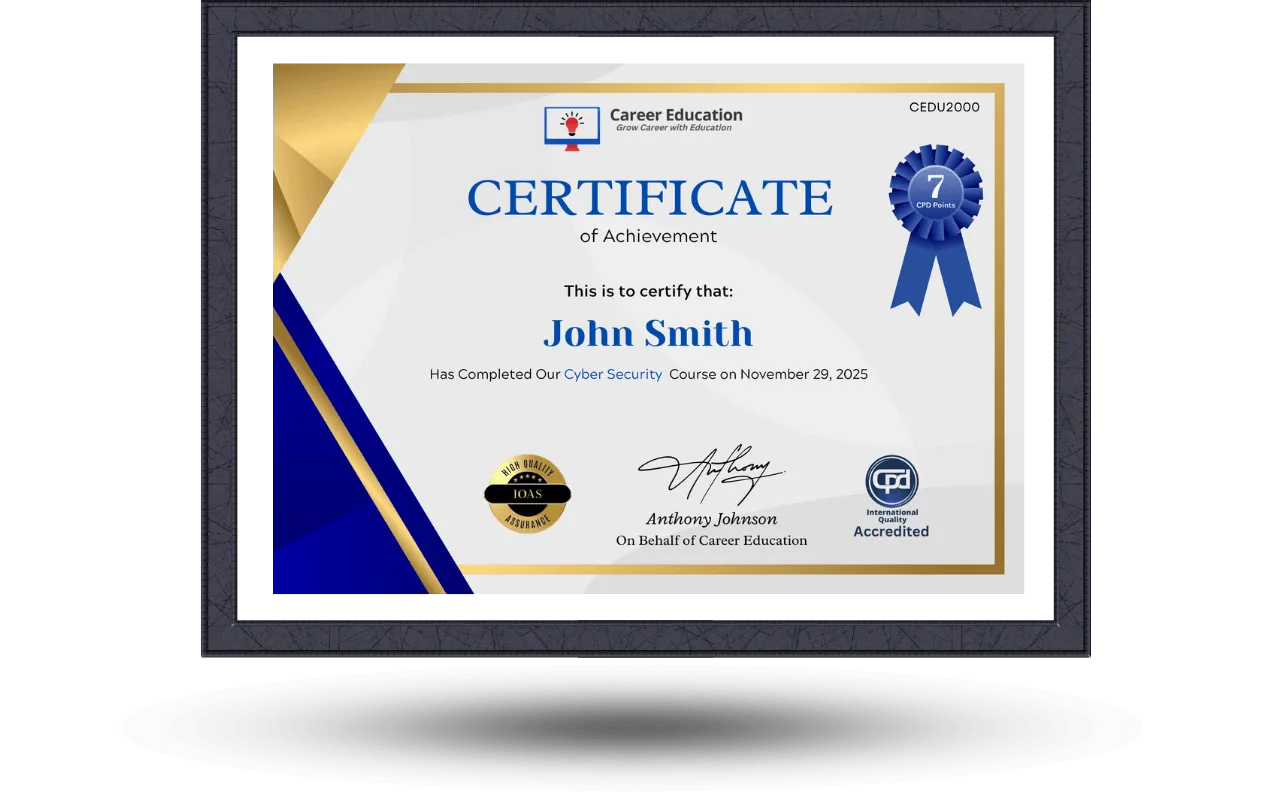
Earn an Accredited Certificate
Upon completion of any course, all students are entitled to a CPD IQ Accredited e-certificate that will be issued by Career Education signifying the completion of your course.
After you complete the course and assignment, you will be eligible to order a free certificate accredited by CPD International Quality by completing the form below.
Hardcopy certificates and transcripts are also available for a small additional fee. More information is disclosed upon course completion.
Similar Courses




Frequently Asked Questions
The lifetime membership includes unlimited access to all courses, resources, and updates for a one-time fee.
You can purchase the membership directly from our website using a secure checkout process.
Yes, selected courses can be downloaded for offline access through our mobile app.
Yes, all future updates and new courses are included at no extra cost.
Yes, we offer a 30-day money-back guarantee if you are not satisfied with the membership.