
94%
OFF
OFF
Heat-Generating Work
- Lifetime Access
- All Levels
- PDF Certificate
£296
£19
14-Day Money-Back Guarantee
Learn With Confidence









Heat-Generating Work
Heat-Generating Work covers activities that produce significant heat, flames, sparks, molten materials, or other ignition sources. Welding, cutting, brazing, heat treatment, and similar operations are widely used across construction, maintenance, manufacturing, fabrication, engineering, and industrial environments. Although these activities are essential to many workplaces, they can create serious hazards when they are not properly planned, controlled, and monitored.
The Heat-Generating Work course is designed to provide learners with practical knowledge of how to identify and control the risks associated with high-temperature work. It focuses on safe procedures, permit systems, fire prevention, personal protective equipment, atmospheric monitoring, welding and cutting operations, heat treatment, and brazing.
Rather than simply presenting safety information, this course focuses on practical outcomes. Learners will develop the awareness needed to recognise hazards before work begins, understand appropriate control measures, follow established procedures, and respond appropriately when unsafe conditions arise.
Whether you are new to heat-generating activities or already work around welding, cutting, brazing, or heat treatment operations, this course provides a structured foundation for safer working practices.
Why Heat-Generating Work Safety Matters
Heat-generating activities can introduce multiple hazards into a workplace. A spark from welding or cutting can ignite combustible materials, while heat can travel through metal structures and surrounding surfaces. Gas cylinders, flammable substances, enclosed spaces, coatings, residues, and poor ventilation can further increase the potential for an incident.
Workers may also face exposure to fumes, gases, ultraviolet radiation, molten metal, burns, flying particles, electrical hazards, and excessive heat.
The consequences of inadequate controls can include fires, explosions, serious injuries, equipment damage, environmental incidents, and costly operational disruption.
The Heat-Generating Work course helps learners understand these risks and develop a more proactive approach to workplace safety.
What You Will Learn
By completing the Heat-Generating Work course, learners will be able to:
-
Explain the meaning and importance of heat-generating work safety.
-
Recognise common activities that produce heat, flames, sparks, or molten materials.
-
Understand the purpose of hot work permits and associated procedures.
-
Identify conditions that can increase fire and explosion risks.
-
Apply practical fire prevention and control measures.
-
Understand the role of PPE in protecting workers from heat-related hazards.
-
Recognise hazardous atmospheric conditions.
-
Understand the purpose of gas monitoring and atmospheric testing.
-
Identify key hazards associated with welding and cutting processes.
-
Apply safer practices when working with welding and cutting equipment.
-
Understand basic safety considerations for heat treatment and brazing.
-
Recognise when working conditions may become unsafe.
-
Develop stronger hazard awareness before, during, and after heat-generating activities.
Course Curriculum
Module 1: Introduction to Hot Work Safety
Lesson 1: Introduction to Hot Work Safety
The course begins by introducing the fundamental principles of hot work and heat-generating activities.
Learners will explore what makes an activity a heat-generating operation and examine common examples found across construction, engineering, maintenance, manufacturing, and industrial workplaces.
Activities such as welding, cutting, brazing, soldering, grinding, thermal treatment, and torch work can generate enough heat or sparks to ignite nearby materials. Understanding this potential is essential for anyone who performs or works near these activities.
This module introduces the importance of preparation, hazard identification, communication, appropriate equipment, and workplace controls.
Learners will also develop an understanding of why heat-generating work should never be treated as a routine task simply because workers perform it regularly. Conditions can change from one work area to another, and hazards may not always be immediately visible.
By completing this module, learners will have a strong foundation for recognising the importance of safe heat-generating work practices.
Module 2: Hot Work Permits and Procedures
A structured permit system can provide an important level of control for activities that introduce ignition sources into a workplace.
This module explores the purpose of hot work permits and explains how permit procedures can help organisations identify hazards and establish appropriate precautions before work begins.
Learners will examine key considerations associated with permit-controlled work, including:
-
Identifying the proposed work activity
-
Inspecting the work area
-
Identifying combustible materials
-
Establishing appropriate controls
-
Confirming fire protection arrangements
-
Communicating responsibilities
-
Authorising the work
-
Monitoring changing conditions
-
Completing post-work checks
The module emphasises that a permit is more than a document. It should represent a practical safety process that confirms the workplace has been assessed and that suitable controls are in place.
Learners will also understand the importance of following site-specific procedures and recognising that work should not proceed when required controls have not been established.
By the end of this module, participants will better understand how permit systems can contribute to safer heat-generating operations.
Module 3: Fire Prevention and Control
Fire prevention is one of the most important components of heat-generating work safety.
This module focuses on identifying and controlling materials and conditions that could contribute to a fire. Learners will examine how sparks, flames, molten metal, and radiant heat can ignite combustible materials and how heat can travel beyond the immediate work area.
You will explore practical fire prevention measures, including:
-
Removing unnecessary combustible materials
-
Protecting materials that cannot be removed
-
Establishing suitable work-area boundaries
-
Maintaining good housekeeping
-
Providing appropriate fire-fighting equipment
-
Keeping access and escape routes clear
-
Monitoring the surrounding area
-
Communicating emergency arrangements
-
Conducting appropriate post-work inspections
The module encourages a prevention-first approach. Rather than relying solely on fire extinguishers or emergency response, learners will understand the importance of controlling hazards before ignition occurs.
You will also learn why the end of the physical work does not always mean the end of the fire risk. Residual heat, hidden sparks, or smouldering materials may continue to present hazards after welding, cutting, or other activities have stopped.
The result is a stronger understanding of how thoughtful preparation and monitoring can reduce the likelihood of workplace fires.
Module 4: Personal Protective Equipment (PPE)
Personal protective equipment plays an important role in protecting workers from the hazards associated with heat-generating activities.
This module introduces learners to the types of PPE that may be required depending on the specific task, equipment, materials, and working environment.
Areas covered include considerations for:
-
Eye protection
-
Face protection
-
Welding helmets and appropriate filters
-
Heat-resistant gloves
-
Protective clothing
-
Safety footwear
-
Head protection
-
Hearing protection
-
Respiratory protection where required
-
Task-specific protective equipment
Learners will understand why PPE must be selected according to the hazards present rather than relying on a generic approach.
The module also highlights the importance of inspecting PPE before use and ensuring that protective equipment is correctly fitted, maintained, stored, and replaced when necessary.
Participants will learn that PPE is an important protective measure but should not be considered the only method of controlling workplace hazards. Where possible, risks should also be addressed through appropriate work planning, engineering controls, ventilation, isolation, safe procedures, and other preventive measures.
By the end of this module, learners will have a clearer understanding of how PPE contributes to safer heat-generating work.
Module 5: Hazardous Atmospheres and Gas Monitoring
Certain heat-generating activities can create hazardous atmospheric conditions. This is particularly important when work takes place in enclosed, confined, poorly ventilated, or potentially contaminated environments.
This module introduces learners to the dangers associated with hazardous atmospheres and explains why atmospheric conditions should be considered before and during relevant work.
Learners will explore potential concerns involving:
-
Oxygen deficiency or enrichment
-
Flammable gases and vapours
-
Toxic gases
-
Welding fumes
-
Poor ventilation
-
Contaminated work areas
-
Gas accumulation
-
Confined or enclosed spaces
The module also introduces the purpose of gas monitoring and atmospheric testing. Learners will understand that monitoring may be necessary to determine whether conditions are suitable for work and to identify changes that could make the environment unsafe.
You will also explore the importance of using suitable monitoring equipment, following established testing procedures, and responding appropriately when readings or workplace conditions indicate a potential hazard.
This module helps learners develop a more cautious approach to heat-generating work in environments where atmospheric hazards may not be visible or detectable through normal senses.
Module 6: Welding and Cutting Processes
Welding and cutting are among the most common heat-generating activities in construction, fabrication, maintenance, and engineering.
This module provides an overview of the safety considerations associated with these operations.
Learners will explore hazards that may arise from welding and cutting equipment, including:
-
Heat and flames
-
Sparks and molten metal
-
Welding fumes
-
Ultraviolet and infrared radiation
-
Electrical hazards
-
Gas cylinders
-
Pressurised gases
-
Flying particles
-
Fire hazards
-
Burns
-
Equipment-related risks
The course focuses on the importance of inspecting equipment, preparing the work area, using suitable PPE, maintaining appropriate ventilation, and following established operating procedures.
Learners will also develop an understanding of why equipment condition is an important part of safe work. Damaged cables, hoses, regulators, connections, cylinders, or other components can increase the likelihood of an incident.
The module encourages workers to identify problems before starting the task rather than discovering equipment issues during an active operation.
By completing this module, learners will have greater awareness of the safety considerations surrounding welding and cutting processes.
Module 7: Heat Treatment and Brazing
The final module focuses on heat treatment and brazing, two additional activities that involve controlled application of heat and can introduce specific workplace hazards.
Learners will explore the safety principles associated with heating components and materials to achieve desired physical or joining characteristics.
You will consider hazards such as:
-
High-temperature surfaces
-
Flames and ignition sources
-
Heated materials
-
Fumes and gases
-
Fire risks
-
Burns
-
Improper handling of heated components
-
Gas equipment hazards
-
Inadequate ventilation
-
Incorrect work-area preparation
The module highlights the importance of planning the task carefully, controlling access to hot materials, using suitable PPE, and maintaining awareness of surrounding conditions.
Learners will also understand why materials that appear safe after heating may remain dangerously hot for some time. Appropriate handling, identification, cooling, and communication are therefore essential.
The module concludes by bringing together the key safety principles from the course and reinforcing the importance of disciplined work practices.
Who Should Take This Course?
The Heat-Generating Work course is suitable for individuals who perform, supervise, manage, or work around activities that generate significant heat, flames, sparks, or molten materials.
It may be particularly valuable for:
-
Construction workers
-
Welders
-
Fabricators
-
Maintenance technicians
-
Mechanical workers
-
Engineering personnel
-
Contractors
-
Site supervisors
-
Construction managers
-
Workshop personnel
-
Facilities teams
-
Health and safety professionals
-
Manufacturing workers
-
Industrial maintenance personnel
-
Workers new to welding and heat-generating activities
The course can also support organisations that want to strengthen employee awareness of heat-related workplace hazards and reinforce safer operational practices.
Practical Outcomes You Can Apply at Work
The value of Heat-Generating Work training lies in its practical application.
After completing the course, learners should be better prepared to approach heat-generating activities with a safety-first mindset. Instead of immediately starting a task, participants will understand the importance of considering the work environment, identifying hazards, establishing controls, checking equipment, selecting appropriate PPE, and confirming that required procedures are followed.
Learners will also be better equipped to recognise warning signs that conditions may have changed.
For example, the discovery of combustible materials, unusual fumes, damaged equipment, inadequate ventilation, gas accumulation, or unexpected changes in the work area may require the task to be stopped and reassessed.
This proactive approach can help reduce preventable incidents and support more responsible workplace behaviour.
Develop Safer Heat-Generating Work Practices
Heat-generating activities are an essential part of many industries, but their hazards should never be underestimated.
A strong understanding of fire prevention, permit procedures, PPE, atmospheric hazards, gas monitoring, welding and cutting, heat treatment, and brazing can help workers make better decisions before and during their tasks.
The Heat-Generating Work course provides a practical foundation for developing this knowledge. It combines essential safety principles with real-world considerations to help learners understand not only what safe work practices involve, but why they are important.
By completing the course, participants can strengthen their hazard awareness, improve their preparation for heat-generating activities, and contribute to a safer working environment.
Start Your Heat-Generating Work Training Today
Safe heat-generating work begins with preparation, awareness, and effective control of hazards.
Whether you are involved in welding, cutting, brazing, heat treatment, or other high-temperature operations, understanding the risks is essential. The Heat-Generating Work course gives you a structured opportunity to build practical safety knowledge covering permits, fire prevention, PPE, hazardous atmospheres, gas monitoring, welding, cutting, heat treatment, and brazing.
Invest in knowledge that can support safer decisions, stronger workplace practices, and greater confidence when working around high-temperature operations.
Enrol in the Heat-Generating Work course today and develop the essential knowledge needed to approach heat-generating activities with greater awareness, preparation, and safety.
Course Modules
Course Content
Module 1_ Introduction to Hot Work Safety
-
Lesson 1_ Introduction to Hot Work Safety
Module 2_ Hot Work Permits and Procedures
Module 3_ Fire Prevention and Control
Module 4_ Personal Protective Equipment (PPE)
Module 5_ Hazardous Atmospheres and Gas Monitoring
Module 6_ Welding and Cutting Processes
Module 7_ Heat Treatment and Brazing
What our students say
Excellent
4.9 average
158 Reviews

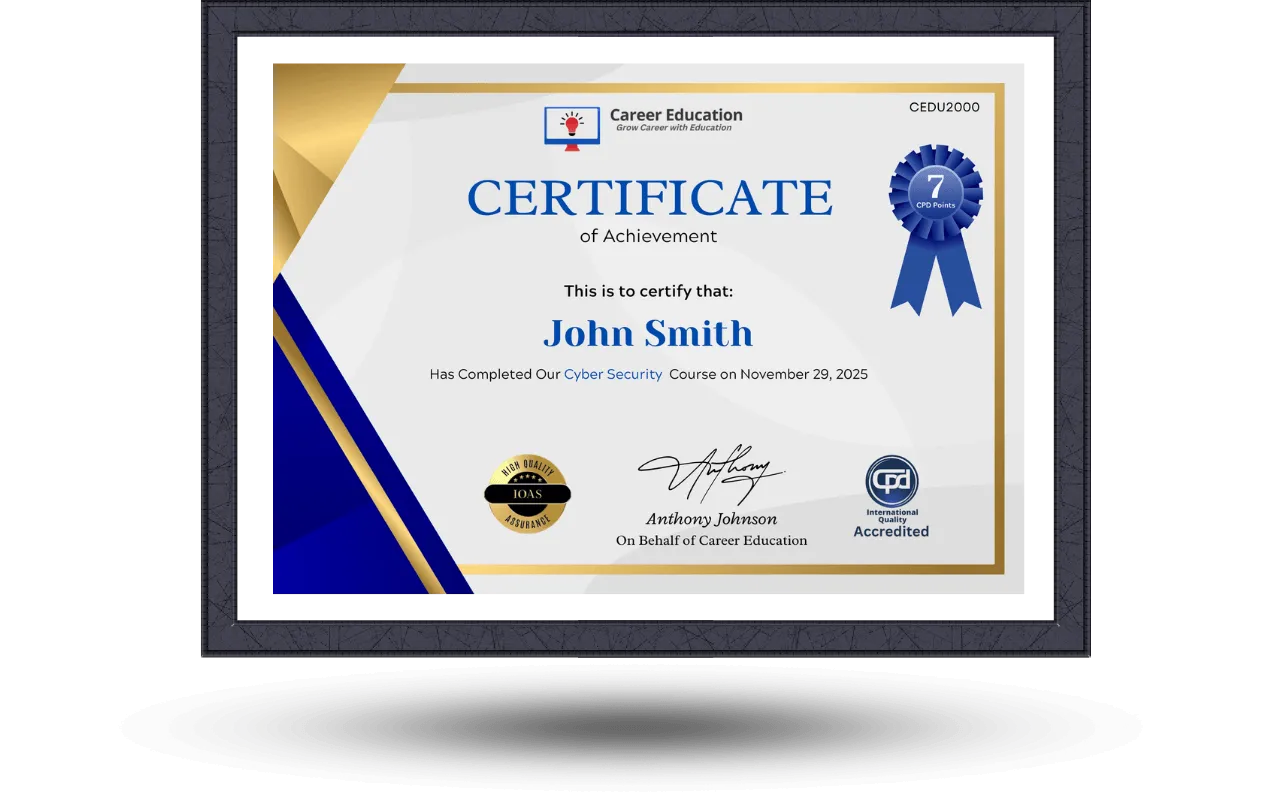
Earn an Accredited Certificate
Upon completion of any course, all students are entitled to a CPD IQ Accredited e-certificate that will be issued by Career Education signifying the completion of your course.
After you complete the course and assignment, you will be eligible to order a free certificate accredited by CPD International Quality by completing the form below.
Hardcopy certificates and transcripts are also available for a small additional fee. More information is disclosed upon course completion.
Similar Courses




Frequently Asked Questions
The lifetime membership includes unlimited access to all courses, resources, and updates for a one-time fee.
You can purchase the membership directly from our website using a secure checkout process.
Yes, selected courses can be downloaded for offline access through our mobile app.
Yes, all future updates and new courses are included at no extra cost.
Yes, we offer a 30-day money-back guarantee if you are not satisfied with the membership.