
94%
OFF
OFF
Heat Exposure
- Lifetime Access
- All Levels
- PDF Certificate
£296
£19
14-Day Money-Back Guarantee
Learn With Confidence









Heat Exposure
Heat exposure is a significant health and safety consideration for people working, exercising, or spending extended periods in hot environments. Excessive heat can place considerable demands on the body’s ability to regulate temperature and may lead to dehydration, fatigue, reduced concentration, heat-related illness, and potentially serious medical emergencies.
The Heat Exposure course provides a practical and educational introduction to the science, risks, symptoms, and prevention of excessive heat exposure. Learners will explore how the body regulates temperature, why certain occupational environments create greater risks, how environmental conditions influence heat exposure, and how heat-related illnesses can be recognised and prevented.
Designed with a practical, outcome-focused approach, the course helps learners build the knowledge needed to recognise heat hazards, understand how the body responds to heat, identify warning signs, and apply effective prevention strategies.
Whether you work outdoors, perform physically demanding tasks, supervise employees, support workplace health and safety, or simply want to improve your understanding of heat-related risks, this course provides a valuable foundation for safer decision-making.
Why Heat Exposure Matters
The human body continuously works to maintain a stable internal temperature. When environmental heat and physical activity cause the body to gain heat faster than it can lose it, the risk of heat-related problems increases.
Construction sites, farms, factories, warehouses, kitchens, workshops, roads, and outdoor work areas can all expose workers to significant heat depending on the environment and the nature of the task.
Heat exposure can affect more than physical comfort. Excessive heat may contribute to tiredness, dehydration, reduced concentration, impaired coordination, and changes in judgement. These effects can increase the likelihood of workplace mistakes and accidents.
Understanding Heat Exposure therefore involves more than knowing that hot weather can be uncomfortable. It requires an understanding of how heat affects the body, how environmental and occupational factors influence risk, and what can be done to reduce exposure.
This course provides learners with that foundation.
What You Will Learn
By completing the Heat Exposure course, learners will be able to:
-
Explain the fundamentals of heat exposure and heat stress.
-
Understand how the body regulates its internal temperature.
-
Describe the basic principles of thermoregulation.
-
Identify occupational conditions that can increase heat exposure.
-
Recognise environmental factors that influence thermal strain.
-
Identify common heat-related illnesses.
-
Recognise signs and symptoms that may indicate heat-related illness.
-
Understand the importance of appropriate assessment and medical evaluation.
-
Identify practical strategies for reducing heat exposure.
-
Apply prevention principles in workplace and everyday environments.
-
Recognise the importance of hydration, rest, shade, ventilation, and work planning.
-
Develop greater awareness of heat-related safety risks.
Course Curriculum
Module 1: Introduction to Heat Stress
Lesson 1: Introduction to Heat Stress
The course begins by introducing the relationship between heat exposure and heat stress.
Learners will explore what heat stress means, why it occurs, and how excessive heat can affect physical and mental wellbeing.
The module introduces common sources of heat exposure, including environmental heat, direct sunlight, radiant heat, hot surfaces, physical activity, and heat-producing equipment.
Learners will also examine why some people and occupations may be more vulnerable than others.
Key concepts include:
-
Heat exposure
-
Heat stress
-
Body temperature regulation
-
Environmental heat
-
Physical workload
-
Dehydration
-
Heat-related illness
The module emphasises the importance of early awareness. Workers and individuals should understand that symptoms such as unusual fatigue, dizziness, headache, muscle cramps, or nausea may indicate that the body is struggling to cope with heat.
By the end of this module, learners will have a clear foundation for understanding heat exposure and its potential effects.
Module 2: Physiology of Thermoregulation
The body has sophisticated mechanisms for maintaining a relatively stable internal temperature. This module explores the physiology behind those processes.
Learners will discover how the body responds when environmental temperatures rise and how it attempts to lose excess heat.
The module introduces key thermoregulatory mechanisms, including:
-
Sweating
-
Skin blood flow
-
Evaporation
-
Radiation
-
Convection
-
Conduction
-
Changes in heart rate
-
Behavioural responses to heat
Learners will understand that sweating is an important cooling mechanism, but its effectiveness can be reduced in environments with high humidity.
The body can also experience increasing strain when heat exposure continues for long periods or when physical activity produces additional internal heat.
This module provides a useful scientific foundation for understanding why heat exposure can become dangerous and why environmental conditions play such an important role.
By completing the module, learners will better understand the relationship between body temperature, heat loss, environmental conditions, and physical activity.
Module 3: Occupational Heat Stress
Many occupations require workers to operate in environments where heat exposure may be significant.
This module examines occupational heat stress and the workplace conditions that can increase the risk of excessive heat exposure.
Learners will consider situations such as:
-
Outdoor construction work
-
Agricultural work
-
Manufacturing
-
Warehousing
-
Road and infrastructure work
-
Maintenance activities
-
Industrial environments
-
Physically demanding tasks
-
Work near heat-producing machinery
-
Poorly ventilated indoor spaces
The module also examines how physical workload can contribute to heat strain. Heavy lifting, repetitive activity, fast-paced work, and prolonged physical effort can increase the amount of heat produced by the body.
Protective clothing and PPE may also influence heat exposure by reducing ventilation or limiting sweat evaporation.
Learners will explore why workplace heat safety requires consideration of both environmental conditions and the nature of the work being performed.
The module encourages a proactive approach in which workers and supervisors identify heat risks before work begins and introduce appropriate controls.
Module 4: Environmental Factors
Heat exposure is affected by numerous environmental conditions.
This module explores the major factors that influence how much heat stress a person may experience.
Learners will examine:
-
Air temperature
-
Humidity
-
Solar radiation
-
Radiant heat
-
Air movement
-
Ventilation
-
Surface temperatures
-
Indoor heat sources
-
Duration of exposure
-
Time of day
-
Seasonal conditions
Humidity is especially important because high humidity can make it harder for sweat to evaporate effectively.
Radiant heat from sunlight, hot machinery, furnaces, roofs, concrete, metal surfaces, and other sources can also add to the body’s overall heat load.
Air movement and ventilation can influence the body’s ability to lose heat, while enclosed environments may prevent heat from dispersing effectively.
The module helps learners understand why temperature alone does not provide a complete picture of heat exposure.
By considering the wider thermal environment, learners can develop a more accurate understanding of when conditions may become hazardous.
Module 5: Heat-Related Illnesses
Recognising heat-related illnesses is an essential part of effective heat safety.
This module introduces learners to common conditions associated with excessive heat exposure and explains how they can develop.
Topics include:
-
Heat rash
-
Heat cramps
-
Heat exhaustion
-
Heat stroke
-
Dehydration
-
Heat-related fatigue
Learners will explore the general characteristics of these conditions and understand why early recognition is important.
Heat cramps, for example, may involve painful muscle spasms associated with strenuous activity and heat exposure. Heat exhaustion can involve weakness, heavy sweating, dizziness, headache, nausea, and other symptoms.
Heat stroke is a medical emergency and can cause serious damage to the body’s organs if treatment is delayed.
The course emphasises the importance of taking severe or worsening symptoms seriously and following appropriate workplace or emergency procedures.
Learners will develop a stronger understanding of how heat-related conditions can progress and why prevention and early intervention are essential.
Module 6: Symptoms and Diagnosis
Understanding the symptoms associated with heat-related illness can help workers and supervisors respond more effectively.
This module focuses on recognising warning signs and understanding the importance of appropriate assessment.
Learners will explore symptoms that may occur during excessive heat exposure, including:
-
Excessive sweating
-
Weakness
-
Fatigue
-
Headache
-
Dizziness
-
Nausea
-
Muscle cramps
-
Confusion
-
Changes in behaviour
-
Fainting
-
Reduced coordination
The module explains why symptoms should not be ignored, particularly when they become severe or continue despite moving away from heat exposure.
Learners will also understand that proper diagnosis of a medical condition should be performed by an appropriately qualified healthcare professional. The course is intended to improve awareness and recognition rather than replace professional medical assessment.
The module encourages learners to follow established workplace emergency procedures and seek appropriate medical assistance when serious symptoms occur.
By completing this module, participants will be better prepared to recognise potential heat-related illness and understand when a situation requires urgent attention.
Module 7: Prevention Strategies
The final module focuses on preventing excessive heat exposure and reducing the likelihood of heat-related illness.
Learners will explore practical strategies that can be applied in workplaces and other hot environments.
Prevention measures may include:
-
Providing adequate drinking water
-
Encouraging regular hydration
-
Providing shaded or cooler recovery areas
-
Scheduling demanding work appropriately
-
Using suitable work-rest arrangements
-
Improving ventilation
-
Reducing unnecessary physical exertion
-
Using mechanical assistance where appropriate
-
Supporting gradual acclimatisation
-
Monitoring environmental conditions
-
Educating workers about heat risks
-
Encouraging early reporting of symptoms
-
Reviewing emergency response arrangements
The module reinforces the importance of using multiple controls rather than relying on one solution.
For example, providing water is important, but hydration alone may not adequately control heat exposure if workers are performing strenuous tasks in direct sunlight for extended periods.
Effective heat prevention combines environmental controls, work planning, education, appropriate PPE considerations, recovery periods, monitoring, and emergency preparedness.
By the end of this module, learners will have a practical framework for reducing heat exposure and supporting safer working conditions.
Who Is This Course For?
The Heat Exposure course is suitable for a wide range of learners who may experience or manage heat-related risks.
It can be particularly useful for:
-
Construction workers
-
Outdoor workers
-
Agricultural workers
-
Warehouse employees
-
Manufacturing workers
-
Maintenance personnel
-
Site supervisors
-
Construction managers
-
Health and safety professionals
-
Facilities teams
-
Workplace safety representatives
-
Employers and managers
-
Workers new to hot environments
-
Anyone seeking greater awareness of heat-related safety
The course is suitable for both individual learners and organisations seeking to strengthen general awareness of heat exposure.
Practical Workplace Outcomes
The Heat Exposure course is designed to provide knowledge that can be applied to real situations.
After completing the course, learners should be better prepared to recognise environmental and occupational conditions that may increase heat exposure.
They will understand how the body responds to heat and why symptoms such as dizziness, weakness, headache, nausea, and confusion should not be ignored.
Learners will also be able to identify practical prevention strategies, including hydration, rest, shade, ventilation, appropriate scheduling, acclimatisation, environmental awareness, and workplace communication.
For supervisors and managers, this knowledge can support better planning of work in hot conditions and encourage earlier intervention when workers show signs of heat-related illness.
For workers, it can provide greater confidence in recognising heat hazards and taking sensible precautions.
Develop a Stronger Heat-Safety Mindset
Effective heat safety begins with awareness.
A hot environment does not automatically mean that serious heat illness will occur, but the combination of high temperatures, humidity, physical exertion, inadequate recovery, protective clothing, and prolonged exposure can significantly increase risk.
The Heat Exposure course helps learners understand these interacting factors and develop a more proactive approach.
Rather than waiting for symptoms to become severe, participants will learn the importance of recognising hazards early, preparing appropriately, monitoring conditions, and responding to warning signs.
This approach can help support safer behaviour and a stronger culture of heat awareness.
Build Knowledge for Safer Work in Hot Conditions
Heat exposure can affect workers across a wide range of industries and environments. Understanding the science behind thermoregulation, recognising heat-related illnesses, and applying effective prevention strategies can make an important difference.
The Heat Exposure course brings these topics together in a structured learning experience covering heat stress fundamentals, thermoregulation, occupational exposure, environmental factors, heat-related illnesses, symptoms and diagnosis, and prevention.
Whether you are an experienced professional or completely new to the subject, the course provides practical foundational knowledge that can help you recognise and manage heat-related risks more effectively.
Enrol in Heat Exposure Today
Understanding heat exposure is an important part of protecting health and maintaining safe performance in hot environments.
With the right knowledge, workers and organisations can better identify heat hazards, understand how the body responds to excessive heat, recognise potential symptoms, and implement practical prevention strategies.
The Heat Exposure course provides the knowledge needed to approach hot working conditions with greater awareness and preparedness.
Enrol in the Heat Exposure course today and build the practical knowledge needed to recognise heat risks, understand heat-related illness, and support safer working practices in hot environments.
Course Modules
Course Content
Module 1_ Introduction to Heat Stress
-
Lesson 1_ Introduction to Heat Stress
Module 2_ Physiology of Thermoregulation
Module 3_ Occupational Heat Stress
Module 4_ Environmental Factors
Module 5_ Heat-Related Illnesses
Module 6_ Symptoms and Diagnosis
Module 7_ Prevention Strategies
What our students say
Excellent
4.9 average
158 Reviews

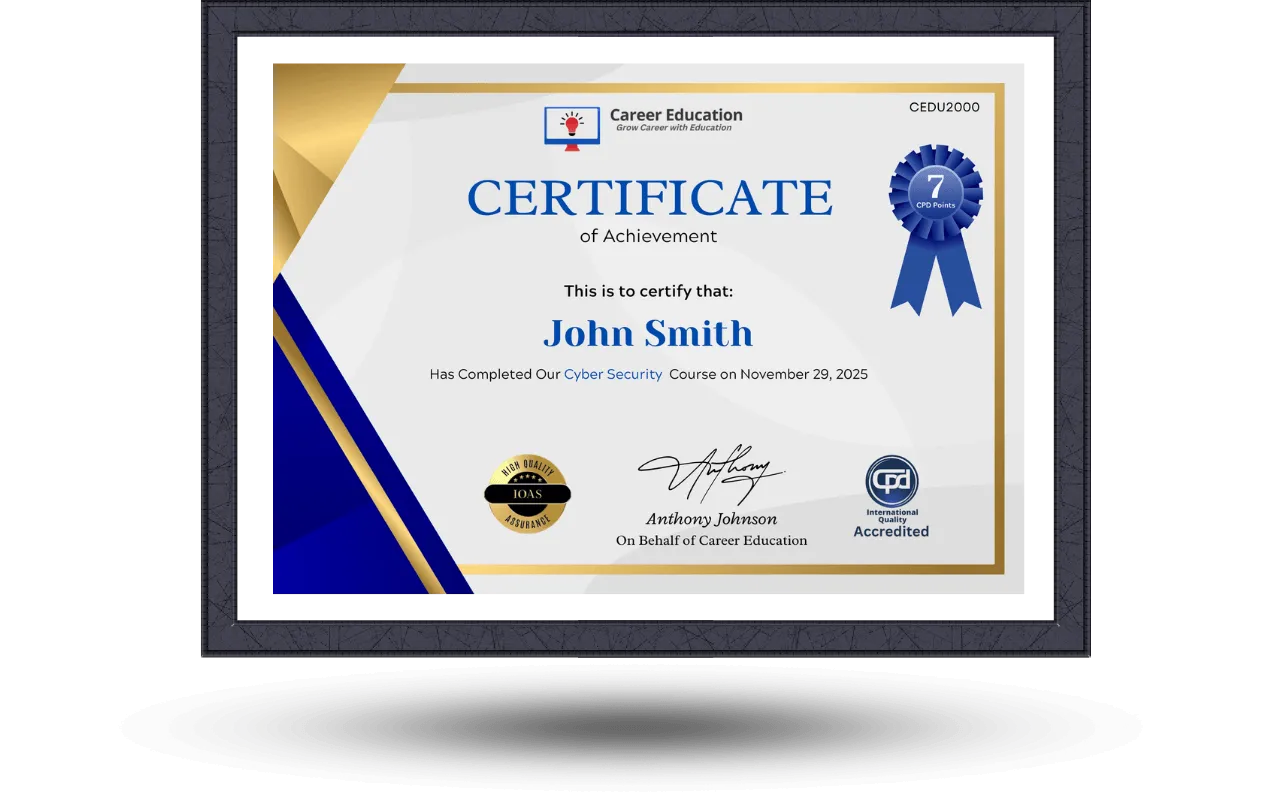
Earn an Accredited Certificate
Upon completion of any course, all students are entitled to a CPD IQ Accredited e-certificate that will be issued by Career Education signifying the completion of your course.
After you complete the course and assignment, you will be eligible to order a free certificate accredited by CPD International Quality by completing the form below.
Hardcopy certificates and transcripts are also available for a small additional fee. More information is disclosed upon course completion.
Similar Courses




Frequently Asked Questions
The lifetime membership includes unlimited access to all courses, resources, and updates for a one-time fee.
You can purchase the membership directly from our website using a secure checkout process.
Yes, selected courses can be downloaded for offline access through our mobile app.
Yes, all future updates and new courses are included at no extra cost.
Yes, we offer a 30-day money-back guarantee if you are not satisfied with the membership.