
94%
OFF
OFF
Healthcare Assistant Course
- Lifetime Access
- All Levels
- PDF Certificate
£296
£19
14-Day Money-Back Guarantee
Learn With Confidence








# Healthcare Assistant Course
Develop the knowledge, confidence and professional awareness needed to support people with compassion, dignity and respect with our comprehensive **Healthcare Assistant Course**.
Healthcare assistants play an important role in health and social care environments. They work closely with individuals, families and wider healthcare teams to provide practical support, promote wellbeing and contribute to person-centred care.
The role can involve supporting people with daily activities, communicating with individuals and healthcare professionals, maintaining safe environments, following infection control procedures and recognising when concerns should be reported.
Being a good healthcare assistant requires more than practical ability. It requires empathy, communication, professionalism, awareness of safeguarding responsibilities and an understanding of the diverse needs of the people receiving care.
The **Healthcare Assistant Course** provides a structured introduction to these essential areas. Across eight modules, you will explore the role of a healthcare assistant, communication and interpersonal skills, health and safety, infection control, personal care, common health conditions, safeguarding, end-of-life care, equality, diversity and inclusion.
Whether you are considering a career in healthcare, preparing for further training, already working in a support role or looking to strengthen your understanding of care practice, this course provides a valuable foundation.
## Why Choose a Healthcare Assistant Course?
Healthcare assistants can make a meaningful difference to people’s everyday experiences of care.
Individuals receiving support may be living with illness, disability, reduced mobility, age-related needs or other circumstances that affect their ability to manage daily activities independently.
A healthcare assistant may help with practical tasks while also providing reassurance, companionship and respectful support.
The role requires a person-centred approach.
Every individual has different preferences, needs, cultural considerations and levels of independence. Effective care therefore involves understanding the person rather than treating everyone in exactly the same way.
The **Healthcare Assistant Course** helps you develop awareness of these principles while introducing important areas of health and social care practice.
## Course Learning Outcomes
By completing the **Healthcare Assistant Course**, you will develop the knowledge to:
* Understand the role and responsibilities of a healthcare assistant.
* Recognise the importance of person-centred care.
* Develop effective communication and interpersonal skills.
* Understand fundamental health and safety principles.
* Explore infection prevention and control practices.
* Understand principles of personal care and daily living support.
* Develop awareness of common health conditions.
* Recognise safeguarding responsibilities concerning vulnerable adults and children.
* Understand the importance of reporting concerns appropriately.
* Explore principles of end-of-life and palliative care support.
* Understand equality, diversity and inclusion in healthcare environments.
* Develop greater awareness of dignity, respect and individual choice.
* Build a foundation for further healthcare and care-sector learning.
—
# Module 1: Introduction to the Role of a Healthcare Assistant
The first module introduces the role of a healthcare assistant and establishes the foundation for the course.
You will explore the responsibilities associated with supporting people in healthcare and care environments.
Healthcare assistants may perform a variety of duties depending on their workplace, training, employer and scope of practice. Their work can include practical support, personal care, communication, observation and assisting wider care teams.
The module helps you understand why professionalism and reliability are essential.
Healthcare assistants often work with people who may be experiencing illness, vulnerability or significant changes in their lives. This means that respectful behaviour and appropriate communication are particularly important.
You will explore the importance of dignity, privacy, compassion and person-centred care.
The module also encourages awareness of professional boundaries.
Healthcare assistants must understand what falls within their role and when they should seek guidance or report concerns to an appropriate senior colleague.
By completing this module, you will have a clearer understanding of what working as a healthcare assistant can involve and the standards of behaviour expected within care environments.
—
# Module 2: Communication and Interpersonal Skills
Communication is one of the most important skills in healthcare.
Module 2 focuses on communication and interpersonal skills, helping learners understand how effective communication contributes to safe and compassionate care.
Healthcare assistants may communicate with patients, residents, relatives, carers, nurses, doctors and other professionals.
Good communication helps ensure information is understood and concerns are appropriately shared.
You will explore the importance of listening, clear language, empathy and respectful interaction.
Communication is not limited to spoken words. Body language, facial expressions, tone and other non-verbal cues can also influence interactions.
You will develop awareness of the importance of adapting communication to individual needs.
Some people may have difficulties with speech, hearing, language or cognition. Others may feel anxious or distressed.
A healthcare assistant needs to remain patient and respectful while using appropriate communication approaches within their role.
The module also highlights confidentiality and professional communication.
Sharing information appropriately is an important part of healthcare practice, and learners should understand the importance of following workplace policies and relevant requirements.
By completing this module, you will have a stronger foundation for communicating professionally and compassionately.
—
# Module 3: Health, Safety, and Infection Control
Maintaining a safe environment is a fundamental healthcare responsibility.
Module 3 explores health, safety and infection control principles relevant to healthcare assistants.
Healthcare environments can involve a range of hazards, including infection risks, falls, equipment-related hazards and other safety concerns.
You will explore why awareness and appropriate procedures are essential.
Infection prevention and control is particularly important in healthcare because infections can spread between individuals, staff and visitors.
The module introduces the importance of good hygiene practices and following established infection control procedures.
You will develop awareness of why appropriate hand hygiene, use of personal protective equipment where required, safe handling practices and environmental cleanliness can contribute to reducing infection risks.
The course also emphasises the importance of following workplace policies and training.
Healthcare assistants should never improvise when established safety procedures exist.
You will learn why hazards and incidents should be reported through appropriate channels and why accurate communication is essential for maintaining safe environments.
By completing this module, you will have greater awareness of the responsibilities involved in supporting health, safety and infection prevention.
—
# Module 4: Personal Care and Daily Living Support
Many healthcare assistants provide support with personal care and everyday activities.
Module 4 explores the principles behind providing this support while protecting dignity, privacy, independence and choice.
Personal care can involve sensitive situations, so a respectful approach is essential.
You will explore the importance of explaining what you are doing, obtaining appropriate consent, respecting privacy and supporting individuals to maintain as much independence as possible.
The goal of care should not simply be to complete a task as quickly as possible.
Where appropriate, healthcare assistants can encourage individuals to participate in their own care and make choices about how support is provided.
You will also consider the importance of recognising individual preferences.
People may have different routines, cultural expectations and personal boundaries. Understanding these differences can contribute to more person-centred care.
The module encourages learners to recognise when an individual’s needs may have changed and why concerns should be communicated to the appropriate member of the healthcare team.
By completing this module, you will develop a stronger understanding of respectful personal care and daily living support.
—
# Module 5: Understanding Common Health Conditions
Healthcare assistants may support people living with a wide range of health conditions.
Module 5 introduces common health conditions and helps learners develop greater awareness of how illness can affect individuals.
The purpose is not to turn healthcare assistants into diagnosticians. Instead, the module provides foundational awareness that can help learners understand why people may require particular types of support.
You will explore how health conditions can affect physical wellbeing, emotional wellbeing, mobility, independence and everyday activities.
Developing this knowledge can help healthcare assistants communicate more effectively with individuals and recognise changes that may need to be reported.
The module also reinforces the importance of working within your scope of practice.
Healthcare assistants should not diagnose conditions or provide treatment beyond their training and responsibilities.
Instead, their role may involve observing, supporting, communicating and reporting concerns appropriately.
By completing this module, you will have a broader understanding of common health-related needs and the importance of person-centred support.
—
# Module 6: Safeguarding and Protection of Vulnerable Adults and Children
Safeguarding is a critical responsibility within health and social care.
Module 6 explores safeguarding and the protection of vulnerable adults and children.
Healthcare assistants may be in a position where they notice changes in behaviour, unexplained injuries, neglect, abuse or other indicators that cause concern.
Understanding safeguarding principles can help professionals recognise that concerns should never be ignored.
You will explore the importance of professional awareness and appropriate reporting.
Safeguarding is not about investigating concerns independently. Healthcare assistants should follow their organisation’s safeguarding procedures and report concerns to the appropriate person or authority.
The module also highlights the importance of maintaining professional boundaries and treating individuals with dignity.
Vulnerable people have the right to be treated with respect and protected from harm.
You will develop greater awareness of the responsibilities associated with safeguarding both vulnerable adults and children.
By completing this module, you will have a stronger foundation for recognising the importance of safeguarding within healthcare environments.
—
# Module 7: Supporting End-of-Life and Palliative Care
End-of-life care can be an emotionally significant part of healthcare work.
Module 7 introduces palliative and end-of-life care and explores the importance of providing compassionate support to individuals and their families.
People approaching the end of life may have complex physical, emotional, social and practical needs.
Healthcare assistants can contribute to their comfort and dignity within the limits of their role.
The module explores the importance of respecting individual preferences, maintaining privacy and communicating sensitively.
You will also consider the emotional impact that end-of-life situations can have on families and professionals.
Communication needs to be handled with care, particularly when individuals and families are experiencing uncertainty, sadness or distress.
The module reinforces the importance of working as part of the wider healthcare team and following established care plans and procedures.
You will develop greater awareness of the principles of compassionate end-of-life support.
—
# Module 8: Equality, Diversity and Inclusion in Healthcare
Healthcare should be respectful and accessible to everyone.
Module 8 explores equality, diversity and inclusion and considers how these principles apply to healthcare environments.
People receiving care may have different cultural backgrounds, beliefs, communication preferences, abilities, lifestyles and personal circumstances.
Healthcare assistants should avoid assumptions and provide respectful support based on individual needs.
You will explore the importance of treating people fairly and recognising individual differences.
Equality does not necessarily mean treating every person in exactly the same way. Person-centred care may require reasonable adjustments or different approaches to help individuals access appropriate support.
The module also encourages learners to recognise the importance of dignity and respect.
Discrimination and inappropriate assumptions can negatively affect people’s experiences of healthcare.
By developing greater awareness of equality, diversity and inclusion, you can contribute to a more respectful and supportive care environment.
—
# Develop Person-Centred Care Skills
One of the key themes throughout the **Healthcare Assistant Course** is person-centred care.
Person-centred care recognises that each individual is unique.
People have different preferences, values, routines, communication needs and expectations.
Learning to consider these differences can help healthcare assistants provide support that respects individual choice and dignity.
## Communicate With Greater Confidence
Healthcare assistants interact with people throughout their working day.
The course explores communication and interpersonal skills that can help you develop more effective professional interactions.
Listening carefully and communicating clearly can help build trust and support safer care.
## Promote Dignity and Independence
Personal care can be highly sensitive.
The course emphasises the importance of protecting privacy and dignity while encouraging individuals to maintain independence where appropriate.
This can help shift the focus from simply completing tasks to supporting people’s wellbeing and autonomy.
## Recognise Safeguarding Responsibilities
Safeguarding awareness is essential for anyone working with vulnerable people.
The course helps you understand why concerns need to be recognised and reported through appropriate procedures.
## Understand Healthcare Safety
Health and safety and infection control are essential components of healthcare work.
The course introduces key principles that can help learners understand their responsibilities within safe care environments.
## Develop Awareness of Health Conditions
Healthcare assistants may support individuals with a variety of health needs.
Developing basic awareness can help you better understand the challenges individuals may face while recognising the importance of working within your professional boundaries.
## Support People at the End of Life
End-of-life care requires sensitivity and compassion.
The course introduces principles of palliative and end-of-life support and explores the importance of dignity, comfort and respectful communication.
## Promote Equality and Inclusion
Every individual deserves respectful care.
The course explores how equality, diversity and inclusion can influence healthcare experiences and encourages learners to provide support without discrimination or inappropriate assumptions.
—
# Who Is This Healthcare Assistant Course For?
The **Healthcare Assistant Course** can be suitable for:
* Aspiring healthcare assistants.
* Care workers.
* Support workers.
* Healthcare students.
* Individuals considering a career in healthcare.
* People working in residential care.
* Community support workers.
* Individuals interested in health and social care.
* Volunteers supporting vulnerable people.
* Existing care staff seeking to strengthen their knowledge.
The course is particularly suitable for beginners who want to develop foundational knowledge before undertaking further practical or role-specific training.
## Prepare for a Healthcare Career
Working as a healthcare assistant can be rewarding for individuals who enjoy supporting others.
The role can provide exposure to a wide range of people and healthcare environments while helping you develop valuable professional skills.
The **Healthcare Assistant Course** can support your preparation by introducing important concepts before you progress into practical workplace training or role-specific qualifications.
However, completing this course alone does not automatically qualify you for every healthcare assistant role. Employers may have specific requirements relating to qualifications, experience, background checks, workplace training and practical competencies.
Always check the requirements of the particular role or organisation you are applying to.
## Develop Transferable Skills
The skills covered in this course can extend beyond healthcare.
Communication, empathy, teamwork, safeguarding awareness, professionalism, equality and problem-solving can be valuable across many people-focused roles.
Developing these abilities can contribute to your broader professional development.
# Why Choose the Healthcare Assistant Course?
The **Healthcare Assistant Course** provides an eight-module learning journey covering:
1. Introduction to the Role of a Healthcare Assistant.
2. Communication and Interpersonal Skills.
3. Health, Safety, and Infection Control.
4. Personal Care and Daily Living Support.
5. Understanding Common Health Conditions.
6. Safeguarding and Protection of Vulnerable Adults and Children.
7. Supporting End-of-Life and Palliative Care.
8. Equality, Diversity and Inclusion in Healthcare.
This comprehensive curriculum introduces the core knowledge areas that can help learners better understand healthcare support work.
From communication and personal care to safeguarding and end-of-life support, each module contributes to a broader understanding of compassionate and responsible healthcare practice.
## Build Your Professional Confidence
Healthcare can be a demanding environment, particularly for people who are new to care work.
Having a strong knowledge base can help you understand your responsibilities and approach different situations with greater confidence.
The course provides a structured opportunity to learn about the role and reflect on the standards expected when supporting others.
## Start Your Healthcare Learning Journey Today
Healthcare assistants have an important role in supporting individuals and contributing to positive care experiences.
The work requires compassion, communication, professionalism, awareness and respect for individual needs.
The **Healthcare Assistant Course** provides a comprehensive introduction to these essential areas, helping you explore the responsibilities of healthcare assistants and the principles that underpin safe, respectful and person-centred care.
You will develop knowledge of communication, health and safety, infection control, personal care, common health conditions, safeguarding, end-of-life care and equality and inclusion.
Whether you are taking your first steps towards a healthcare career or looking to strengthen your existing knowledge, this course can provide a valuable foundation for further learning and professional development.
**Enrol in the Healthcare Assistant Course today and build the foundational knowledge, confidence and professional awareness needed to support people with dignity, compassion and respect.**
Course Modules
Course Content
Module 1_ Introduction to the Role of a Healthcare Assistant
-
Lesson 1_ Introduction to the Role of a Healthcare Assistant
Module 2_ Communication and Interpersonal Skills
Module 3_ Health, Safety, and Infection Control
Module 4_ Personal Care and Daily Living Support
Module 5_ Understanding Common Health Conditions
Module 6_ Safeguarding and Protection of Vulnerable Adults and Children
Module 7_ Supporting End-of-Life and Palliative Care
Module 8_ Equality, Diversity and Inclusion in Healthcare
What our students say
Excellent
4.9 average
158 Reviews

Earn an Accredited Certificate
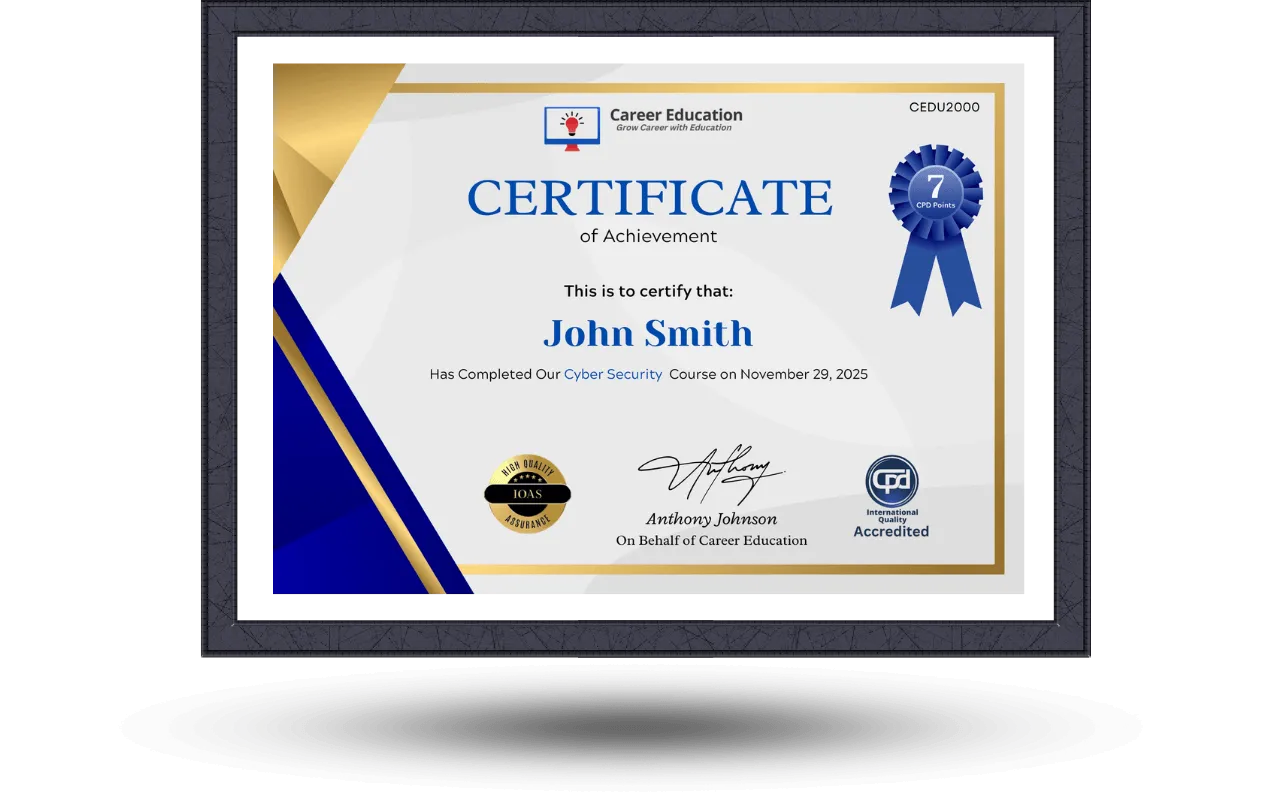
Upon completion of any course, all students are entitled to a CPD IQ Accredited e-certificate that will be issued by Career Education signifying the completion of your course.
After you complete the course and assignment, you will be eligible to order a free certificate accredited by CPD International Quality by completing the form below.
Hardcopy certificates and transcripts are also available for a small additional fee. More information is disclosed upon course completion.
Similar Courses



Frequently Asked Questions
The lifetime membership includes unlimited access to all courses, resources, and updates for a one-time fee.
You can purchase the membership directly from our website using a secure checkout process.
Yes, selected courses can be downloaded for offline access through our mobile app.
Yes, all future updates and new courses are included at no extra cost.
Yes, we offer a 30-day money-back guarantee if you are not satisfied with the membership.