
94%
OFF
OFF
Health and Safety Practices in Care Environments
- Lifetime Access
- All Levels
- PDF Certificate
£296
£19
14-Day Money-Back Guarantee
Learn With Confidence








Health and Safety Practices in Care Environments
Overview
The Health and Safety Practices in Care Environments course is designed to provide learners with the essential knowledge and practical skills required to maintain safe, effective, and compliant care settings. Health and safety are fundamental responsibilities within any care environment, and understanding how to identify risks, prevent harm, manage emergencies, and support service users safely is essential for care professionals.
This comprehensive course equips learners with the confidence to apply effective safety practices across a wide range of care environments, including residential care homes, healthcare facilities, community care settings, and support services. By completing this training, learners will develop a strong understanding of workplace safety responsibilities, risk management procedures, infection prevention strategies, safe handling techniques, fire safety measures, and medication safety principles.
The Health and Safety Practices in Care Environments course focuses on practical outcomes, helping learners understand how their actions contribute to protecting service users, colleagues, and themselves. Whether you are beginning a career in care, currently working in a healthcare role, or seeking to improve your professional knowledge, this course provides valuable skills that can support safer and higher-quality care delivery.
Course Description
The Health and Safety Practices in Care Environments course explores the key principles required to create and maintain safe care settings. Care professionals work with individuals who may have complex health needs, mobility challenges, or increased vulnerability, making effective health and safety procedures a vital part of daily practice.
Throughout this course, learners will explore how health and safety responsibilities apply within care environments and how effective procedures help reduce accidents, injuries, and risks. The training provides an understanding of workplace hazards, legal responsibilities, infection prevention methods, safe moving and handling techniques, emergency response procedures, and medication safety.
By the end of this course, learners will be able to recognise potential risks, implement preventative measures, and contribute positively to a culture of safety within care organisations. The knowledge gained through this programme can help learners provide safer support while improving confidence when dealing with everyday challenges in care environments.
The course is suitable for anyone who wants to develop essential health and safety knowledge, including care workers, healthcare assistants, support workers, nursing staff, volunteers, and individuals preparing for roles within the care sector.
Course Learning Outcomes
By completing the Health and Safety Practices in Care Environments course, learners will be able to:
-
Understand the importance of health and safety within care environments.
-
Recognise workplace hazards and apply appropriate safety procedures.
-
Conduct effective risk assessments to identify and control potential dangers.
-
Understand infection prevention and control methods.
-
Apply safe manual handling techniques to protect service users and carers.
-
Develop awareness of fire safety procedures and emergency responses.
-
Understand the importance of medication safety and responsible medication practices.
-
Support compliance with workplace health and safety standards.
-
Promote a safer and more professional care environment.
Course Curriculum
Module 1: Introduction to Health and Safety
The first module introduces learners to the foundations of health and safety within care environments. It explains why safety procedures are essential and how they contribute to protecting service users, employees, and visitors.
Learners will explore the responsibilities of care professionals in maintaining safe workplaces and understand how effective health and safety practices support quality care delivery. The module covers common workplace hazards, safety responsibilities, reporting procedures, and the importance of following organisational policies.
This module helps learners develop awareness of how everyday actions can influence safety outcomes. By understanding basic health and safety principles, learners will be better prepared to recognise unsafe situations and take appropriate action.
Key topics include:
-
The importance of health and safety in care settings.
-
Roles and responsibilities of care professionals.
-
Common hazards found in care environments.
-
Workplace safety procedures and policies.
-
Reporting accidents, incidents, and concerns.
-
Creating a positive safety culture.
Module 2: Risk Assessment
Risk assessment is a crucial part of maintaining safe care environments. This module teaches learners how to identify potential risks and implement effective control measures to reduce harm.
Learners will explore the process of recognising hazards, evaluating risks, and determining appropriate actions to improve safety. The module highlights how regular risk assessments can prevent accidents and support better decision-making in care settings.
Understanding risk assessment allows care professionals to take a proactive approach rather than responding only after incidents occur. Learners will gain practical knowledge that can be applied to everyday situations involving service users, equipment, workplace environments, and care activities.
Key topics include:
-
Understanding hazards and risks.
-
Steps involved in completing a risk assessment.
-
Identifying risks in care environments.
-
Implementing control measures.
-
Reviewing and updating risk assessments.
-
Supporting safer working practices.
Module 3: Infection Control
Infection prevention and control are essential components of safe healthcare and care delivery. This module provides learners with an understanding of how infections spread and how effective procedures can reduce transmission risks.
Learners will explore hygiene practices, infection prevention methods, personal protective equipment (PPE), and the importance of following infection control guidelines. The module explains how care professionals play an important role in protecting vulnerable individuals from preventable infections.
By completing this module, learners will understand how consistent infection control practices contribute to safer environments for both service users and healthcare workers.
Key topics include:
-
Principles of infection prevention and control.
-
How infections spread.
-
Maintaining effective hygiene standards.
-
Correct use of personal protective equipment.
-
Cleaning and sanitation practices.
-
Preventing cross-contamination.
-
Following infection control procedures.
Module 4: Manual Handling
Safe manual handling is essential in care environments where professionals support individuals with mobility needs. Incorrect moving and handling techniques can result in injuries to both care workers and service users.
This module helps learners understand the principles of safe manual handling and the importance of using appropriate techniques and equipment. Learners will explore how to assess moving and handling situations and apply safer approaches when assisting individuals.
The module focuses on reducing injury risks while promoting dignity, comfort, and independence for service users.
Key topics include:
-
Understanding manual handling risks.
-
Principles of safe lifting and transferring.
-
Protecting yourself and service users from injury.
-
Using mobility equipment safely.
-
Planning moving and handling tasks.
-
Encouraging safe and respectful support.
Module 5: Fire Safety
Fire safety knowledge is essential for anyone working within a care environment. This module provides learners with an understanding of fire prevention, emergency procedures, and the responsibilities of care professionals during fire-related incidents.
Learners will explore common fire risks, evacuation procedures, fire safety equipment, and the importance of following workplace emergency plans. The module highlights the additional considerations required when supporting individuals who may need assistance during emergencies.
By completing this module, learners will be more prepared to contribute to fire prevention and respond appropriately if a fire occurs.
Key topics include:
-
Understanding fire risks in care environments.
-
Fire prevention strategies.
-
Emergency evacuation procedures.
-
Roles and responsibilities during emergencies.
-
Using fire safety equipment.
-
Supporting vulnerable individuals during evacuation.
Module 6: Medication Safety
Medication safety is a vital responsibility within many care settings. This module introduces learners to the principles of safe medication management and the importance of following correct procedures.
Learners will explore medication handling responsibilities, safe storage practices, accurate administration procedures, and the importance of reporting medication-related concerns. The module emphasises the need for attention to detail and effective communication when supporting individuals who use medication.
Understanding medication safety helps care professionals reduce errors and support better outcomes for service users.
Key topics include:
-
Importance of medication safety.
-
Safe medication storage and handling.
-
Following medication procedures.
-
Preventing medication errors.
-
Recording and reporting medication concerns.
-
Supporting safe medication practices.
Who Is This Course For?
The Health and Safety Practices in Care Environments course is suitable for:
-
Care workers and healthcare assistants.
-
Support workers and community carers.
-
Residential care staff.
-
Nursing assistants.
-
Individuals starting a career in healthcare.
-
Volunteers working in care environments.
-
Professionals seeking to refresh their health and safety knowledge.
This course is also valuable for anyone who wants to understand how safer practices can improve the quality of care provided to vulnerable individuals.
Requirements
There are no specific entry requirements for the Health and Safety Practices in Care Environments course. It is suitable for beginners as well as experienced care professionals who want to strengthen their understanding of workplace safety.
Learners should have an interest in healthcare, wellbeing, and supporting others. A willingness to learn and apply safe working practices is the only requirement.
Career Path
Completing the Health and Safety Practices in Care Environments course can support career development in a variety of healthcare and care-related roles. Health and safety knowledge is highly valued across the care sector because professionals must understand how to protect service users and maintain professional standards.
This training can support individuals working towards roles such as:
-
Care Assistant.
-
Healthcare Support Worker.
-
Residential Care Worker.
-
Support Worker.
-
Community Care Worker.
-
Nursing Assistant.
-
Care Coordinator.
The skills gained from this course can also enhance workplace confidence and demonstrate a commitment to maintaining safe and effective care practices.
Frequently Asked Questions
What is the Health and Safety Practices in Care Environments course?
The Health and Safety Practices in Care Environments course provides learners with essential knowledge about maintaining safe care settings, including risk assessment, infection control, manual handling, fire safety, and medication safety.
Who can enrol on this course?
Anyone interested in healthcare, care work, or workplace safety can enrol. The course is suitable for beginners and professionals looking to improve their knowledge.
Do I need previous healthcare experience?
No. The course is designed for learners at different experience levels and provides foundational knowledge required for safe care practice.
What will I learn from this training?
You will learn how to identify risks, prevent infections, support safe manual handling, respond to emergencies, and promote safer practices within care environments.
Will I receive a certificate after completing the course?
Yes, learners who successfully complete the course can receive a certificate to demonstrate their understanding of health and safety practices in care environments.
How can this course support my career?
The course can improve your confidence, strengthen your professional skills, and support career opportunities within healthcare and social care settings.
Start Learning Today
The Health and Safety Practices in Care Environments course provides the essential knowledge and practical understanding needed to create safer, more effective care settings. By developing skills in risk management, infection prevention, emergency response, and safe care practices, learners can make a meaningful contribution to improving quality and safety within care environments.
Course Modules
Course Content
Module 1_ Introduction to Health and Safety
-
Lesson 1_ Introduction to Health and Safety
Module 2_ Risk Assessment
Module 3_ Infection Control
Module 4_ Manual Handling
Module 5_ Fire Safety
Module 6_ Medication Safety
What our students say
Excellent
4.9 average
158 Reviews

Earn an Accredited Certificate
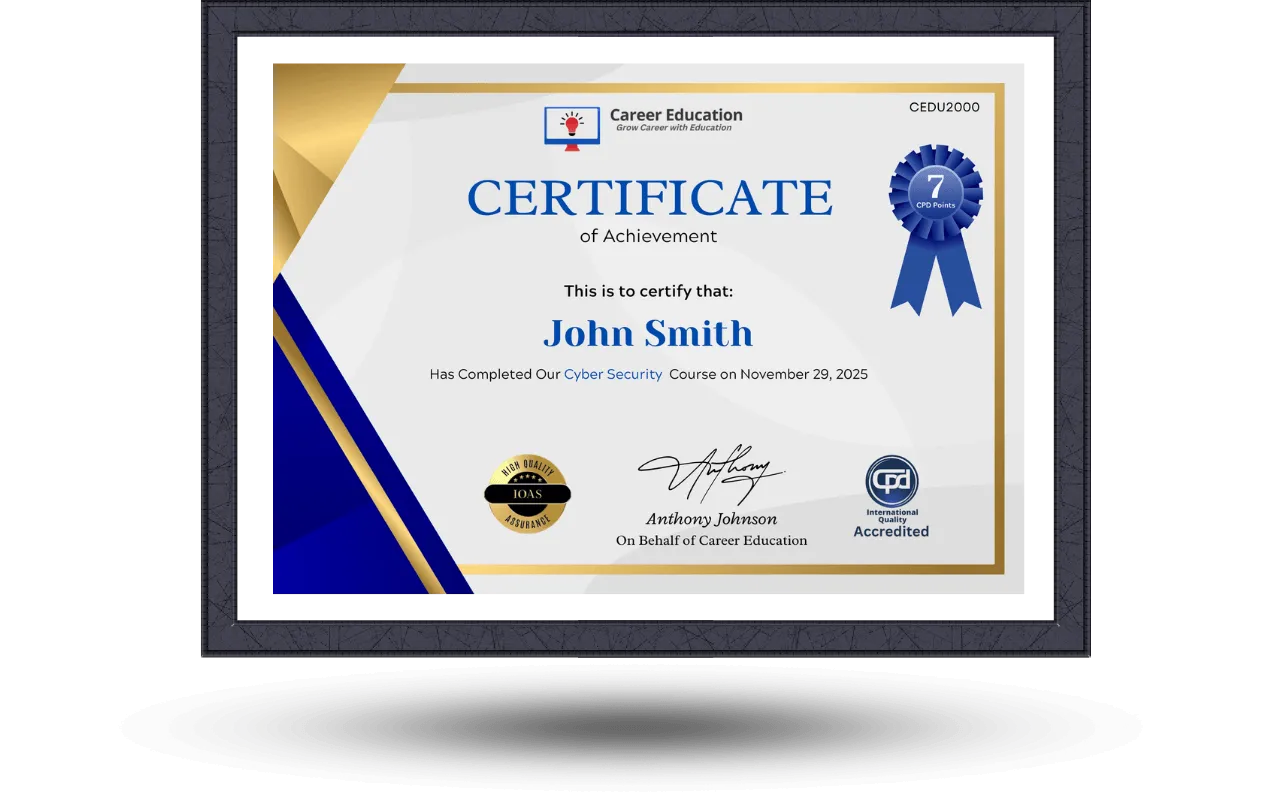
Upon completion of any course, all students are entitled to a CPD IQ Accredited e-certificate that will be issued by Career Education signifying the completion of your course.
After you complete the course and assignment, you will be eligible to order a free certificate accredited by CPD International Quality by completing the form below.
Hardcopy certificates and transcripts are also available for a small additional fee. More information is disclosed upon course completion.
Similar Courses




Frequently Asked Questions
The lifetime membership includes unlimited access to all courses, resources, and updates for a one-time fee.
You can purchase the membership directly from our website using a secure checkout process.
Yes, selected courses can be downloaded for offline access through our mobile app.
Yes, all future updates and new courses are included at no extra cost.
Yes, we offer a 30-day money-back guarantee if you are not satisfied with the membership.