
OFF
HAZWOPER Decontamination Refresher Essentials
- Lifetime Access
- All Levels
- PDF Certificate
Learn With Confidence






Overview
HAZWOPER Decontamination Refresher Essentials
Decontamination is a critical component of hazardous substance emergency response. When workers, equipment, vehicles, tools, or other materials become contaminated, appropriate decontamination procedures can help prevent hazardous substances from spreading beyond controlled areas and reduce the potential for further exposure.
The HAZWOPER Decontamination Refresher Essentials course provides a practical review of essential decontamination principles for personnel involved in hazardous materials operations and emergency response. It covers hazardous material exposure, decontamination procedures and equipment, site assessment, decontamination zone setup, PPE, and procedures for decontaminating equipment and vehicles.
Designed as an outcome-focused refresher, this course helps learners reinforce existing knowledge and review the importance of following established site-specific procedures. It encourages responders to recognise contamination hazards, understand exposure pathways, use appropriate protective equipment, and support controlled decontamination operations.
Effective decontamination is not simply about cleaning a person or piece of equipment. It involves identifying the contaminant, understanding how it may spread, establishing appropriate controls, selecting suitable methods, and preventing secondary exposure.
Why HAZWOPER Decontamination Refresher Essentials Matters
Hazardous materials can remain on clothing, PPE, tools, equipment, vehicles, and surfaces long after an initial incident has been controlled.
Without appropriate controls, contamination can spread to:
-
Clean work areas
-
Vehicles
-
Equipment
-
Facilities
-
Other workers
-
Emergency responders
-
Members of the public
-
The wider environment
This can create secondary exposure risks and complicate emergency recovery activities.
The HAZWOPER Decontamination Refresher Essentials course helps learners understand the principles used to control contamination and support safer decontamination operations.
The course reinforces the importance of identifying hazards before beginning decontamination activities and selecting procedures that are appropriate for the materials and circumstances involved.
What You Will Learn
By completing the HAZWOPER Decontamination Refresher Essentials course, learners will be able to:
-
Explain the purpose of hazardous materials decontamination.
-
Recognise potential routes of exposure to hazardous substances.
-
Understand common health effects associated with hazardous material exposure.
-
Identify important considerations when selecting decontamination methods.
-
Understand the role of decontamination equipment.
-
Recognise hazards during site assessment.
-
Understand the purpose of controlled decontamination zones.
-
Recognise the role of PPE during decontamination activities.
-
Understand basic procedures for equipment decontamination.
-
Appreciate the importance of vehicle decontamination.
-
Support contamination control and prevent unnecessary spread.
-
Reinforce safe and organised decontamination practices.
Course Curriculum
Module 1: Introduction to Hazardous Materials and Decontamination
Lesson 1: Introduction to Hazardous Materials and Decontamination
The course begins with a review of hazardous materials and the fundamental purpose of decontamination.
Learners will explore what contamination means and how hazardous substances can move from one location to another.
Contamination can occur through:
-
Direct contact
-
Contaminated clothing
-
PPE
-
Tools
-
Equipment
-
Vehicles
-
Liquids
-
Vapours
-
Dust
-
Other contaminated materials
The module explains the difference between preventing contamination and removing or controlling contamination after exposure has occurred.
Learners will also explore why decontamination is particularly important during hazardous substance emergencies.
A response team may work in an area where hazardous substances have been released, requiring workers and equipment to pass through controlled areas before reaching clean zones.
Effective decontamination procedures can help reduce the possibility of spreading contaminants outside the designated response area.
The course also introduces important concepts such as:
-
Contamination control
-
Decontamination
-
Cross-contamination
-
Exposure prevention
-
Controlled movement
-
Decontamination zones
By completing this module, participants will develop a stronger foundation in the purpose and importance of decontamination.
Module 2: Health Effects of Hazardous Materials Exposure
Understanding the potential health effects of hazardous materials is important when planning decontamination procedures.
This module examines how exposure to hazardous substances can affect workers and emergency responders.
Learners will explore potential routes of exposure, including:
-
Inhalation
-
Skin contact
-
Eye contact
-
Ingestion
-
Injection
The module also introduces the difference between acute and longer-term exposure effects.
Depending on the substance and level of exposure, workers may experience effects such as:
-
Skin irritation
-
Eye irritation
-
Breathing difficulties
-
Headaches
-
Dizziness
-
Burns
-
Nausea
-
Organ effects
-
Other serious health consequences
The course emphasises that the absence of immediate symptoms does not necessarily mean that exposure has not occurred.
Learners will understand why exposure information and hazard communication are important when determining appropriate protective and decontamination measures.
The module also highlights the importance of seeking appropriate medical attention following suspected hazardous material exposure according to established workplace procedures.
By completing this module, participants will better understand why contamination control and decontamination are important components of responder health protection.
Module 3: Decontamination Procedures and Equipment
This module focuses on the practical principles behind decontamination procedures and equipment.
Learners will explore how decontamination activities may be organised based on:
-
Type of contaminant
-
Physical state
-
Level of contamination
-
Exposure pathway
-
Surface being decontaminated
-
Equipment involved
-
Environmental conditions
-
Site-specific procedures
Potential decontamination methods and equipment may include:
-
Water-based cleaning
-
Washing systems
-
Brushes
-
Containers
-
Collection systems
-
Absorbent materials
-
Specialised cleaning solutions
-
Containment equipment
-
Decontamination stations
The module emphasises that not every decontamination method is appropriate for every hazardous substance.
A method that works for one material may be ineffective or potentially unsafe for another.
Learners will therefore understand the importance of using established procedures and appropriate information when selecting decontamination methods.
The course also highlights the importance of managing decontamination waste appropriately.
Contaminated liquids, disposable PPE, absorbent materials, and other waste may require controlled handling and disposal.
By completing this module, participants will develop a stronger understanding of how decontamination procedures and equipment support contamination control.
Module 4: Site Assessment and Hazard Recognition
Before establishing a decontamination operation, responders need to understand the site and the hazards involved.
This module focuses on site assessment and hazard recognition.
Learners will examine potential factors such as:
-
Hazardous substances present
-
Contamination locations
-
Wind direction
-
Weather conditions
-
Terrain
-
Access and exit routes
-
Nearby workers
-
Equipment locations
-
Drainage systems
-
Potential exposure pathways
-
Secondary hazards
Site assessment can help determine where contaminated and clean areas should be established.
Learners will understand why responders should consider the movement of people, equipment, vehicles, liquids, vapours, and other materials.
The course also emphasises that the decontamination area itself may become contaminated during operations.
Appropriate control measures should therefore be established to prevent contamination from spreading beyond the designated area.
By completing this module, learners will be better prepared to recognise the factors that influence decontamination planning.
Module 5: Decontamination Zone Setup and Control
Controlled zones can help separate contaminated areas from cleaner areas and manage the movement of personnel and equipment.
This module introduces the principles of establishing decontamination zones.
Learners will explore the purpose of areas such as:
-
Hot zones
-
Warm zones
-
Cold zones
-
Entry points
-
Exit points
-
Decontamination stations
-
Equipment staging areas
-
Waste collection areas
The exact layout of a decontamination operation should be determined according to site conditions, hazards, emergency plans, and applicable procedures.
The module explains why movement through these zones should be controlled.
Unnecessary movement between contaminated and clean areas can increase the risk of cross-contamination.
Learners will also explore the importance of signage, barriers, communication, and clearly defined access routes.
Effective zone control can help workers understand where they can safely move and where additional protective measures are required.
By completing this module, participants will understand the importance of organised decontamination zones and contamination control.
Module 6: Personal Protective Equipment (PPE) for Decontamination
PPE is an important part of protecting workers involved in decontamination operations.
This module reviews the role of PPE and the importance of selecting protection based on the hazards identified during the site assessment.
Learners will explore equipment such as:
-
Protective suits
-
Chemical-resistant gloves
-
Safety footwear
-
Eye protection
-
Face protection
-
Protective helmets
-
Respiratory protection
-
Other task-specific protective equipment
The module explains why PPE selection should be based on the characteristics of the hazardous material and the decontamination task.
Learners will also review important PPE practices, including:
-
Inspection
-
Proper fitting
-
Correct use
-
Donning
-
Doffing
-
Cleaning
-
Decontamination
-
Storage
-
Disposal
Improper removal of contaminated PPE can create a secondary exposure risk.
For this reason, learners will understand the importance of following established procedures when removing and handling contaminated protective equipment.
The course also reinforces that PPE does not eliminate the need for other controls.
Appropriate work procedures, engineering controls, monitoring, containment, communication, and zone management remain important.
By completing this module, participants will refresh their understanding of PPE as part of a comprehensive decontamination strategy.
Module 7: Decontamination Procedures for Equipment and Vehicles
Equipment and vehicles can transport contamination from an incident site to other locations.
This module focuses on the importance of decontaminating tools, machinery, vehicles, and other equipment used during hazardous material operations.
Learners will explore potential contamination sources such as:
-
Vehicle surfaces
-
Wheels and tyres
-
Tools
-
Machinery
-
Hoses
-
Containers
-
Protective equipment
-
Loading areas
-
Storage compartments
The module highlights the importance of identifying contaminated surfaces before equipment or vehicles leave controlled areas.
Decontamination procedures should be appropriate to the material involved and the equipment being treated.
Learners will understand why certain areas may require additional attention and why decontamination should be verified according to established site procedures before equipment is released.
The course also examines the importance of managing runoff, wastewater, disposable materials, and other waste generated during equipment and vehicle decontamination.
By completing this module, participants will understand how proper equipment and vehicle decontamination can help prevent the spread of hazardous substances beyond the response area.
Who Is This Course For?
The HAZWOPER Decontamination Refresher Essentials course may be suitable for professionals and workers involved in hazardous material operations, emergency response, remediation, or contamination control.
It may benefit:
-
HAZWOPER personnel
-
Emergency responders
-
Hazardous materials workers
-
Environmental workers
-
Remediation personnel
-
Industrial workers
-
Emergency response teams
-
Safety professionals
-
Environmental health and safety personnel
-
Site supervisors
-
Contractors
-
Decontamination workers
-
Facility response teams
-
Equipment operators
-
Vehicle operators working in contaminated areas
It can also be useful for organisations seeking to reinforce existing decontamination knowledge among personnel.
Practical Learning Outcomes
The HAZWOPER Decontamination Refresher Essentials course focuses on practical knowledge that can support safer hazardous material operations.
After completing the training, learners should have a stronger understanding of how contamination occurs and why it must be controlled.
Participants will be better prepared to recognise exposure pathways, understand the purpose of decontamination, identify relevant site hazards, and support the establishment of controlled decontamination zones.
They will also develop greater awareness of PPE requirements and the considerations involved in decontaminating equipment and vehicles.
Prevent Cross-Contamination
Cross-contamination is an important concern during hazardous material response.
A worker may unintentionally transfer hazardous substances from contaminated equipment to a clean surface. A vehicle may transport contamination away from the incident area. PPE may also transfer contaminants if it is removed incorrectly.
Effective decontamination procedures help control these risks.
Workers should understand where contamination may exist and follow established movement and decontamination procedures.
The HAZWOPER Decontamination Refresher Essentials course reinforces these principles so learners can contribute to a more controlled response environment.
Decontamination Begins With Planning
Successful decontamination requires preparation.
Before operations begin, response teams should consider:
-
What substances are involved?
-
Where is contamination located?
-
Who may be exposed?
-
What PPE is required?
-
What decontamination method is appropriate?
-
Where will the decontamination area be established?
-
How will contaminated waste be managed?
-
How will equipment be cleaned?
-
How will vehicles be controlled?
-
How will the effectiveness of decontamination be assessed?
These considerations can help organisations develop a more organised and effective response.
Protect Workers During Decontamination
Workers involved in decontamination may be exposed to the same hazardous materials they are attempting to remove.
This makes appropriate PPE, procedures, monitoring, and zone control essential.
The course helps learners understand why decontamination should be conducted in a controlled manner and why workers should follow established procedures rather than improvising.
Where hazards exceed the responder’s training, equipment, or assigned responsibilities, appropriate escalation should take place.
Support Safer Equipment and Vehicle Operations
Tools, machinery, and vehicles can become important pathways for contamination.
Proper decontamination can help prevent hazardous substances from being transported to other areas.
This is particularly important when equipment is shared between work locations or vehicles must leave a contaminated site.
The HAZWOPER Decontamination Refresher Essentials course provides learners with a better understanding of why equipment and vehicle decontamination should form part of an overall contamination control strategy.
Build a Stronger Decontamination Safety Culture
Effective contamination control requires teamwork.
Workers should be encouraged to:
-
Report contamination promptly.
-
Follow designated movement routes.
-
Use required PPE.
-
Follow decontamination procedures.
-
Avoid unnecessary contact with contaminated materials.
-
Prevent contaminated equipment from entering clean areas.
-
Follow waste handling procedures.
-
Communicate changing conditions.
-
Report PPE damage or failures.
-
Follow site-specific emergency procedures.
Supervisors and safety personnel also have important responsibilities in ensuring that procedures, equipment, training, and emergency arrangements are appropriate.
The HAZWOPER Decontamination Refresher Essentials course supports this proactive approach by reinforcing the importance of contamination control at every stage of hazardous material operations.
Enrol in HAZWOPER Decontamination Refresher Essentials Today
Hazardous material contamination can spread quickly when it is not properly controlled. Workers, PPE, tools, equipment, and vehicles can all become pathways for secondary exposure.
The HAZWOPER Decontamination Refresher Essentials course provides a structured review of the key principles needed to support effective contamination control and decontamination operations.
From understanding hazardous materials and exposure effects to setting up decontamination zones, selecting PPE, and managing equipment and vehicles, the course covers essential areas of decontamination safety.
Whether you are an emergency responder, hazardous materials worker, environmental professional, remediation worker, contractor, or safety representative, this course can help reinforce important decontamination principles.
Enrol in the HAZWOPER Decontamination Refresher Essentials course today and refresh the knowledge needed to recognise contamination hazards, support effective decontamination procedures, and help prevent the spread of hazardous substances.
Course Modules
Course Content
Module 1_ Introduction to Hazardous Materials and Decontamination
-
Lesson 1_ Introduction to Hazardous Materials and Decontamination
Module 2_ Health Effects of Hazardous Materials Exposure
Module 3_ Decontamination Procedures and Equipment
Module 4_ Site Assessment and Hazard Recognition
Module 5_ Decontamination Zone Setup and Control
Module 6_ Personal Protective Equipment (PPE) for Decontamination
Module 7_ Decontamination Procedures for Equipment and Vehicles
What our students say

Earn an Accredited Certificate
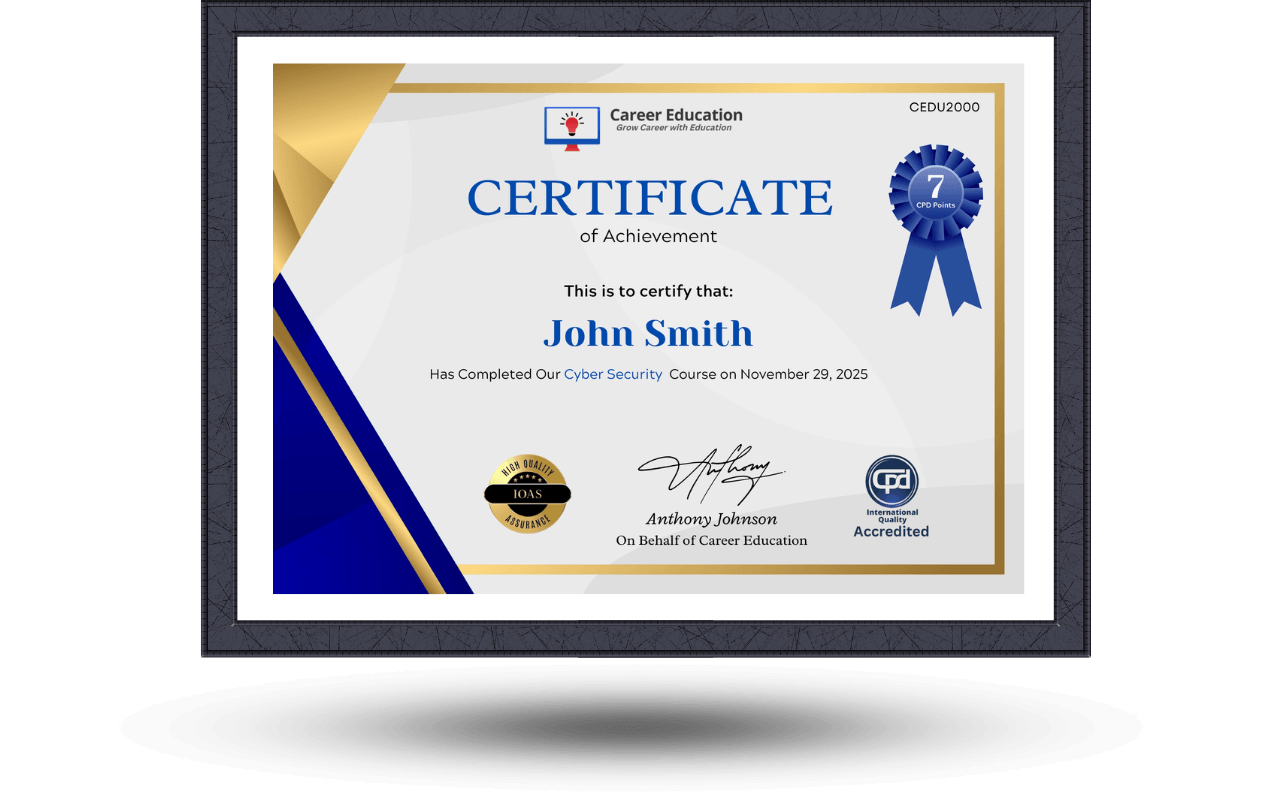
Upon completion of the course, an e-certificate will be downloadable from Khan Education signifying the completion of your course. But, the course is CPD Accredited and after you complete the assignment, you will be eligible to order a certificate accredited by CPD International Quality for £5.99 only. If you want a hardcopy certificate accredited by CPD IQ, you can get it for only £15.99.
Get your CertificateSimilar Courses


