
OFF
HAZWOPER Chemical Fundamentals Refresher Essentials
- Lifetime Access
- All Levels
- PDF Certificate
Learn With Confidence









Overview
HAZWOPER Chemical Fundamentals Refresher Essentials
Working around hazardous chemicals requires a strong understanding of chemical properties, exposure risks, identification methods, protective equipment, emergency planning, and decontamination. For emergency responders and hazardous materials personnel, refreshing these fundamentals can help reinforce safe decision-making and support a more organised response when incidents occur.
The HAZWOPER Chemical Fundamentals Refresher Essentials course provides a practical review of essential chemical safety principles for personnel who may encounter hazardous substances during emergency response, hazardous waste operations, remediation, industrial activities, or related work.
This outcome-focused course revisits the fundamental knowledge needed to recognise hazardous chemicals, understand how they behave, identify potential exposure routes, select appropriate PPE, interpret hazardous material information, prepare for emergencies, and support effective decontamination procedures.
The course is designed to reinforce existing knowledge and complement applicable regulations, employer procedures, emergency response plans, and task-specific training. It focuses on practical awareness and encourages learners to approach hazardous chemical incidents systematically rather than relying on assumptions.
Why HAZWOPER Chemical Fundamentals Refresher Essentials Matters
Hazardous chemical incidents can create rapidly changing conditions.
A spill, leak, damaged container, fire, transportation incident, or uncontrolled release may expose workers to substances that are toxic, corrosive, flammable, reactive, or otherwise hazardous.
Chemical hazards may also be difficult to identify immediately.
A substance may produce dangerous vapours without being visible. A container may have incomplete information. A chemical reaction may generate heat or gases. Contamination may remain on equipment or protective clothing after the initial incident has been controlled.
For emergency responders, understanding chemical fundamentals can therefore support safer assessment and response.
The HAZWOPER Chemical Fundamentals Refresher Essentials course helps learners revisit the knowledge needed to recognise these hazards and understand the importance of following established response procedures.
What You Will Learn
By completing the HAZWOPER Chemical Fundamentals Refresher Essentials course, learners will be able to:
-
Explain fundamental concepts relating to hazardous chemicals.
-
Recognise important chemical properties and behaviours.
-
Understand how chemical characteristics can influence workplace hazards.
-
Identify common routes of chemical exposure.
-
Understand basic toxicology and potential health effects.
-
Review the role and limitations of PPE.
-
Understand principles of hazardous material identification.
-
Recognise the importance of emergency response planning.
-
Understand basic decontamination principles.
-
Support safer chemical emergency response practices.
-
Communicate chemical hazards more effectively.
-
Reinforce a proactive approach to chemical safety.
Course Curriculum
Module 1: Introduction to Hazardous Chemicals
Lesson 1: Introduction to Hazardous Chemicals
The course begins with a review of hazardous chemicals and the reasons they require special attention in the workplace.
Learners will explore different categories of chemical hazards, including substances that may be:
-
Toxic
-
Corrosive
-
Flammable
-
Reactive
-
Oxidising
-
Irritating
-
Carcinogenic
-
Harmful through inhalation or skin contact
The module introduces the importance of understanding chemical hazards before handling, transporting, storing, or responding to them.
Learners will also explore where hazardous chemicals may be encountered, including:
-
Industrial facilities
-
Laboratories
-
Construction sites
-
Manufacturing environments
-
Hazardous waste sites
-
Storage facilities
-
Transportation operations
-
Emergency response locations
The course emphasises that chemical hazards can arise from both known and unknown substances.
Responders may not always have complete information when they first arrive at an incident. For this reason, caution, hazard assessment, appropriate protective measures, and reliable information sources are essential.
By completing this module, participants will refresh their understanding of what makes a chemical hazardous and why chemical awareness is important during emergency operations.
Module 2: Chemical Properties and Behavior
Understanding how chemicals behave is essential when assessing potential risks.
This module examines important chemical properties that can influence workplace safety and emergency response.
Learners will explore concepts such as:
-
Physical state
-
Vapour pressure
-
Volatility
-
Solubility
-
Flammability
-
Reactivity
-
Corrosivity
-
Stability
-
Chemical compatibility
The module explains why a chemical’s physical and chemical characteristics can influence how it spreads and how workers may be exposed.
For example, a highly volatile liquid may produce vapours that spread beyond the immediate spill area. A reactive substance may produce heat or hazardous gases when it comes into contact with another material.
Learners will also explore the importance of understanding chemical incompatibilities.
Certain chemicals should not be mixed because the resulting reaction may create additional hazards.
The course encourages learners to avoid assumptions and rely on appropriate chemical safety information and established procedures when assessing unfamiliar substances.
By completing this module, participants will develop a stronger understanding of how chemical properties influence hazards and emergency response decisions.
Module 3: Toxicology and Health Effects
Chemical exposure can affect the human body in different ways.
This module introduces fundamental toxicology concepts and explores how hazardous substances may cause harm.
Learners will examine common routes of exposure, including:
-
Inhalation
-
Skin absorption
-
Eye contact
-
Ingestion
-
Injection
The module also introduces the difference between acute and chronic exposure.
Acute exposure may produce effects relatively quickly, while repeated or prolonged exposure may contribute to health effects that develop over a longer period.
Potential effects may include:
-
Skin irritation
-
Eye damage
-
Respiratory irritation
-
Headaches
-
Dizziness
-
Nausea
-
Chemical burns
-
Organ damage
-
Other serious health consequences
Learners will understand that the severity of exposure can depend on factors such as the chemical involved, concentration, duration, route of exposure, and individual circumstances.
The course also highlights why workers should not rely solely on visible symptoms when assessing chemical exposure.
Where exposure is suspected, appropriate workplace reporting and medical evaluation procedures should be followed.
By completing this module, participants will refresh their understanding of how hazardous chemicals can affect health and why exposure prevention is essential.
Module 4: Personal Protective Equipment (PPE)
PPE can provide an important layer of protection when workers may encounter hazardous chemicals.
This module reviews the role of PPE and the importance of selecting equipment based on the hazards identified.
Learners will revisit PPE such as:
-
Chemical-resistant gloves
-
Protective clothing
-
Safety footwear
-
Eye protection
-
Face protection
-
Protective helmets
-
Respiratory protection
-
Other task-specific equipment
The module explains why PPE selection must be based on chemical characteristics and exposure risks rather than simply choosing the most readily available equipment.
Different chemicals may require different levels or types of protection.
Learners will also review important PPE considerations, including:
-
Proper selection
-
Correct fit
-
Inspection
-
Compatibility
-
Maintenance
-
Donning
-
Doffing
-
Decontamination
-
Storage
-
Replacement
The course reinforces that PPE does not eliminate hazards.
Where possible, organisations should prioritise appropriate hazard elimination, substitution, engineering controls, administrative controls, and safe work practices, with PPE serving as an important additional layer of protection.
By completing this module, learners will refresh their understanding of PPE and its role in chemical safety.
Module 5: Hazardous Materials Identification
Accurate identification of hazardous materials can be essential for effective emergency response.
This module focuses on methods and information sources that can assist responders in identifying hazardous substances.
Learners will explore the importance of information such as:
-
Product labels
-
Container markings
-
Safety Data Sheets
-
Shipping documents
-
Facility records
-
Warning signs
-
Hazard communication systems
-
Monitoring equipment
-
Information provided by site personnel
The module explains why identification should be approached cautiously.
A damaged container may have an unreadable label. A chemical may have been transferred into another container. Multiple substances may be involved in an incident.
Responders should therefore avoid making assumptions based solely on appearance, odour, or incomplete information.
The course also emphasises the importance of communicating identified hazards to other members of the response team.
Accurate information can influence PPE selection, isolation distances, emergency procedures, decontamination methods, and medical response.
By completing this module, participants will better understand the importance of hazardous material identification and reliable chemical information.
Module 6: Emergency Response Planning
Effective chemical emergency response begins with preparation.
This module examines the importance of emergency response planning and preparedness.
Learners will explore key elements that may form part of an emergency response plan, including:
-
Emergency contacts
-
Roles and responsibilities
-
Communication procedures
-
Evacuation arrangements
-
Hazard information
-
PPE requirements
-
Emergency equipment
-
Containment procedures
-
Decontamination
-
Medical response
-
Coordination with external responders
The course highlights the importance of site-specific planning.
Different facilities may have different chemical inventories, processes, storage arrangements, equipment, and physical layouts.
Emergency plans should therefore reflect the hazards actually present at the workplace.
Learners will also explore the importance of regular training and emergency exercises.
A response plan is more effective when personnel understand their responsibilities and know how to use available emergency equipment.
The module reinforces the importance of reviewing emergency plans whenever there are significant changes to chemicals, equipment, processes, personnel, or site conditions.
By completing this module, participants will understand how planning can support a more coordinated response to hazardous chemical incidents.
Module 7: Decontamination Procedures
Decontamination is an important part of controlling hazardous chemical exposure and preventing contamination from spreading.
This module reviews fundamental decontamination principles.
Learners will explore how contamination may occur on:
-
Skin
-
Clothing
-
PPE
-
Tools
-
Equipment
-
Vehicles
-
Work surfaces
The module examines the importance of selecting decontamination methods based on the chemical involved and the contaminated material.
Not every cleaning method is suitable for every hazardous substance.
Learners will understand why responders should follow established procedures and avoid improvising decontamination methods without appropriate information.
The module also considers the importance of controlled decontamination zones and preventing contamination from spreading into clean areas.
Potentially contaminated wastewater, disposable PPE, absorbent materials, and other waste may also require appropriate handling.
The course reinforces the importance of protecting workers performing decontamination because they may themselves be exposed to hazardous substances.
By completing this module, participants will refresh their understanding of how decontamination supports exposure control and contamination management.
Who Is This Course For?
The HAZWOPER Chemical Fundamentals Refresher Essentials course may be suitable for professionals and workers who may encounter hazardous chemicals during their work.
It can benefit:
-
HAZWOPER personnel
-
Emergency responders
-
Hazardous materials workers
-
Environmental workers
-
Remediation personnel
-
Industrial workers
-
Safety professionals
-
Environmental health and safety personnel
-
Emergency response teams
-
Site supervisors
-
Chemical handling personnel
-
Contractors
-
Facility response teams
-
Workplace safety representatives
It may also be useful for organisations seeking to reinforce foundational chemical safety knowledge among existing personnel.
Practical Learning Outcomes
The HAZWOPER Chemical Fundamentals Refresher Essentials course focuses on knowledge that can be applied to real workplace situations.
After completing the course, learners should have a stronger understanding of how chemical properties influence hazards and how hazardous substances can affect workers.
Participants will be better prepared to recognise potential exposure routes, understand the importance of reliable chemical identification, and appreciate why PPE must be selected according to the hazards involved.
They will also understand the importance of emergency response planning and decontamination in managing hazardous chemical incidents.
Understand Chemical Behaviour
Chemical behaviour can influence how an emergency develops.
A substance may evaporate quickly, react with water, ignite when exposed to an ignition source, or interact dangerously with another material.
Understanding these characteristics can help responders recognise why certain actions may increase risk.
The course encourages learners to use reliable chemical information and established procedures when assessing hazardous substances.
This knowledge can support better decision-making and reduce the likelihood of inappropriate response actions.
Recognise Exposure Risks
Chemical exposure can occur through several routes, and responders may be exposed without realising it.
Contaminated clothing can transfer chemicals to skin. Vapours can enter the respiratory system. Splashes can affect the eyes. Contaminated hands can transfer substances to the mouth.
Recognising these exposure pathways is essential for selecting appropriate controls.
The HAZWOPER Chemical Fundamentals Refresher Essentials course reinforces these concepts so learners can better understand how exposure occurs and why contamination control matters.
Support Effective Hazard Communication
Chemical safety depends heavily on accurate information.
Labels, Safety Data Sheets, facility records, shipping information, and other sources can help responders understand the substances involved.
However, information should be evaluated carefully, particularly during emergencies where labels may be damaged or conditions may have changed.
Effective communication ensures that relevant hazard information reaches everyone who needs it.
Prepare for Chemical Emergencies
A well-developed emergency response plan can help workers understand what to do when a chemical incident occurs.
Planning should address:
-
How the emergency will be reported.
-
Who will take responsibility.
-
How workers will be protected.
-
What evacuation procedures apply.
-
What equipment is available.
-
How contaminated personnel will be managed.
-
How external responders will be contacted.
-
How the incident will transition into recovery.
The HAZWOPER Chemical Fundamentals Refresher Essentials course reinforces the importance of this preparedness-focused approach.
Strengthen Chemical Safety Awareness
Chemical safety is not limited to emergency responders.
Everyone who works around hazardous substances can contribute to safer operations by recognising hazards, following procedures, using appropriate PPE, reporting unsafe conditions, and communicating relevant information.
A strong chemical safety culture encourages workers to pause and assess conditions before beginning hazardous work.
Support Safer Decontamination
Decontamination helps prevent hazardous chemicals from spreading beyond controlled areas.
Workers should understand which materials and surfaces may be contaminated and follow established procedures for their safe treatment.
Appropriate PPE and controlled work areas are especially important for personnel performing decontamination activities.
The course provides foundational knowledge that can help learners understand why decontamination is an essential part of hazardous chemical response.
Enrol in HAZWOPER Chemical Fundamentals Refresher Essentials Today
Hazardous chemical incidents can present complex risks involving toxic exposure, fire, chemical reactions, contamination, and environmental hazards.
Responders need a strong foundation in chemical properties, health effects, hazard identification, PPE, emergency planning, and decontamination to support safer operations.
The HAZWOPER Chemical Fundamentals Refresher Essentials course provides a structured review of these essential areas.
Whether you are an emergency responder, HAZWOPER worker, environmental professional, hazardous materials specialist, safety representative, or industrial worker, this course can help reinforce important chemical safety principles.
Enrol in the HAZWOPER Chemical Fundamentals Refresher Essentials course today and refresh the knowledge needed to recognise hazardous chemical risks, understand exposure pathways, support effective emergency planning, and contribute to safer hazardous materials operations.
Course Modules
Course Content
Module 1_ Introduction to Hazardous Chemicals
-
Lesson 1_ Introduction to Hazardous Chemicals
Module 2_ Chemical Properties and Behavior
Module 3_ Toxicology and Health Effects
Module 4_ Personal Protective Equipment (PPE)
Module 5_ Hazardous Materials Identification
Module 6_ Emergency Response Planning
Module 7_ Decontamination Procedures
What our students say

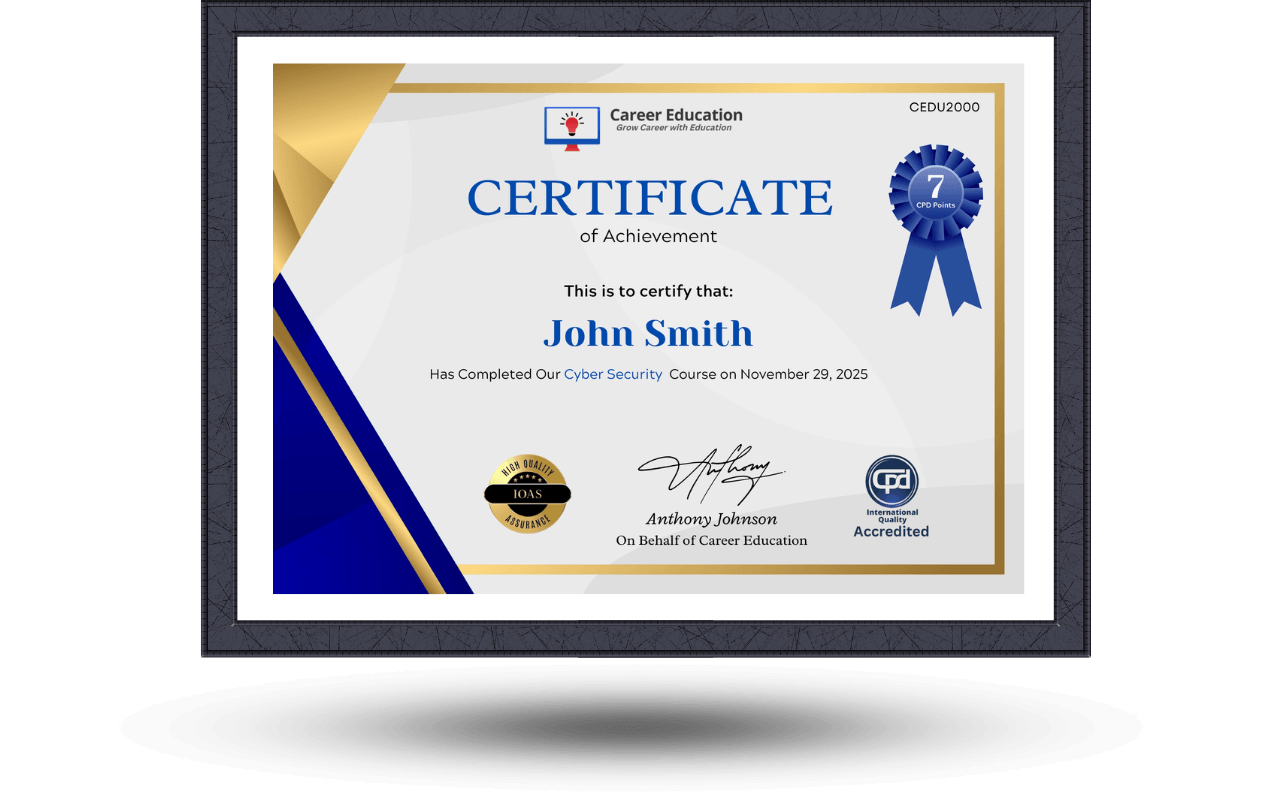
Earn an Accredited Certificate
Upon completion of the course, an e-certificate will be downloadable from Khan Education signifying the completion of your course. But, the course is CPD Accredited and after you complete the assignment, you will be eligible to order a certificate accredited by CPD International Quality for £5.99 only. If you want a hardcopy certificate accredited by CPD IQ, you can get it for only £15.99.
Get your CertificateSimilar Courses


