
94%
OFF
OFF
Hazmat Incident Reporting Essentials
- Lifetime Access
- All Levels
- PDF Certificate
£296
£19
14-Day Money-Back Guarantee
Learn With Confidence








Hazmat Incident Reporting Essentials
Hazardous materials incidents can create serious risks for workers, emergency responders, communities, property, and the environment. A spill, leak, release, transportation accident, fire, damaged container, or unexpected chemical exposure may require immediate action and accurate reporting.
Effective incident reporting is an important part of hazardous materials management. Accurate reports can help organisations communicate critical information, initiate appropriate response measures, document what occurred, evaluate health and environmental impacts, and meet applicable legal and regulatory obligations.
The Hazmat Incident Reporting Essentials course provides a practical introduction to the principles of identifying, communicating, documenting, and reporting hazardous materials incidents. It covers incident recognition, communication and coordination, reporting procedures, health and safety considerations, environmental impact assessment, and legal and regulatory compliance.
This outcome-focused course is designed to help learners understand what should happen when a hazardous materials incident occurs and why timely, accurate information matters. It also reinforces the importance of following site-specific emergency plans, employer procedures, and current regulatory requirements.
Whether you work in hazardous materials handling, transportation, warehousing, industrial operations, environmental services, emergency response, or workplace safety, understanding the fundamentals of incident reporting can help you contribute to a more organised and effective response.
Why Hazmat Incident Reporting Essentials Matters
Hazardous materials incidents can range from minor spills to major releases involving dangerous chemicals, fire, explosions, transportation accidents, or environmental contamination.
Examples may include:
-
Chemical spills
-
Uncontrolled releases
-
Leaking containers
-
Transportation accidents
-
Chemical exposure
-
Fires involving hazardous substances
-
Damaged packages
-
Gas releases
-
Improper storage incidents
-
Environmental contamination
The first priority during an incident is protecting people and preventing further harm. Once immediate hazards are addressed or controlled, accurate reporting becomes an important part of the overall incident management process.
A clear report can help answer critical questions:
-
What happened?
-
Where did it happen?
-
What material was involved?
-
How much material was released?
-
Who may have been exposed?
-
What actions were taken?
-
Were emergency services contacted?
-
Was the environment affected?
-
What corrective actions are required?
The Hazmat Incident Reporting Essentials course helps learners understand how these questions contribute to effective incident management.
What You Will Learn
By completing the Hazmat Incident Reporting Essentials course, learners will be able to:
-
Explain the fundamentals of hazardous materials incidents.
-
Recognise common types of hazmat incidents.
-
Identify signs that may indicate a hazardous material release.
-
Understand the importance of timely communication.
-
Recognise key information that should be documented.
-
Understand basic incident reporting procedures.
-
Appreciate health and safety considerations following an incident.
-
Understand how hazardous material incidents may affect the environment.
-
Recognise the importance of regulatory reporting requirements.
-
Support accurate and organised incident documentation.
-
Understand why incident reports should be factual and objective.
-
Contribute to improved future emergency preparedness.
Course Curriculum
Module 1: Introduction to Hazardous Materials Incidents
Lesson 1: Introduction to Hazardous Materials Incidents
The course begins with an overview of hazardous materials incidents and the circumstances that may lead to them.
Learners will explore common incidents such as:
-
Spills
-
Leaks
-
Chemical releases
-
Fires
-
Explosions
-
Transportation accidents
-
Container failures
-
Uncontrolled chemical reactions
-
Exposure incidents
The module introduces the importance of recognising an incident quickly and responding according to established procedures.
A hazardous materials incident may develop gradually or occur suddenly. A small leak may become a larger release if the source is not controlled, while a damaged container may create an immediate exposure or fire hazard.
Learners will understand why the first priority is to protect people and prevent additional exposure.
The course also introduces the role of incident reporting as part of the broader response process.
Reporting is not simply an administrative task. Accurate information can support emergency response, medical evaluation, environmental assessment, regulatory notification, and corrective action.
By completing this module, participants will develop a stronger understanding of what constitutes a hazardous materials incident and why effective reporting matters.
Module 2: Recognising Hazmat Incidents
Recognising a hazardous materials incident quickly can help prevent further exposure and damage.
This module focuses on identifying warning signs and circumstances that may indicate a hazmat incident.
Learners will explore indicators such as:
-
Unusual odours
-
Visible vapours
-
Leaking containers
-
Spilled liquids
-
Damaged packages
-
Discoloured materials
-
Unusual chemical reactions
-
Unexpected fumes
-
Fire or smoke
-
Worker symptoms
-
Damaged transportation containers
The course emphasises that some hazardous substances cannot be reliably identified by sight or smell.
For this reason, workers should not approach, touch, smell, or otherwise investigate an unknown substance simply to determine what it is.
Learners will also explore the importance of recognising secondary hazards.
A chemical release may create risks such as fire, explosion, toxic exposure, environmental contamination, or chemical reaction.
The module highlights the importance of following emergency procedures and maintaining a safe distance when an incident exceeds an individual’s training or capabilities.
By completing this module, learners will become more aware of the warning signs associated with hazardous materials incidents.
Module 3: Communication and Coordination
Effective communication can significantly influence how an incident is managed.
This module examines the importance of communicating information quickly and accurately.
Learners will explore communication with:
-
Supervisors
-
Emergency response teams
-
Site management
-
Safety personnel
-
Fire services
-
Medical responders
-
Environmental authorities
-
Transportation personnel
-
Other relevant organisations
The course explains what information may be useful when reporting an incident.
This can include:
-
Location
-
Type of incident
-
Substance involved
-
Known hazards
-
Quantity involved
-
Number of affected people
-
Injuries or exposures
-
Immediate control measures
-
Evacuation status
-
Environmental concerns
Learners will understand why information should be factual and clearly communicated.
Speculation can create confusion during an emergency.
For example, if the exact chemical is unknown, responders should be told that the substance is unidentified rather than being given an unverified chemical name.
The module also explores the importance of maintaining communication throughout an incident.
As conditions change, updated information may need to be communicated to supervisors, emergency responders, and other relevant personnel.
By completing this module, participants will understand how effective communication supports coordinated hazmat incident management.
Module 4: Reporting Procedures and Documentation
Accurate documentation is at the heart of effective incident reporting.
This module explores the fundamental components of hazardous materials incident reports.
Learners will examine information that may need to be documented, including:
-
Date and time
-
Incident location
-
Material involved
-
Description of the event
-
Quantity released or affected
-
People involved
-
Exposure information
-
Injuries
-
Immediate actions
-
Emergency services contacted
-
Environmental impacts
-
Equipment involved
-
Corrective measures
The course emphasises the importance of recording facts rather than assumptions.
A good incident report should provide a clear account of what happened and what actions were taken.
Learners will also explore the importance of documenting events as soon as reasonably practical while information remains fresh and accurate.
Supporting materials may include:
-
Photographs
-
Monitoring results
-
Shipping documents
-
Safety Data Sheets
-
Witness statements
-
Inspection records
-
Equipment information
-
Other relevant evidence
The course also highlights the importance of maintaining incident records securely and according to organisational procedures.
By completing this module, learners will understand how effective documentation supports investigation, follow-up, and compliance.
Module 5: Health and Safety Considerations
Hazardous materials incidents can create immediate and longer-term health and safety concerns.
This module focuses on considerations following a chemical release or other hazmat incident.
Learners will explore potential exposure routes such as:
-
Inhalation
-
Skin contact
-
Eye contact
-
Ingestion
-
Injection
Potential effects may include:
-
Skin irritation
-
Chemical burns
-
Respiratory problems
-
Dizziness
-
Headaches
-
Nausea
-
Eye damage
-
Other serious health effects
The course reinforces the importance of following established medical response and exposure reporting procedures.
Individuals who may have been exposed should receive appropriate evaluation according to workplace procedures and the circumstances of the incident.
The module also highlights the importance of documenting exposure information accurately.
Relevant information may include the substance involved, duration of exposure, route of exposure, symptoms, PPE used, and actions taken.
Learners will understand that the absence of immediate symptoms does not necessarily mean that no harmful exposure occurred.
By completing this module, participants will better understand the health and safety considerations that should be addressed following a hazardous materials incident.
Module 6: Environmental Impact Assessment
Hazardous materials incidents can affect more than people and property. They may also impact soil, water, air, wildlife, and surrounding ecosystems.
This module introduces learners to basic environmental impact considerations.
Potential environmental concerns include:
-
Soil contamination
-
Water contamination
-
Air pollution
-
Chemical runoff
-
Drainage contamination
-
Wildlife exposure
-
Improper waste disposal
-
Persistent contamination
Learners will explore why environmental assessment should consider the movement of hazardous substances beyond the immediate incident area.
For example, spilled material may enter drains or waterways and spread beyond the original location.
The course also highlights the importance of documenting visible environmental impacts and communicating them through appropriate channels.
Workers should not conduct environmental investigations beyond their training or responsibilities, but they should understand when environmental concerns require escalation.
The module reinforces the importance of appropriate containment, waste management, and follow-up procedures.
By completing this module, participants will develop greater awareness of the environmental considerations associated with hazardous materials incidents.
Module 7: Legal and Regulatory Compliance
Hazardous materials incidents may trigger specific legal and regulatory responsibilities.
This module introduces learners to the importance of understanding applicable reporting requirements.
Requirements may vary depending on:
-
Type of hazardous material
-
Quantity released
-
Location
-
Industry
-
Transportation circumstances
-
Environmental impact
-
Injuries or exposures
-
Applicable jurisdiction
The course explains why organisations should maintain procedures for determining whether an incident requires external notification.
Learners will understand that reporting obligations should not be based on assumptions.
Where specific regulatory requirements apply, organisations should consult current applicable laws, regulations, and qualified compliance professionals.
The module also explores the importance of maintaining accurate records and documentation.
Records may support:
-
Regulatory compliance
-
Incident investigation
-
Insurance processes
-
Corrective action
-
Worker protection
-
Environmental assessment
-
Future emergency planning
By completing this module, participants will understand the importance of regulatory awareness and accurate incident documentation.
Who Is This Course For?
The Hazmat Incident Reporting Essentials course may be suitable for professionals and workers who may encounter hazardous materials incidents.
It can benefit:
-
Hazmat personnel
-
Emergency responders
-
Warehouse workers
-
Shipping and receiving staff
-
Transportation personnel
-
Logistics professionals
-
Environmental workers
-
Industrial workers
-
Safety professionals
-
Environmental health and safety personnel
-
Site supervisors
-
Facility managers
-
Contractors
-
Emergency response teams
-
Workplace safety representatives
It may also be valuable for organisations that want to reinforce their incident reporting and documentation practices.
Practical Learning Outcomes
The Hazmat Incident Reporting Essentials course focuses on practical knowledge that can be applied during and after hazardous materials incidents.
After completing the training, learners should have a clearer understanding of how to recognise a hazmat incident and what information may need to be communicated.
Participants will be better prepared to understand the role of incident documentation and appreciate why reports should be accurate, factual, timely, and complete.
They will also develop greater awareness of health, environmental, and regulatory considerations associated with hazardous material releases.
Improve Incident Communication
Communication can make a significant difference during hazardous materials emergencies.
The right information needs to reach the right people at the right time.
Workers should know:
-
Who to contact.
-
What information to provide.
-
How to raise an alarm.
-
When to evacuate.
-
When to avoid approaching the incident.
-
How to communicate changing conditions.
Clear communication helps emergency responders prepare for the hazards they may encounter.
The Hazmat Incident Reporting Essentials course reinforces the importance of accurate and timely information throughout the incident lifecycle.
Strengthen Incident Documentation
Incident reports can provide a valuable record of what occurred.
Good documentation can help organisations:
-
Understand the cause of an incident.
-
Identify contributing factors.
-
Evaluate response effectiveness.
-
Determine corrective actions.
-
Meet applicable reporting requirements.
-
Improve future emergency plans.
-
Strengthen worker training.
Reports should be based on facts and supported by available evidence wherever possible.
Learners will understand why assumptions, exaggerations, or incomplete information can reduce the usefulness of an incident report.
Support Health and Safety Follow-Up
An incident does not necessarily end when the immediate release has been controlled.
Follow-up may be required for:
-
Exposed workers
-
Medical evaluation
-
Contaminated equipment
-
PPE
-
Decontamination
-
Environmental monitoring
-
Waste management
-
Equipment repair
-
Corrective action
The course encourages learners to understand the broader incident management process rather than focusing solely on the initial emergency.
Promote Environmental Awareness
Hazardous materials releases can create environmental consequences that are not immediately visible.
A spill may enter drainage systems, soil, or nearby water sources.
Workers should understand the importance of reporting environmental concerns promptly and following appropriate containment and notification procedures.
The course provides foundational awareness that can help learners recognise when environmental impacts may require further assessment.
Support Regulatory Compliance
Regulatory requirements can be complex and may differ depending on the substance, location, quantity, and circumstances.
The course helps learners understand why organisations need clear procedures for determining reporting obligations.
It also reinforces the importance of maintaining current regulatory information and consulting appropriate qualified personnel when specific compliance decisions are required.
Build a Stronger Incident Reporting Culture
Effective incident reporting depends on a workplace culture where workers feel responsible for communicating hazards and reporting incidents promptly.
Workers should be encouraged to:
-
Report releases quickly.
-
Provide factual information.
-
Avoid unnecessary exposure.
-
Follow emergency procedures.
-
Preserve relevant information where appropriate.
-
Cooperate with investigations.
-
Report symptoms or suspected exposure.
-
Follow corrective actions.
-
Participate in lessons learned.
A strong reporting culture can help organisations identify weaknesses before they result in more serious incidents.
Learn From Hazmat Incidents
One of the most valuable purposes of incident reporting is learning.
Organisations can review incidents to identify:
-
What happened?
-
Why did it happen?
-
Which controls failed?
-
Which controls worked?
-
Was the response effective?
-
Were workers adequately trained?
-
Was communication effective?
-
Were emergency procedures appropriate?
-
What should be changed?
The lessons learned can then be used to improve training, procedures, equipment, emergency plans, and workplace controls.
The Hazmat Incident Reporting Essentials course supports this continuous-improvement approach.
Enrol in Hazmat Incident Reporting Essentials Today
Hazardous materials incidents require prompt action, accurate communication, effective documentation, and appropriate follow-up.
The Hazmat Incident Reporting Essentials course provides a structured introduction to the key principles of recognising, communicating, documenting, and reporting hazardous materials incidents.
From understanding hazmat incidents and recognising warning signs to improving communication, documenting events, considering health and environmental impacts, and understanding regulatory responsibilities, the course provides practical foundational knowledge for safer incident management.
Whether you work in transportation, logistics, warehousing, industrial operations, environmental services, emergency response, or workplace safety, this course can help strengthen your understanding of hazardous materials incident reporting.
Enrol in the Hazmat Incident Reporting Essentials course today and develop the knowledge needed to recognise hazmat incidents, communicate critical information, maintain accurate documentation, support health and environmental protection, and contribute to effective incident management.
Course Modules
Course Content
Module 1_ Introduction to Hazardous Materials Incidents
-
Lesson 1_ Introduction to Hazardous Materials Incidents
Module 2_ Recognizing Hazmat Incidents
Module 3_ Communication and Coordination
Module 4_ Reporting Procedures and Documentation
Module 5_ Health and Safety Considerations
Module 6_ Environmental Impact Assessment
Module 7_ Legal and Regulatory Compliance
What our students say
Excellent
4.9 average
158 Reviews

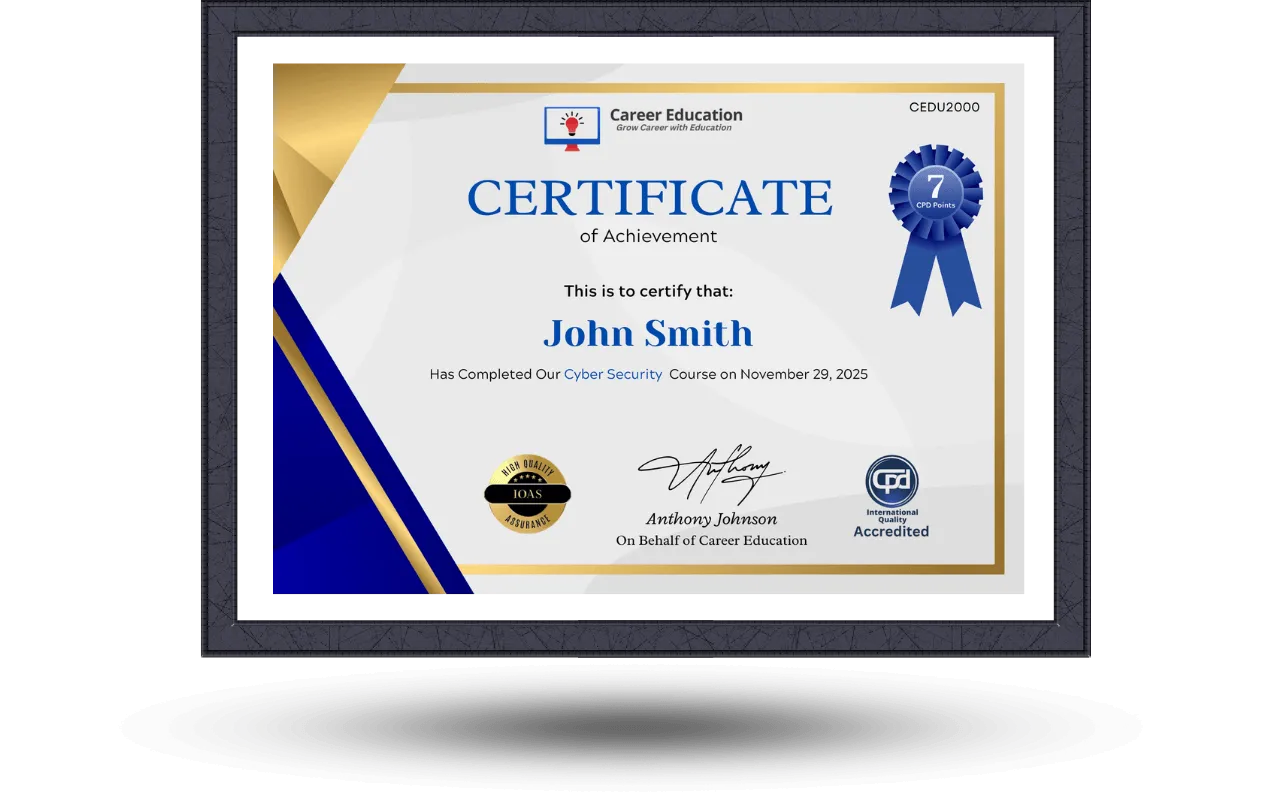
Earn an Accredited Certificate
Upon completion of any course, all students are entitled to a CPD IQ Accredited e-certificate that will be issued by Career Education signifying the completion of your course.
After you complete the course and assignment, you will be eligible to order a free certificate accredited by CPD International Quality by completing the form below.
Hardcopy certificates and transcripts are also available for a small additional fee. More information is disclosed upon course completion.
Similar Courses




Frequently Asked Questions
The lifetime membership includes unlimited access to all courses, resources, and updates for a one-time fee.
You can purchase the membership directly from our website using a secure checkout process.
Yes, selected courses can be downloaded for offline access through our mobile app.
Yes, all future updates and new courses are included at no extra cost.
Yes, we offer a 30-day money-back guarantee if you are not satisfied with the membership.