
94%
OFF
OFF
GHS Essentials for Supervisors
- Lifetime Access
- All Levels
- PDF Certificate
£296
£19
14-Day Money-Back Guarantee
Learn With Confidence








# GHS Essentials for Supervisors
Supervisors play a vital role in maintaining a safe, informed, and well-managed workplace. When employees work with or around hazardous chemicals, supervisors need to understand how chemical hazards are identified, classified, labelled, communicated, and controlled.
**GHS Essentials for Supervisors** is a practical, outcome-focused course designed to provide supervisors with a strong foundation in the Globally Harmonized System of Classification and Labelling of Chemicals (GHS). The course explores GHS principles, hazard classification, pictograms, Safety Data Sheets (SDS), chemical labels, workplace communication, employee training, and risk assessment.
Rather than focusing only on theory, **GHS Essentials for Supervisors** helps learners understand how GHS information can be applied to everyday supervisory responsibilities. Participants will develop greater confidence in recognising chemical hazards, interpreting safety information, communicating risks to employees, and supporting safer workplace practices.
Whether you supervise employees in manufacturing, construction, laboratories, warehouses, maintenance, facilities, healthcare, or other environments where hazardous chemicals may be present, this course provides useful knowledge for supporting effective chemical safety management.
—
## Why GHS Essentials for Supervisors Matters
Hazardous chemicals can present many different risks. Depending on the substance and the conditions in which it is used, workers may face hazards such as fire, explosion, toxicity, corrosivity, irritation, sensitisation, or other harmful effects.
Supervisors are often responsible for making sure employees understand workplace procedures and have access to appropriate safety information.
They may also be the first person an employee approaches with questions such as:
* What does this chemical label mean?
* What hazards does this product present?
* Where can I find the Safety Data Sheet?
* What PPE is required?
* How should this material be stored?
* What should I do if there is a spill?
* Does this chemical require special handling?
* What precautions should I take before using it?
Understanding GHS can help supervisors provide better guidance and recognise when additional information, training, or specialist assistance may be required.
**GHS Essentials for Supervisors** provides the foundational knowledge needed to support these responsibilities.
—
# What You Will Learn
By completing the **GHS Essentials for Supervisors** course, learners will be able to:
* Explain the purpose and importance of GHS.
* Understand the basic principles of chemical hazard classification.
* Recognise common GHS pictograms and symbols.
* Understand the purpose and structure of Safety Data Sheets.
* Interpret key information presented on GHS chemical labels.
* Communicate chemical hazards more effectively.
* Support employee GHS training and awareness.
* Identify workplace chemical hazards.
* Understand basic risk assessment and management principles.
* Promote safer chemical handling practices.
* Recognise potential weaknesses in workplace chemical safety arrangements.
* Support a stronger culture of hazard awareness and prevention.
—
# Course Curriculum
## Module 1: Introduction to GHS
### Lesson 1: Introduction to GHS
The course begins with an introduction to the Globally Harmonized System of Classification and Labelling of Chemicals.
Learners will explore why GHS was developed and how it provides a structured framework for communicating information about chemical hazards.
The module introduces the fundamental elements of GHS, including:
* Chemical hazard classification
* Labels
* Pictograms
* Signal words
* Hazard statements
* Precautionary statements
* Safety Data Sheets
Supervisors will explore why consistent hazard communication is important in workplaces where employees may handle or encounter hazardous substances.
The course also examines the supervisor’s role in maintaining effective communication.
Supervisors may not be responsible for creating every component of a workplace chemical safety programme, but they often play an important role in ensuring that established procedures are followed.
They can help employees understand safety information, identify unsafe practices, encourage hazard reporting, and communicate concerns through appropriate channels.
Learners will also understand that GHS requirements can vary depending on jurisdiction and workplace circumstances, making it important to follow current applicable requirements and employer procedures.
By completing this module, participants will have a clear foundation in GHS and understand why it matters to effective workplace chemical safety.
—
# Module 2: GHS Hazard Classification
Chemical hazards need to be identified and classified before they can be communicated effectively.
This module explores the fundamentals of GHS hazard classification and helps supervisors understand how classifications relate to workplace risks.
Learners will explore broad categories of hazards, including:
### Physical Hazards
Examples can include:
* Flammable substances
* Explosives
* Oxidising materials
* Gases under pressure
* Self-reactive substances
* Corrosive substances to metals
### Health Hazards
These may include:
* Acute toxicity
* Skin corrosion or irritation
* Serious eye damage or irritation
* Respiratory or skin sensitisation
* Carcinogenicity
* Reproductive toxicity
* Specific target organ toxicity
### Environmental Hazards
Certain substances may also create environmental hazards if released into soil, water, or other environmental systems.
Supervisors will learn why hazard classification is important when developing workplace controls and communicating chemical risks.
A chemical’s classification can influence decisions relating to handling, storage, exposure controls, PPE, emergency planning, and employee training.
The module also encourages supervisors to avoid assumptions based on a chemical’s appearance, smell, familiarity, or previous use.
A substance that has been used many times without an incident may still present significant hazards if appropriate precautions are not followed.
By completing this module, learners will develop stronger awareness of how GHS hazard classifications relate to workplace safety.
—
# Module 3: GHS Pictograms and Symbols
GHS pictograms provide visual information about chemical hazards.
This module introduces the common pictograms used within the GHS framework and explains how they support rapid hazard recognition.
Learners will explore pictograms associated with hazards such as:
* Explosives
* Flammability
* Oxidising substances
* Gases under pressure
* Corrosive materials
* Acute toxicity
* Serious health hazards
* Irritation and sensitisation
* Environmental hazards
Supervisors will learn how pictograms work together with other label elements.
A pictogram provides a visual warning, while the signal word, hazard statements, and precautionary statements provide additional context.
The module highlights the importance of teaching employees to consider the complete label rather than relying on a pictogram alone.
Supervisors can reinforce understanding through routine safety conversations, induction activities, toolbox talks, workplace observations, and other appropriate training methods.
Learners will also understand why damaged, missing, or unclear labels should be addressed according to workplace procedures.
By completing this module, supervisors will be better prepared to recognise GHS pictograms and help employees understand what they communicate.
—
# Module 4: Safety Data Sheets (SDS)
Safety Data Sheets are an essential source of detailed chemical safety information.
This module introduces supervisors to the purpose and structure of SDSs and explains how they can be used in everyday workplace activities.
Learners will explore the standard SDS structure and the types of information that may be available, including:
* Product identification
* Hazard identification
* Composition
* First-aid measures
* Firefighting measures
* Accidental release measures
* Handling and storage
* Exposure controls
* Physical and chemical properties
* Stability and reactivity
* Toxicological information
* Ecological information
* Disposal considerations
* Transport information
* Regulatory information
Supervisors will learn how SDS information can support workplace activities such as:
* Hazard assessment
* Chemical selection
* Storage planning
* Employee training
* Emergency preparedness
* Exposure prevention
* PPE selection
* Spill response
The module also highlights the importance of ensuring employees know how to access relevant SDSs.
Supervisors should understand their organisation’s procedures for maintaining and accessing chemical safety information and should escalate gaps or concerns appropriately.
By completing this module, learners will become more confident in understanding the purpose of SDSs and locating important chemical safety information.
—
# Module 5: GHS Labels
Chemical labels provide important information at the point where a product is stored, handled, or used.
This module focuses on GHS label elements and their role in workplace hazard communication.
Learners will explore key label information, including:
* Product identifiers
* Signal words
* Hazard pictograms
* Hazard statements
* Precautionary statements
* Supplier information
Supervisors will learn how these elements work together to communicate chemical hazards.
For example, a product identifier helps confirm the substance, while pictograms provide visual hazard information. Hazard statements describe the nature of the hazard, and precautionary statements communicate measures intended to help prevent or respond to potential harm.
The module also considers practical workplace issues involving labels.
Supervisors may need to recognise situations such as:
* Missing labels
* Damaged labels
* Unidentified containers
* Inconsistent product identification
* Improperly transferred chemicals
The course encourages supervisors to follow workplace procedures for correcting labelling problems and preventing the use of unidentified substances.
By completing this module, learners will better understand how GHS labels support chemical hazard communication.
—
# Module 6: GHS Communication and Training
GHS information is most effective when employees understand how to use it.
This module focuses on communication and training responsibilities.
Supervisors will explore ways to reinforce chemical safety information through appropriate workplace activities.
These may include:
* Employee induction
* Toolbox talks
* Safety briefings
* Refresher training
* Workplace observations
* Procedure reviews
* Hazard discussions
Learners will explore how supervisors can encourage employees to ask questions and report concerns.
Effective communication should be clear, relevant, and appropriate to the tasks employees perform.
Supervisors can help employees understand:
* What chemicals they may encounter
* What hazards those chemicals present
* How to access SDSs
* How to interpret labels
* What precautions apply
* What PPE may be required
* What workplace procedures apply during an incident
The course also reinforces the importance of providing training appropriate to employees’ responsibilities and ensuring that workplace requirements are followed.
By completing this module, supervisors will develop stronger awareness of their role in reinforcing GHS communication and employee chemical safety awareness.
—
# Module 7: Risk Assessment and Management
The final module brings GHS knowledge into the wider context of workplace risk management.
Chemical hazards should not be considered in isolation.
The actual risk associated with a substance can depend on factors such as:
* Quantity
* Concentration
* Frequency of use
* Duration of exposure
* Method of application
* Ventilation
* Work environment
* Existing controls
* Worker exposure routes
Learners will explore the basic principles of workplace hazard assessment and risk management.
The course introduces the hierarchy of controls and explains why effective hazard management should focus on controlling risks at their source where reasonably practicable.
Potential approaches can include:
* Elimination
* Substitution
* Engineering controls
* Administrative controls
* Safe work practices
* Personal protective equipment
Supervisors will learn how workplace observations can help identify potential gaps.
For example, they may identify:
* Incorrect chemical storage
* Missing labels
* Poor housekeeping
* Inadequate ventilation
* Improper PPE
* Unsafe handling
* Lack of employee awareness
* Inaccessible SDS information
The module emphasises that risk assessment should be an ongoing process.
New products, equipment, processes, work locations, or procedures can introduce new hazards.
By completing this module, learners will be better prepared to support ongoing chemical hazard identification and risk management within their area of responsibility.
—
# Who Is This Course For?
**GHS Essentials for Supervisors** is designed for supervisors and workplace leaders who have responsibility for employees who work with or around hazardous chemicals.
It can benefit:
* Supervisors
* Team leaders
* Forepersons
* Department managers
* Operations managers
* Site supervisors
* Warehouse supervisors
* Manufacturing supervisors
* Construction supervisors
* Laboratory supervisors
* Maintenance supervisors
* Facilities managers
* Safety coordinators
* Health and safety personnel
It can also be useful for experienced employees preparing to move into supervisory positions.
—
# Practical Outcomes for Supervisors
This course is designed around practical supervisory outcomes.
After completing **GHS Essentials for Supervisors**, participants will be better prepared to:
### Recognise Chemical Hazards
Understand the main categories of GHS chemical hazards and how classifications communicate risk.
### Interpret GHS Pictograms
Recognise common pictograms and understand their role in communicating chemical hazards.
### Use SDS Information
Understand the purpose of Safety Data Sheets and identify the types of information they provide.
### Understand Chemical Labels
Recognise important GHS label elements and identify potential labelling issues.
### Communicate Hazards
Reinforce chemical safety information with employees through appropriate workplace communication.
### Support Training
Help employees understand the importance of labels, SDSs, workplace procedures, and hazard controls.
### Assess Workplace Risks
Identify potential chemical hazards and support appropriate risk management measures.
—
# Build Stronger Chemical Safety Leadership
Supervisors have a direct influence on workplace safety culture.
Employees are more likely to follow effective safety practices when expectations are clearly communicated and reinforced consistently.
A supervisor who understands GHS can help employees recognise hazards before beginning work and encourage them to use available safety information.
**GHS Essentials for Supervisors** helps develop this knowledge.
—
# Improve Workplace Hazard Communication
Chemical safety information is most useful when workers can understand and apply it.
This course helps supervisors understand the connection between GHS classification, labels, pictograms, SDSs, training, and workplace procedures.
—
# Support Better Risk Management
Supervisors are often well positioned to notice changes in workplace conditions.
Understanding chemical hazards and basic risk assessment principles can help them identify potential problems and escalate concerns before they become incidents.
—
# Promote Safer Chemical Practices
Supervisors can influence how employees store, handle, label, and use chemical products.
Developing stronger GHS awareness can support more consistent workplace practices.
—
# Strengthen Employee Awareness
A workplace safety programme is more effective when employees understand why safety procedures exist.
Supervisors can use their GHS knowledge to reinforce important concepts during daily operations and formal workplace training.
—
# Enrol in GHS Essentials for Supervisors Today
Supervisors play a crucial role in translating workplace safety policies into everyday actions. When hazardous chemicals are involved, understanding GHS can help supervisors communicate hazards, support employee awareness, recognise potential risks, and promote safer practices.
**GHS Essentials for Supervisors** provides a practical introduction to the key principles of GHS, including hazard classification, pictograms, Safety Data Sheets, labels, communication and training, and risk assessment.
Across seven focused modules, learners develop a solid foundation for understanding chemical hazard communication and supporting effective workplace safety management.
The course is designed to complement employer-specific policies, workplace risk assessments, SDSs, chemical inventories, emergency procedures, manufacturer guidance, formal training, and applicable legal or regulatory requirements. GHS requirements and workplace obligations may vary depending on jurisdiction, industry, chemical, and work environment, so current applicable requirements should always be consulted.
Whether you are an experienced supervisor, a team leader, or preparing for a supervisory role, **GHS Essentials for Supervisors** can help strengthen your understanding of chemical safety communication and risk management.
**Enrol in GHS Essentials for Supervisors today and develop the knowledge to recognise chemical hazards, understand GHS information, communicate safety requirements, support employee training, and contribute to a safer workplace.**
Course Modules
Course Content
Module 1_ Introduction to GHS
-
Lesson 1_ Introduction to GHS
Module 2_ GHS Hazard Classification
Module 3_ GHS Pictograms and Symbols
Module 4_ Safety Data Sheets (SDS)
Module 5_ GHS Labels
Module 6_ GHS Communication and Training
Module 7_ Risk Assessment and Management
What our students say
Excellent
4.9 average
158 Reviews

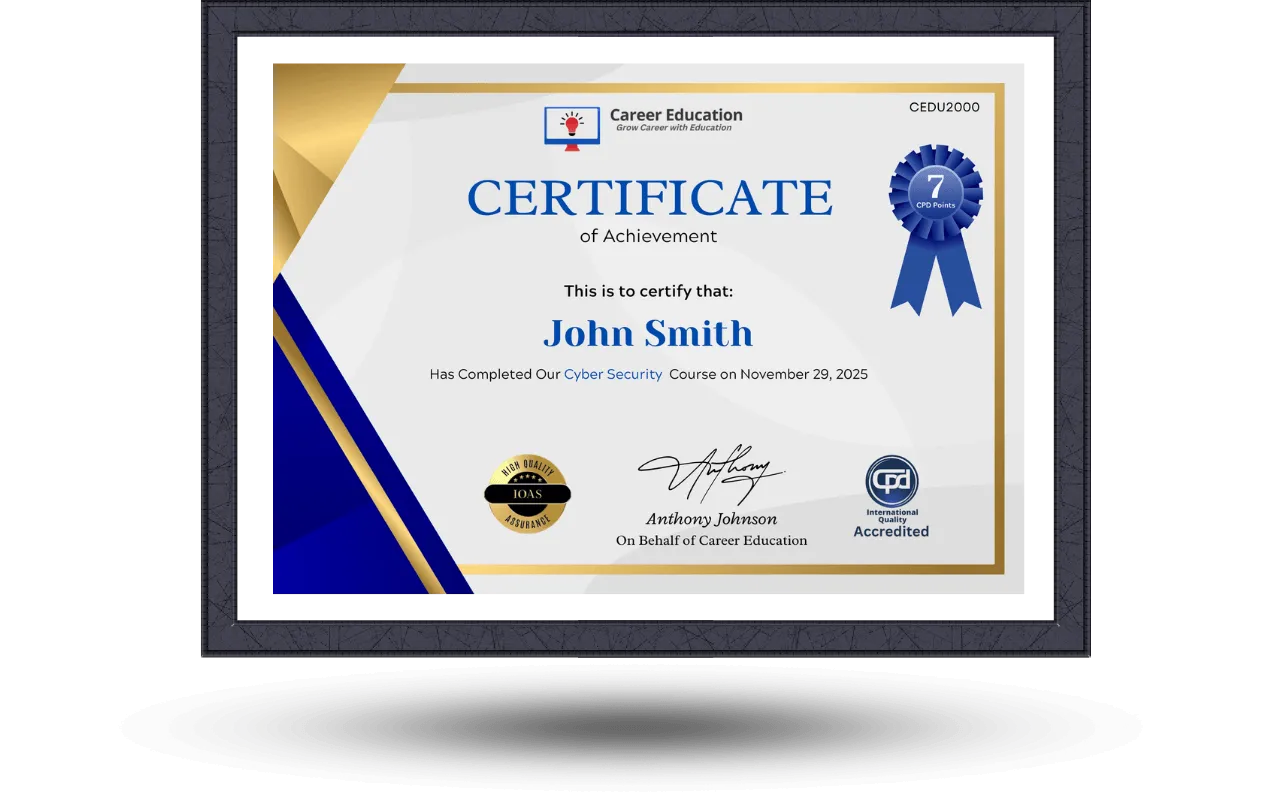
Earn an Accredited Certificate
Upon completion of any course, all students are entitled to a CPD IQ Accredited e-certificate that will be issued by Career Education signifying the completion of your course.
After you complete the course and assignment, you will be eligible to order a free certificate accredited by CPD International Quality by completing the form below.
Hardcopy certificates and transcripts are also available for a small additional fee. More information is disclosed upon course completion.
Similar Courses




Frequently Asked Questions
The lifetime membership includes unlimited access to all courses, resources, and updates for a one-time fee.
You can purchase the membership directly from our website using a secure checkout process.
Yes, selected courses can be downloaded for offline access through our mobile app.
Yes, all future updates and new courses are included at no extra cost.
Yes, we offer a 30-day money-back guarantee if you are not satisfied with the membership.