
94%
OFF
OFF
Fundamentals of Engineering
- Lifetime Access
- All Levels
- PDF Certificate
£296
£19
14-Day Money-Back Guarantee
Learn With Confidence









Fundamentals of Engineering
Overview
Engineering is one of the world’s most influential professions, driving innovation across industries such as construction, manufacturing, energy, transportation, aerospace, healthcare, and technology. Whether designing infrastructure, developing advanced machinery, or creating sustainable solutions for future generations, engineers play a vital role in solving real-world challenges.
The Fundamentals of Engineering course provides a comprehensive introduction to the core principles that underpin modern engineering disciplines. It is designed to give learners a solid understanding of engineering concepts, technical skills, and professional practices that are relevant across multiple engineering fields.
Throughout this course, you will explore essential topics including engineering mathematics, engineering science, materials and manufacturing, CAD, electrical principles, mechanics, automation, project design, and sustainable engineering. Rather than focusing on a single engineering discipline, this course develops broad knowledge that forms the foundation for further study or professional development.
By completing the Fundamentals of Engineering course, you will gain greater confidence in engineering principles, understand how engineering projects are developed, and build practical knowledge that supports both academic progression and workplace success.
Course Description
The Fundamentals of Engineering course has been developed to provide learners with a practical understanding of the essential knowledge required across today’s engineering sector. Whether you are beginning your engineering journey or strengthening existing knowledge, this course offers a structured pathway through the fundamental concepts used by engineers worldwide.
You will begin by exploring the role of engineering professionals and the importance of ethics, safety, and industry standards. As the course progresses, you will develop mathematical and scientific skills that support engineering calculations and problem-solving before moving into technical areas such as manufacturing processes, engineering materials, electrical systems, mechanics, structural principles, automation, and computer-aided design.
The course also introduces engineering project planning, design methodologies, and the growing importance of sustainability within modern engineering practice. These topics reflect current industry expectations and help learners understand how engineering decisions affect organisations, society, and the environment.
By the end of the course, you will have developed a broad engineering knowledge base that supports further education, career development, and improved confidence when working with engineering concepts and technologies.
What You Will Learn in Fundamentals of Engineering
Module 1: Introduction to Engineering and Professional Practice
This module introduces the engineering profession, its various disciplines, and the responsibilities engineers have in society. You will learn about professional standards, ethics, workplace safety, communication, and problem-solving techniques that support successful engineering practice.
After completing this module, you will be able to:
-
Understand the different engineering disciplines.
-
Recognise professional responsibilities and ethics.
-
Explain the importance of health and safety.
-
Identify key engineering processes.
-
Apply structured problem-solving methods.
-
Understand professional communication within engineering teams.
Module 2: Engineering Mathematics
Engineering relies heavily on mathematical principles. This module develops the mathematical skills required for engineering calculations, measurement, algebra, geometry, and data interpretation.
After completing this module, you will be able to:
-
Perform common engineering calculations.
-
Apply mathematical formulas to engineering problems.
-
Interpret engineering data accurately.
-
Understand measurement and units.
-
Improve numerical problem-solving skills.
-
Build confidence in engineering mathematics.
Module 3: Engineering Science Fundamentals
Engineering science explains the physical principles behind engineering systems. This module introduces forces, motion, energy, heat, pressure, and scientific concepts used throughout engineering.
After completing this module, you will be able to:
-
Understand key scientific principles.
-
Explain energy and force relationships.
-
Interpret engineering phenomena.
-
Apply engineering science to practical situations.
-
Improve analytical thinking.
-
Support further engineering learning.
Module 4: Materials and Manufacturing
Selecting the right material and manufacturing process is essential for engineering success. This module explores engineering materials, their properties, manufacturing methods, and quality considerations.
After completing this module, you will be able to:
-
Identify common engineering materials.
-
Compare manufacturing techniques.
-
Understand material selection.
-
Recognise quality control principles.
-
Explain production processes.
-
Appreciate sustainable manufacturing practices.
Module 5: Engineering Drawing and CAD
Engineering drawings communicate technical information accurately. This module introduces technical drawing standards alongside Computer-Aided Design (CAD) principles used throughout modern engineering.
After completing this module, you will be able to:
-
Read engineering drawings.
-
Understand technical symbols and standards.
-
Explain the role of CAD.
-
Interpret engineering designs.
-
Recognise drawing conventions.
-
Appreciate digital engineering workflows.
Module 6: Electrical and Electronic Principles
Electrical and electronic systems are fundamental across many engineering sectors. This module covers electrical circuits, electronic components, power systems, and their practical applications.
After completing this module, you will be able to:
-
Understand electrical principles.
-
Identify common electronic components.
-
Explain circuit fundamentals.
-
Recognise engineering applications.
-
Understand electrical safety.
-
Apply basic troubleshooting concepts.
Module 7: Mechanics and Structures
This module introduces mechanical principles and structural behaviour, helping learners understand how loads, forces, and materials interact within engineering systems.
After completing this module, you will be able to:
-
Understand forces and motion.
-
Explain structural behaviour.
-
Interpret mechanical systems.
-
Recognise engineering load calculations.
-
Understand stress and stability.
-
Apply mechanics concepts to engineering problems.
Module 8: Control Systems and Automation
Automation continues to transform engineering industries. This module introduces control systems, sensors, programmable technologies, and industrial automation.
After completing this module, you will be able to:
-
Understand automation concepts.
-
Explain basic control systems.
-
Recognise sensor applications.
-
Understand industrial automation.
-
Appreciate digital engineering technologies.
-
Recognise future automation trends.
Module 9: Engineering Project and Design
Successful engineering projects require effective planning and structured design processes. This module introduces project management principles, design thinking, teamwork, and engineering documentation.
After completing this module, you will be able to:
-
Understand engineering project stages.
-
Apply design principles.
-
Support project planning.
-
Recognise teamwork responsibilities.
-
Understand engineering documentation.
-
Improve engineering decision-making.
Module 10: Sustainable and Future Engineering
Modern engineers must balance innovation with sustainability. This module explores green engineering, renewable technologies, environmental responsibility, and emerging engineering trends shaping the future.
After completing this module, you will be able to:
-
Understand sustainable engineering practices.
-
Recognise renewable technologies.
-
Explain environmental considerations.
-
Identify future engineering trends.
-
Support responsible engineering decisions.
-
Appreciate innovation within modern engineering.
Who Is This Course For?
The Fundamentals of Engineering course is suitable for a wide range of learners, including:
-
Beginners interested in engineering careers.
-
Students preparing for engineering studies.
-
Engineering apprentices and trainees.
-
Technicians seeking broader engineering knowledge.
-
Professionals moving into engineering-related roles.
-
Supervisors and managers working with technical teams.
-
Career changers exploring engineering opportunities.
-
Business owners working within engineering industries.
-
Anyone wishing to understand engineering principles and practices.
Requirements
There are no formal entry requirements for this course.
To complete the Fundamentals of Engineering course, you will simply need:
-
An interest in engineering and technology.
-
A computer, tablet, or smartphone.
-
Internet access.
-
Basic digital skills.
-
A willingness to learn.
No previous engineering experience is required, making the course suitable for beginners.
Career Path
Completing the Fundamentals of Engineering course can support progression into a wide range of engineering and technical careers, including:
-
Engineering Technician
-
Mechanical Engineering Assistant
-
Electrical Engineering Technician
-
Manufacturing Technician
-
CAD Technician
-
Maintenance Engineer
-
Project Engineering Coordinator
-
Quality Assurance Technician
-
Production Engineer
-
Engineering Support Officer
The knowledge gained can also support further education, apprenticeships, professional certifications, and continued development across mechanical, electrical, civil, manufacturing, aerospace, automotive, and industrial engineering sectors.
Frequently Asked Questions
1. What is the Fundamentals of Engineering course?
The Fundamentals of Engineering course provides a broad introduction to the essential principles, skills, and knowledge used across modern engineering disciplines. It covers mathematics, science, materials, mechanics, electrical systems, CAD, automation, project design, and sustainable engineering.
2. Who should take this course?
This course is ideal for beginners, students, apprentices, technicians, professionals, and anyone interested in developing a strong understanding of engineering fundamentals.
3. Do I need previous engineering experience?
No. The course has been designed for beginners and assumes no prior engineering knowledge.
4. What will I learn?
You will learn engineering principles, professional practice, engineering mathematics, manufacturing processes, CAD, electrical systems, mechanics, automation, project design, and sustainability.
5. How long does the course take?
You can complete the course at your own pace, allowing you to fit your learning around work, study, and personal commitments.
6. Is this course suitable for beginners?
Yes. The course starts with the basics before gradually introducing more technical engineering concepts.
7. How will this course benefit my career?
It helps build foundational engineering knowledge that supports further education, apprenticeships, career progression, and greater confidence in engineering-related roles.
8. Will I receive a certificate?
Yes. Upon successful completion, you will receive a course certificate in accordance with your training provider’s certification policy.
9. Can I study at my own pace?
Yes. The course is delivered through flexible online learning, allowing you to study whenever it is convenient.
10. Why choose the Fundamentals of Engineering course?
The Fundamentals of Engineering course combines essential engineering theory with practical industry knowledge, providing a comprehensive foundation that prepares learners for further study, professional development, and engineering careers across multiple sectors.
Begin Your Engineering Journey Today
Engineering continues to shape the future through innovation, technology, and sustainable solutions. The Fundamentals of Engineering course provides the essential knowledge needed to understand engineering principles, strengthen technical confidence, and build a solid foundation for future learning and career development.
Whether you are taking your first step into engineering or expanding your existing knowledge, this course offers practical, flexible learning that can help you achieve your professional goals. Enrol today and start building the engineering knowledge that supports future success.
Course Modules
Course Content
Copy of Module 1_ Introduction to Engineering and Professional Practice
-
Copy of Lesson 1_ Introduction to Engineering and Professional Practice
Copy of Module 2_ Engineering Mathematics
Copy of Module 3_ Engineering Science Fundamentals(4)
Copy of Module 4_ Materials and Manufacturing
Copy of Module 5_ Engineering Drawing and CAD
Copy of Module 6_ Electrical and Electronic Principles
Copy of Module 7_ Mechanics and Structures
Copy of Module 8_ Control Systems and Automation
Copy of Module 9_ Engineering Project and Design
Copy of Module 10_ Sustainable and Future Engineering
What our students say
Excellent
4.9 average
158 Reviews

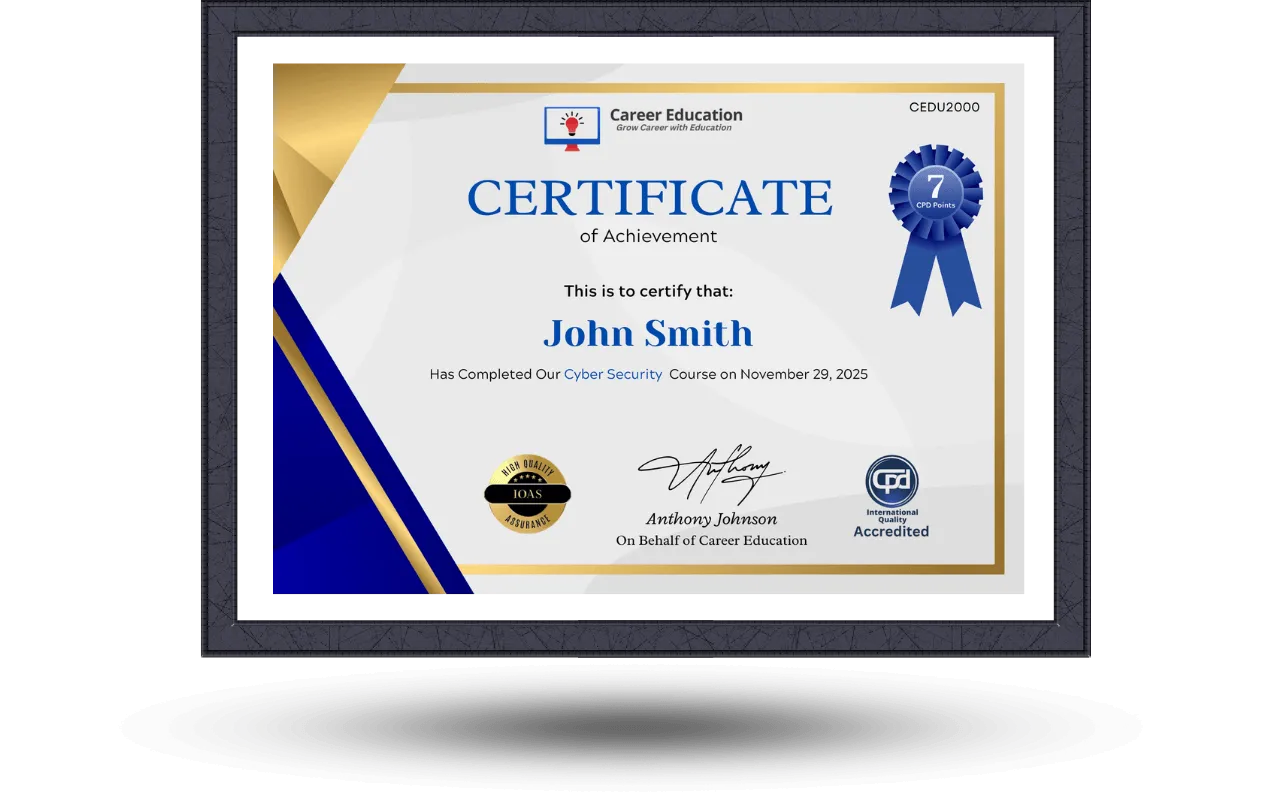
Earn an Accredited Certificate
Upon completion of any course, all students are entitled to a CPD IQ Accredited e-certificate that will be issued by Career Education signifying the completion of your course.
After you complete the course and assignment, you will be eligible to order a free certificate accredited by CPD International Quality by completing the form below.
Hardcopy certificates and transcripts are also available for a small additional fee. More information is disclosed upon course completion.
Similar Courses




Frequently Asked Questions
The lifetime membership includes unlimited access to all courses, resources, and updates for a one-time fee.
You can purchase the membership directly from our website using a secure checkout process.
Yes, selected courses can be downloaded for offline access through our mobile app.
Yes, all future updates and new courses are included at no extra cost.
Yes, we offer a 30-day money-back guarantee if you are not satisfied with the membership.